WordPress database error: [DELETE command denied to user 'sala-manca'@'localhost' for table `sala_manca_net`.`wp_options`]
DELETE FROM `wp_options` WHERE `option_name` = '_site_transient_wp_theme_files_patterns-3e81fb819c0831df69203ee558a709b9'

WordPress database error: [DELETE command denied to user 'sala-manca'@'localhost' for table `sala_manca_net`.`wp_options`]
DELETE FROM `wp_options` WHERE `option_name` = '_site_transient_timeout_wp_theme_files_patterns-3e81fb819c0831df69203ee558a709b9'

WordPress database error: [INSERT, UPDATE command denied to user 'sala-manca'@'localhost' for table `sala_manca_net`.`wp_options`]
INSERT INTO `wp_options` (`option_name`, `option_value`, `autoload`) VALUES ('_site_transient_timeout_wp_theme_files_patterns-3e81fb819c0831df69203ee558a709b9', '1792702759', 'off') ON DUPLICATE KEY UPDATE `option_name` = VALUES(`option_name`), `option_value` = VALUES(`option_value`), `autoload` = VALUES(`autoload`)

WordPress database error: [INSERT, UPDATE command denied to user 'sala-manca'@'localhost' for table `sala_manca_net`.`wp_options`]
INSERT INTO `wp_options` (`option_name`, `option_value`, `autoload`) VALUES ('_site_transient_wp_theme_files_patterns-3e81fb819c0831df69203ee558a709b9', 'a:2:{s:7:\"version\";s:3:\"4.0\";s:8:\"patterns\";a:0:{}}', 'off') ON DUPLICATE KEY UPDATE `option_name` = VALUES(`option_name`), `option_value` = VALUES(`option_value`), `autoload` = VALUES(`autoload`)

WordPress database error: [INSERT, UPDATE command denied to user 'sala-manca'@'localhost' for table `sala_manca_net`.`wp_options`]
INSERT INTO `wp_options` (`option_name`, `option_value`, `autoload`) VALUES ('_transient_doing_cron', '1792700959.2541680335998535156250', 'on') ON DUPLICATE KEY UPDATE `option_name` = VALUES(`option_name`), `option_value` = VALUES(`option_value`), `autoload` = VALUES(`autoload`)

Sala-Manca – Page 3

Absentees Landscapes at The Hive, Encinitas, San Diego


The Hive, Leichtag Foundation | Encinitas, San Diego | October 2017

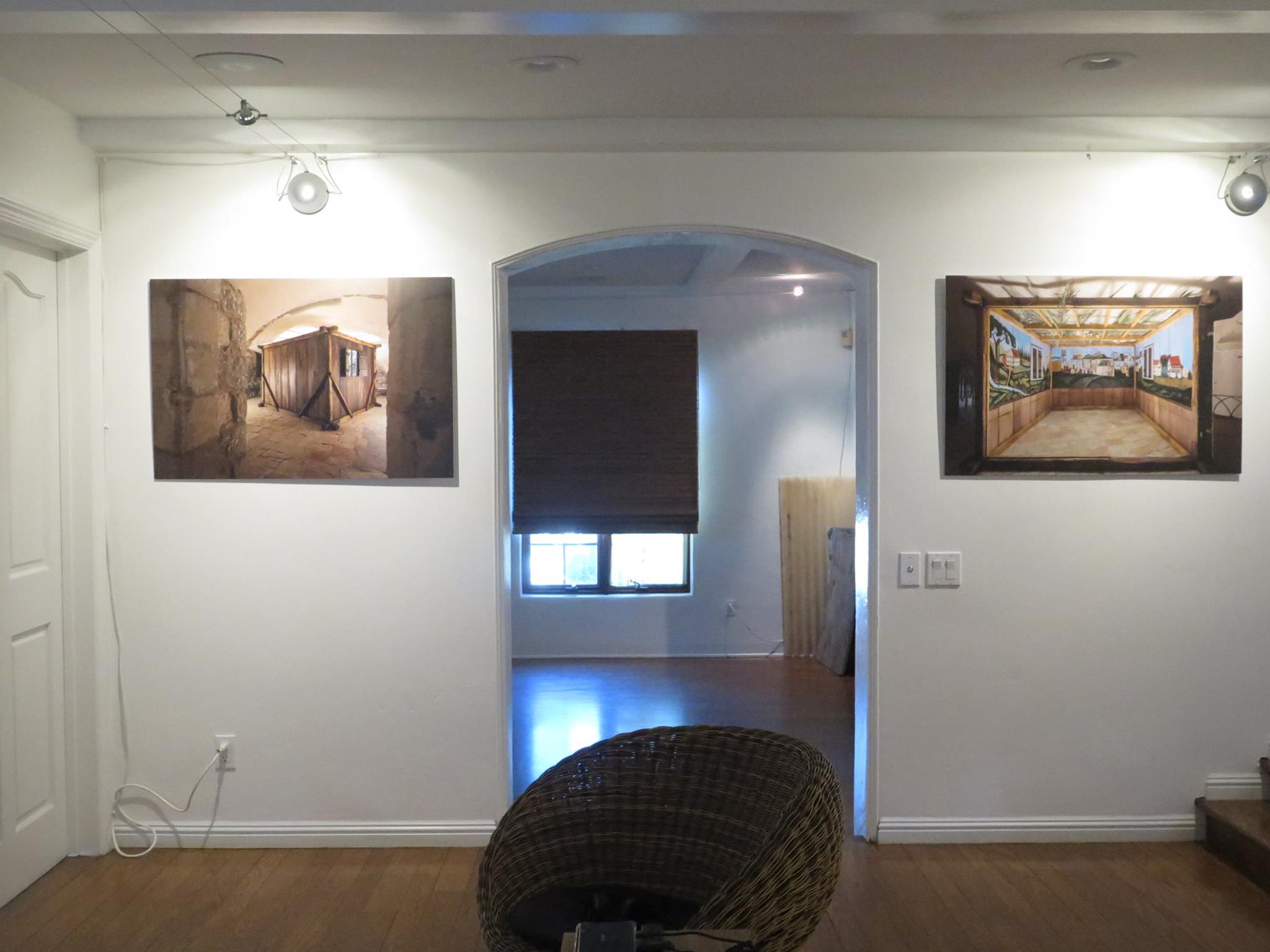
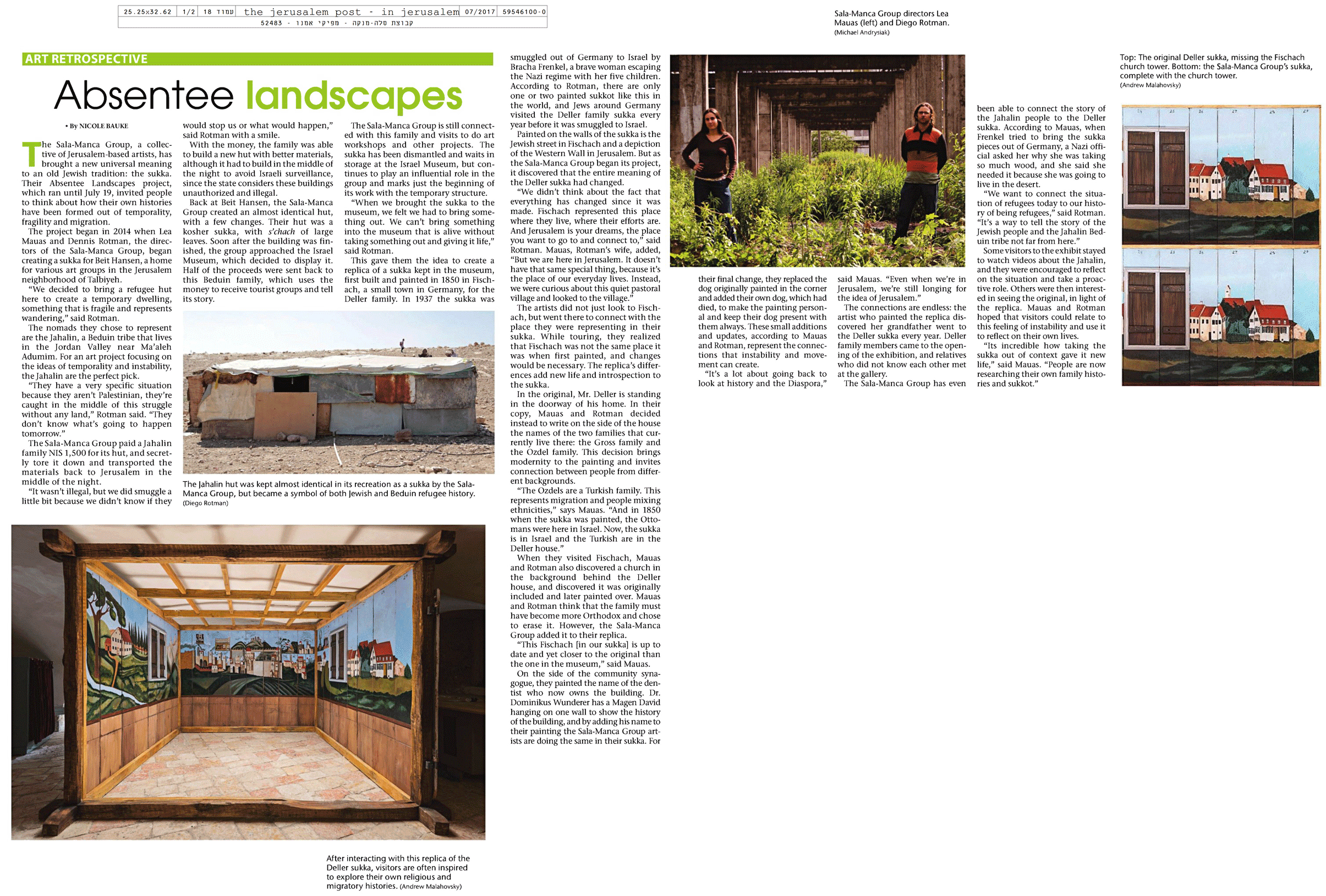
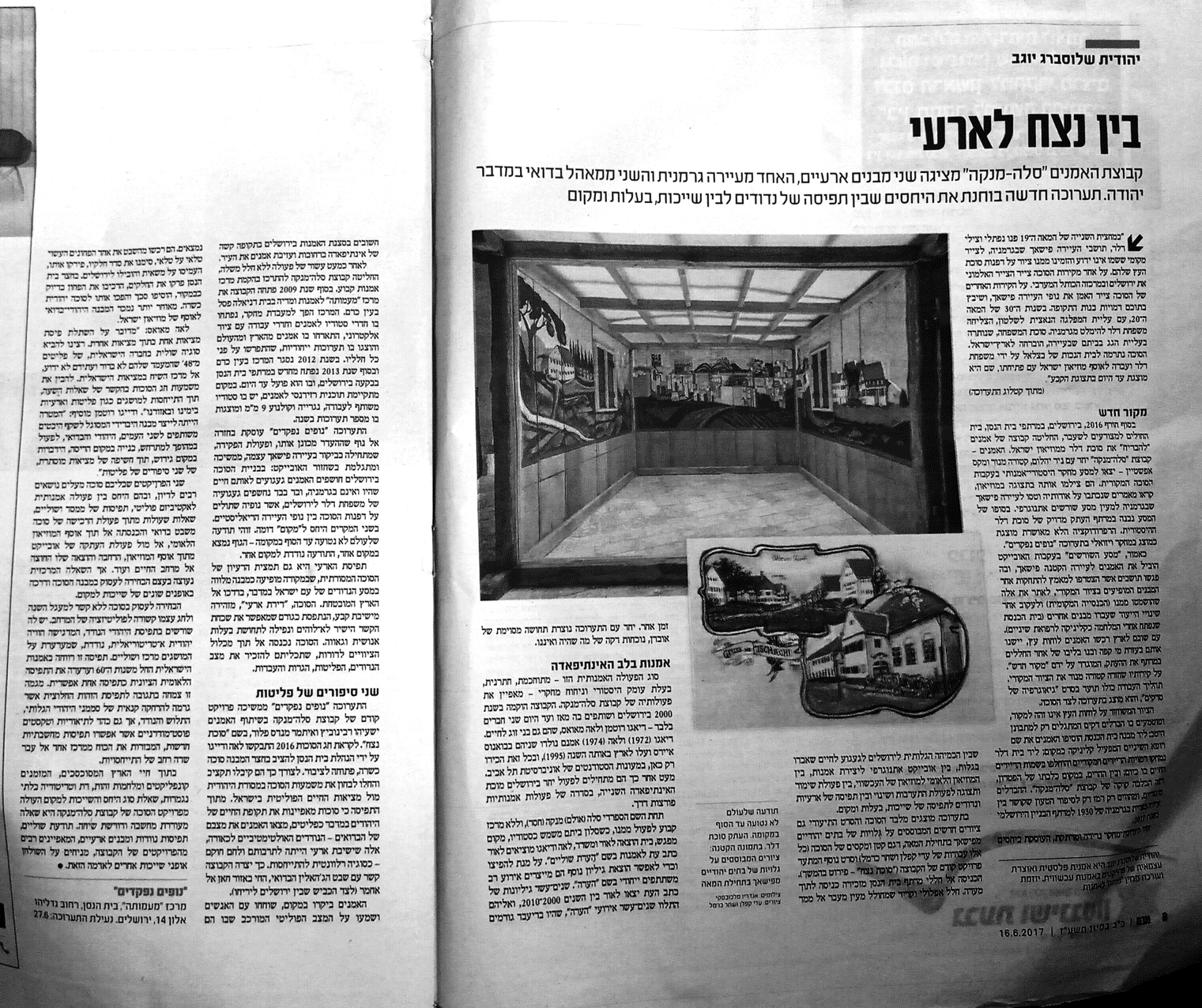
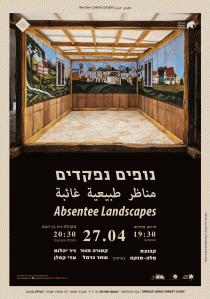
In the winter of 2017, a group of artists (the SalaManca Group, Nir Yahalom, Ktura Manor and Max Epstein) began building an unauthorized but accurate replica of a painted wooden sukkah from Germany (dating to 1850), which is on display in the permanent collection of the Israel Museum and is known as The Deller Sukkah.
The artists photographed the original sukkah at the museum, read articles about it, and even traveled to Fischach—a small town in Bavaria—where the original sukkah had been built and subsequently, with the outbreak of World War II, smuggled to Palestine to save it from the Nazis. At Fischach, some of the artists met with the local mayor, visited the graves of the Deller family members (owners of the original sukkah), toured the local synagogue (which now serves as a dental clinic), and documented at all on video.
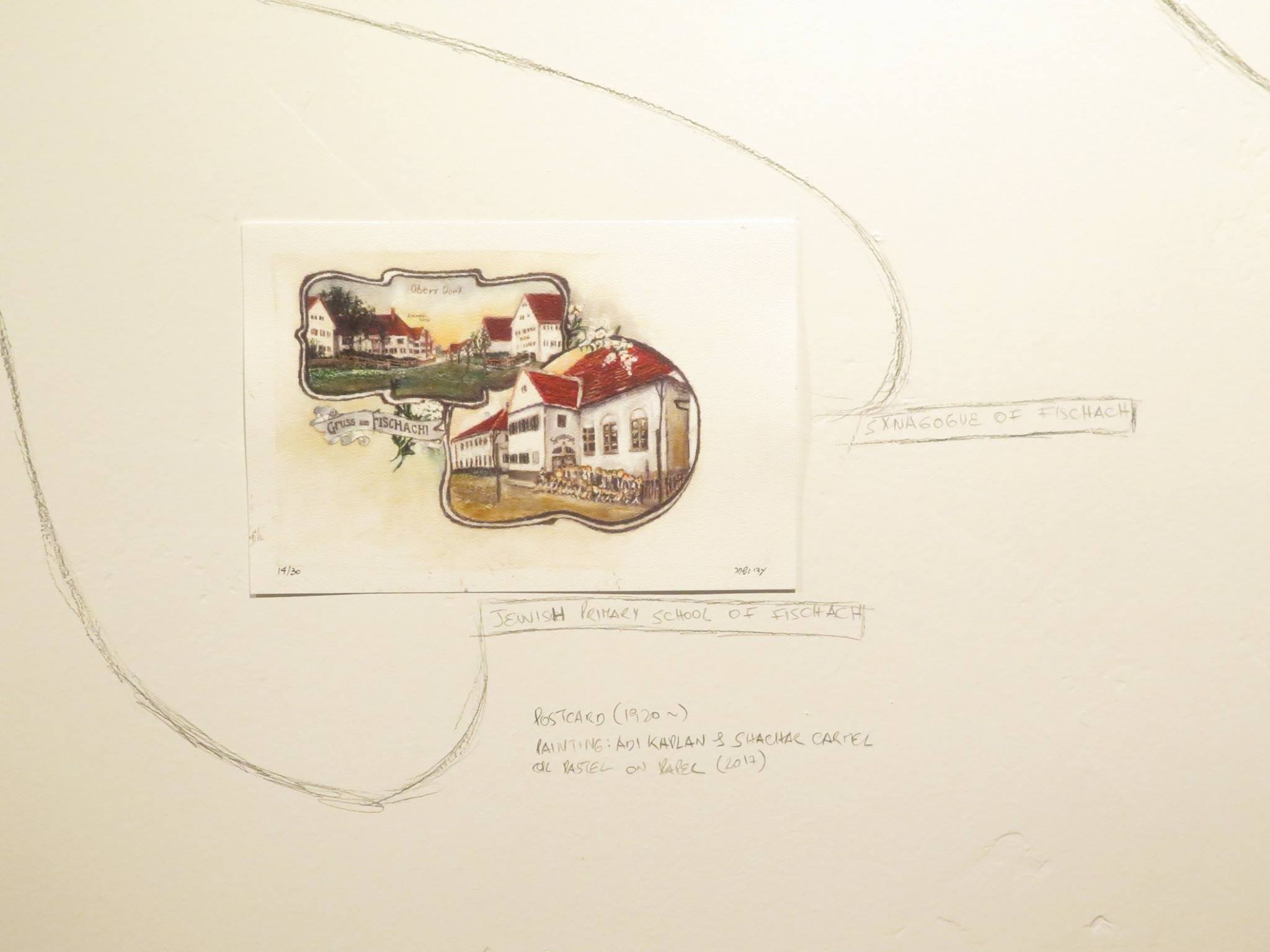
At the same time, back in Jerusalem, the artists Adi Kaplan and Shahar Carmel created replicas of postcards from the town from 1920 (circa), and, in the bowels of the basement of the old leper colony building in Jerusalem, reconstructed one of the most beautiful sukkot in the world. The replica is a perfect copy of the original, but for a few deliberate differences between it and the original—some substantive and some symbolic.
As a consequence of the replication process, the paintings on the walls of the sukkah subtly transformed: the image of Jerusalem on one of the walls, which in the original was an object of yearning, became a kind of proprietary statement; the scenes of the pastoral German village on the three other walls, which used to provided a kind of visual record of the original landscape, became a wistful memorial of a community and a time that no longer exist. Other changes that were made to the replica effectively rendered it a new original: while the sukkah at the Museum is an ethnographic object that can be viewed but not entered, its replica, as created by contemporary artists, is an artwork into which entry is not only allowed, but encouraged, and can even serve as a bona fide sukkah.
The paintings themselves have also undergone small but significant changes: in them, the walls of the synagogue feature graffiti inscriptions that attest to its transformation into a clinic, and the house of the Deller family (the former owners of the sukkah) now bears the names of the two families who live in it today—one German, the other Turkish.
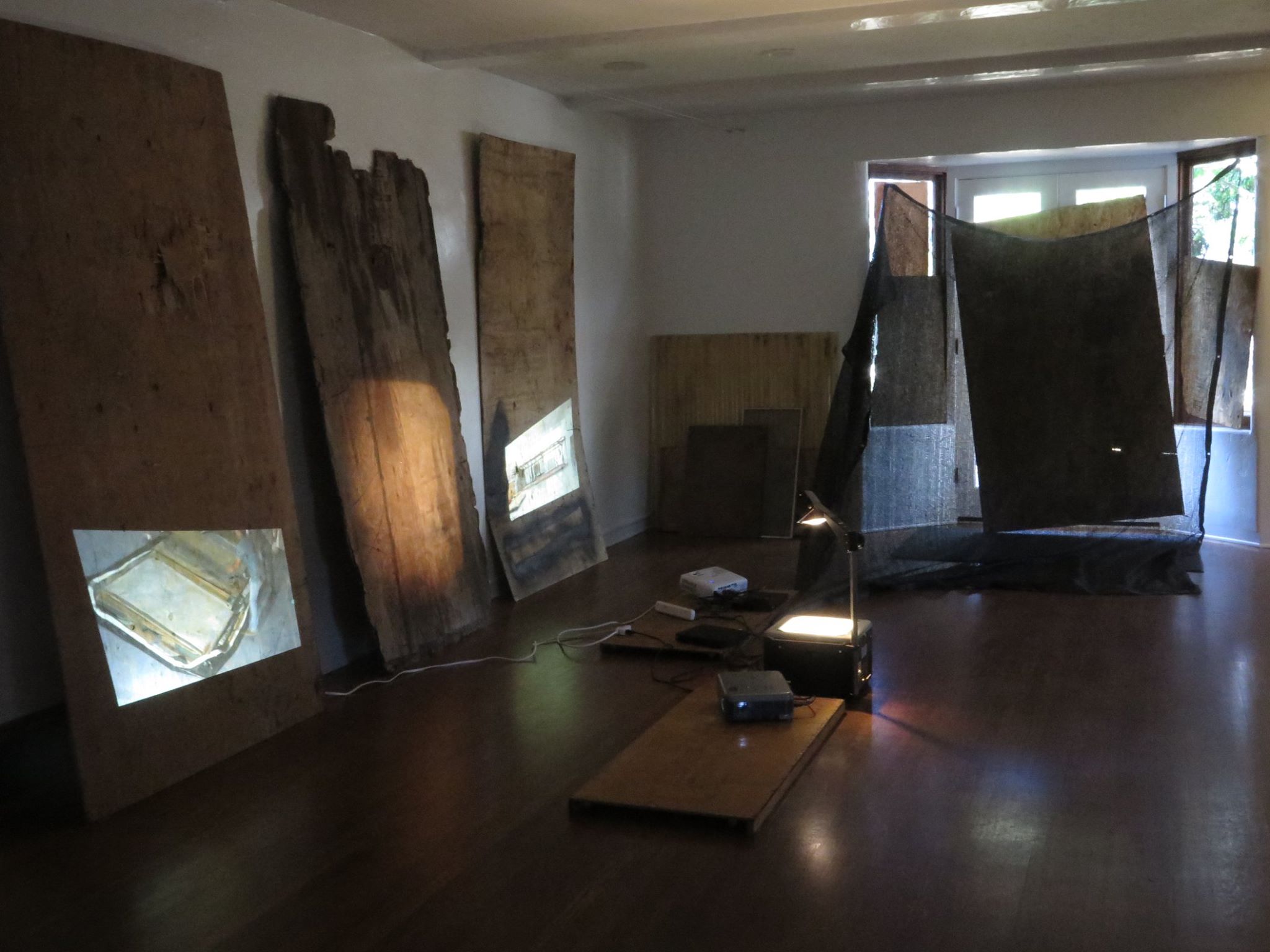
The replica sukkah is on display at the Absent Landscapes exhibition at Hansen House in Jerusalem (the former leper colony/hospital). The exhibition also features a film titled Eternal Sukkah—a past project by the group—which tells the story of how a hybrid Bedouin/Jewish sukkah became an exhibit at the Israel Museum in 2015, heralding the idea of transporting a sukkah from the museum into real life. A complex dialogue takes place between the Bedouin/Jewish “Eternal Sukkah” and the physical, metaphorical, and historical composite that is the “Deller Sukkah” at the Absent Landscapes exhibition. It is a dialogue between a nomadism and ownership; between enforced transience and transience as a religious value; between absentee landscapes and present ones; and between individual artistic endeavors of different historical periods, each of which, in its own way, exemplifies the drama of its time
22291349_1834728289873921_4045180845929945892_o 22256695_1834728366540580_8138188397227178973_o 22289995_1834727743207309_2558647355129866189_o 22291544_1834727956540621_3939739382037295549_o 22338911_1834728209873929_2831594937352342714_o 22339491_1834728296540587_4951143493997396272_o 22384212_1834728049873945_3209888114289457852_o

Hefziba Ita Shuali’s “Re~life”curated by Sala-manca at the Artist’s House Jerusalem


Opening: Saturday, 16 September 2017 Closing: Saturday, 11 November 2017 Gallery talk: Tuesday, 17 October 2017 18:00

7th exhibition in the 20th Nidbach series  Shuali’scurrent exhibition, her first one, is much like her art: a constantly evolving work that changes in the process. The exhibition refers concurrently to the space at the Jerusalem Artists House and to the place in which she lives and works in her everyday. Most ofherworksheretoforewere implemented in public spaces or in those which are not defined explicitly as artistic venues, where she sought to link situations of gallery displaywithperformativeworkin a non-sterile space.   The rhythm of Shuali’s visual works isalwaysperformativeandbreathing. Arriving at a given space, her gaze looks for those spots where the space breaches itself, and it is there that she aims.Shualidraws links between the space and the world outside. She struggles with the constraints of the space, while also struggling to create trust and reciprocity with it; she does not enforceareadymadeworkon the space, nor does she let its walls delimit her work. The same is also true of her approach to artistic practice. Questions regarding her place in the world (and in the field of art) guide the work process, at whose conclusion she lends both the space and her own practice a new life.  The exhibition “Re~life” is an invitation to confront a lab-like situation which metamorphoses throughout its duration of presentation in the Nidbach space.21731197_1811953975484686_4718231826473244047_n 21433071_1811954062151344_5387470859513529933_n 21433244_1811954022151348_8452765765676350505_n

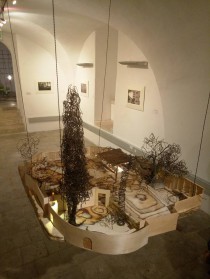
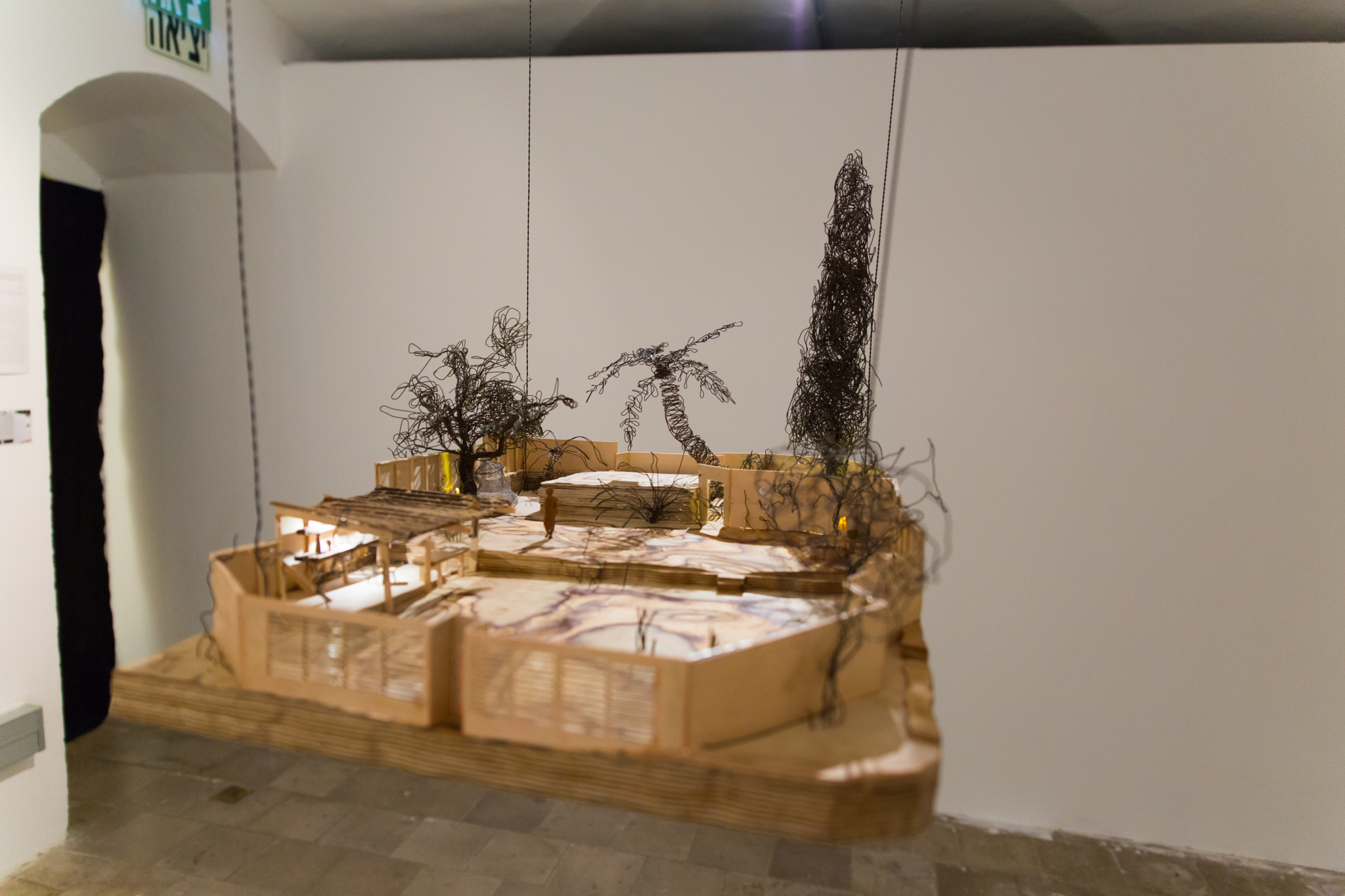
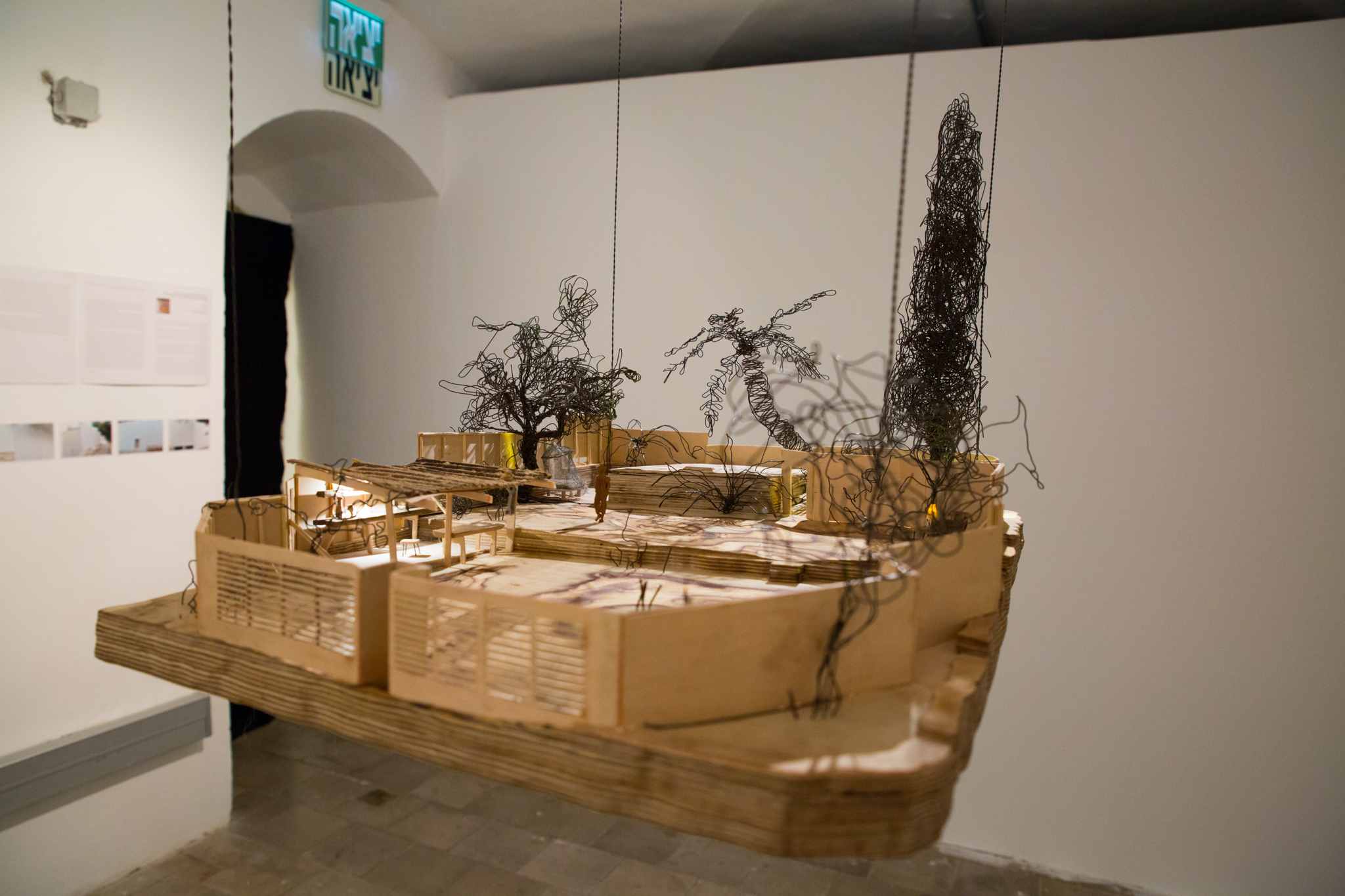
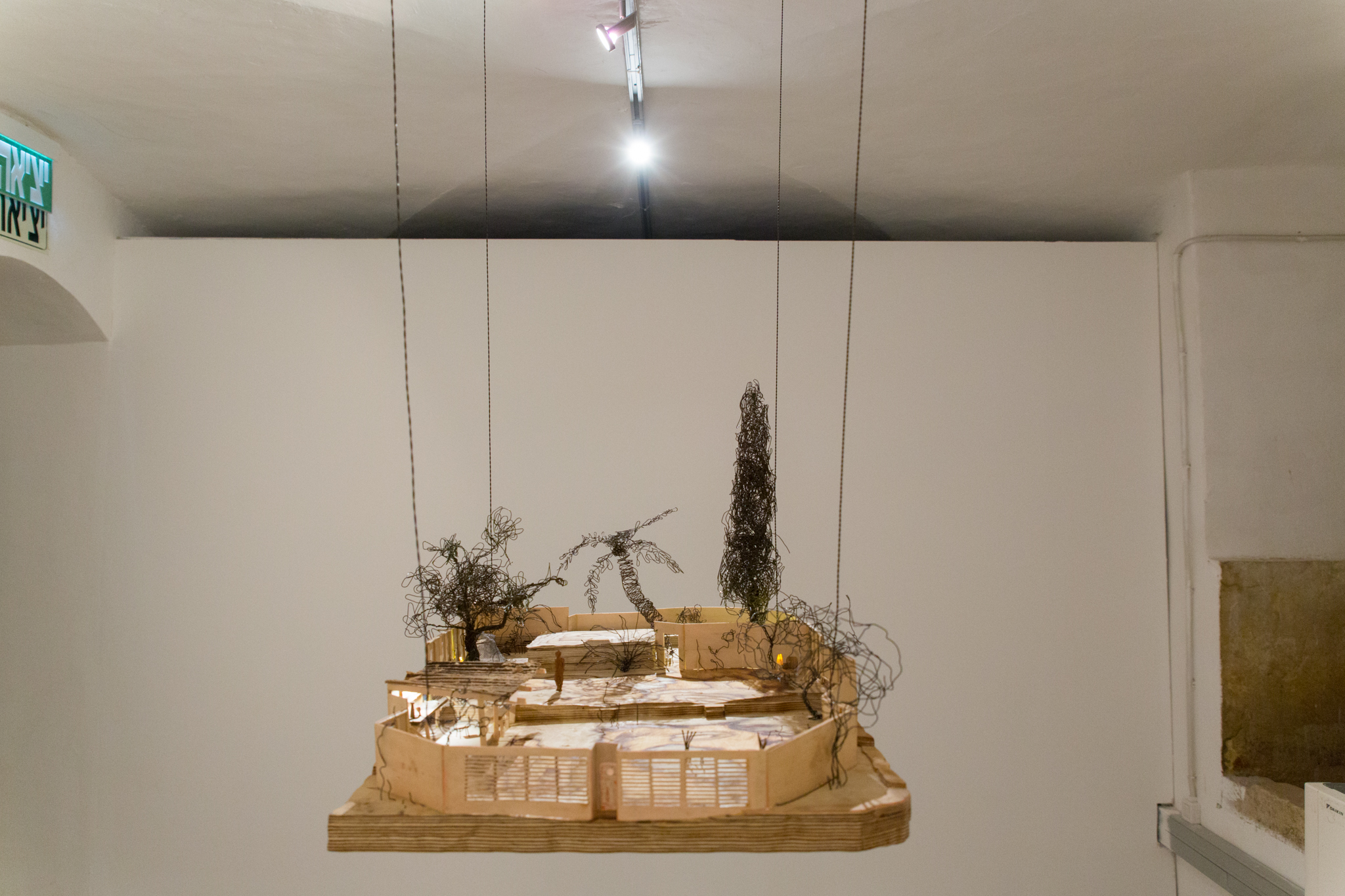
Paradise Inn (The Model) by Itamar Mendes-Flohr and Sala-manca

On Paradise Inn Hotel (model)

curated by Yaakov Israel, in the frame of “Autarkic Economy”, Hansen House, September-October 2017

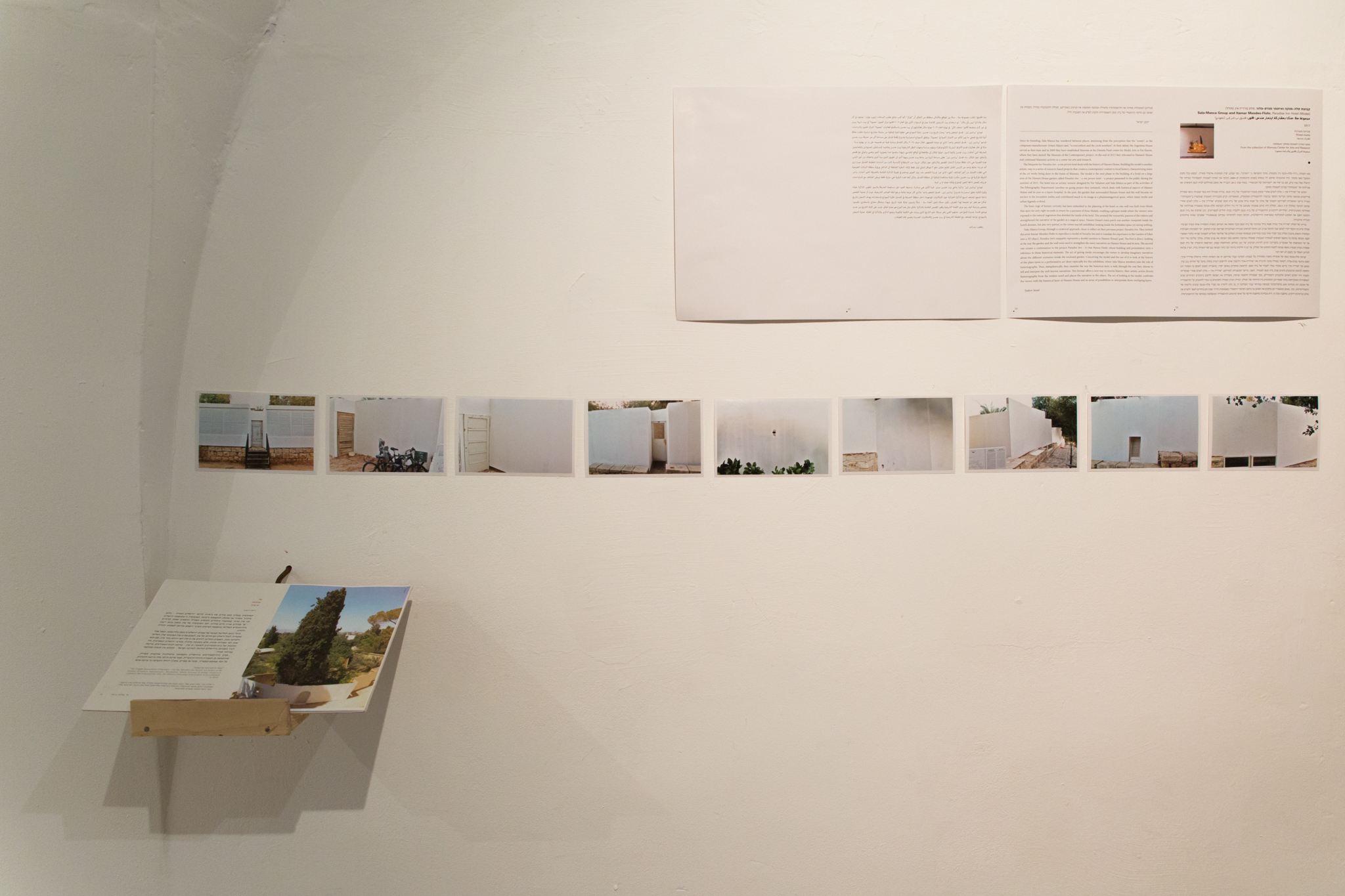
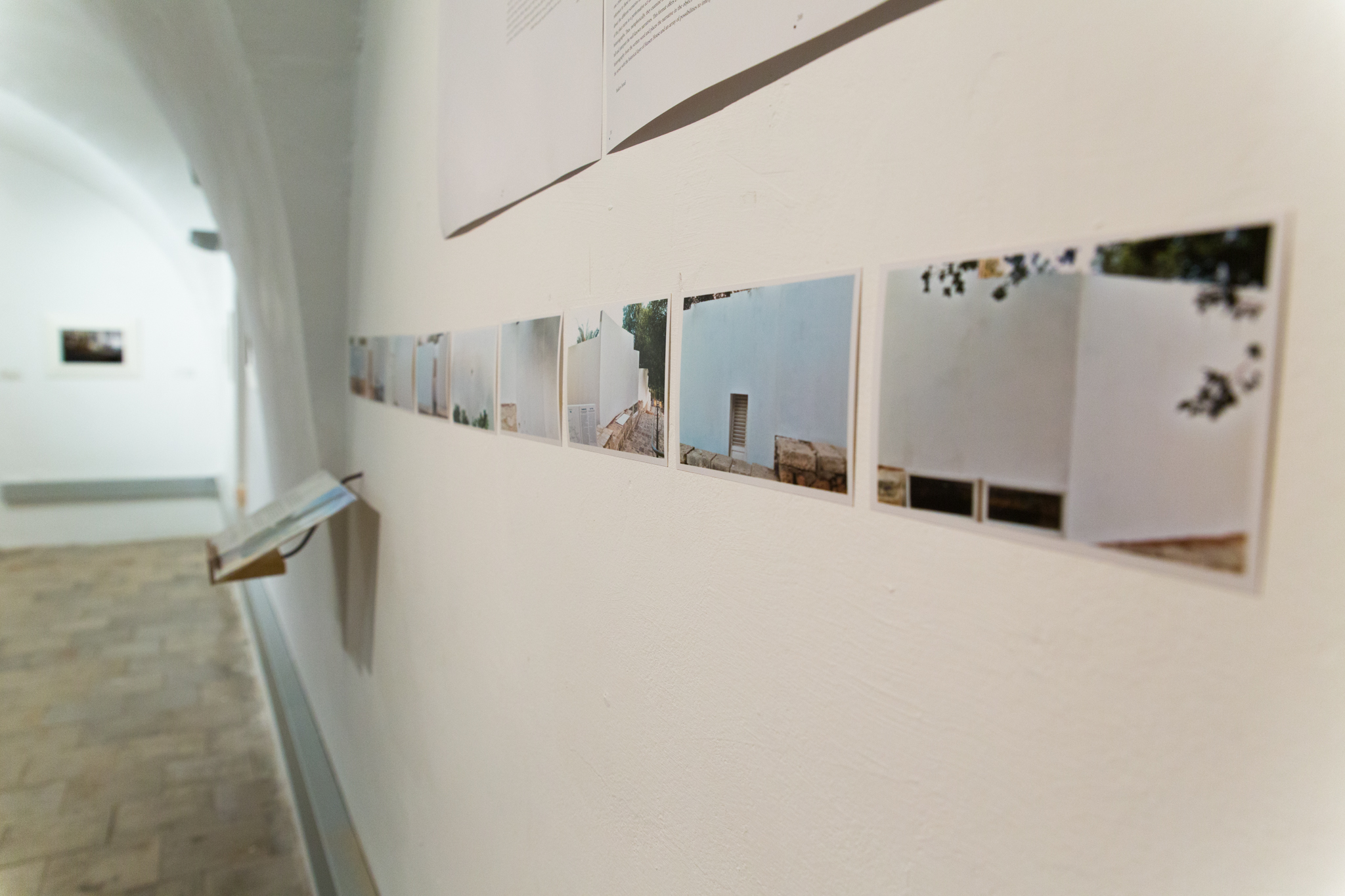
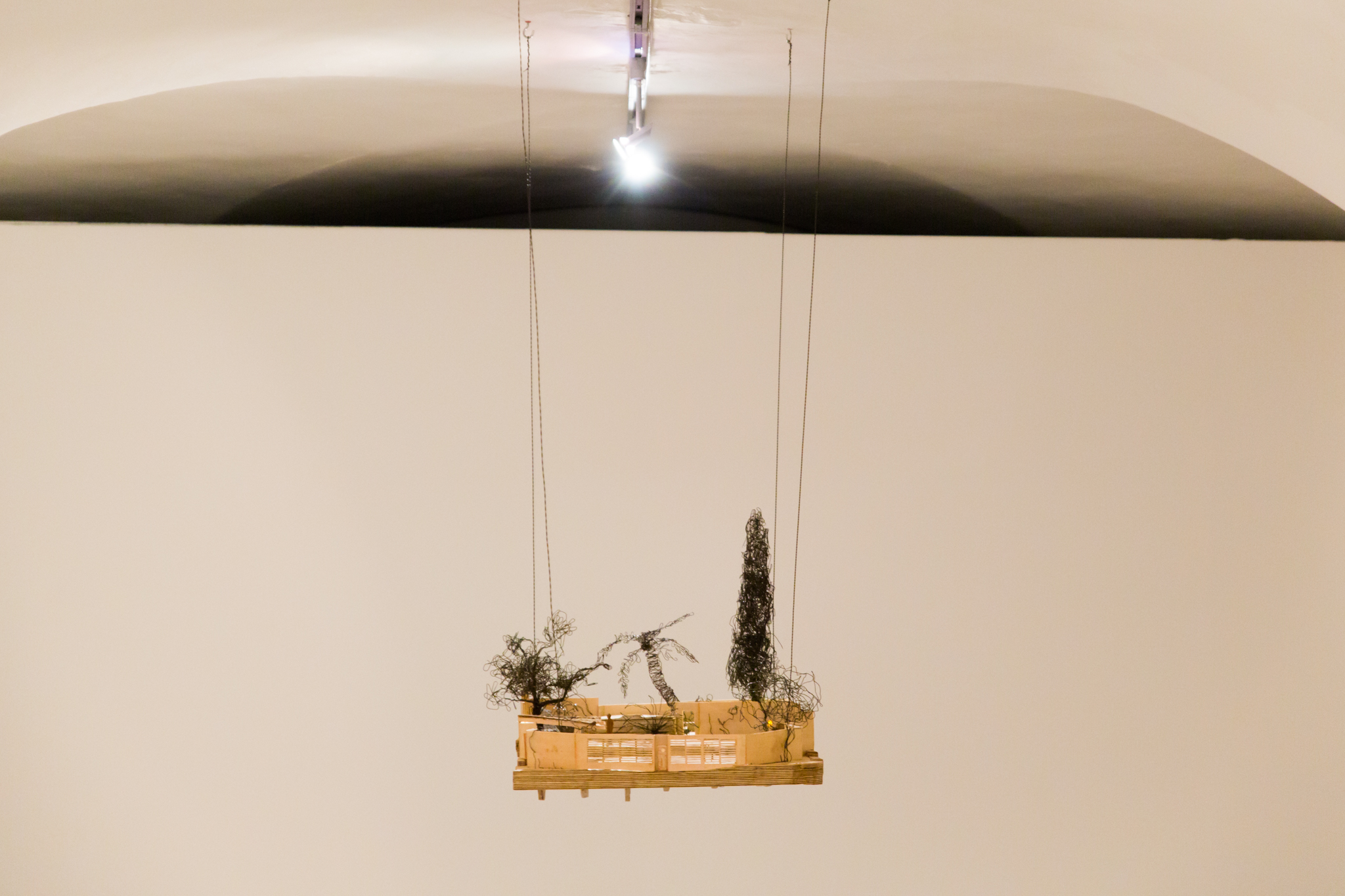
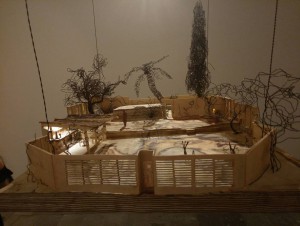
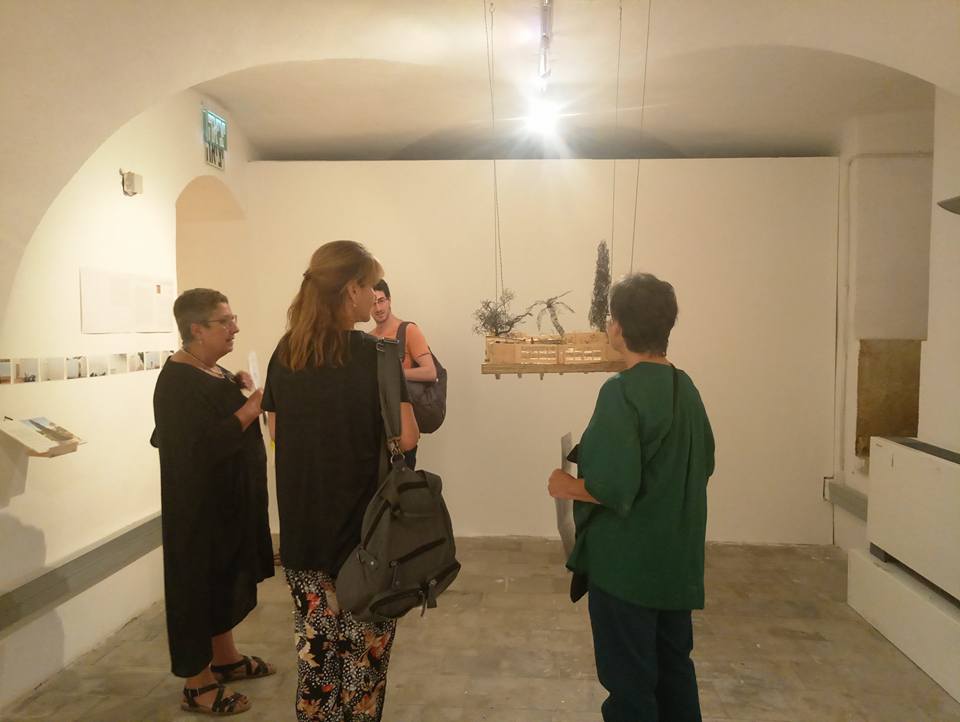
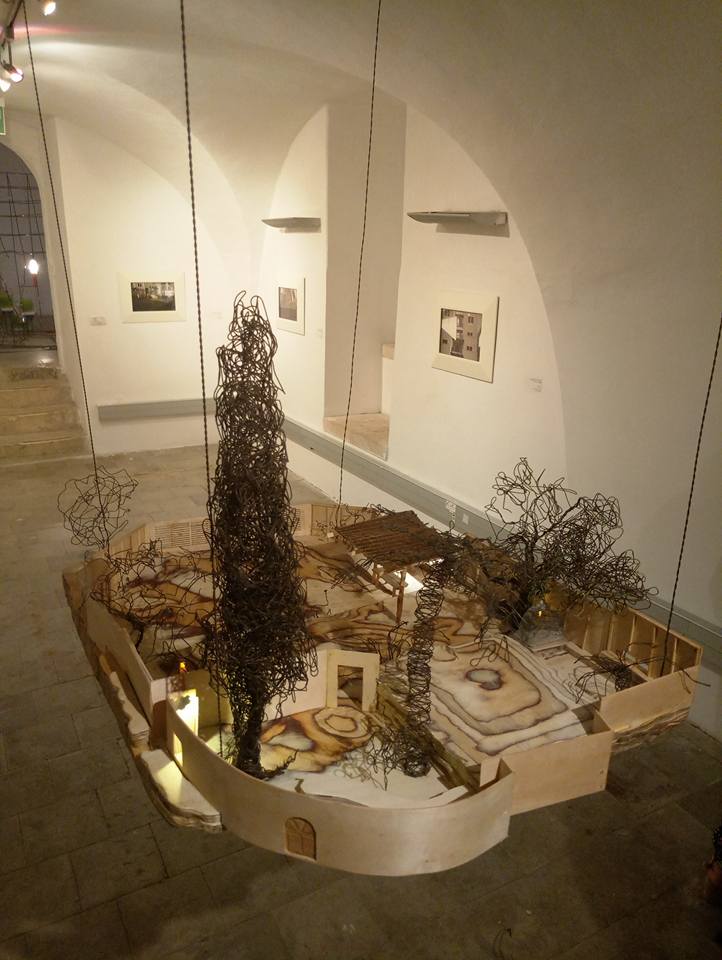
Since its founding, Sala-Manca has wandered between places, stemming from the perception that the “center”, as the compasses manufacturer Arturo Maura said, “is everywhere and the circle nowhere”. At their debut, the Argentina House served as their base and in 2009 they have established Mamuta at the Daniela Pasal center for Media Arts in Ein Karem, where they have started The Museum of the Contemporary project. At the end of 2013 they relocated to Hansen’s House and continued Mamuta’s activity as a center for arts and research. The Maquette for Paradise Inn – a one person hotel deals with the history of Hansen House. Building the model is another artistic step in a series of research-based projects that creates a contemporary context to local history, characterizing many of the art works being done in the frame of Mamuta. The model is the next phase to the building of a hotel on a large area of the Hansen House garden called Paradise Inn – a one person hotel – a project presented to the public during the summer of 2015. The hotel was an artistic venture designed by Nir Yahalom and Sala-Manca as part of the activities of The Ethnographic Department (another on-going project they initiated), which deals with historical aspects of Hansen House and its past as a lepers hospital. In the past, the garden that surrounded Hansen house and the wall became an enclave in the Jerusalem reality, and contributed much to its image as a phantasmagorical space, where many myths and urban legends evolved. The basic urge of human curiosity has been embedded in the planning of the hotel, so one wall was built from blinds that open for only eight seconds in return for a payment of three Shekels, enabling a glimpse inside where the viewers were exposed to the natural vegetation that shielded the inside of the hotel. This aroused the voyeuristic passion of the visitors and strengthened the narrative of the garden as a magical space. Hansen House’s main porch was another viewpoint inside the hotel’s domain, but also very partial, so the viewer was left unfulfilled, looking inside the forbidden space yet seeing nothing. Sala-Manca Group, through a curatorial approach, chose to reflect on their previous project Paradise Inn. They invited the artist Itamar Mendes-Flohr to reproduce a model of Paradise Inn and to translate his experience in the Garden of Eden into a 3D object. Paradise Inn’s maquette represents a double mention to Hansen House’s past. The first is direct, looking at the way the garden and the wall were used to strengthen the many narratives on Hansen House and its area. The second one creates a continuation to the project Paradise Inn – A One Person Hotel, whose building and presentation were a reference to these historical elements. The act of gazing inside encourages the viewer to develop imaginary narratives about the different scenarios inside the enclosed garden. Conceiving the model and the use of it to look at the history of the place turns to a performative act done especially for this exhibition, where Sala-Manca members take the role of historiographs. Thus, metaphorically, they examine the way the historical story is told, through the way they choose to tell and interpret the well-known narratives. This format offers a new way to rewrite history: their artistic action diverts historiography from the written word and places the narrative in the object. The act of looking at the model, confronts the viewer with the historical layer of Hansen House and an array of possibilities to interpretate these overlaping layers.

Yaakov Israel

Link to the Paradise-Inn project: http://old.sala-manca.net/?p=973 and review: http://old.sala-manca.net/?p=995

Pics by Yaakov Israel


untitled (77 of 108) untitled (78 of 108) untitled (79 of 108) untitled (81 of 108) untitled (82 of 108) untitled (89 of 108)


Pics by Sala-manca:

21432729_1803455666334517_8449392277387164540_n 21314788_1803455399667877_4945460019891797445_n 21462604_1803455369667880_7358886929959993310_n

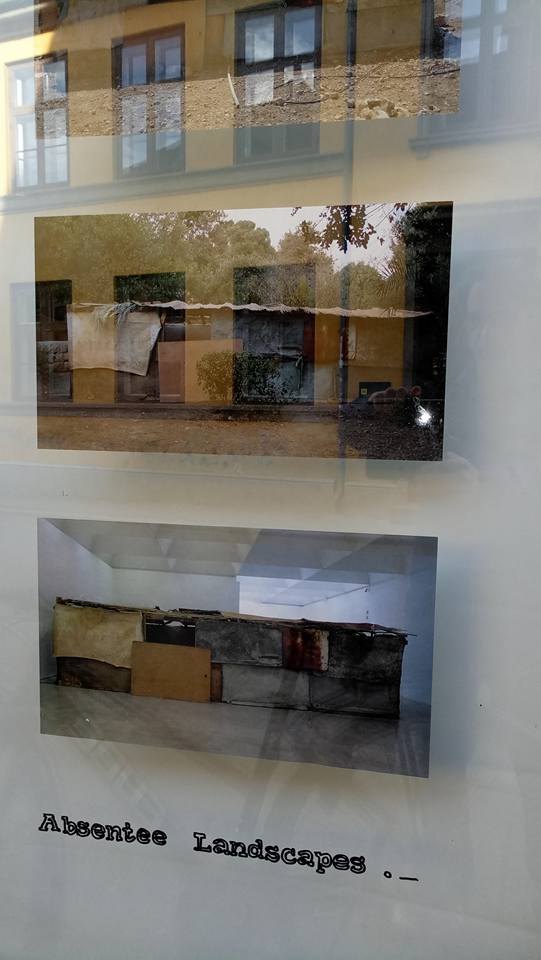
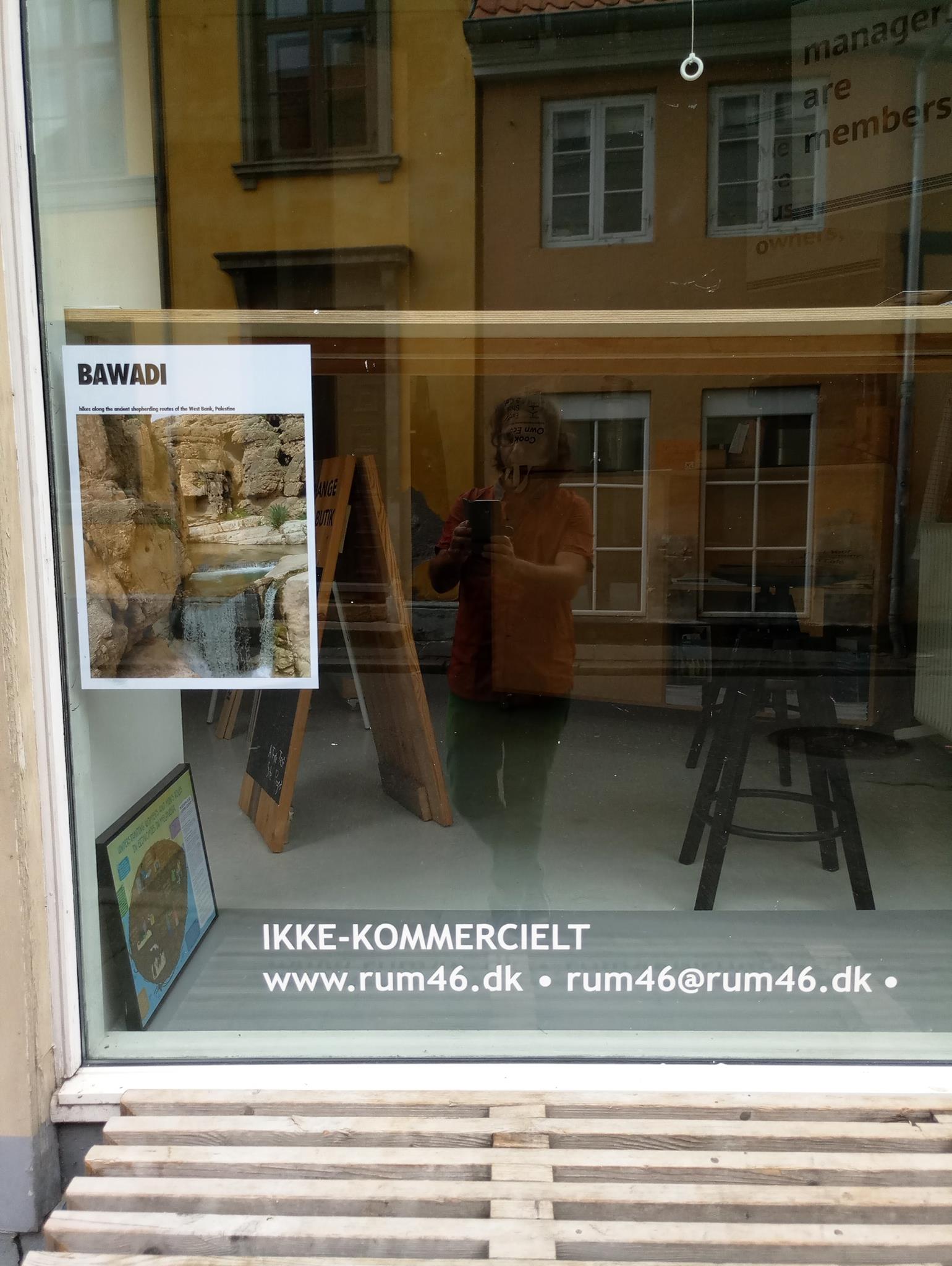
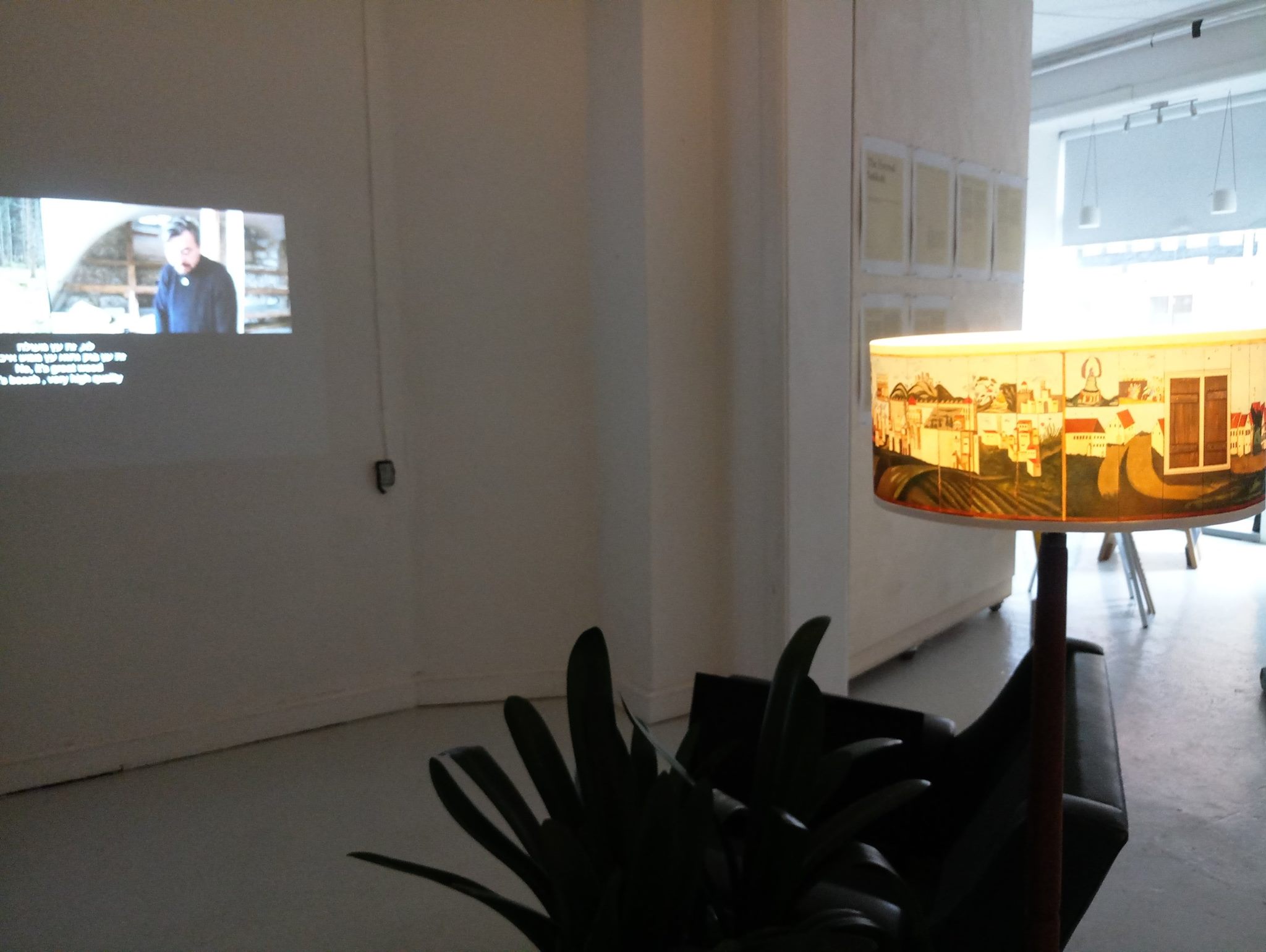
Absentees Landscapes and the Eternal Sukkah at Rum 46, Aarhus

Absentees Landscapes & Eternal Sukkah Documents

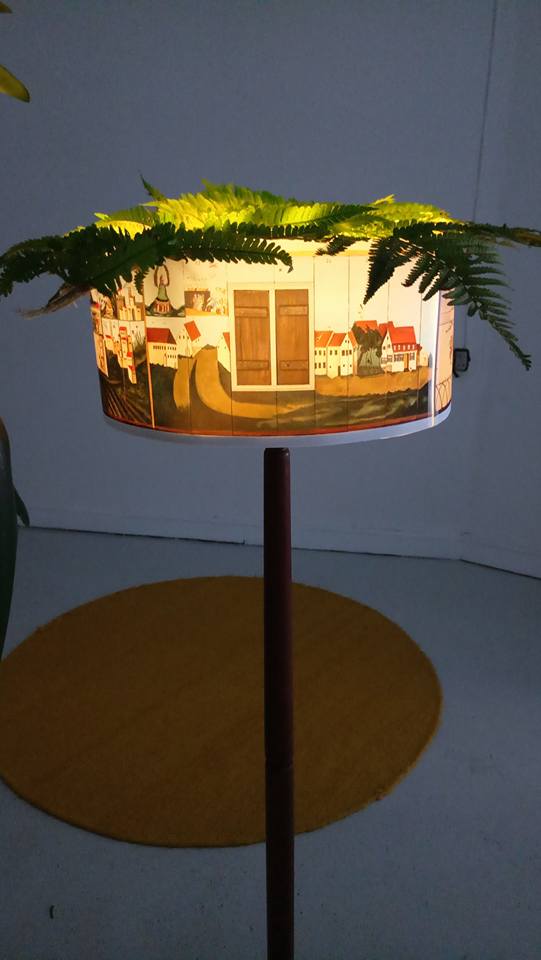
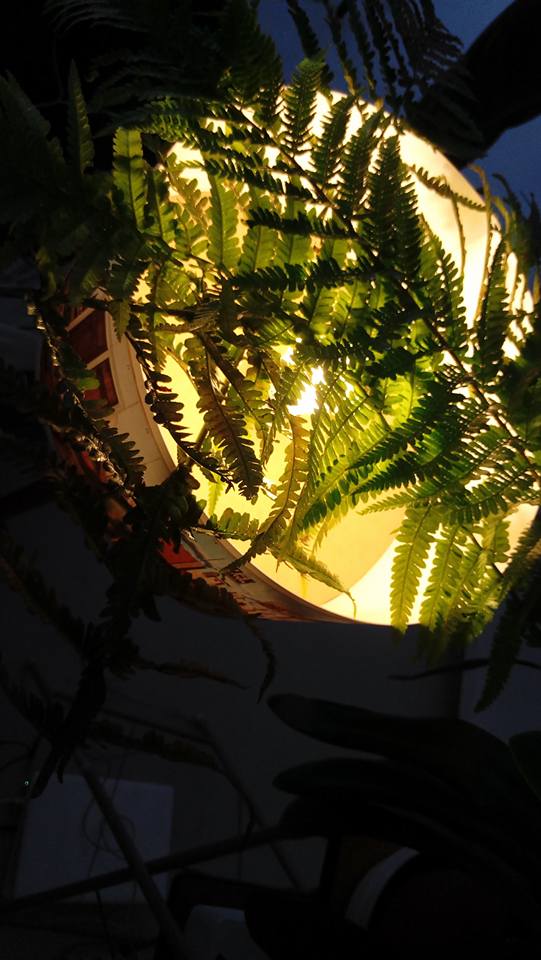
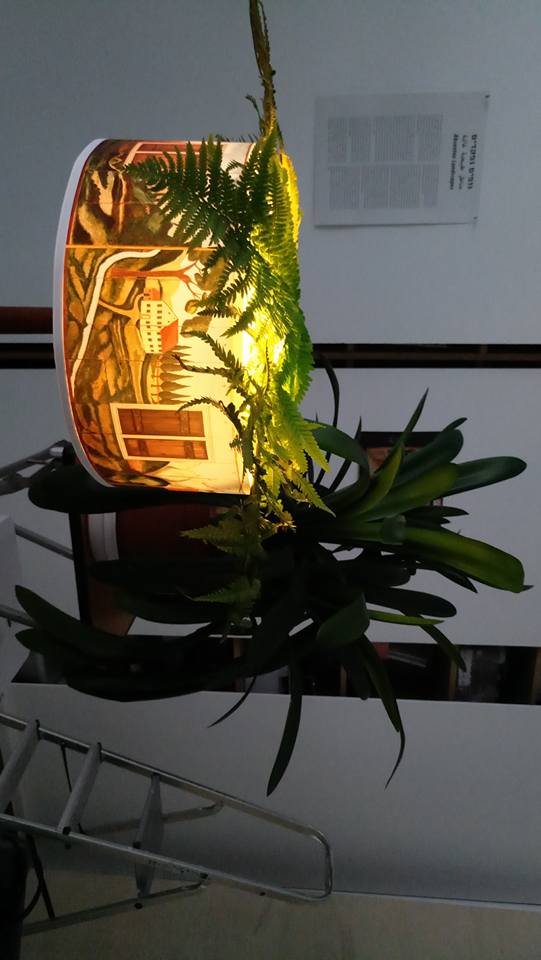
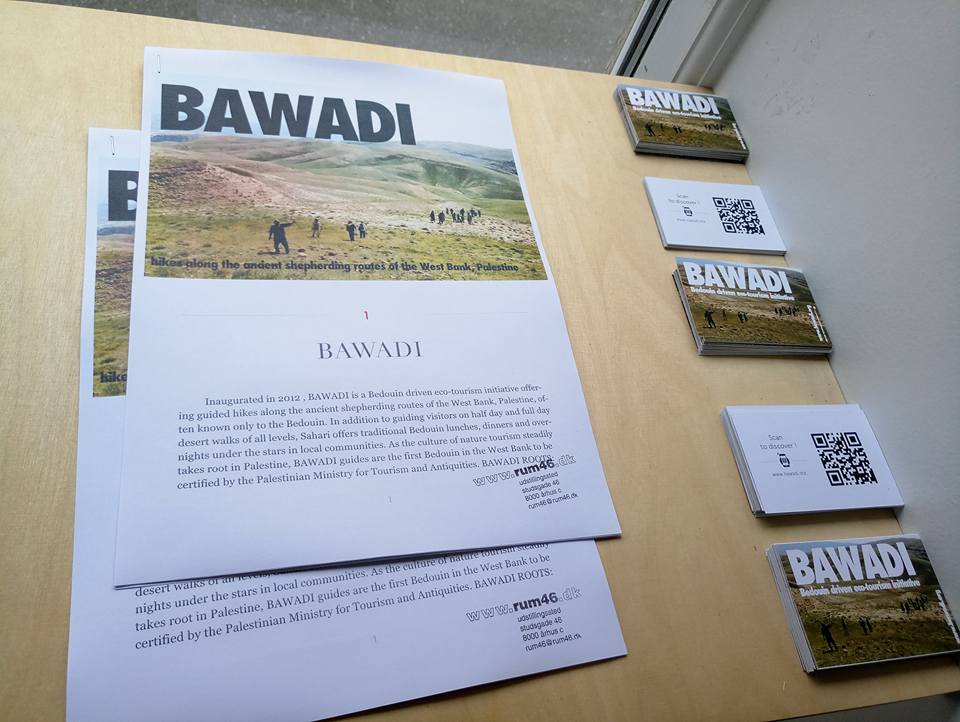
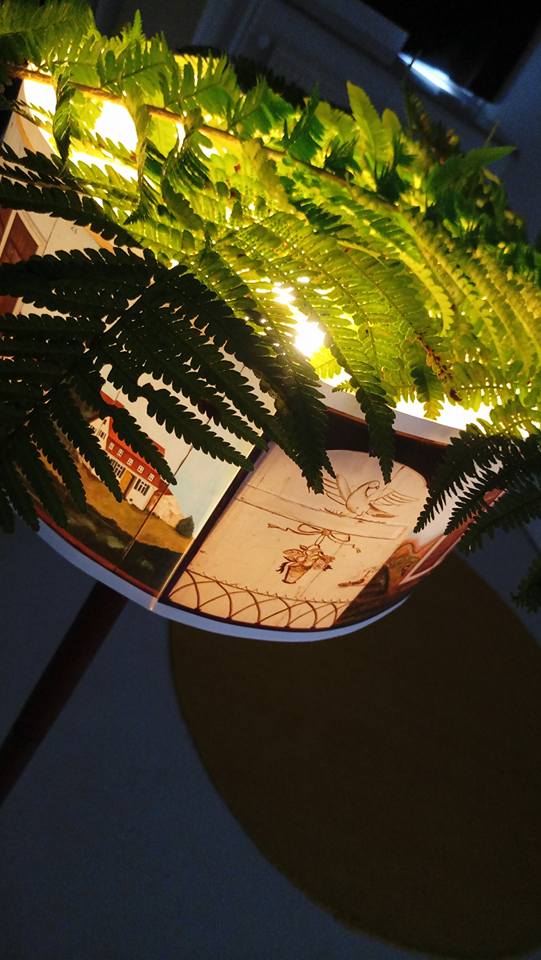
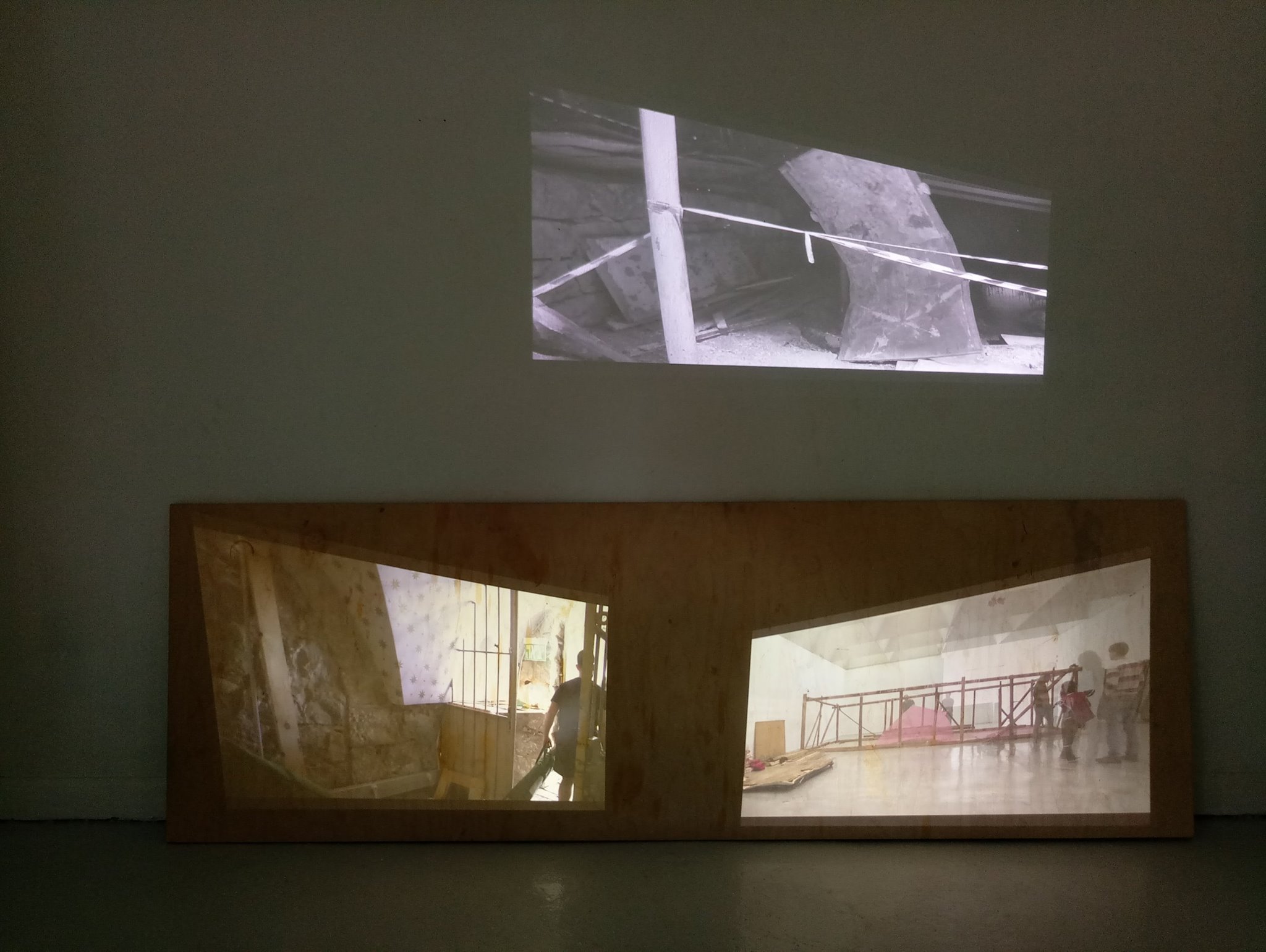
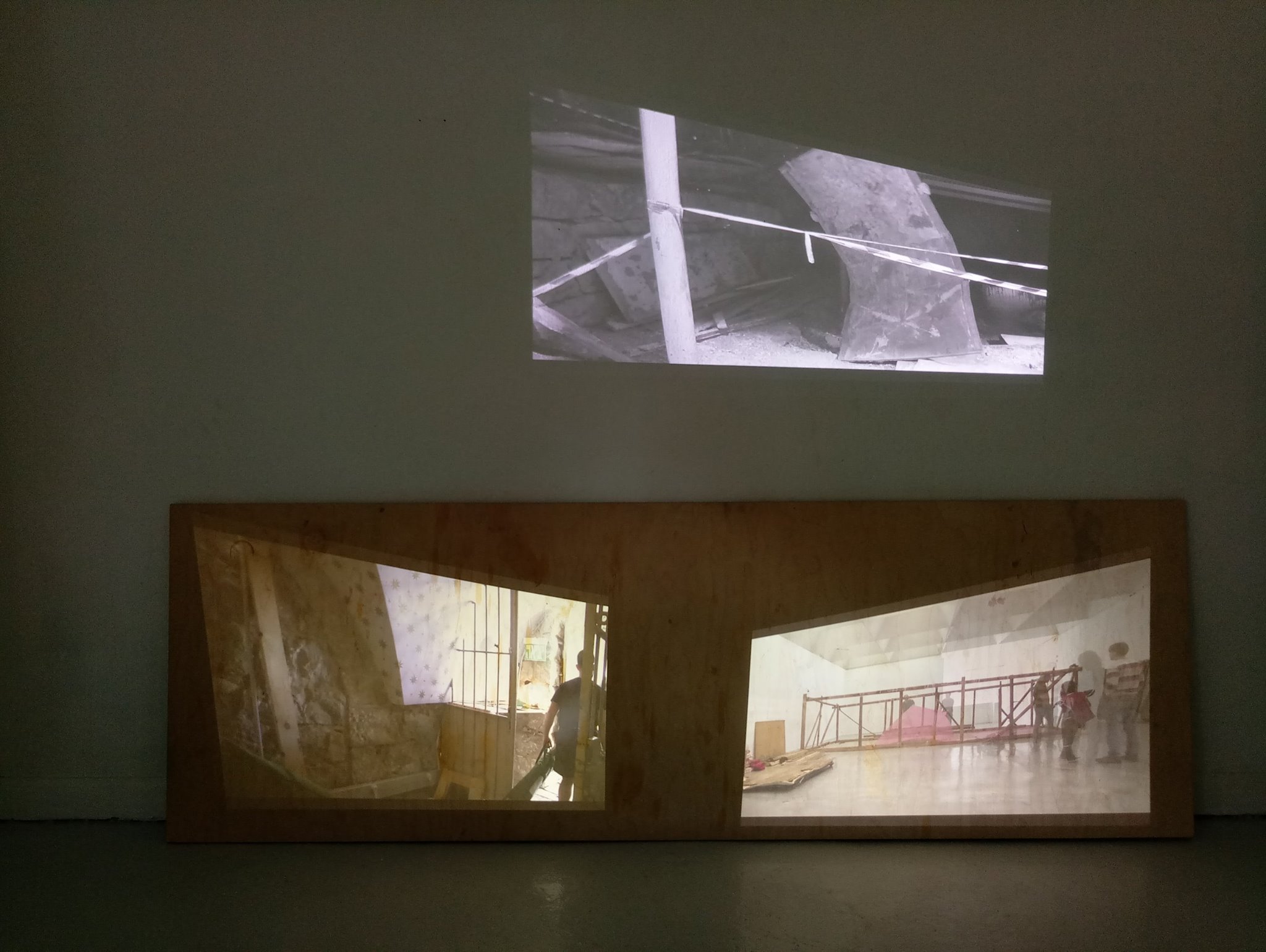
in the frame of “Room for Improved Futures” curated by Agnieszka Wołodźko and Grete Aagaard. Presentation of video materials, prints, documents and a “Sukkah Lamp”.

for more info on the projects:

Absentee Landscapes | A project by Sala-Manca in collaboration with Nir Yahalom, Ktura Manor, Adi Kaplan and Shachar Carmel

http://old.sala-manca.net/?cat=274

21231972_1801160833230667_4924133511495449912_n 21317533_1801160879897329_2773161808581326035_n 21314695_1801160903230660_698816185124207973_n 21314529_1801160943230656_8802809683941841104_n 21369289_1801160779897339_5486621519545010053_n 21314375_1801160809897336_7402250449133945459_n 21248512_1800266003320150_2403072606789758799_o 21248512_1800266003320150_2403072606789758799_o-1 21316158_1800266169986800_7586217883965827360_o 21272784_1800265986653485_5182947386362669200_o

On the architecture of the ephemeral: The Eternal Sukkah of the Jahalin tribe, by Diego Rotman

Leading up to the 2014 festival of Sukkot, the Sala-Manca Artists’ Group, directors of the Mamuta Art and Media Centre at Hansen House, decided to create a public sukkah on the Hansen grounds as a temporary dwelling for its activities during the holiday. Rather than constructing an extravagant or innovatively designed sukkah, Sala-Manca, together with Itamar Mendes-Flohr and Yeshayahu Rabinowitz, chose to delve into the sukkah’s charged meaning in the Israeli context and to highlight the temporary nature of the structure and its associations with exile, thus evoking connotations related not only to Jewish history but also to the current Israeli context and proposing a contemporary reading of the sukkah, both as a concrete object and as a symbol. A structure from the Jahalin Bedouin community, refugees from the Negev (Israel) on the Jerusalem-Jericho Road, is therefore purchased, dismantled, and reassembled on the grounds of the Hansen House. This article discusses The Eternal Sukkah project in its historic, political, and cultural context, and in the context of the history of Israeli art. I deal with the relations between the Jewish festival of Sukkot, Bedouin architecture, and Israeli ethno-politics, as expressed in this project in which I was also involved as artist.

[to the article]

A Home Unfound: The Political Modeling of the Domestic Performance, by Daphna Ben-Shaul

his essay engages with domestic performances—that is, works performed in private homes—to explore the notion of domesticity within a political context, specifically in Israel. As a form of site-specific performance, domestic performance usually shifts among different modes of realization, which may include situating performance in a hosting house (whether authorized or unauthorized); pointing to biographical, historical, cultural, and political analogies between the house as “host” and the situation as “ghost”; or actively creating a home space.1 Site-specific performance made its appearance on the Israeli art scene in the late 1960s, but it is only since the early 2000s that it has become a widespread phenomenon,2 with domestic site-specific works becoming prevalent in the second decade of the 2000s.3 Such works were prominent, for instance, in the In-Home Festival in Jerusalem, which has taken place annually since 2011,4 while domestic performances have also been created as independent ventures  by Israeli theatres and ensembles, as well as being presented at festivals like the Site-Dependent Festival in Tel Aviv (2010-14). The form’s unique actual and potential aesthetic features, deeply related to the complex psychological, social, and political significance connected with the notion of a home, require much further exploration. Within the Israeli context I analyze The Peacock of Silwan by Alma Ganihar and directed by Chen Alon and Sinai Peter; The Apartment, an adaptation of Franz Xaver Kroetz’s Request Concert staged by Michael Ronen; and Eternal Sukkah by the Sala-Manca Group to examine performance that engages with domestic locations as found space.5 Unlike scenographic representations of a fictive dramatic home onstage, suited to the architectural space in conventional theatres, domestic space is a kind of ready-made found object (objet trouvé); it can be called a deliberately found space, not one that was “found” accidentally; it can involve a creative transformation, whose traits and their belonging to the domestic space take an active part in modeling the domestic environment and a new frame of reference. Yet, beyond being a venue of site-specific performance, this concept serves me essentially by way of negation: while the site of the domestic performance is a found space, it also manifests a lack of domesticity and is often presented as a home unfound.

[to the article]

Interview with Carmela Taicman [Hebrew]

16 שנים אחרי שעוררו  את עולם האמנות  הירושלמי עם סדרת אירועי “הערה”  פגשתי לשיחה  את חברי קבוצת סלה-מנקה  בבית הנסן, היום מרכז עיצוב, מדיה וטכנולוגיה. המבנה המקורי,  שתוכנן על ידי האדריכל קונרד שיק, שימש בית חולים למצורעים מאז 1887 עד שנת2000.

Link to the interview

Grupo Sala-Manca presenta Paisajes Ausentes, por Chiquita Levov (Review)

En el “Hansen House” se expone el proyecto titulado “Paisajes Ausentes” (Absentee Landscapes) del Grupo Sala-Manca junto a Nir Yahalom, Ktura Manor y Max Epstein quienes en el invierno de 2017 comenzaron a construir una réplica autorizada de una “Sucá” de madera pintada en Alemania en 1850, la cual se expone en el colección permanente del Museo de Israel como “La Sukka Deller”, nombre de la familia que la creó. Los artistas fotografiaron el original, estudiaron el tema y viajaron a Fischach en Baviera, donde el original había sido construido y salvado de los nazis. Durante la visita lograron reunir otros datos históricos y actuales y de acuerdo a ello crearon una réplica más completa que la original del museo. La que está en exhibición en la exposición en el Hansen House, donde se puede ver un documental.

Sala-Manca es un grupo independiente fundado en el 2000 por dos artistas de origen argentino Lea Mauas y Diego Rotman que realizan gran variedad de creaciones usando nuevos medios de comunicación. Sus ingeniosas obras se centran en el proceso de traducción de actividades culturales y sociales a un contexto visual y textual, enfatizando el compromiso constante con temas políticos y sociales.
En 2009 el Grupo fundó el Centro Mamuta de Arte y Medios de Comunicación. Lea y Diego nos cuentan que este proyecto surgió como una necesidad de intercambio con el Museo Israel en el que se expone la “Suka Lanetzach” (Cabaña para la eternidad) creada en el 2014 por Sala-Manca, la restauración de una estructura que servía de hogar a una familia beduina convertida en una cabaña representante del tema de escasez de vivienda y que sirve para un diálogo político. Logró un gran significado a nivel artístico social y fue adquirida por el Museo Israel donde aún se exhibe.■

Link: http://aurora-israel.co.il/grupo-sala-manca-presenta-paisajes-ausentes/


COMMENTS ВЫСТАВКА «ABSENTEE LANDSCAPE» — «Отсутствующие пейзажи», Наталья Копелянская

[to the article click]

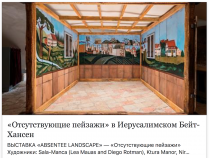
ВЫСТАВКА «ABSENTEE LANDSCAPE» — «Отсутствующие пейзажи»

Художники:  Sala-Manca (Lea Mauas and Diego Rotman), Ktura Manor, Nir Yahalom, Adi Kaplan and Shahar Carmel

Текст: Наталья Копелянская

Новый проект кураторской группы Леи Мауас и Диего Ротмана (Sala-Manca Group) посвящен созданию несанкционированной (подчеркивается кураторами) реплики сукки  Деллера.  Сукка — важный образ для Sala-Manca Group, первая еврейско-бедуинская  Вечная сукка (2014), созданная ими  в сотрудничестве с Итамаром Мендес-Флором и Иешиягу Рабиновичем, сегодня находится в коллекции музея Израиля.

Новый проект посвящен темам и вопросам пространственных метафор, метагеографии, проблеме вынужденного переселения и его сочетания с  кочевьем как религией, собственности и идентичности,  воображаемому и реальному пейзажу.

В 2017 году кураторы Sala-Manca в сотрудничестве с художниками Ниром Яхаломом и Ктурой Манор запустили проект по исследованию и несанкционированное воспроизведению  сукки Деллера, что повлекло за собой  всестороннее исследование ее истории, поездку по городу Фишах и целую серию работ по адаптации материала.

Нафтали и Цили Деллер — немецкие евреи из города Фишах в Баварии —  заказали местному художнику украсить стены их большой деревянной сукки. Так художник изобразил  Иерусалим с центром в виде Стены плача, сделав копию с литографии  Йозефа Шварца (1804-65) — еврейского ученого, географа и художником, уехавшего в Иерусалим в 1833 году. На других стенах сукки художник нарисовал условные городские пейзажи Фишаха, вписав в них  важных персон, например, Цили Деллер и покровителя города. Так был создано идиллическое воображаемое пространство и пейзаж, где по одной стене шли  немецкие пасторальные виды, а по другой —  Святая Земля с центром в  Иерусалиме.

Зафиксировано, что сын этой четы  — Абрахам Деллер — и его жена Софи каждый год устанавливали семейную реликвию во дворе собственного дома в Германии, вплоть до прихода нацистов к власти. В 1930-е года семья бежала, а в 1937-м году Берта Браха Френкель-Артной всеми правдами и неправдами вывезла сукку в Палестину. Так она попала в коллекцию музея Бецалель и потом в собрание Музея Израиля. Сегодня ее можно увидеть в постоянной экспозиции музея.

Зачем надо было воспроизводить сукку еще раз, если оригинал и так хранится в Иерусалиме?  По замыслу кураторов и художников воспроизведение сукки в том же реальном городе, который был изображен на ее стенах как воображаемый идиллический пейзаж,  трансформирует все историю Фишаха,  меняет ракурс: от изображения простой местной пасторали к жизни, которой больше не существует, к  тоске  местной диаспоры по Иерусалиму и чувству сопричастности и собственности.

В новой версии сукки художники не только изменили концепцию и отношение к изображенному пейзажу, но также размер и материалы.  Она сделана не из тяжелого дерева, а их искусственного материал ламината,  ее размеры «подогнаны»  под выставочное пространство.

Помимо реплики, на выставке представлена проектная документация — фильм о поездке кураторов в город Фишах,  и серия работ Ади Каплана и Шахар Кармель: модель расписной сукки, серия масляных и пастельных картин, а также репродукции открыток того периода и литографии Йозефа Шварца.

The Ethnographic Department of the Museum of the Contemporary [Hebrew]| Edited by Sala-manca (Lea Mauas, Diego Rotman) |

The Ethnographic Department of the Museum of the Contemporary [Hebrew]| Edited by Sala-manca (Lea Mauas, Diego Rotman) |

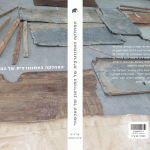
Book Hebrew [English coming soon]

Texts by: Galit Hasan-Rokem, Daphna Ben-Shaul, Rachel Elior, Shalom Sabar, Freddie Rokem, Sala-manca, Diego Rotman

Works by: Adi Kaplan and Shachar Carmel, Yeshaiahu Rabinowitz, Itamar Mendes-Flohr, Ktura Manor, Pessi Komar, Chen Cohen, Hannan Abu Hussein, Reuven Zahavi, Sala-manca, Nir Yahalom and more

“Visiting the house of the Oxer family in Buenos Aires, a middle-class Jewish family, I was amazed to discover in their living room the Mona Lisa” by Leonardo. That was my first visit to the Museum of the Contemporary” (Joao Delgado)

We are glad to announce that the Hebrew version of the Ethnographic Department of the Museum of the Contemporary is already printed! Soon the English version.

“En una visita a la casa de los Oxer en Buenos Aires, una familia Judía de clase media, me soprendi al encontrar en el salon comedor a la Mona Lisa de Leonardo. Aquella fue mi primer visita al Museo de lo Contemporáneo”. (Joao Delgado)
Pronto en las librerías de su barrio!

Absentee Landscapes | A project by Sala-Manca in collaboration with Nir Yahalom, Ktura Manor, Adi Kaplan and Shachar Carmel

Finals

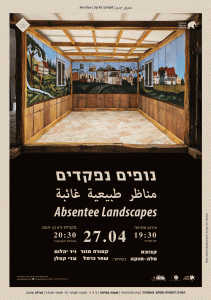
In the winter of 2017, a group of artists (the SalaManca Group, Nir Yahalom, Ktura Manor and Max Epstein) began building an unauthorized but accurate replica of a painted wooden sukkah from Germany (dating to 1850), which is on display in the permanent collection of the Israel Museum and is known as The Deller Sukkah.
The artists photographed the original sukkah at the museum, read articles about it, and even traveled to Fischach—a small town in Bavaria—where the original sukkah had been built and subsequently, with the outbreak of World War II, smuggled to Palestine to save it from the Nazis. At Fischach, some of the artists met with the local mayor, visited the graves of the Deller family members (owners of the original sukkah), toured the local synagogue (which now serves as a dental clinic), and documented at all on video.
At the same time, back in Jerusalem, the artists Adi Kaplan and Shahar Carmel created replicas of postcards from the town from 1920 (circa), and, in the bowels of the basement of the old leper colony building in Jerusalem, reconstructed one of the most beautiful sukkot in the world. The replica is a perfect copy of the original, but for a few deliberate differences between it and the original—some substantive and some symbolic.
As a consequence of the replication process, the paintings on the walls of the sukkah subtly transformed: the image of Jerusalem on one of the walls, which in the original was an object of yearning, became a kind of proprietary statement; the scenes of the pastoral German village on the three other walls, which used to provided a kind of visual record of the original landscape, became a wistful memorial of a community and a time that no longer exist. Other changes that were made to the replica effectively rendered it a new original: while the sukkah at the Museum is an ethnographic object that can be viewed but not entered, its replica, as created by contemporary artists, is an artwork into which entry is not only allowed, but encouraged, and can even serve as a bona fide sukkah.
The paintings themselves have also undergone small but significant changes: in them, the walls of the synagogue feature graffiti inscriptions that attest to its transformation into a clinic, and the house of the Deller family (the former owners of the sukkah) now bears the names of the two families who live in it today—one German, the other Turkish.
The replica sukkah is on display at the Absent Landscapes exhibition at Hansen House in Jerusalem (the former leper colony/hospital). The exhibition also features a film titled Eternal Sukkah—a past project by the group—which tells the story of how a hybrid Bedouin/Jewish sukkah became an exhibit at the Israel Museum in 2015, heralding the idea of transporting a sukkah from the museum into real life. A complex dialogue takes place between the Bedouin/Jewish “Eternal Sukkah” and the physical, metaphorical, and historical composite that is the “Deller Sukkah” at the Absent Landscapes exhibition. It is a dialogue between a nomadism and ownership; between enforced transience and transience as a religious value; between absentee landscapes and present ones; and between individual artistic endeavors of different historical periods, each of which, in its own way, exemplifies the drama of its time
Encuentros liminales entre la academia y la novela argentino-israelí

Ciclo El artista investigador. El investigador artista. Devenires metodológicos en el arte de investigar y crear. Conferencia de Diego Rotman y Lea Mauas [http://iae.institutos.filo.uba.ar/evento/encuentros-liminales-entre-la-academia-y-la-novela-argentino-israel%C3%AD]

Las áreas de Investigaciones en Artes del Espectáculo y Judeidad y en Artes Liminales, en el marco del Ciclo El artista investigador. El investigador artista. Devenires metodológicos en el arte de investigar y crear, lxs invitamos a la Conferencia de Diego Rotman y Lea Mauas

¨Encuentros liminales entre la academia y la novela argentino-israelí”

el miércoles 19 de abril a las 18:30

Instituto de Artes del Espectáculo “Raúl H. Castagnino”

25 de mayo 217 3er piso. CABA.

La presentación se referirá a La historia de Batya M.: La vuelta a casa  Telenovela y Performance presentada en Buenos Aires en 2016| Colectivo de artistas Sala-Manca”La vuelta a casa” fue un evento compuesto por la proyección de una telenovela y la experiencia de la mirada conjunta de la misma en la casa donde se alojaban los actores en su visita a Buenos Aires. Un evento de cámara, para 10 invitados que no solo compartieron una ficción de vida (la trama de la telenovela) sino también una realidad documentada acerca de esta pareja de artistas argentinos radicados en Jerusalem desde el año 2000.

El género propuesto es el de una “Slow-telenovela”, donde cada siete años se filma un nuevo capítulo, siendo estos solo proyectados en canales de difusión no convencionales y desconocidos, tratando de generar nuevas narrativas.


El colectivo Sala-Manca (sala-manca.net) está compuesto por Diego Rotman y Lea Mauas, una pareja de artistas residentes en Jerusalem y nacidos en Argentina.  Sala-Manca trabaja desde el 2000 en diferentes medios: site specific art, performance, instalaciones, video, curaduría, intervenciones urbanas. Sus trabajos tratan lo político y lo social, las poéticas de la traducción, el encuentro entre lo textual y lo visual así como con las tensiones que se producen entre la baja y alta tecnología. Sala-manca son fundadores y directores del centro de arte Mamuta (mamuta.org), establecido en Jerusalem en el 2009. Sus trabajos fueron presentados en el Museo de Israel, Jerusalem; Tate Modern Londres; Eyebeam, New York; Pacific Film Archives, Berkeley; Ujazdowski Palace, Varsovia; Three Colts Gallery, Londres; Black Box, Belfast; Forum Stadtplatz, Graz; Festival de Cine de Jerusalem; Blurr Festival de Performance Tel Aviv, Centro de arte digital Holon, Medem Library, Paris; Impa La Fabrica, Buenos Aires, entre otros espacios.

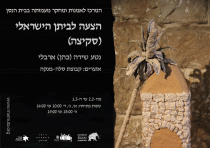
A PROPOSAL FOR THE ISRAEL PAVILION (SKETCH),BY NETA SHIRA (COHEN) ARBELI

Neta Shira (Cohen) Arbeli’s exhibition, A Proposal for the Israel Pavilion (Sketch), is presented in two of the basement spaces of the former leper hospital in Jerusalem. This is Arbeli’s first solo exhibition, who hitherto has created mainly site-specific works. On this occasion, she has chosen to present a series of sculptures that she created in 2016, made of readily-available and inexpensive materials—such as wood cutoffs, plaster, paper pulp, sand and glue, acrylic and cardboard.

In one of the exhibition’s two spaces of the show is a series of sculptures dealing with a construal of urban space in Israel, with references to local architecture—both Arab and Israeli. One of the sculptures is a building in vernacular style (a DIY structure, or “architecture without architects”) with a date palm tree that has either collapsed, or been placed, or fallen asleep on it—a caress, as it were, by nature of a man-made object—or perhaps a subtle allusion to demolition.

Another sculpture depicts the Kakal (JNF) Square—a circular traffic island sculpted in sea sand, with a sign of the Jewish National Fund and three trees stuck on top. This is a kind of model of Israeli urban planning, based on a work of hybrid form of nature. The foreignness of the trees is underscored by the decision to envelope them in plastic wrap.

In another installation, Arbeli presents the front of a two-storey residential building clad in Jerusalem stone—in reference to the British Mandatory law that sought to preserve local architectural traditions, as a kind of intra-cultural reference to the aesthetic politics of pseudo conservation. Arbeli’s preoccupation with the import and export of nature and culture is a recurring theme in other works in this space.
In the other space of the exhibition is an artificial sea, made of newsprint and sanitary wipes soaked in plaster and painted blue, like an everyday ephemeral reality. On this artificial sea floats a Venetian gondola, bearing several decorated camels—modified trinkets from a tourist souvenir shop in the Old City of Jerusalem, en route to becoming a memory of a visit to the Holy Land. The juxtaposition of the two icons of popular culture—the gondola and camels—undermines their status as symbols of a particular culture, and turns them into a hybrid symbol of consumerism as a product of modern tourism. The gondola is taking the camels to an unknown, horizon-less destination. Together they are sailing forth on an artificial sea, in the basement of a former leper hospital.
[images]

The Artist

Neta Shira (Cohen) Arbeli studied for a Bachelors degree at the Ceramics Department of the Bezalel Academy of Art and Design. After a stint as Artist in Residence at the Mamuta Center in Ein Kerem, she completed a Masters degree in Art at Bezalel. Her principal occupation is site-specific works, and sculpture.

In 2012 she took part in Ayelet Lerman’s project A Lot of Talk About Space, curated by the Sala-Manca Group at the Mamuta Center in Ein Karem.

In 2013 she presented a site-specific work at the Barbur Art Gallery in Jerusalem titled Inside Out, in which she collaborated with the artist Almog Ne’eman. In addition, she has taken part in group exhibitions at the Museum of Ashdod and at Menofim events.

Arbeli lives in Safed, where she has received an Artist-Teacher scholarship from the Ministry of Culture and Sport, and teaches art at the Chabad High School for Girls, at Hannah House in Safed.

Die ewige Sukka

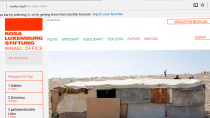
Text about the Eternal Sukkah project translated into German by the Rosa Luxemburg Stiftung, who are kindly supporting the edition of the Ethnographic Department of the Museum of the Contemporary. (for the entire article click here)

Die ewige Sukka – Rosa Luxemburg Stiftung Israel

Die Einladung

Im Jahr 2014 lud der Leiter des „Hansen House. Center for Art, Design and Technology“ die KünstlerInnen der Sala-Manca-Gruppe ein, eine öffentliche Sukka für das Laubhüttenfest zu errichten. Die Sala-Manca-Gruppe beschloss, sich gemeinsam mit den Künstlern Itamar Mendes-Flohr und Yeshaiahu Rabinowitz näher mit der Bedeutung der Sukka im israelischen Kontext zu befassen und ihren temporären Charakter sowie die Verbindung zum Exil zu betonen. Man könnte, so die Auffassung der KünstlerInnen, die IsraelitInnen in der Wüste als frühe Flüchtlinge verstehen und ihre Sukkot, also ihre einfachen Behausungen, als Flüchtlingslager.

Die erste Frage, die sich nun stellte, war, wie man eine „authentische“ Hütte aus einem der heutigen Flüchtlingscamps in Israel/Palästina nach Jerusalem bringen könnte, und die zweite, wie man diese in eine koschere und „authentische“ Sukka verwandeln könnte.


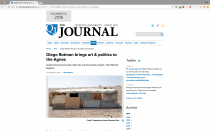
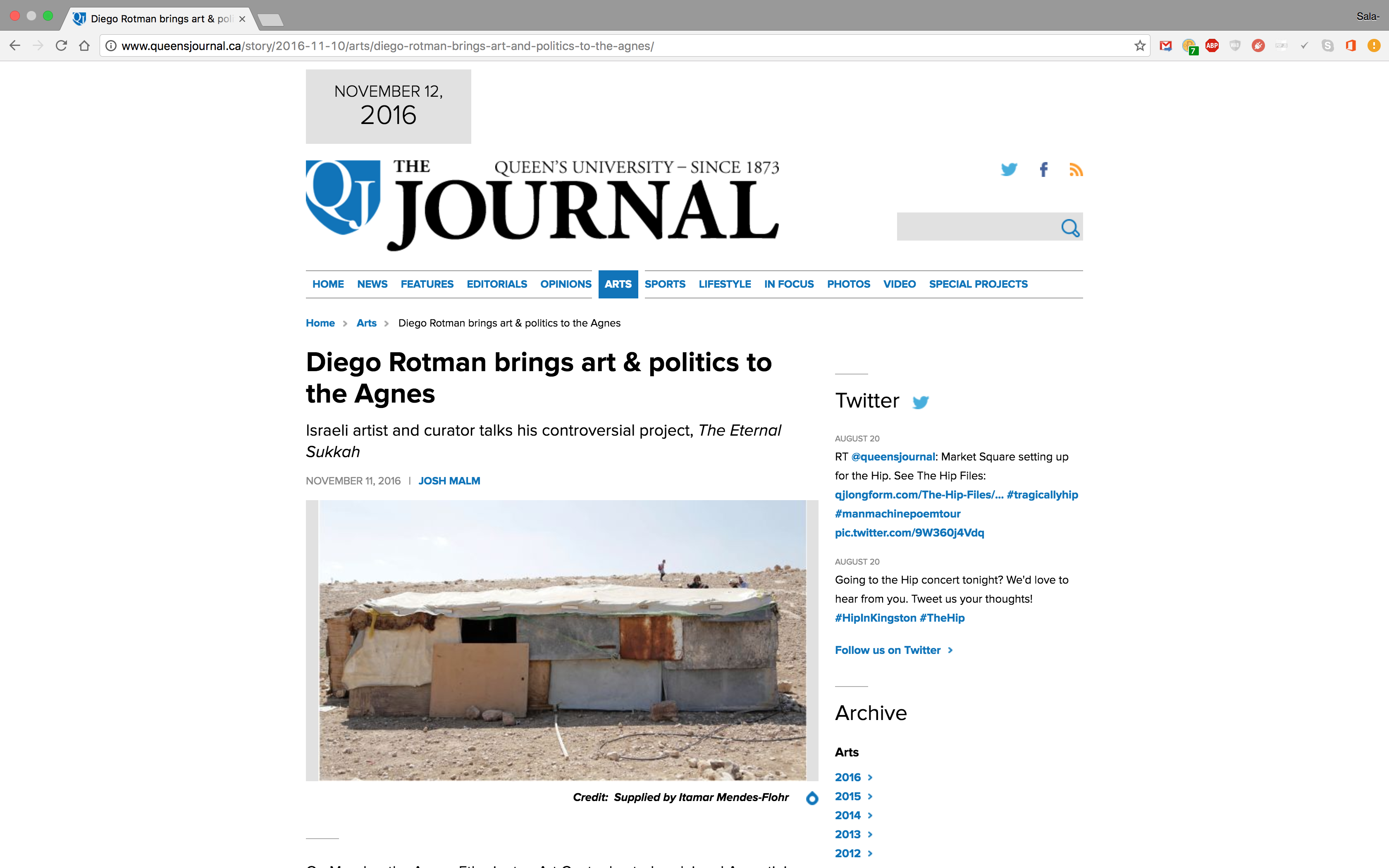
The Queen’s Journal: “Diego Rotman brings art & politics to the Agnes”

Screen Shot 2016-11-12 at 21.47.04

Queen’s Journal, 11.11.16, by Josh Malm

“On Monday, the Agnes Etherington Art Centre hosted acclaimed Argentinian-Israeli artist Diego Rotman, as he delivered a thought-provoking presentation on his latest project, The Eternal Sukkah.

Rotman, an academic, interdisciplinary artist and curator, has a particular interest in performance practices that engage local historiography, folklore research, art politics and Jewish culture.

In 2014, Rotman and fellow Israeli artist Lea Mauas built a sukkah (a Jewish ritual and dwelling), inspired by a Bedouin tent-like home common to those who live in the desert. This became their work, entitled, The Eternal Sukkah, representing Bedouin nomadic culture in the context of modern day refugees.”

[to see the entire article visit here]

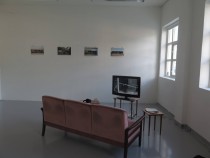
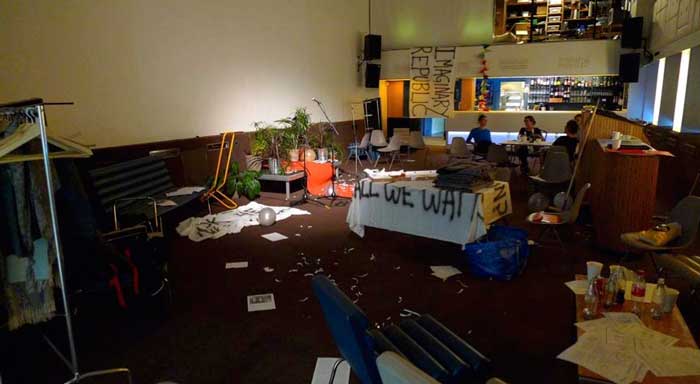
The Eternal Sukkah and Bawadi Documents at the Imaginary Republic, Bergen

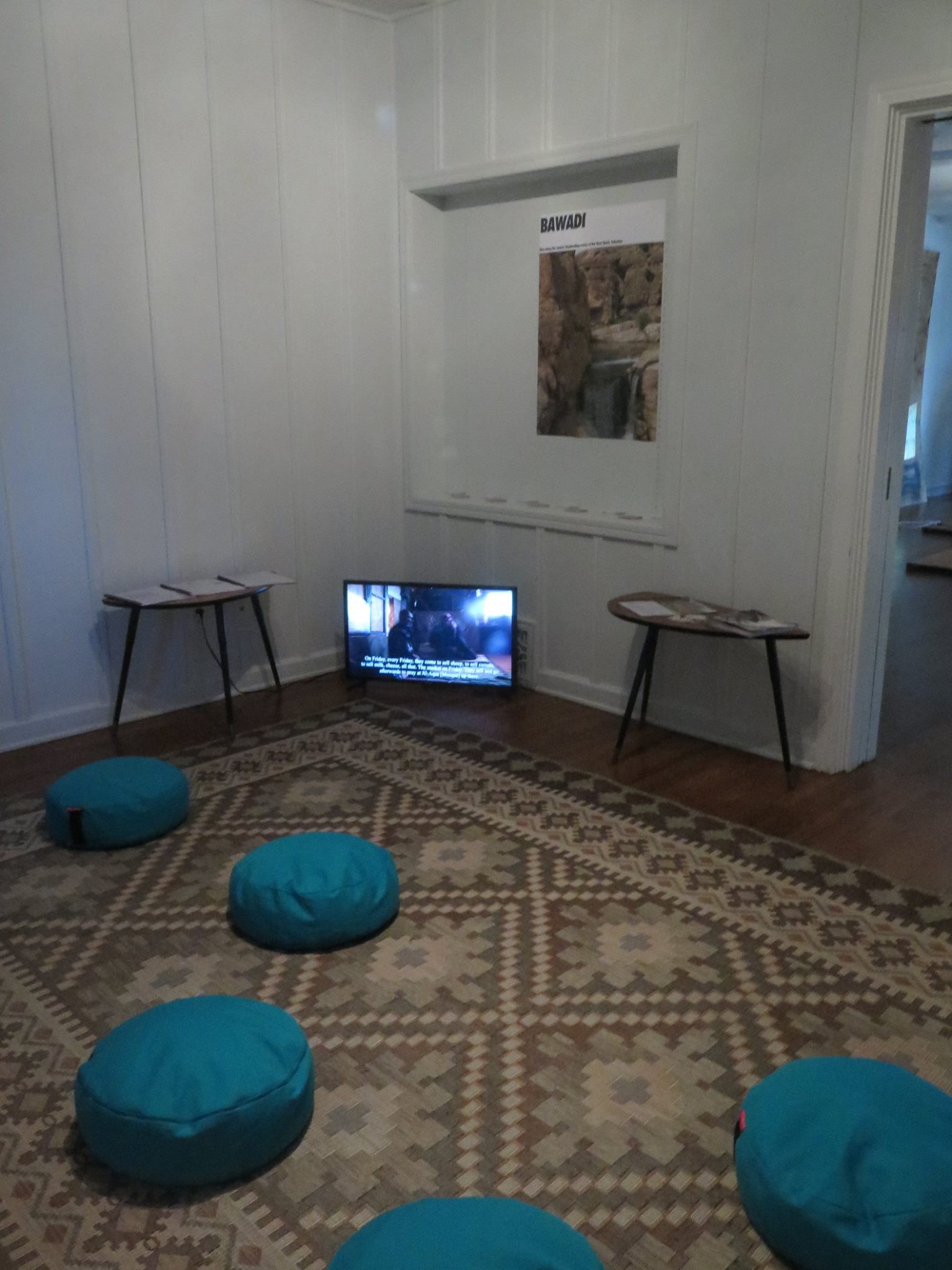
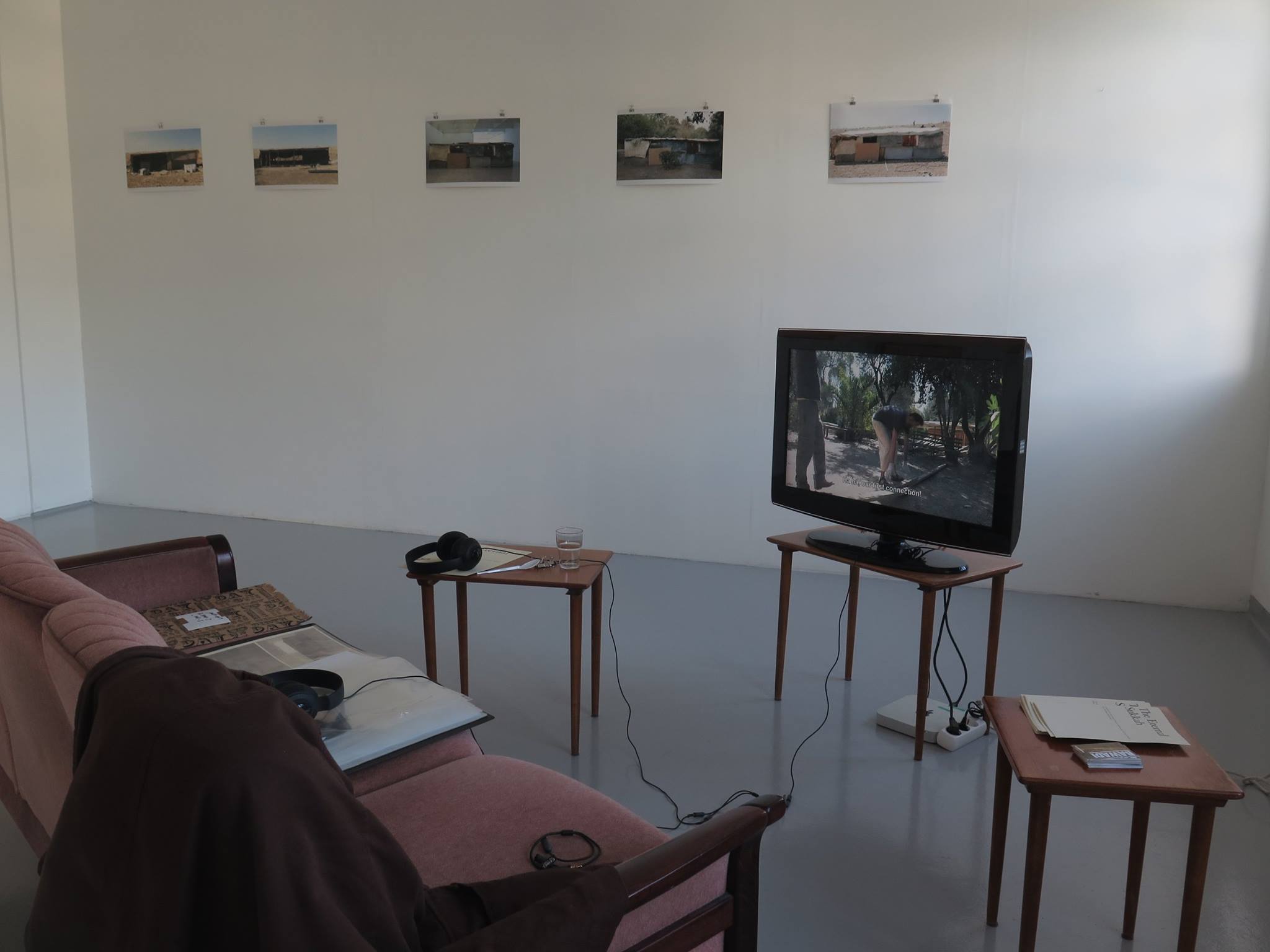
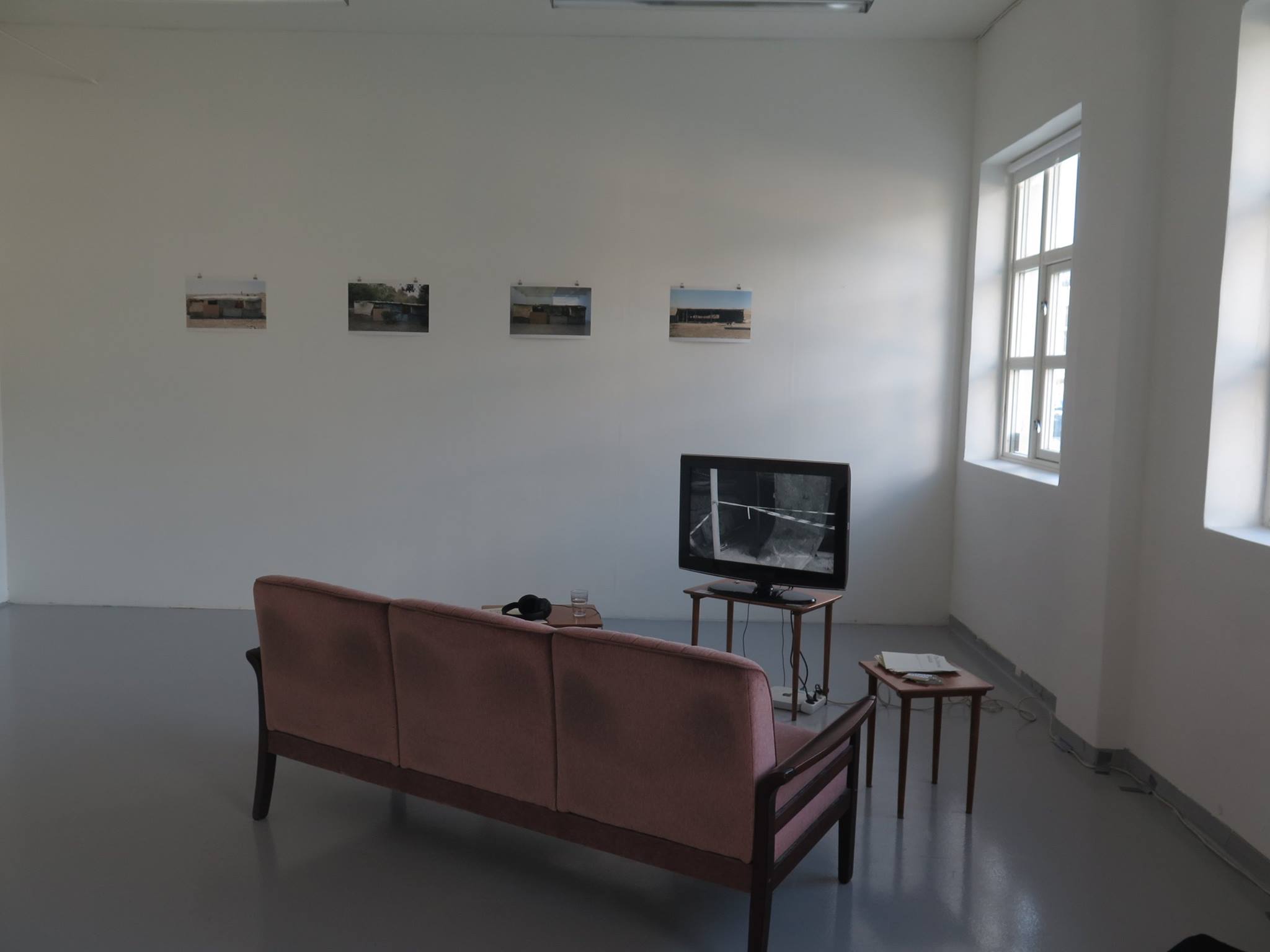
The Eternal Sukkah project (developed by us in collabortion with Itamar Mendes-Flohr and Yeshaiahu Rabinowitz) and the www.bawadi.org development project by the Jahalin Community at Tag Team Studio in Bergen, in a project runed by Brandon LaBelle in the frame of the Bergen Assembly 2016.

“The Imaginary Republic is a research project developed by Brandon LaBelle. During September and October the project takes the form of a group exhibition at Tag Team Studio, showing works by national and international artists. Through propositional and speculative works the exhibition, presented in two editions, focuses on questions and experiences of public life and culture.”

The artists showing works in Part 2 of The Imaginary Republic are Hélène Frichot, Marianne Heier, Marysia Lewandowska, Sala-manca and Lise Skou.

This Saturday 24.9, a talk a the Partisan Cafe, from the Bergen Assembly with Brandon Labelle (http://bergenassembly.no/en/freethought/the-partisan-cafe/)


14424791_1395531040460317_9136606917699090240_o 14362562_1395530967126991_3000948064674473815_o 14362555_1395530890460332_4948964286279990243_o 14361191_1395530950460326_5271309808786812236_o 1_imaginary-republicpress