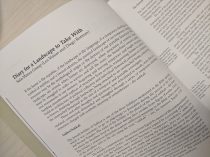
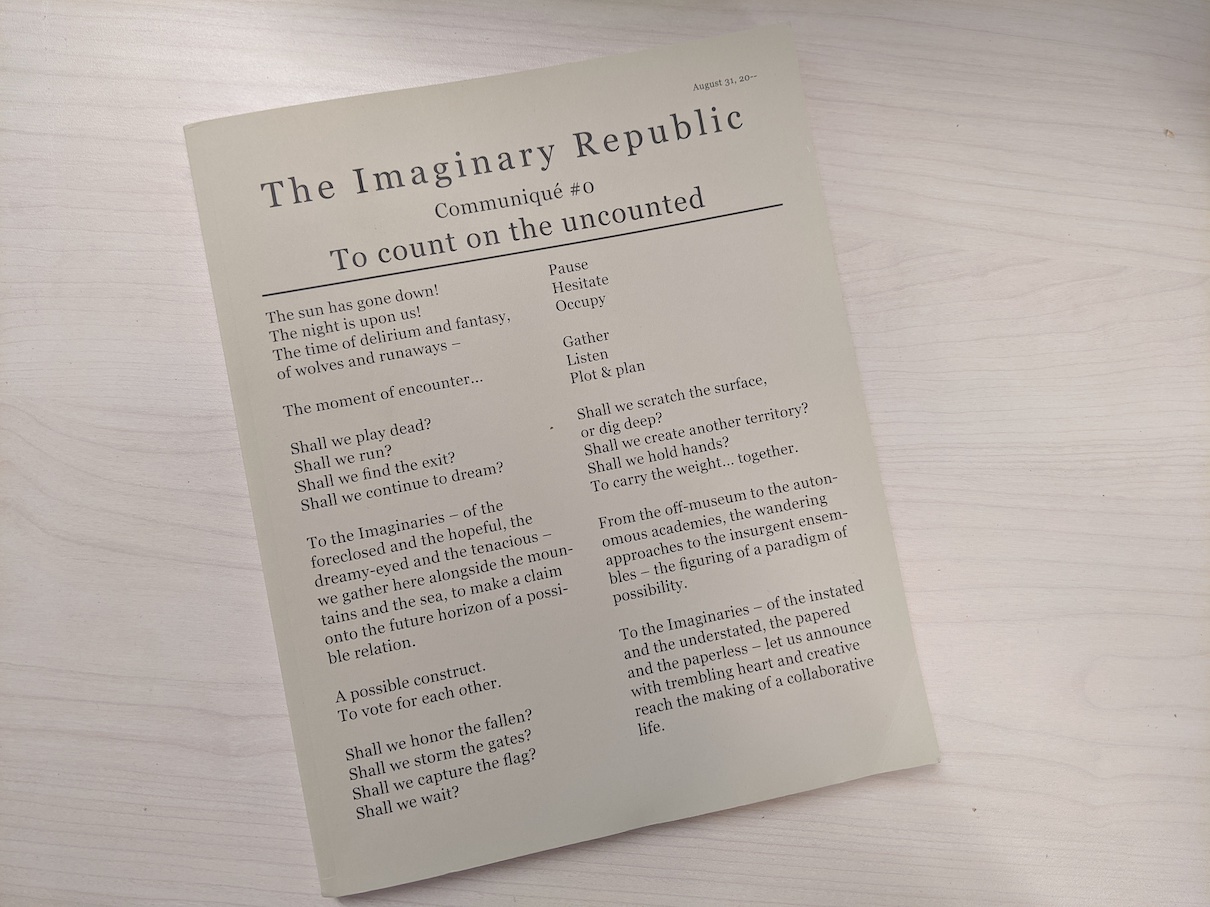
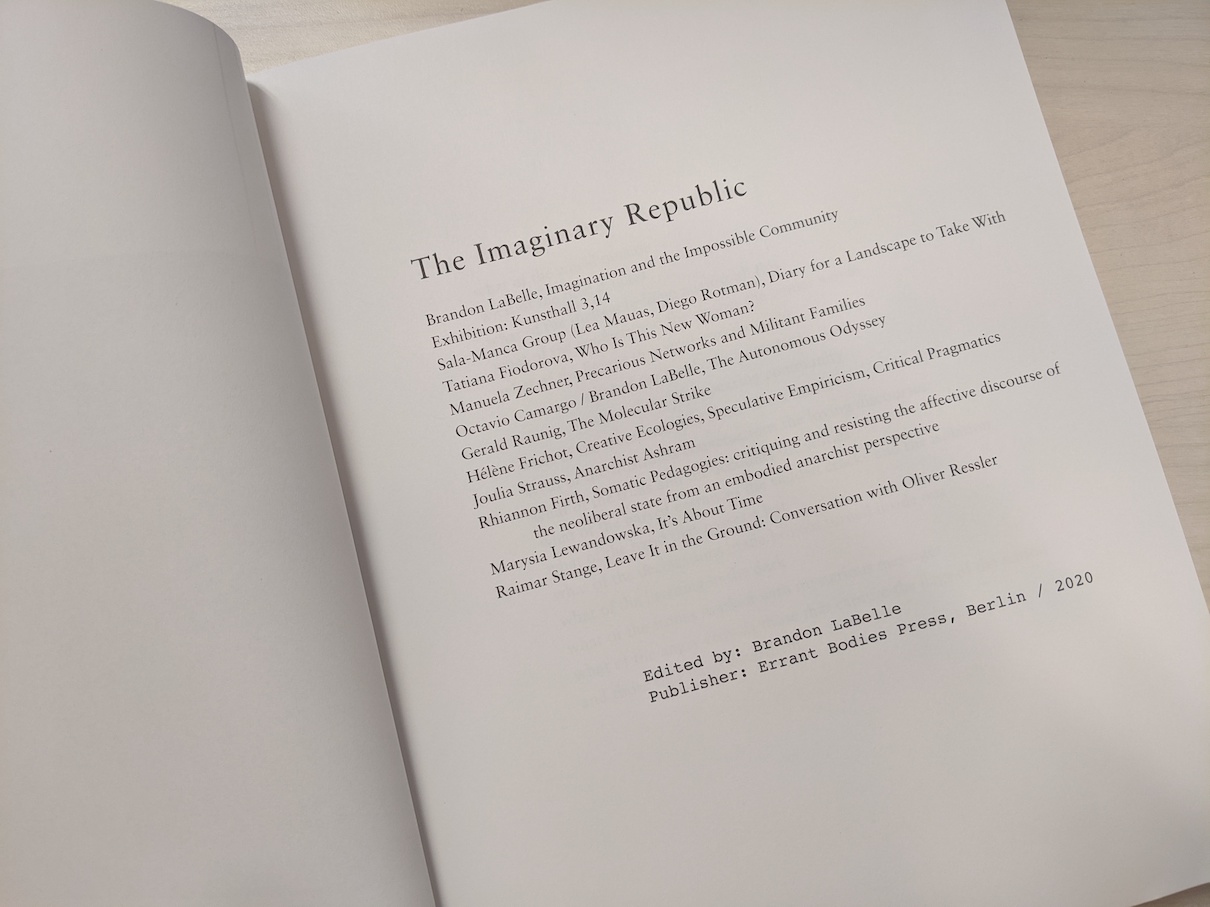
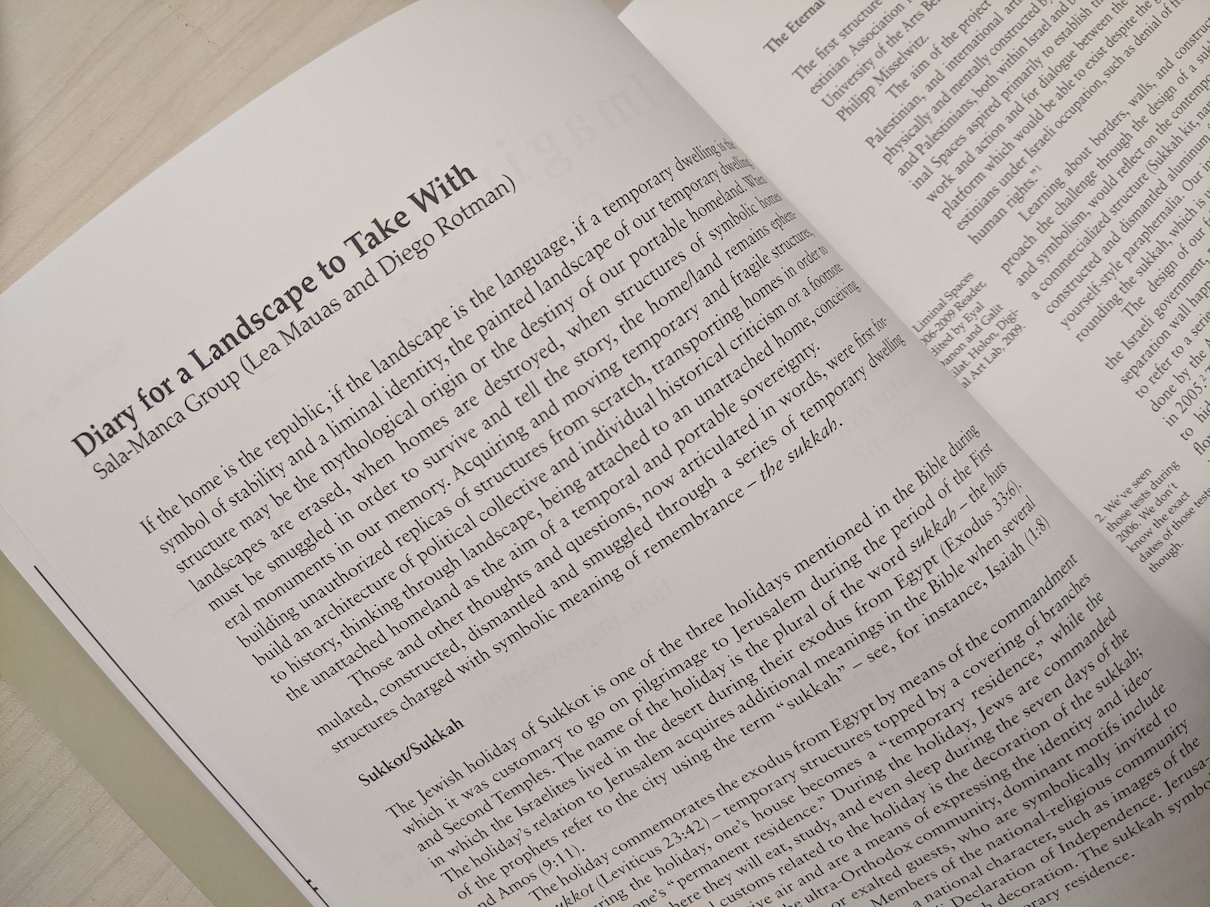
We are proud to be part of this great book documenting the fantastic project initiated by Brandon Labelle.
WordPress database error: [DELETE command denied to user 'sala-manca'@'localhost' for table `sala_manca_net`.`wp_options`]DELETE FROM `wp_options` WHERE `option_name` = '_site_transient_wp_theme_files_patterns-3e81fb819c0831df69203ee558a709b9'
WordPress database error: [DELETE command denied to user 'sala-manca'@'localhost' for table `sala_manca_net`.`wp_options`]DELETE FROM `wp_options` WHERE `option_name` = '_site_transient_timeout_wp_theme_files_patterns-3e81fb819c0831df69203ee558a709b9'
WordPress database error: [INSERT, UPDATE command denied to user 'sala-manca'@'localhost' for table `sala_manca_net`.`wp_options`]INSERT INTO `wp_options` (`option_name`, `option_value`, `autoload`) VALUES ('_site_transient_timeout_wp_theme_files_patterns-3e81fb819c0831df69203ee558a709b9', '1792699163', 'off') ON DUPLICATE KEY UPDATE `option_name` = VALUES(`option_name`), `option_value` = VALUES(`option_value`), `autoload` = VALUES(`autoload`)
WordPress database error: [INSERT, UPDATE command denied to user 'sala-manca'@'localhost' for table `sala_manca_net`.`wp_options`]INSERT INTO `wp_options` (`option_name`, `option_value`, `autoload`) VALUES ('_site_transient_wp_theme_files_patterns-3e81fb819c0831df69203ee558a709b9', 'a:2:{s:7:\"version\";s:3:\"4.0\";s:8:\"patterns\";a:0:{}}', 'off') ON DUPLICATE KEY UPDATE `option_name` = VALUES(`option_name`), `option_value` = VALUES(`option_value`), `autoload` = VALUES(`autoload`)
WordPress database error: [INSERT, UPDATE command denied to user 'sala-manca'@'localhost' for table `sala_manca_net`.`wp_options`]INSERT INTO `wp_options` (`option_name`, `option_value`, `autoload`) VALUES ('_transient_doing_cron', '1792697363.5078229904174804687500', 'on') ON DUPLICATE KEY UPDATE `option_name` = VALUES(`option_name`), `option_value` = VALUES(`option_value`), `autoload` = VALUES(`autoload`)
We are proud to be part of this great book documenting the fantastic project initiated by Brandon Labelle.
The Sala-manca Group (ISL/ARG) presents the OFF/SITE series
Sukkot (Jewish tabernacles) is a seven-day Jewish celebration commemorating the forty years of travel through the desert after the exodus from Egypt. During the celebration, temporary dwellings called sukkah are built with simple materials and are used for seven days for for eating, entertaining, and even sleeping.
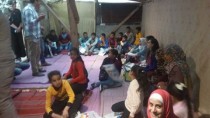
During the coming holidays of Sukkot, the Sala-manca group (see below) are constructing a Sukkah (Jewish tabernacle) in their front garden referring to their actual temporary migration to Kingston and are opening their (rented) house for a series of talks, performances, and workshops dealing with topics related to Sukkot: Temporary Dwelling, Forced and Voluntary Migration, Hybrid Identities, Fragile Structures.
September 23, 7:00-9:00 pm
A temporary Dwelling in our Rented Garden
A sukkah by Sala-manca family Informal Opening, refreshments will be served at the Sukkah
September 25, 7:00-9:00 pm
Panel on Sukkot
Sukkot Basics | Rabbi Erin Polansky
Rabbi Polansky is originally from Montreal, Quebec and grew up in Thornhill, Ontario. She was the first graduate of the Jewish Studies program at Queen’s University and subsequently attended the Hebrew Union College-Jewish Institute of Religion in Jerusalem and then in Cincinnati, earning ordination in 2000. Upon ordination, Rabbi Polansky served as Assistant Rabbi and Rabbi Educator at Bet Shalom Congregation in Minnesota. In 2004, she returned to Toronto where she served as Associate Rabbi at Temple Sinai and was the spiritual leader at Neshamah Congregation of York Region in Vaughan, Ontario from 2011 – 2018. And now Rabbi Polansky begins the next phase of her career as Rabbi at Beth Israel Congregation in Kingston
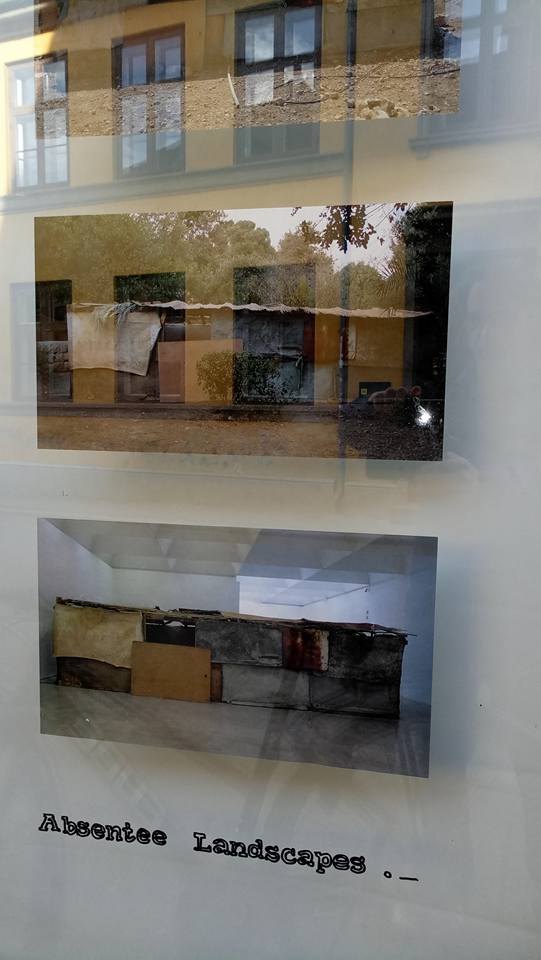
Absentee Landscapes | Sala-manca
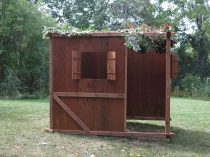
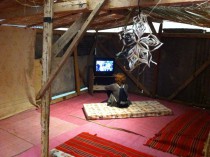
Sala-manca will present two projects on Sukkot: In the lead-up to the 2014 Sukkot holiday, the Sala-Manca Group together with Itamar Mendes-Flohr and Yeshaiahu Rabinowitz decided to create a public sukkah on the Hansen grounds in Jerusalem, a temporary dwelling for its activities during the holiday. They collaborated with Al Korshan family of the Jahalin bedouin tribe to delve into the sukkah’s charged meaning in the Israeli context and to highlight the temporary nature of the structure and its associations with exile – thus evoking associations not only with Jewish history but also with the modern Israeli context, and proposing a contemporary reading of the sukkah, both as a concrete object and as a symbol. The Sukkah was bought a year later by the Israel Museum for their collection of Contemporary Art.
The second project is the Deller Sukkah (2017). In the winter of 2017 (the SalaManca Group, Nir Yahalom and Ktura Manor began building an unauthorized but accurate replica of a painted wooden sukkah from Germany (dating to 1850), which with the outbreak of World War II, was smuggled to Palestine to save it from the Nazis and is on display in the permanent collection of the Israel Museum and is known as The Deller Sukkah.
Tahany Okbi, a Palestinian Bedouin woman from Beer Sheva, southern Israel, currently living in Montreal, Canada.
Tahany holds MSW from McGill University, Canada and BSW from Ben- Gurion University, Israel.
September 26, 7:00-9:00 pm
Lois Klassen: “Books and Libraries in Migration”
What happens when migration stories are held still within a book? Can a library become nomadic? Vancouver-based artist and writer, Lois Klassen, will present two participatory art projects that take up the subject of migration and its cultural representation. Artist book examples from Reading the Migration Library (2016, ongoing) and Renegade Library (1998) will be available for reading and handling.
Lois Klassen is a Doctoral Candidate in the Cultural Studies Post-Graduate Program at Queen’s University.
https://www.loisklassen.com/ http://www.readingthemigrationlibrary.com/
September 27, 1:00-3:00 pm Workshop: On the Museum of the Contemporary | Curating and Public Scholarship Lab @1400 de Maisonneuve Blvd W., LB 671, Concordia University, Montreal
Diego Rotman, from the Sala-manca group, will present and discuss the critical thinking standing behind the Museum of the Contemporary, concentrating in some key projects done in its frame. The Sala-manca group will share their tactics, way of working and their experiences as founders, directors, guides, guards and staff cleaners of the MofC.
https://www.facebook.com/events/327627557987608/?notif_t=plan_admin_added¬if_id=1536699104658146
September 27 , 7:00-9:00 pm
The Sukkah – Between Eternal and Ephemeral @ Musée du Montréal juif – Museum of Jewish Montreal 4040 Boulevard St-Laurent, Montreal
Join Diego Rotman of the Sala-manca group to discover the incredible stories and migrations behind their work and collaborative efforts creating two sukkot originally from Germany and Bedouin communities.
https://www.facebook.com/events/1219262371547070/
September 29, 1:00-4:00 pm
A Library of Temporary Shelters – A book arts workshop about migration and displacement @ Agnes Etherington Art Centre, Kingston
Join artists Lois Klassen (CA) Sala-Manca (AR/IL) in a hands-on workshop and discussion about the representation of human displacement issues through art and text. Participants will hear about art and publishing projects that take up the urgency of migration, refugee issues, and will be invited to make artist books in a studio session. The hands-on portion of the workshop will focus on the way book structures can reflect a need for shelter, whether temporary or permanent.
https://agnes.queensu.ca/event/details/a-library-of-temporary-shelters/
About Lois Klassen
Lois Klassen is an artist, writer and researcher based in Vancouver, Canada. Known for long-range projects that invite and engage participants in collective actions. Her current project Reading the Migration Library, addresses the cultural production of migration stories. Her work has been hosted by Emily Carr University of Art + Design, bruna press + archive, The Glenbow Museum, Santa Fe Art Institute, and more. She is currently a doctoral candidate in the Cultural Studies program at Queen’s University in Kingston, Ontario, Canada.
About Sala-Manca Group
Lea Mauas and Diego Rotman, were born in Buenos Aires and now live and work in Jerusalem. Since 2000, they have created performances, videos, installations, and new media projects. Their work explores the poetics of cultural translation with a focus on language, media, the urban environment, and new technologies. Their projects frequently address the tension between low and high-tech aesthetics as well as sociopolitical issues. Last August they moved to Kingston. Lea Mauas is a graduate student in Cultural Studies and Diego is the Regina Rosen Visiting Artist in Residence in Cultural Studies and Jewish Studies and Visiting Professor at the Dan School for Drama and Music at Queen’s University.
—
With the support of the Regina Rosen Fund in Jewish Studies and Cultural Studies at Queen’s University, the Ethnographic Department of the Museum of the Contemporary and the Mamuta Art and Research Center in Jerusalem
All the events are free of charge and are made in the spirit of Ushpizin ( Aramaic for guests, a reference to the seven supernal guests). The events will be held at the artists’ house, in Kingston. Off-site events will also take place at the Agnes Etherington Art Centre, Kingston, the Museum of Jewish Montreal, and the Curating and Public Scholarship Lab at Concordia.
For further info contact: salamanca00@gmail.com
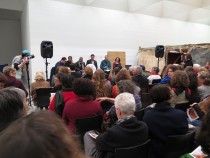
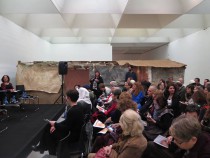
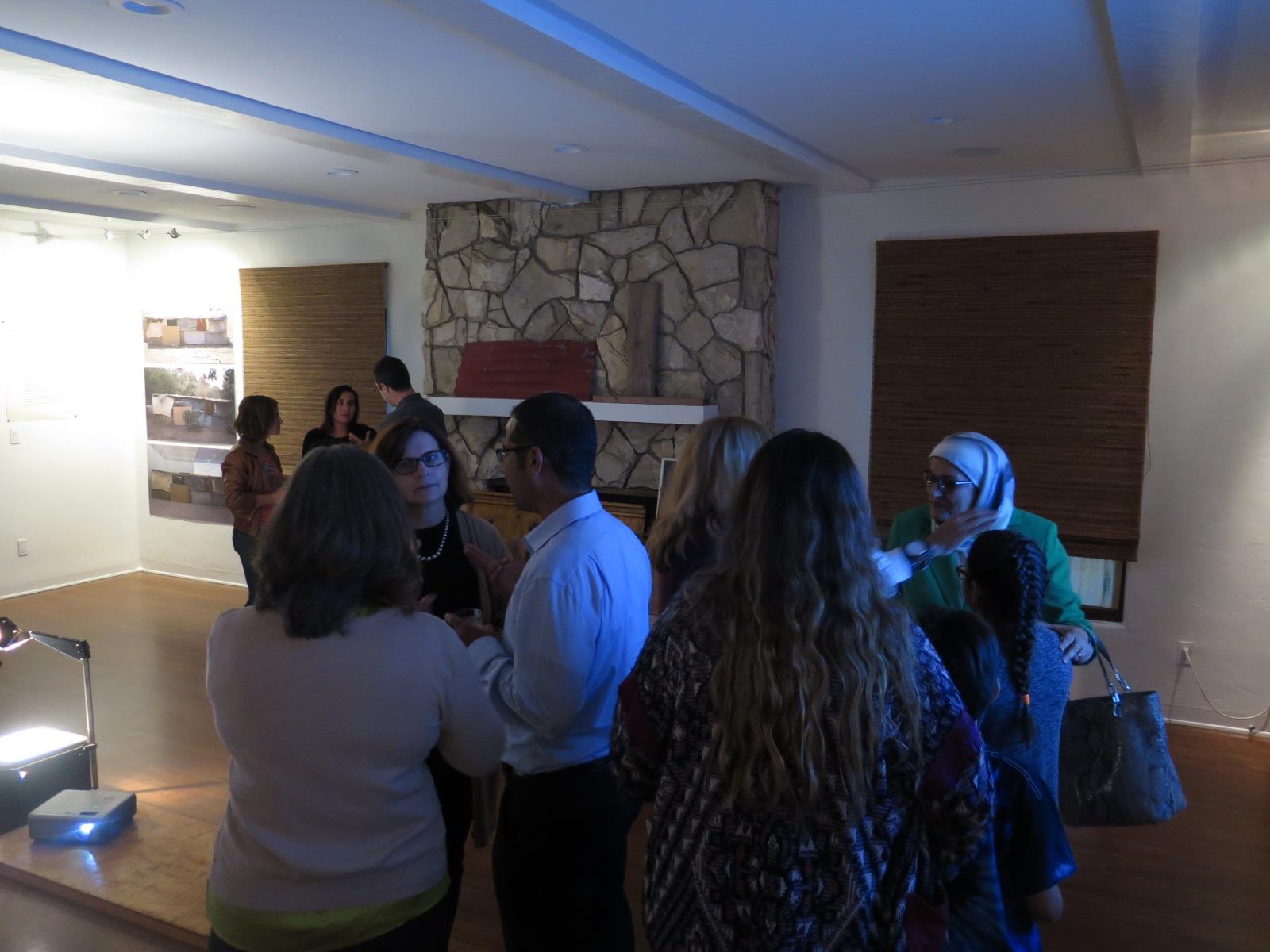
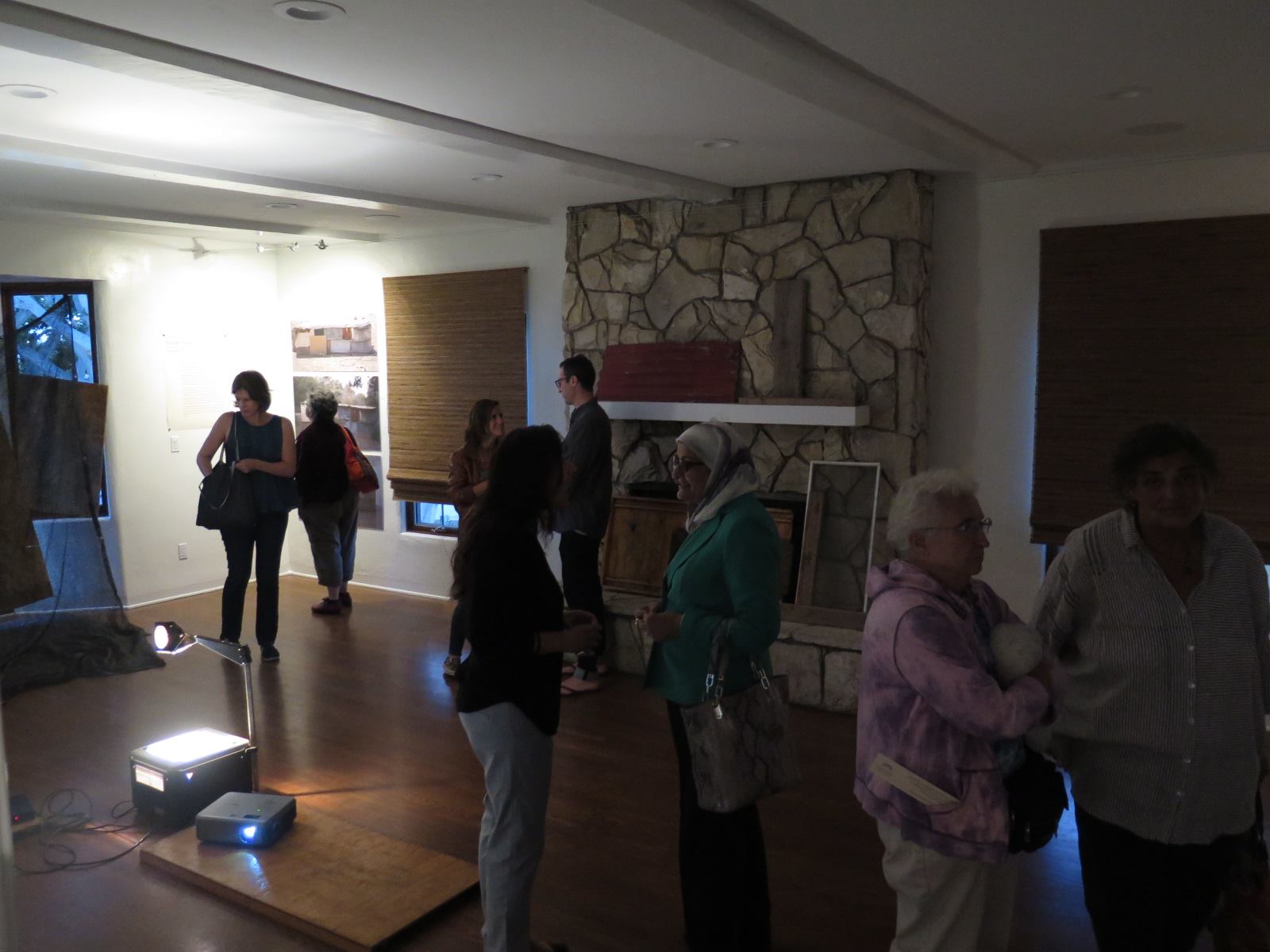
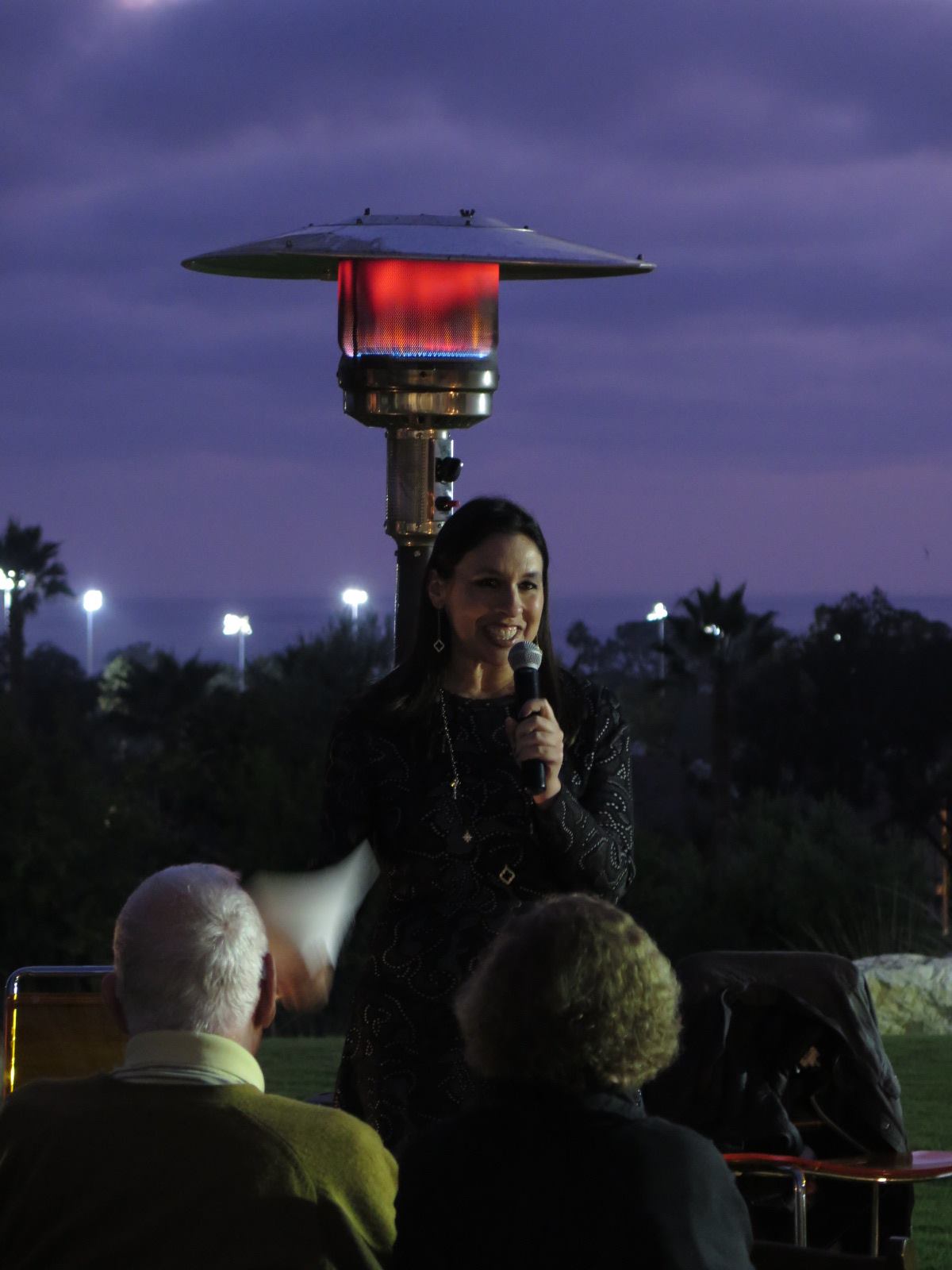
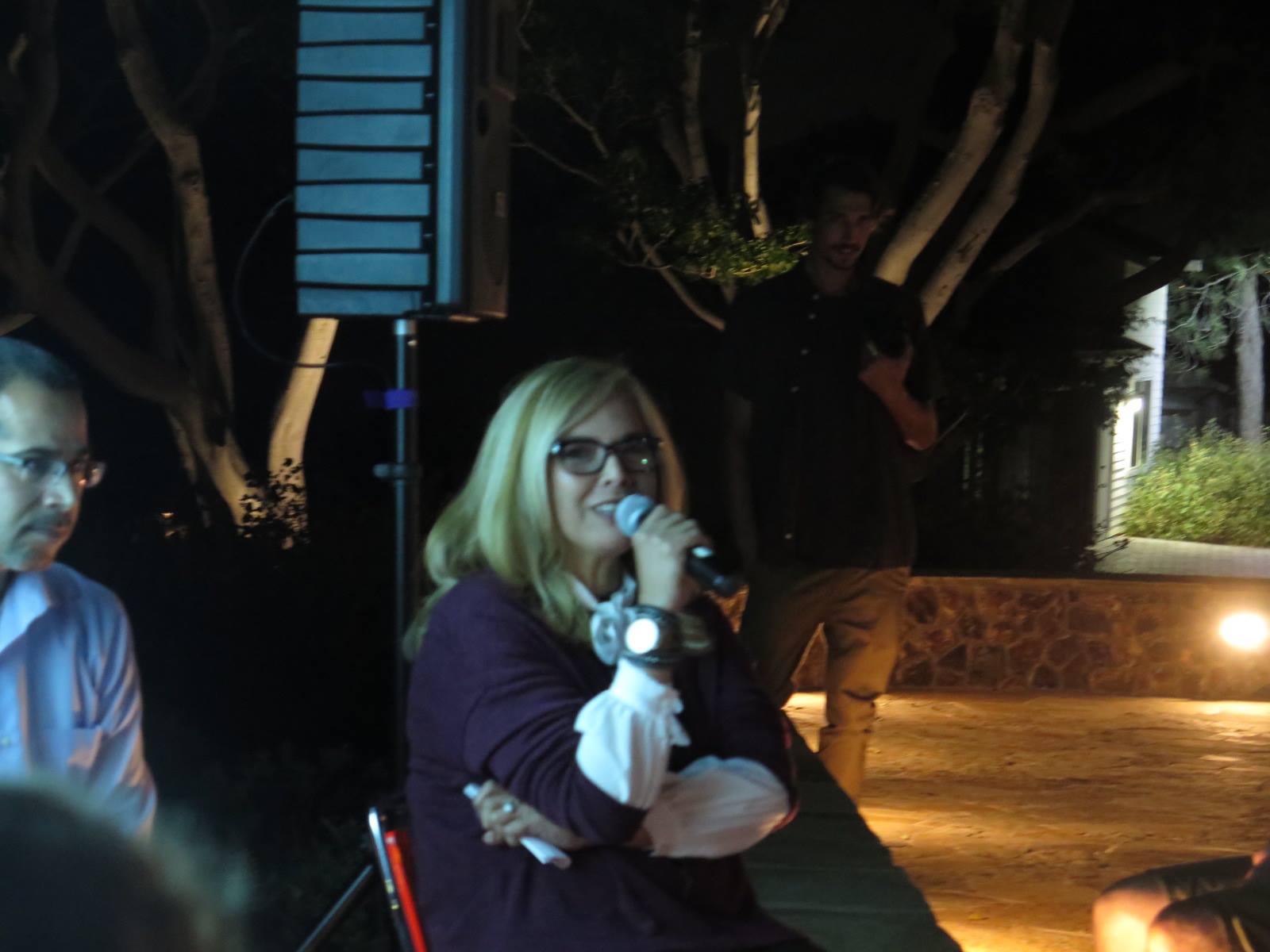
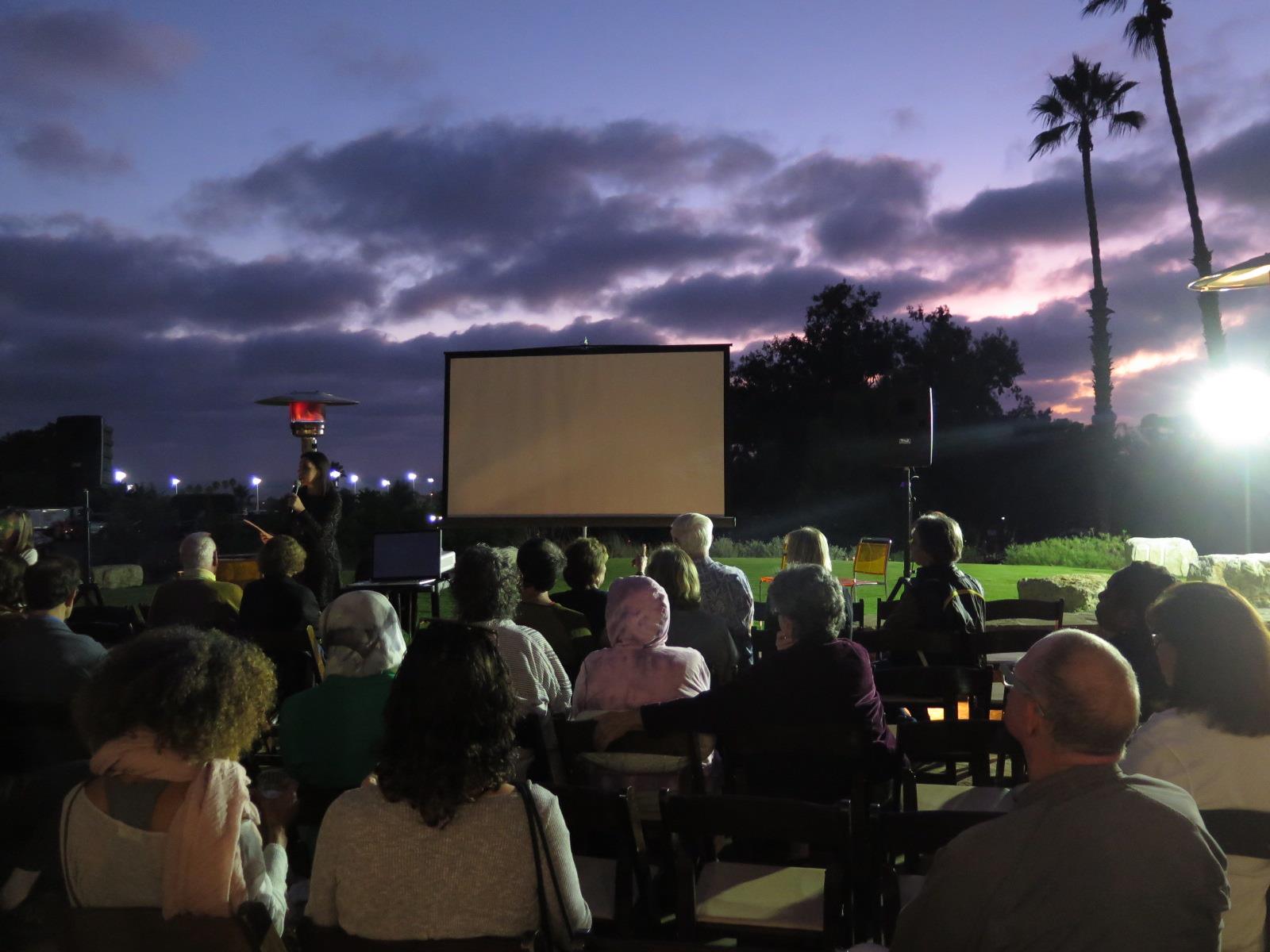
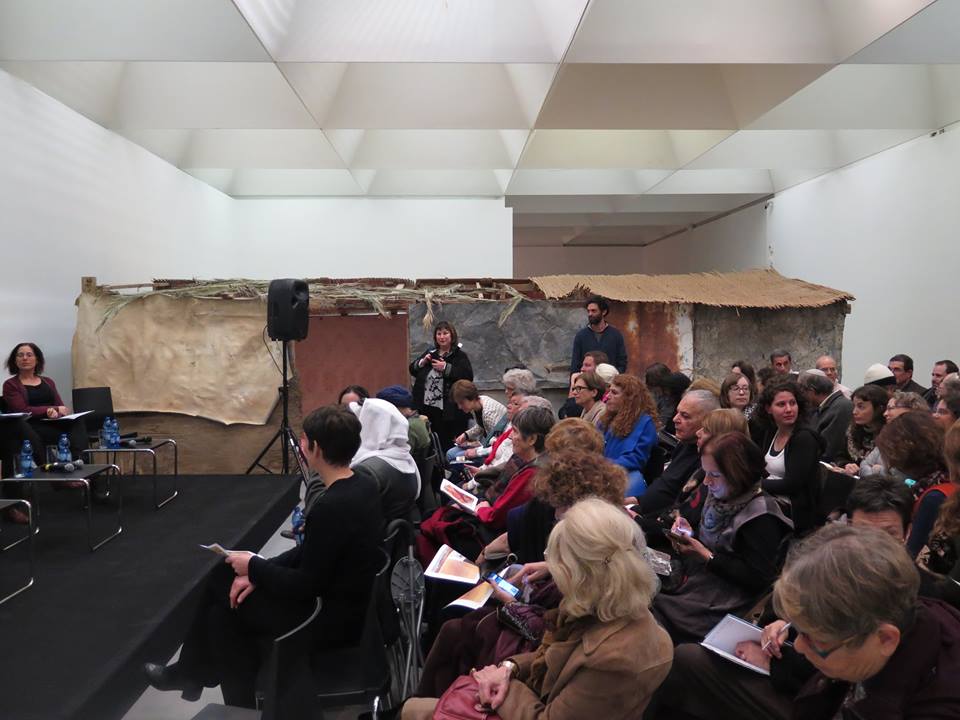
Panel with Linda Caballero-Sotelo(Executive Director of http://newamericansmuseum.org ), Morad Elsana from the Bedouin community of Lakia, and Teaching Fellow at California Western School of Law, San Diego), Edith Koppel (from the Deller Family) and Charlene Seidle as moderator.
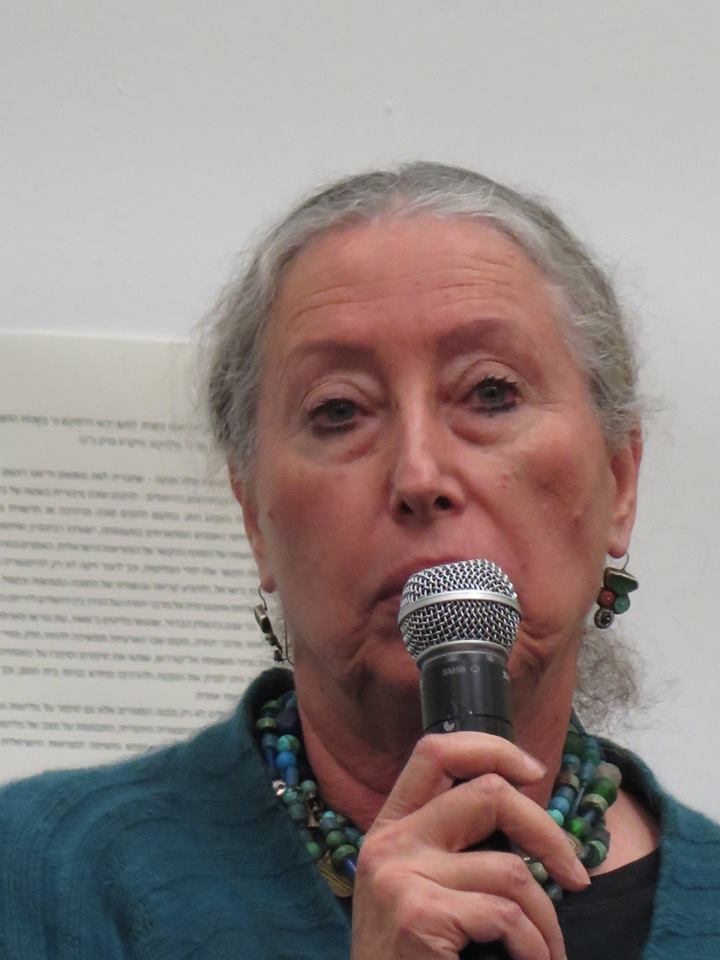
Morad gave a very importan insight on the situation of the Bedouin communities in Israel, on the unrecognized and recognized villages. Linda connected the project to the binational border USA/Mexico situation and to art projects dealing with it. The surprising and unexpected visit of the grand daughter of Alberto Deller who sat by herself as a child in the Deller Sukkah in Fischach was amazing.
Organized by Charlene Seidle
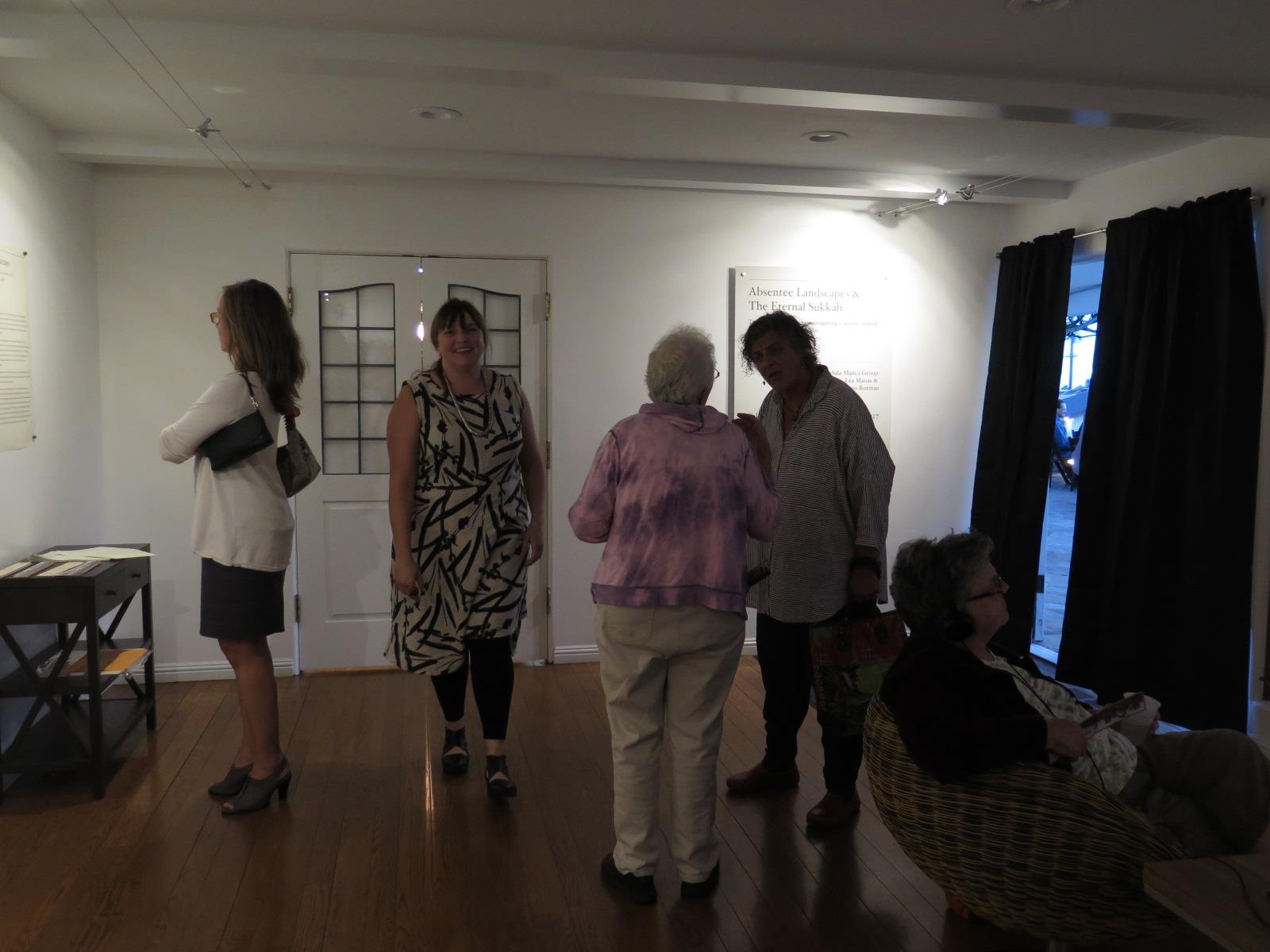
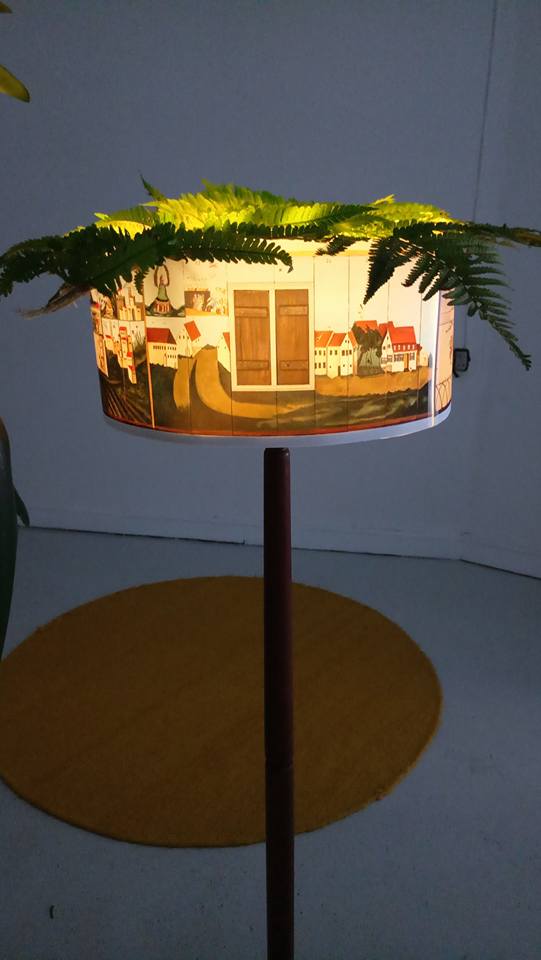
Absentees Landscapes & Eternal Sukkah Documents
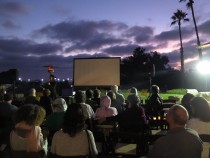
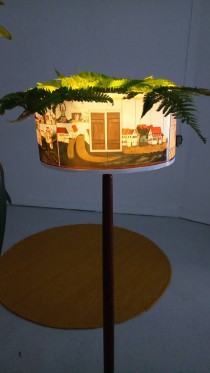
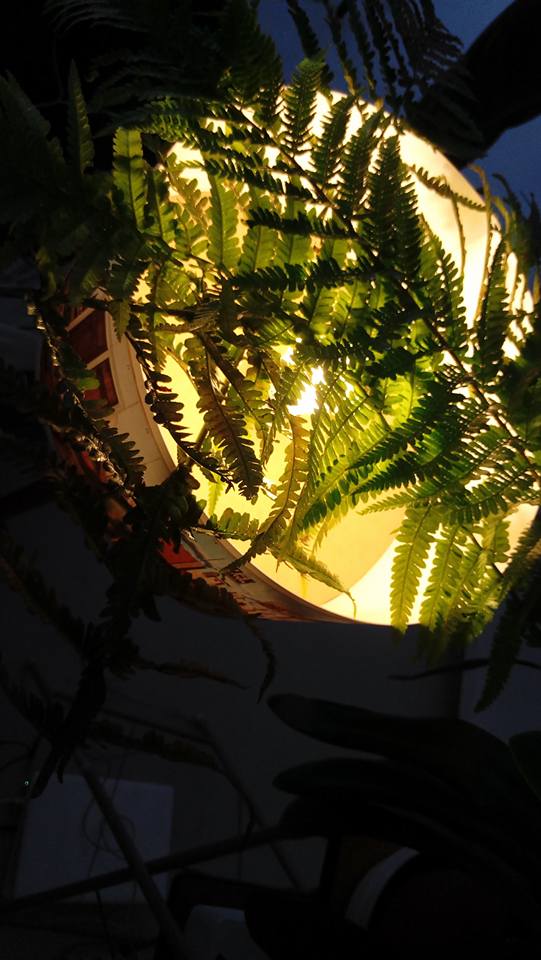
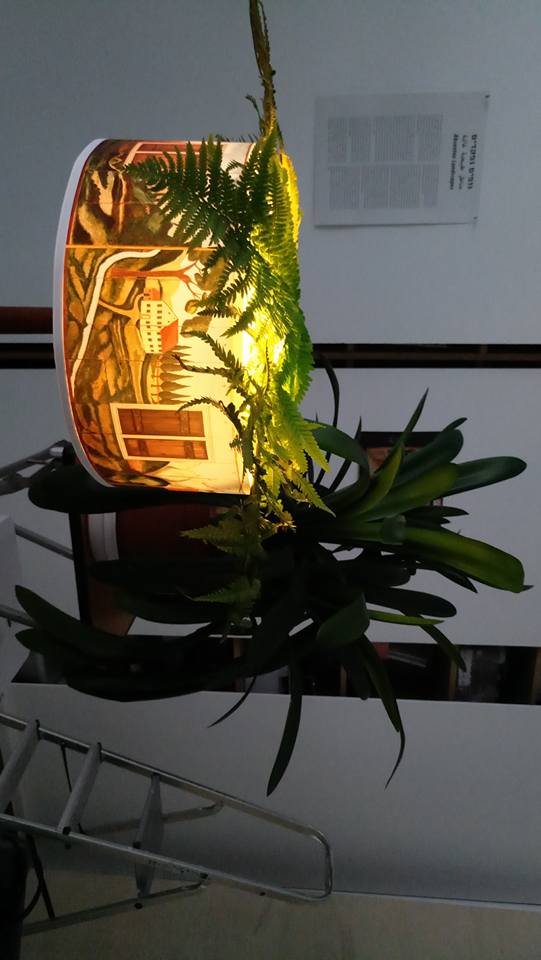
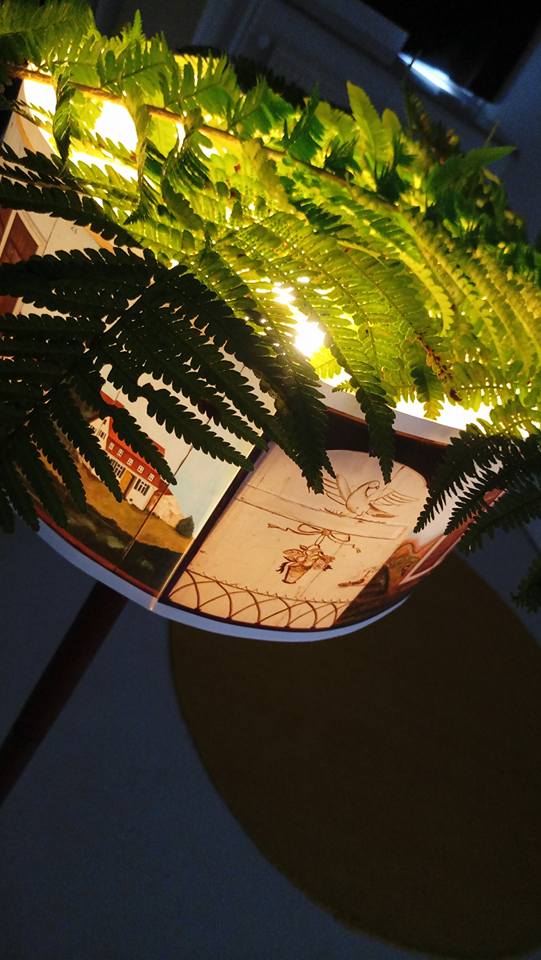
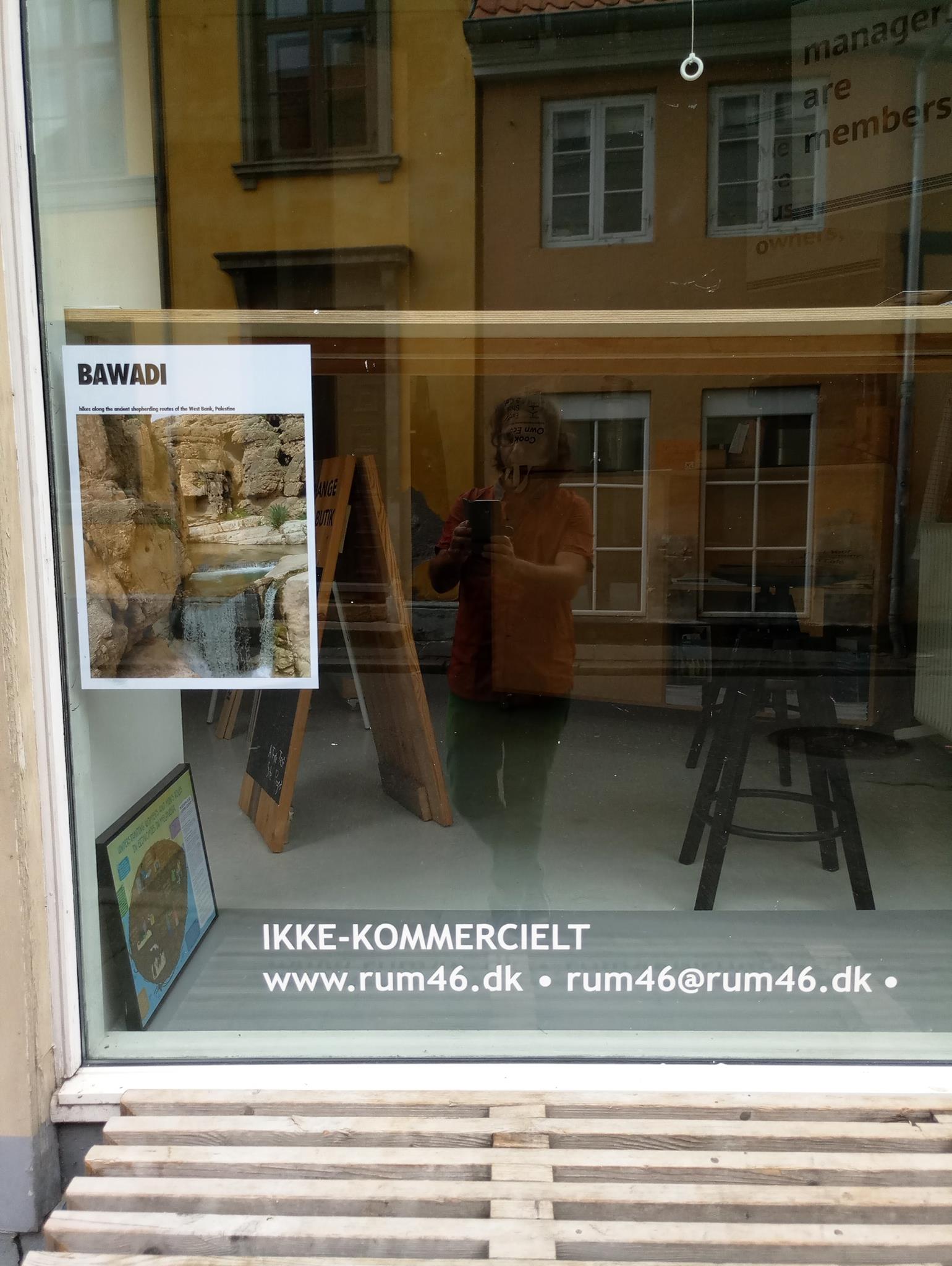
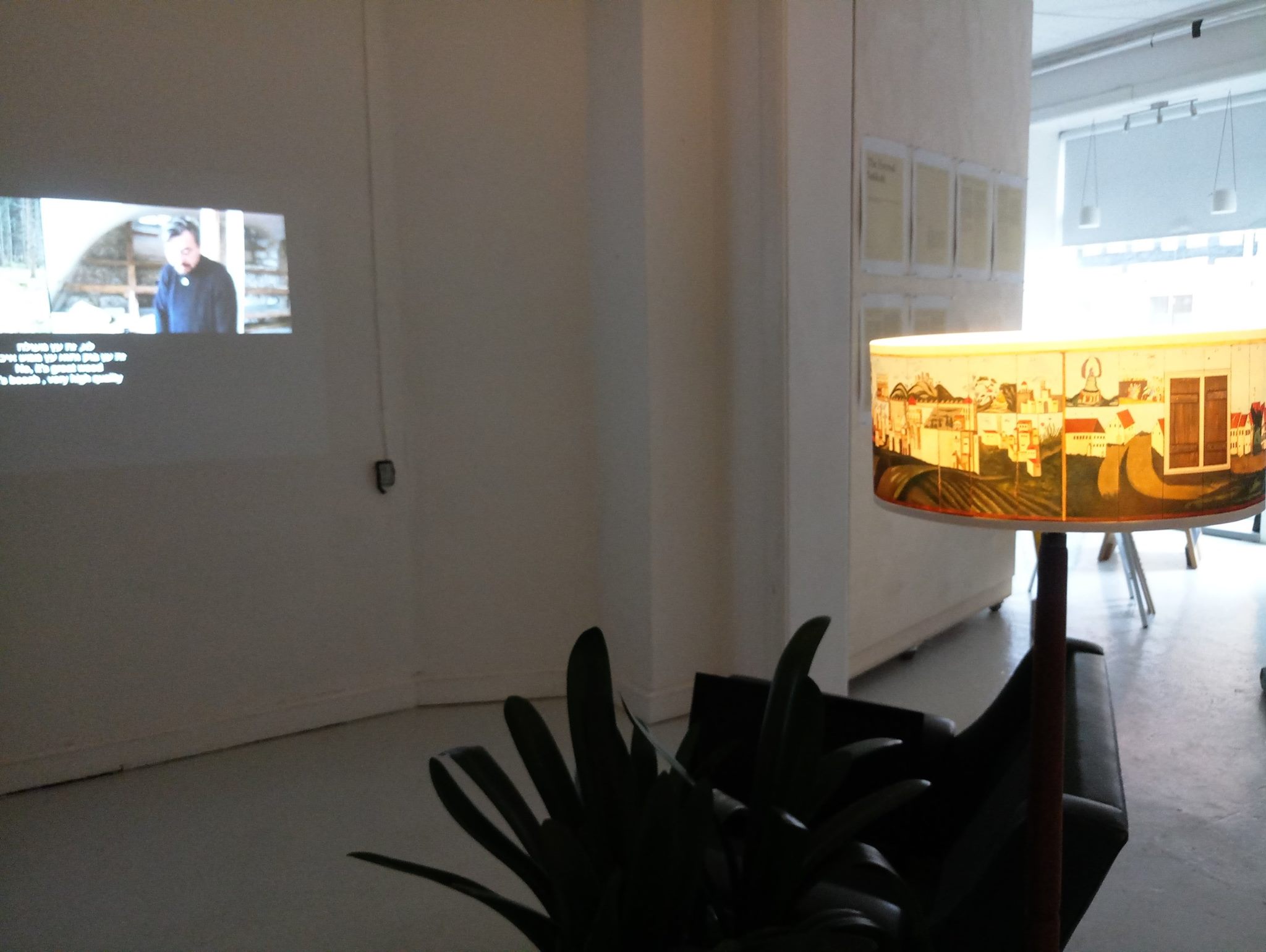
in the frame of “Room for Improved Futures” curated by Agnieszka Wołodźko and Grete Aagaard. Presentation of video materials, prints, documents and a “Sukkah Lamp”.
for more info on the projects:
http://old.sala-manca.net/?cat=274
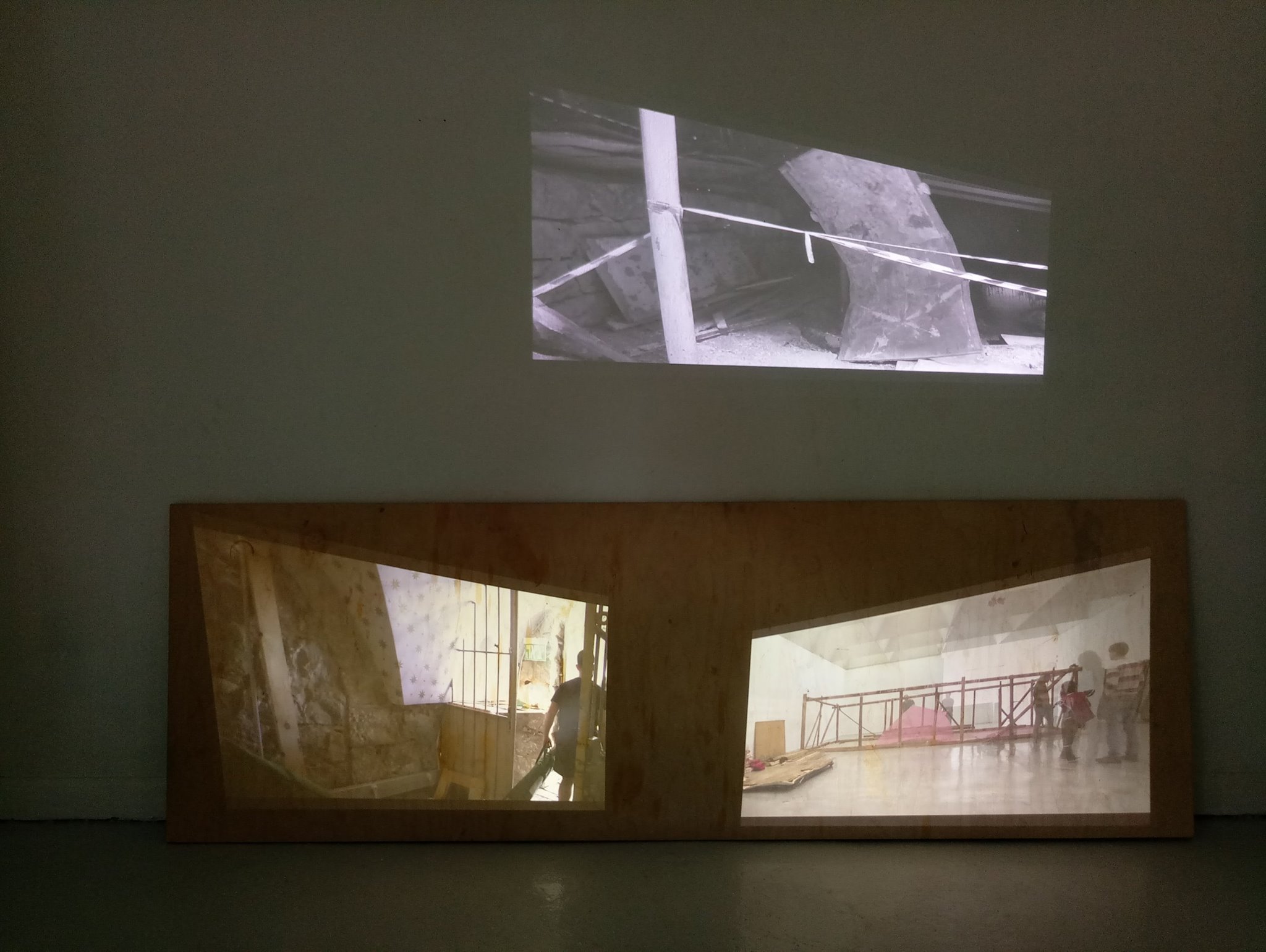
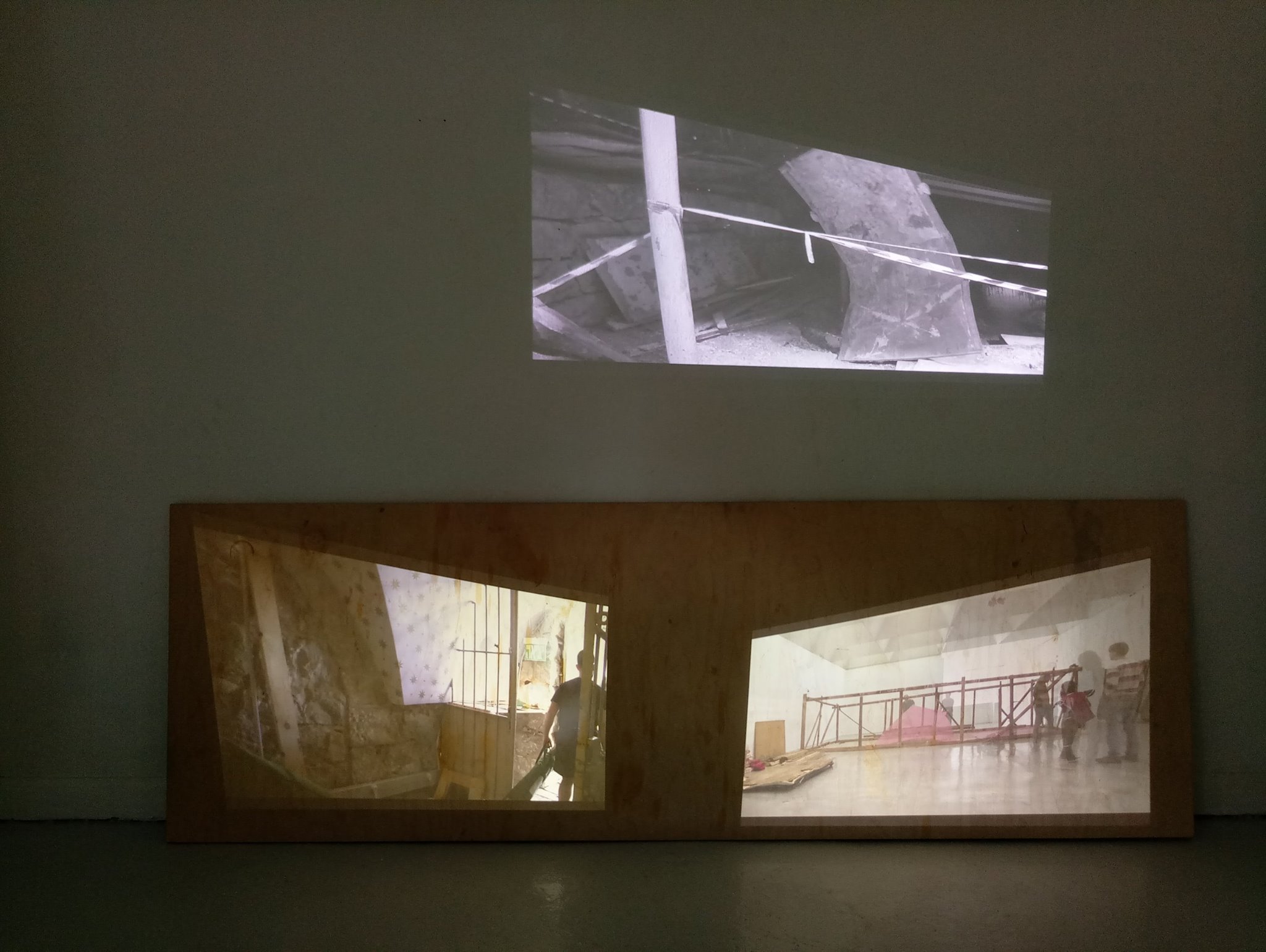
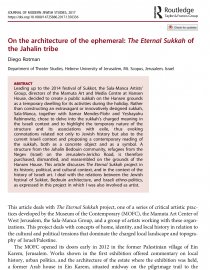
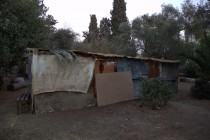
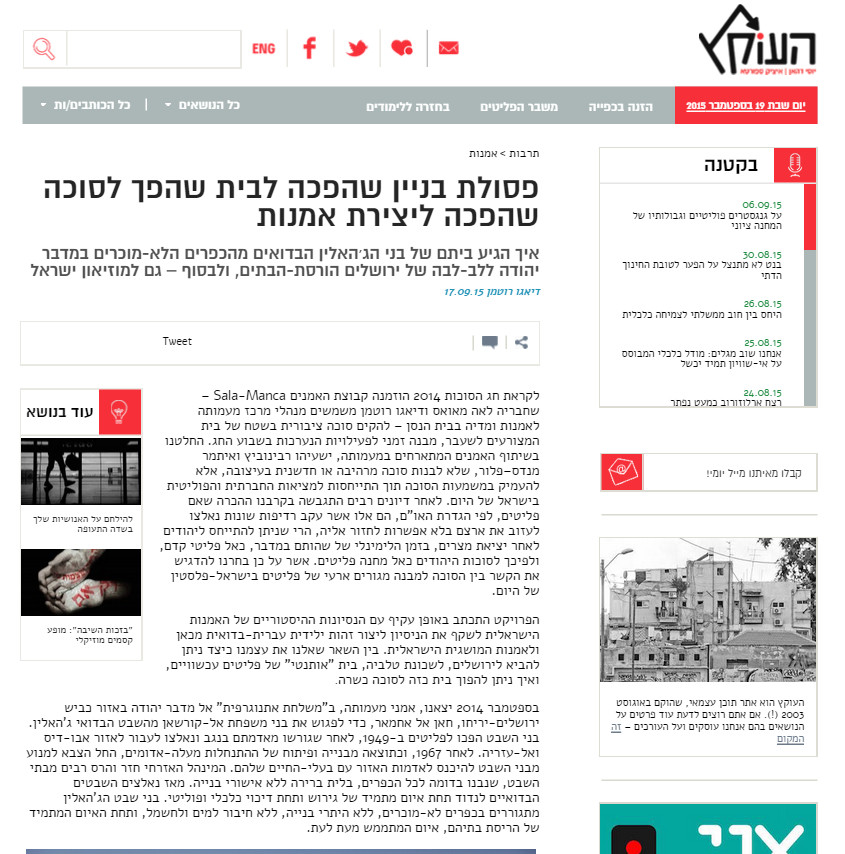
Leading up to the 2014 festival of Sukkot, the Sala-Manca Artists’ Group, directors of the Mamuta Art and Media Centre at Hansen House, decided to create a public sukkah on the Hansen grounds as a temporary dwelling for its activities during the holiday. Rather than constructing an extravagant or innovatively designed sukkah, Sala-Manca, together with Itamar Mendes-Flohr and Yeshayahu Rabinowitz, chose to delve into the sukkah’s charged meaning in the Israeli context and to highlight the temporary nature of the structure and its associations with exile, thus evoking connotations related not only to Jewish history but also to the current Israeli context and proposing a contemporary reading of the sukkah, both as a concrete object and as a symbol. A structure from the Jahalin Bedouin community, refugees from the Negev (Israel) on the Jerusalem-Jericho Road, is therefore purchased, dismantled, and reassembled on the grounds of the Hansen House. This article discusses The Eternal Sukkah project in its historic, political, and cultural context, and in the context of the history of Israeli art. I deal with the relations between the Jewish festival of Sukkot, Bedouin architecture, and Israeli ethno-politics, as expressed in this project in which I was also involved as artist.
his essay engages with domestic performances—that is, works performed in private homes—to explore the notion of domesticity within a political context, specifically in Israel. As a form of site-specific performance, domestic performance usually shifts among different modes of realization, which may include situating performance in a hosting house (whether authorized or unauthorized); pointing to biographical, historical, cultural, and political analogies between the house as “host” and the situation as “ghost”; or actively creating a home space.1 Site-specific performance made its appearance on the Israeli art scene in the late 1960s, but it is only since the early 2000s that it has become a widespread phenomenon,2 with domestic site-specific works becoming prevalent in the second decade of the 2000s.3 Such works were prominent, for instance, in the In-Home Festival in Jerusalem, which has taken place annually since 2011,4 while domestic performances have also been created as independent ventures by Israeli theatres and ensembles, as well as being presented at festivals like the Site-Dependent Festival in Tel Aviv (2010-14). The form’s unique actual and potential aesthetic features, deeply related to the complex psychological, social, and political significance connected with the notion of a home, require much further exploration. Within the Israeli context I analyze The Peacock of Silwan by Alma Ganihar and directed by Chen Alon and Sinai Peter; The Apartment, an adaptation of Franz Xaver Kroetz’s Request Concert staged by Michael Ronen; and Eternal Sukkah by the Sala-Manca Group to examine performance that engages with domestic locations as found space.5 Unlike scenographic representations of a fictive dramatic home onstage, suited to the architectural space in conventional theatres, domestic space is a kind of ready-made found object (objet trouvé); it can be called a deliberately found space, not one that was “found” accidentally; it can involve a creative transformation, whose traits and their belonging to the domestic space take an active part in modeling the domestic environment and a new frame of reference. Yet, beyond being a venue of site-specific performance, this concept serves me essentially by way of negation: while the site of the domestic performance is a found space, it also manifests a lack of domesticity and is often presented as a home unfound.
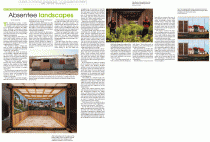
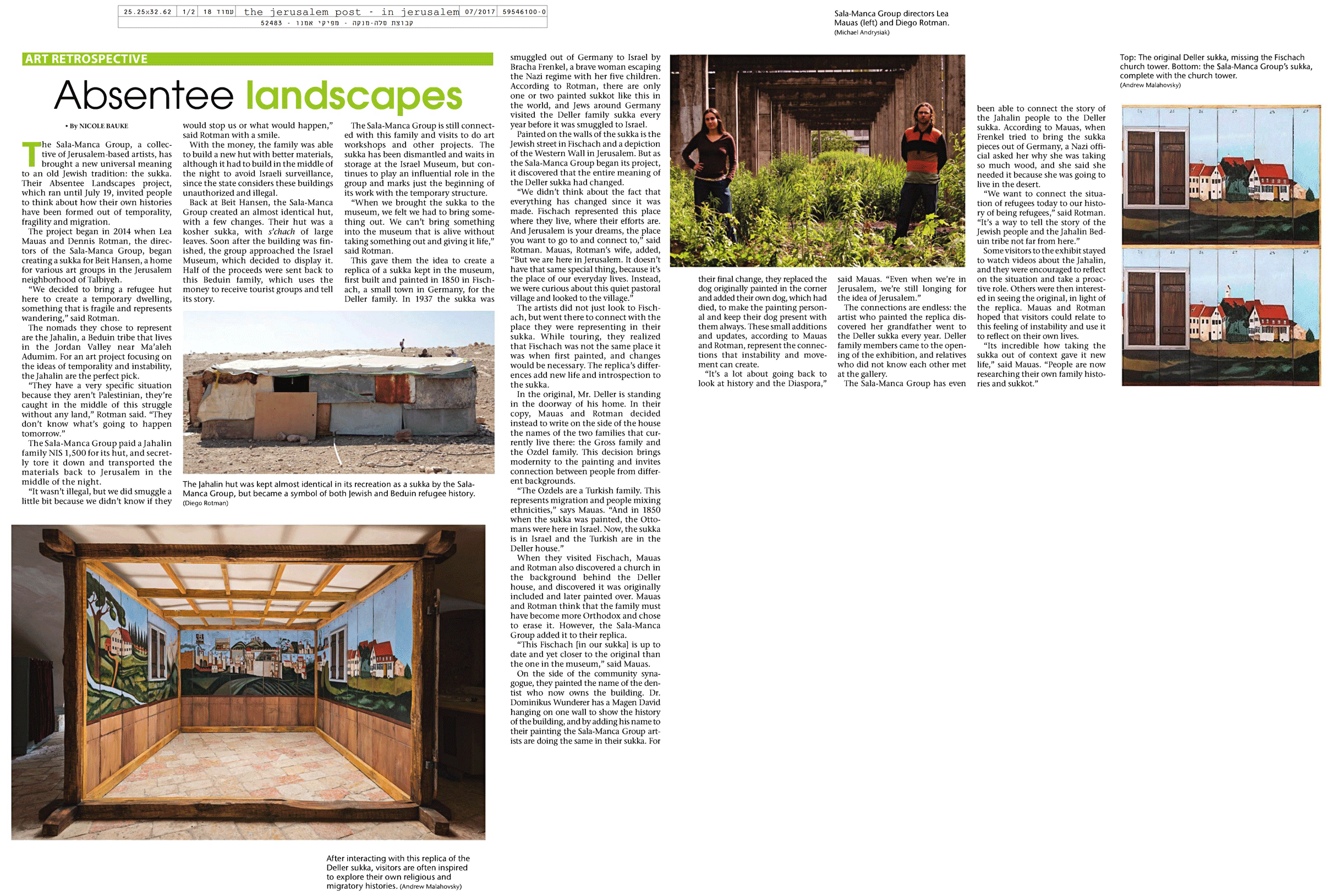
Absentees Landscapes (review by Nicole Bauke), Jerusalem Post, 28.7.2017
Click the image or on-line version
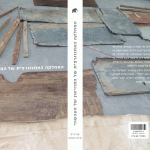
The Ethnographic Department of the Museum of the Contemporary [Hebrew]| Edited by Sala-manca (Lea Mauas, Diego Rotman) |
Book Hebrew [English coming soon]
Texts by: Galit Hasan-Rokem, Daphna Ben-Shaul, Rachel Elior, Shalom Sabar, Freddie Rokem, Sala-manca, Diego Rotman
Works by: Adi Kaplan and Shachar Carmel, Yeshaiahu Rabinowitz, Itamar Mendes-Flohr, Ktura Manor, Pessi Komar, Chen Cohen, Hannan Abu Hussein, Reuven Zahavi, Sala-manca, Nir Yahalom and more
“Visiting the house of the Oxer family in Buenos Aires, a middle-class Jewish family, I was amazed to discover in their living room the Mona Lisa” by Leonardo. That was my first visit to the Museum of the Contemporary” (Joao Delgado)We are glad to announce that the Hebrew version of the Ethnographic Department of the Museum of the Contemporary is already printed! Soon the English version.
“En una visita a la casa de los Oxer en Buenos Aires, una familia Judía de clase media, me soprendi al encontrar en el salon comedor a la Mona Lisa de Leonardo. Aquella fue mi primer visita al Museo de lo Contemporáneo”. (Joao Delgado)
Pronto en las librerías de su barrio!
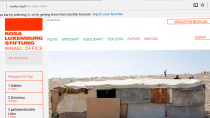
Text about the Eternal Sukkah project translated into German by the Rosa Luxemburg Stiftung, who are kindly supporting the edition of the Ethnographic Department of the Museum of the Contemporary. (for the entire article click here)
Die ewige Sukka – Rosa Luxemburg Stiftung Israel
Die Einladung
Im Jahr 2014 lud der Leiter des „Hansen House. Center for Art, Design and Technology“ die KünstlerInnen der Sala-Manca-Gruppe ein, eine öffentliche Sukka für das Laubhüttenfest zu errichten. Die Sala-Manca-Gruppe beschloss, sich gemeinsam mit den Künstlern Itamar Mendes-Flohr und Yeshaiahu Rabinowitz näher mit der Bedeutung der Sukka im israelischen Kontext zu befassen und ihren temporären Charakter sowie die Verbindung zum Exil zu betonen. Man könnte, so die Auffassung der KünstlerInnen, die IsraelitInnen in der Wüste als frühe Flüchtlinge verstehen und ihre Sukkot, also ihre einfachen Behausungen, als Flüchtlingslager.
Die erste Frage, die sich nun stellte, war, wie man eine „authentische“ Hütte aus einem der heutigen Flüchtlingscamps in Israel/Palästina nach Jerusalem bringen könnte, und die zweite, wie man diese in eine koschere und „authentische“ Sukka verwandeln könnte.
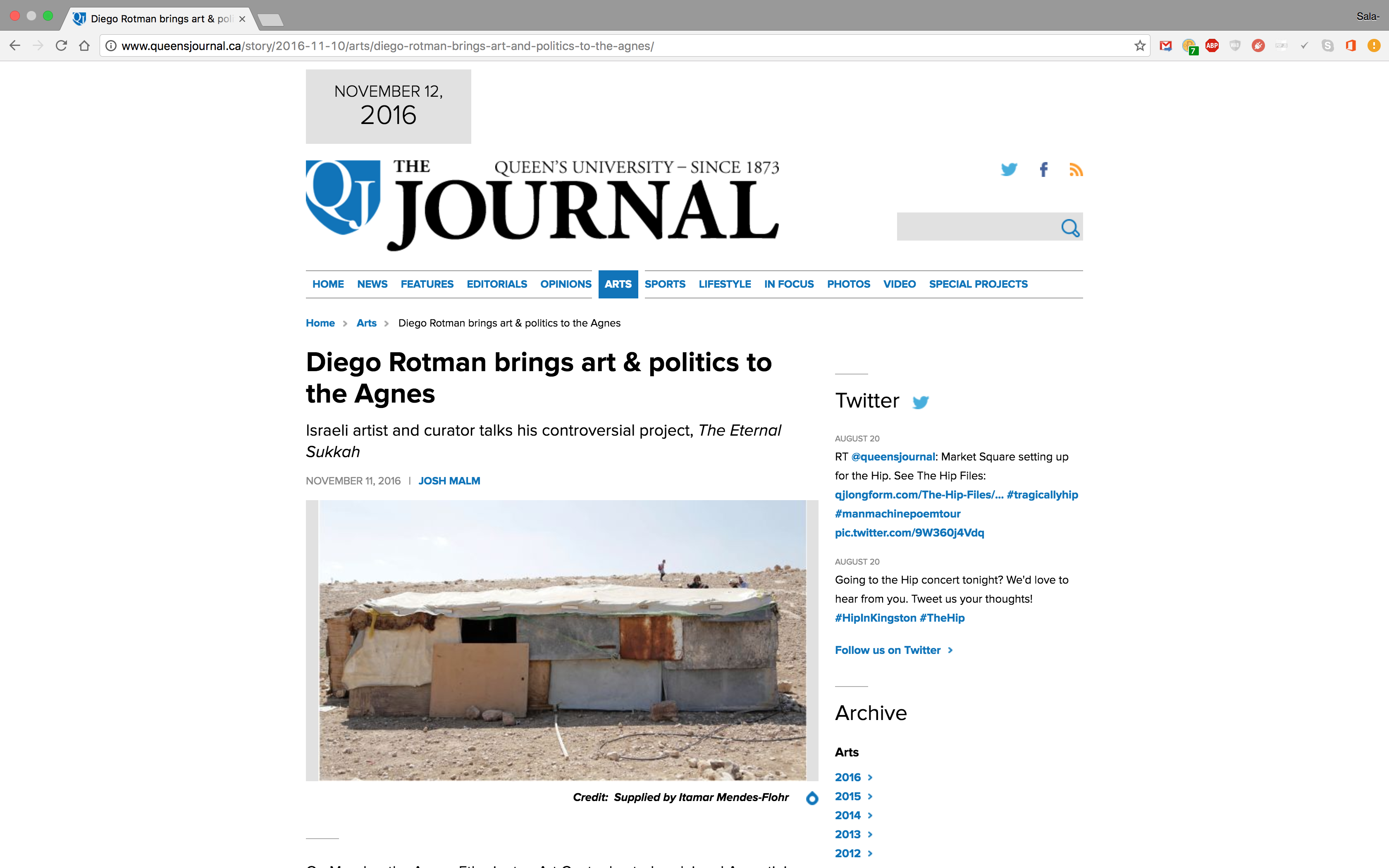
Queen’s Journal, 11.11.16, by Josh Malm
“On Monday, the Agnes Etherington Art Centre hosted acclaimed Argentinian-Israeli artist Diego Rotman, as he delivered a thought-provoking presentation on his latest project, The Eternal Sukkah.
Rotman, an academic, interdisciplinary artist and curator, has a particular interest in performance practices that engage local historiography, folklore research, art politics and Jewish culture.
In 2014, Rotman and fellow Israeli artist Lea Mauas built a sukkah (a Jewish ritual and dwelling), inspired by a Bedouin tent-like home common to those who live in the desert. This became their work, entitled, The Eternal Sukkah, representing Bedouin nomadic culture in the context of modern day refugees.”
[to see the entire article visit here]
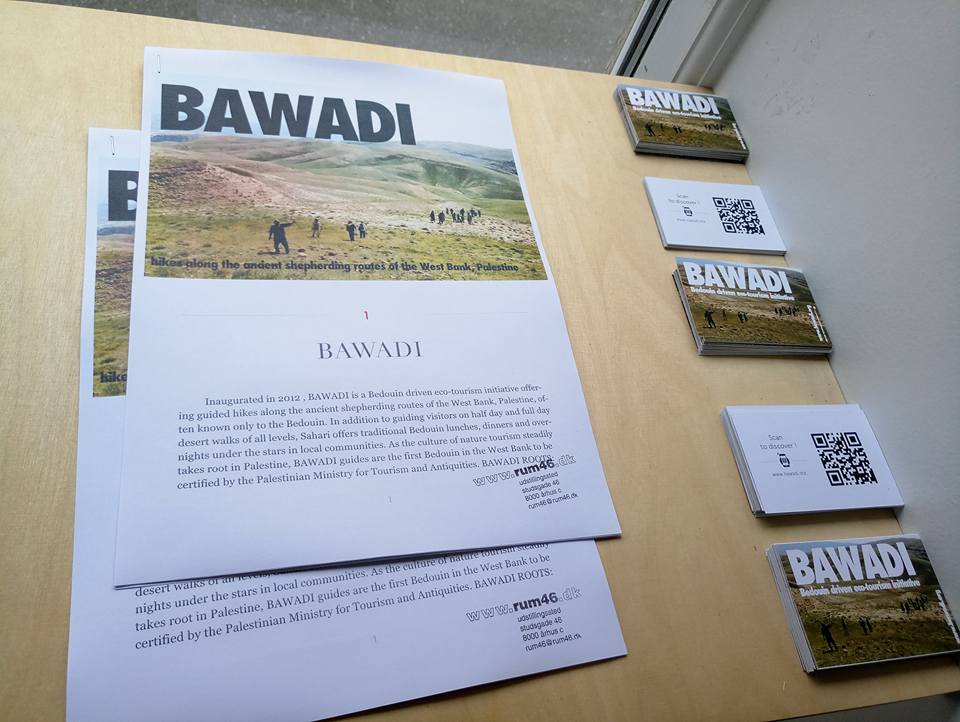
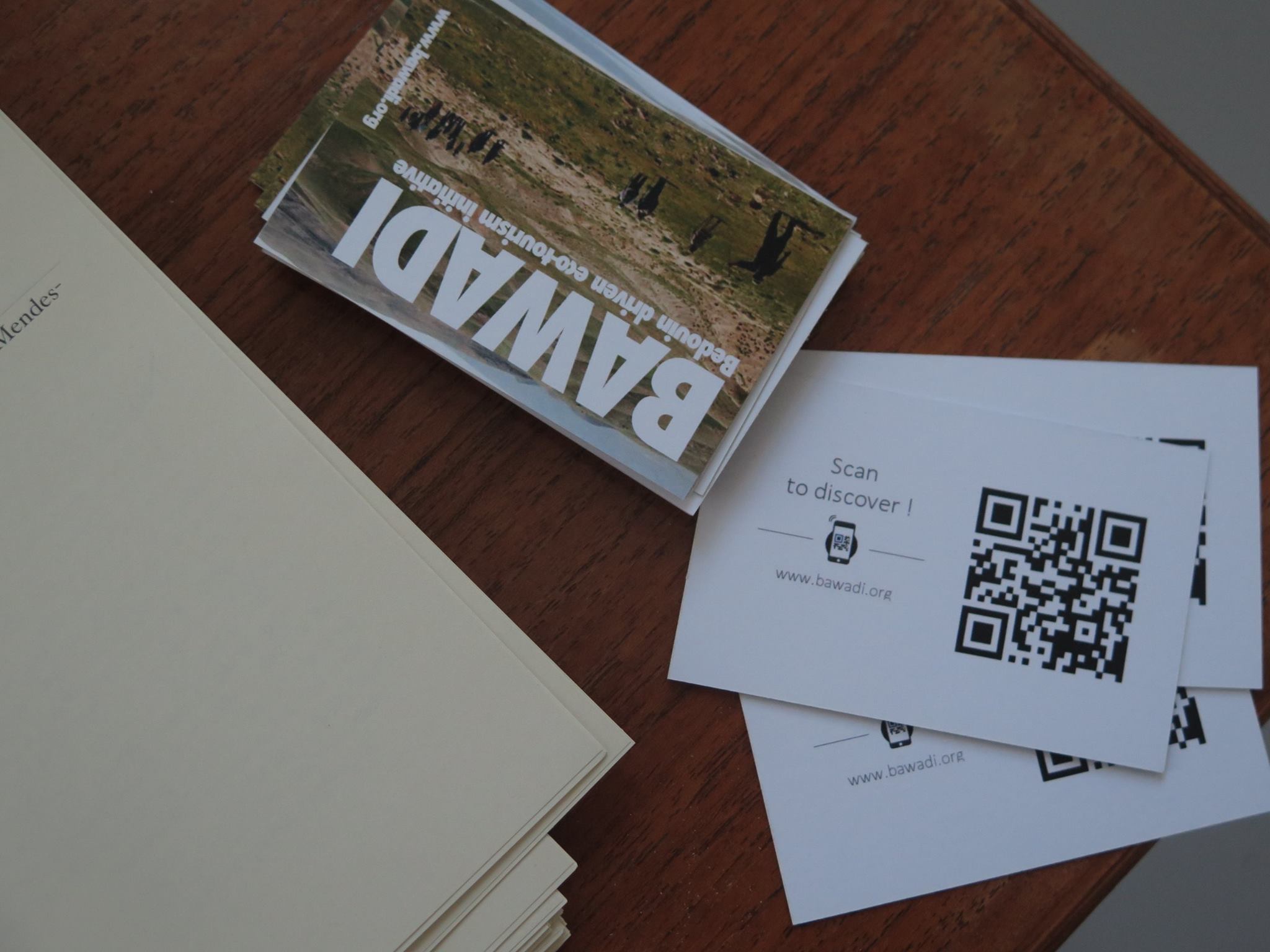
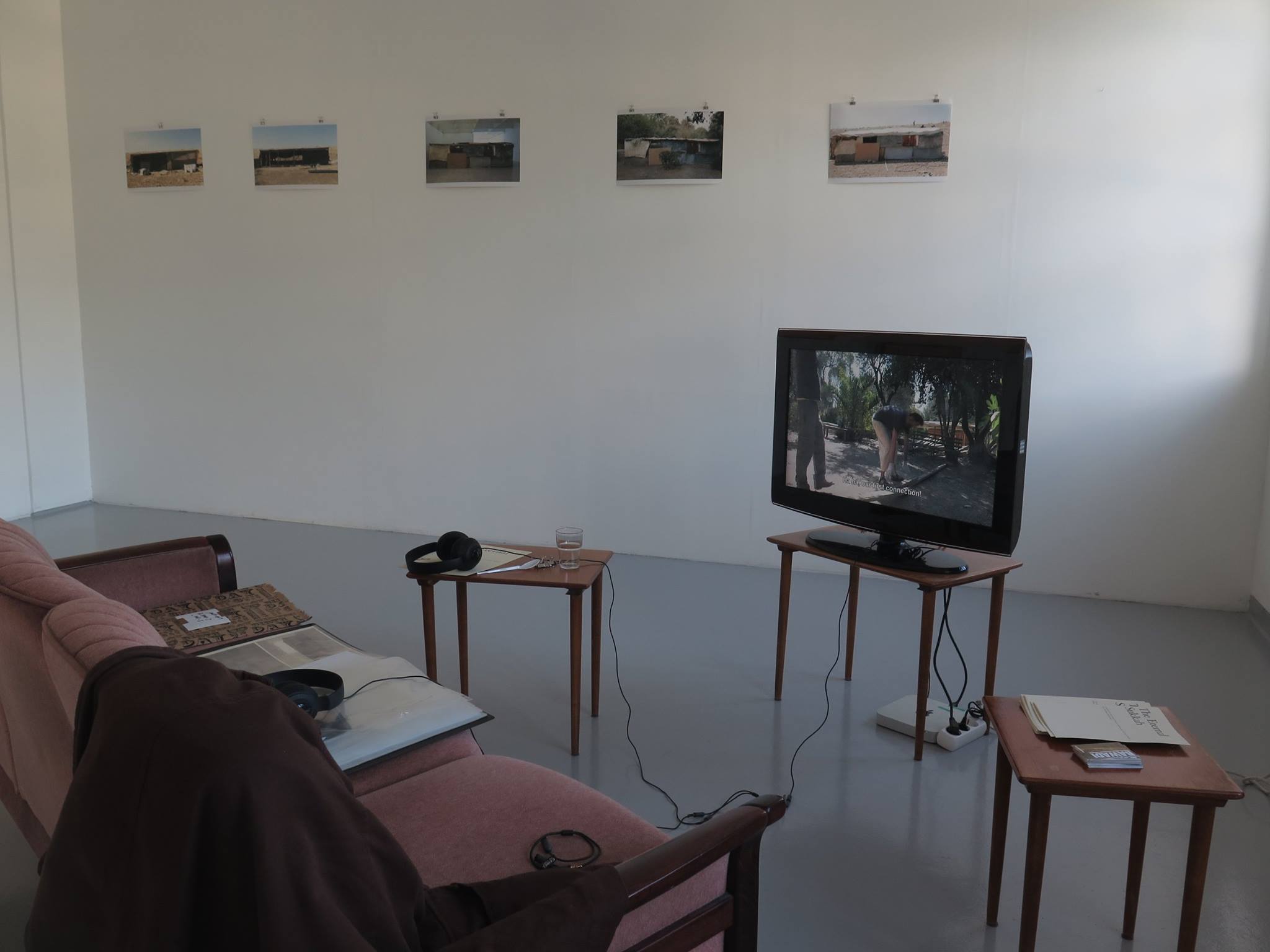
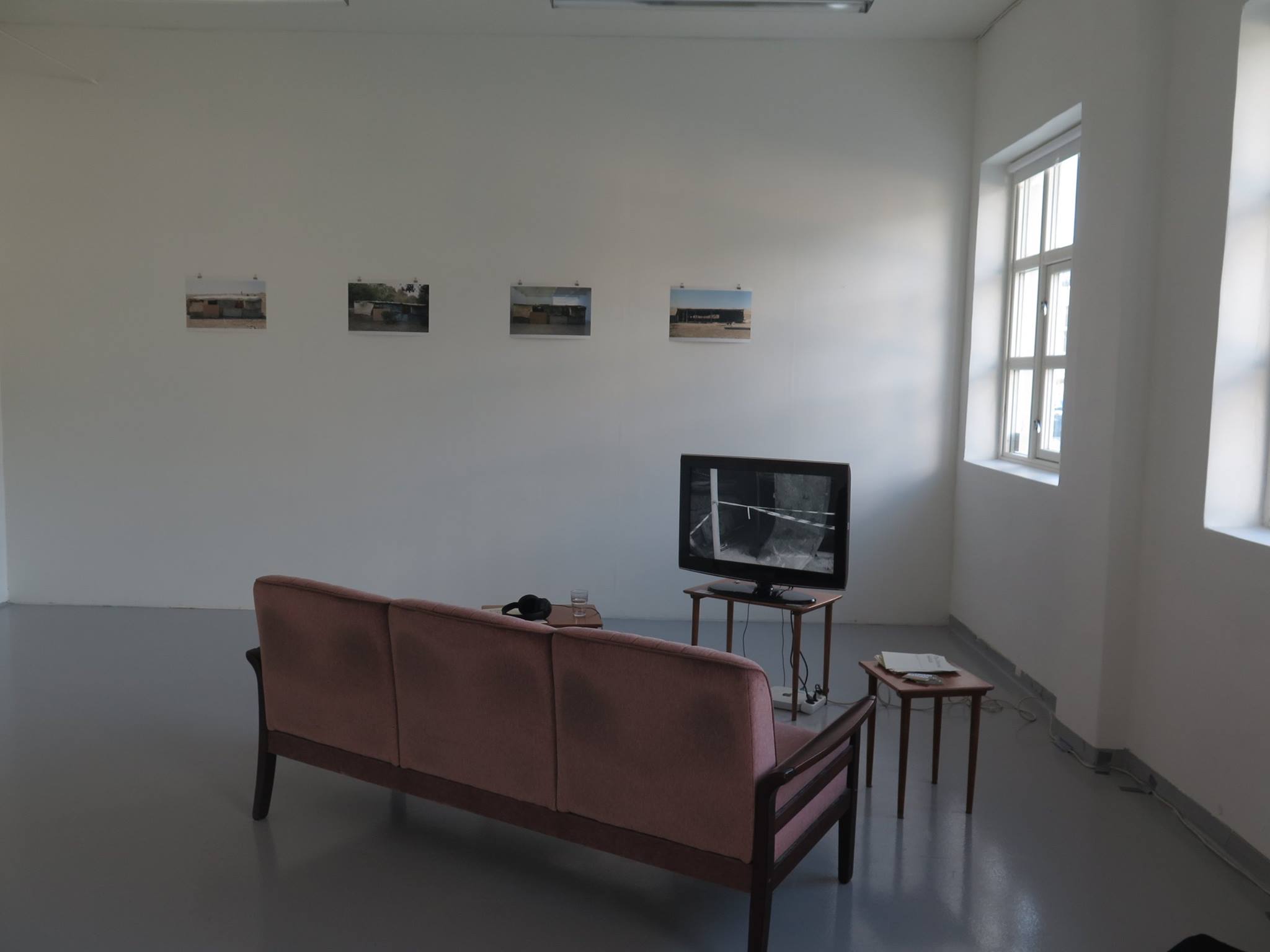
The Eternal Sukkah project (developed by us in collabortion with Itamar Mendes-Flohr and Yeshaiahu Rabinowitz) and the www.bawadi.org development project by the Jahalin Community at Tag Team Studio in Bergen, in a project runed by Brandon LaBelle in the frame of the Bergen Assembly 2016.
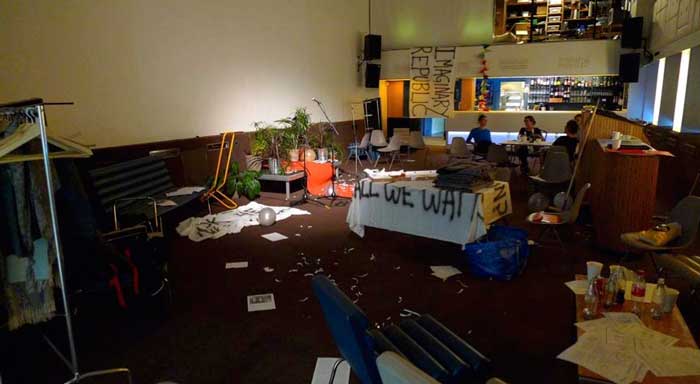
“The Imaginary Republic is a research project developed by Brandon LaBelle. During September and October the project takes the form of a group exhibition at Tag Team Studio, showing works by national and international artists. Through propositional and speculative works the exhibition, presented in two editions, focuses on questions and experiences of public life and culture.”
The artists showing works in Part 2 of The Imaginary Republic are Hélène Frichot, Marianne Heier, Marysia Lewandowska, Sala-manca and Lise Skou.
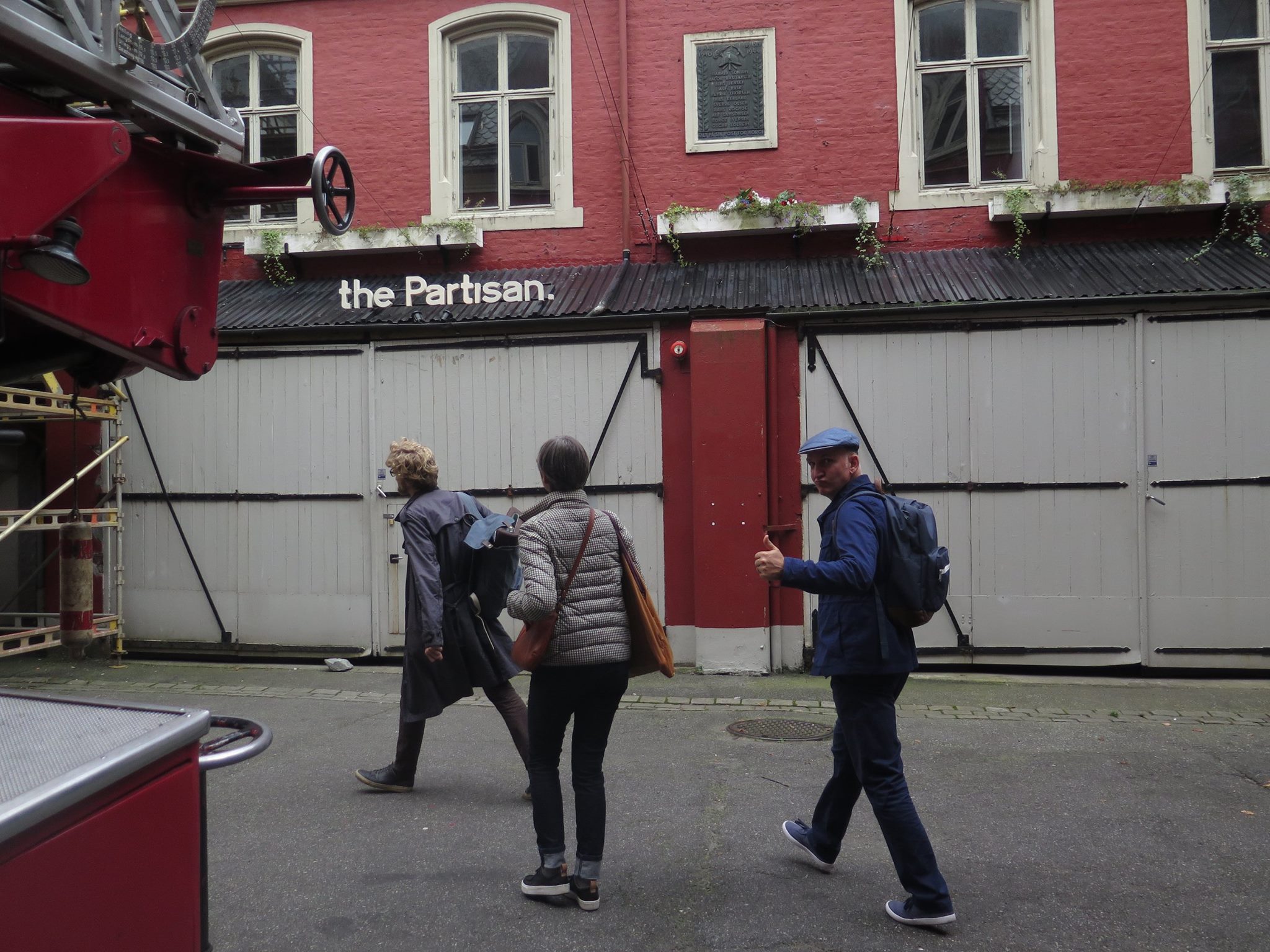
This Saturday 24.9, a talk a the Partisan Cafe, from the Bergen Assembly with Brandon Labelle (http://bergenassembly.no/en/freethought/the-partisan-cafe/)
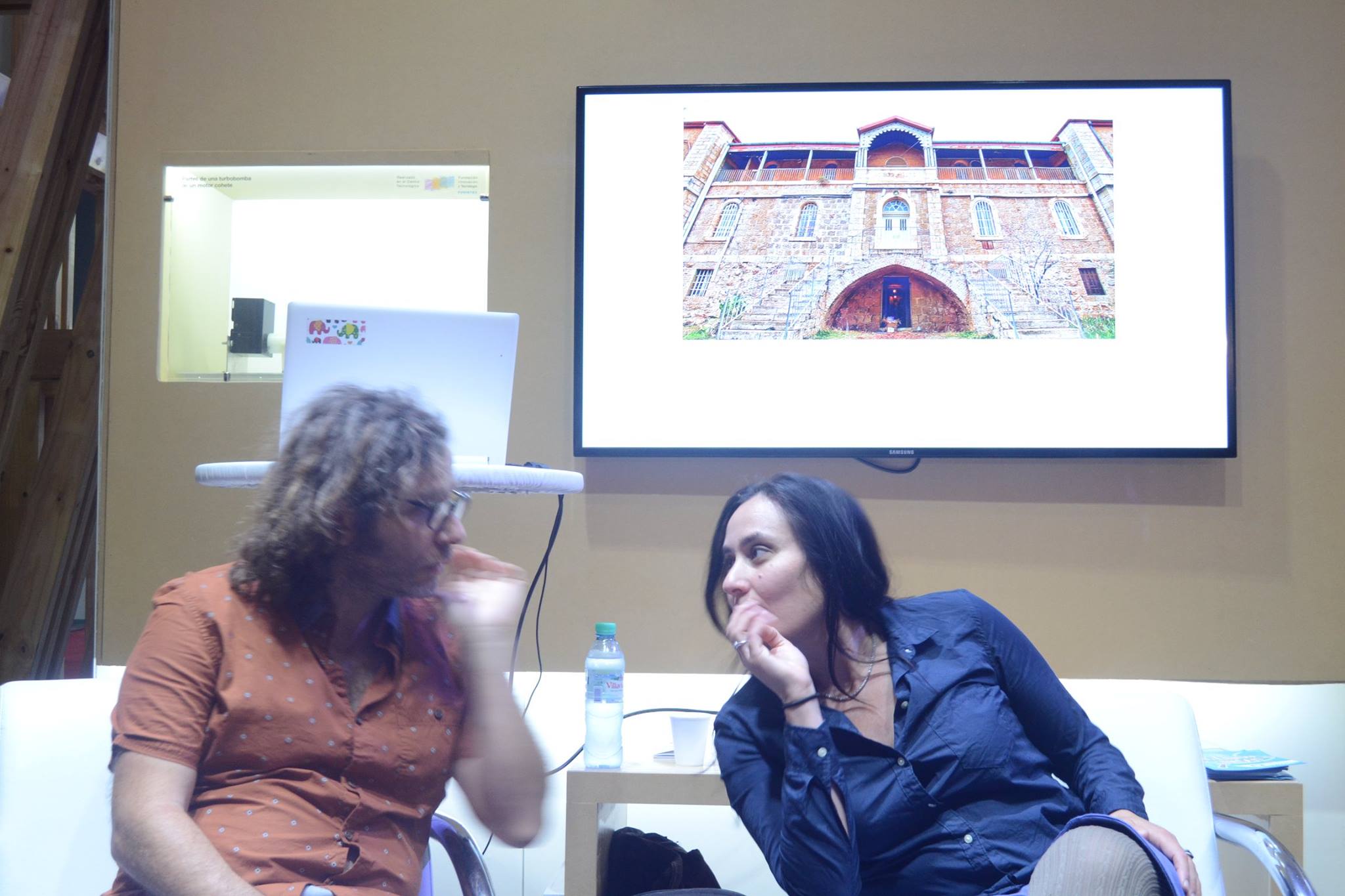
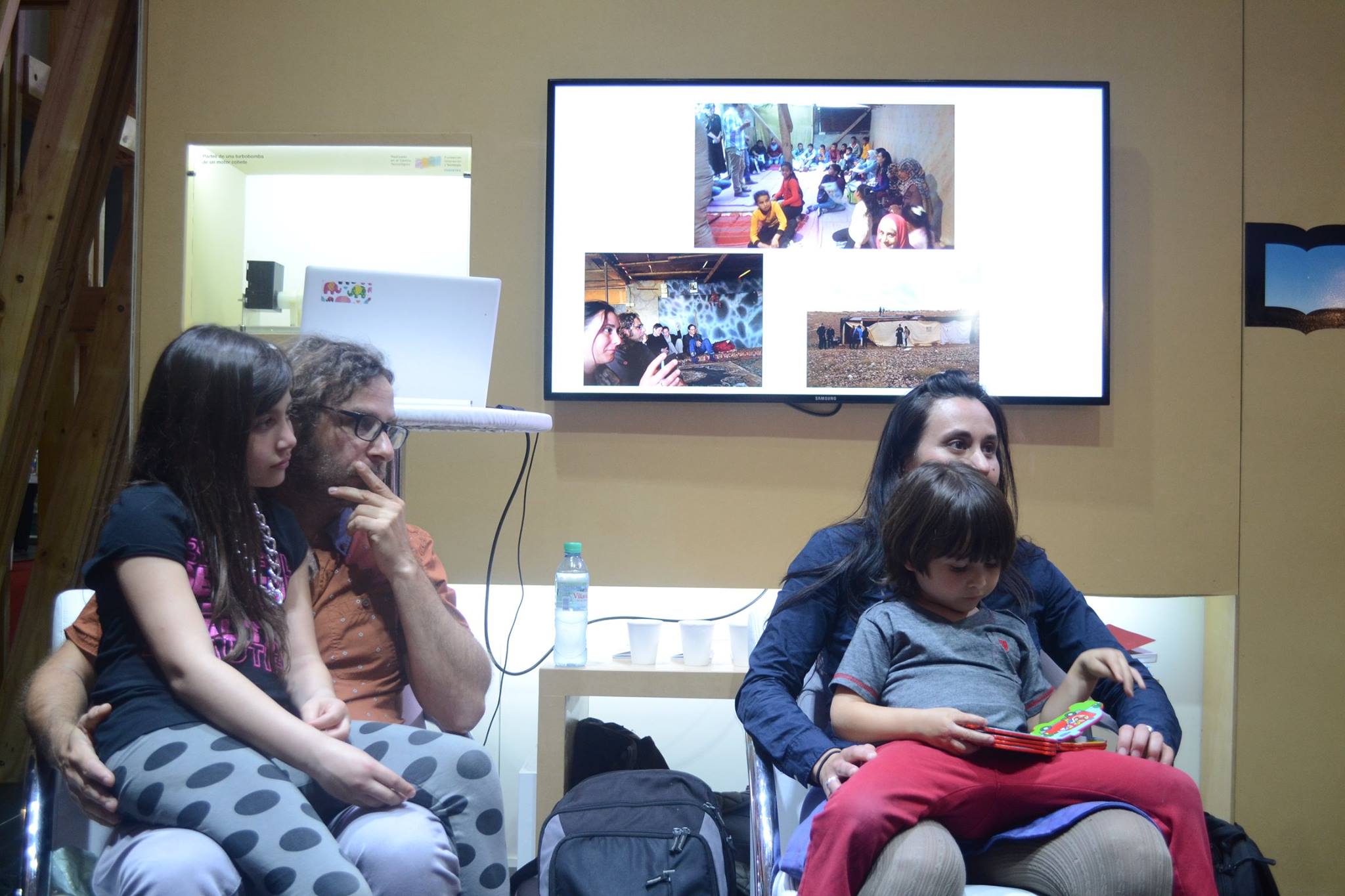
A review (in Spanish) about the conversation we had with Alexandre Roig and organized by Renato Fumero for the San Martin University at the Buenos Aires international book fair last Sunday.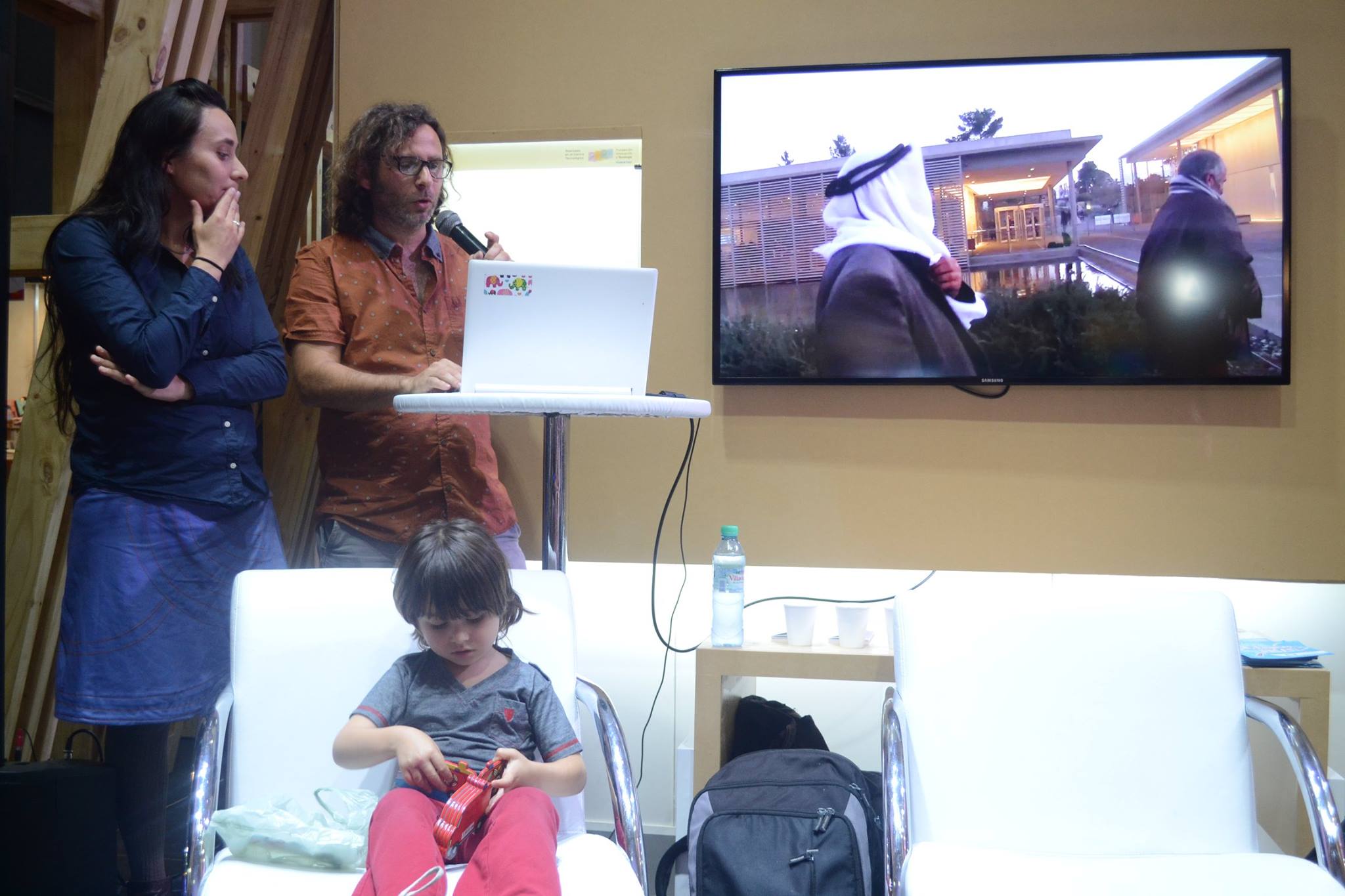
Link to the article by Graham Lawson
About the W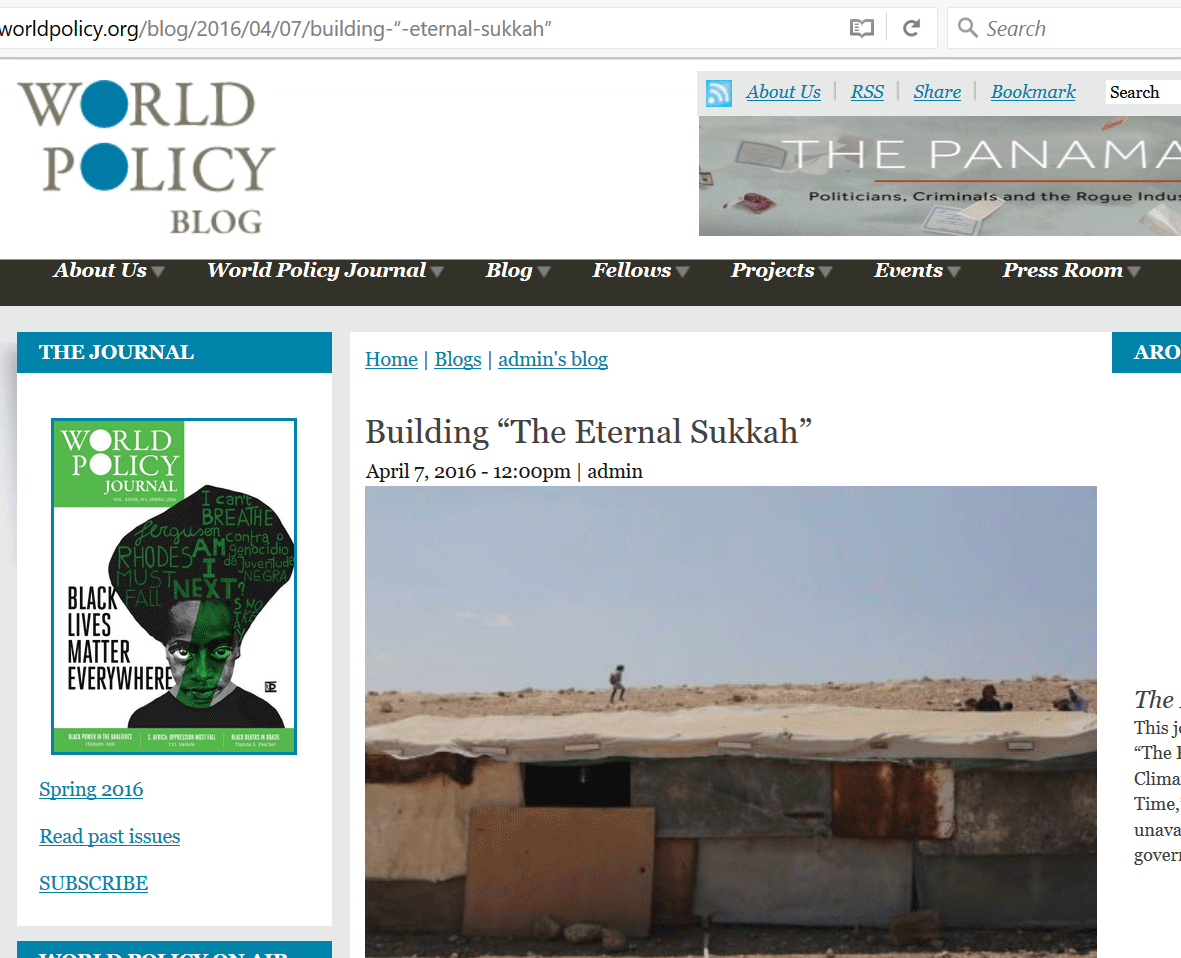 orld Policy Institute:
“The World Policy Institue was founded in New York City in 1961 as the Fund for Education Concerning World Peace through World Law, the World Policy Institute has its origins in the post-World War II movement of moderate internationalists. From 1991-2007, the Institute was part of The New School, a New York City university. In 2007, the World Policy Institute was re-incorporated as a free-standing institution, which works in active collaboration with like-minded organizations around the world. In January 2009, Foreign Policy magazine ranked WPI as the 16th most influential US think tank, out of 1777 in the United States and 5465 worldwide.”
More than 30 kids from the Jahalin community came for a visit to the Israel Museum in the frame of the “Eternal Sukkah” project. It was an intensive, rich and amazing day of learning, joy and dialogue. 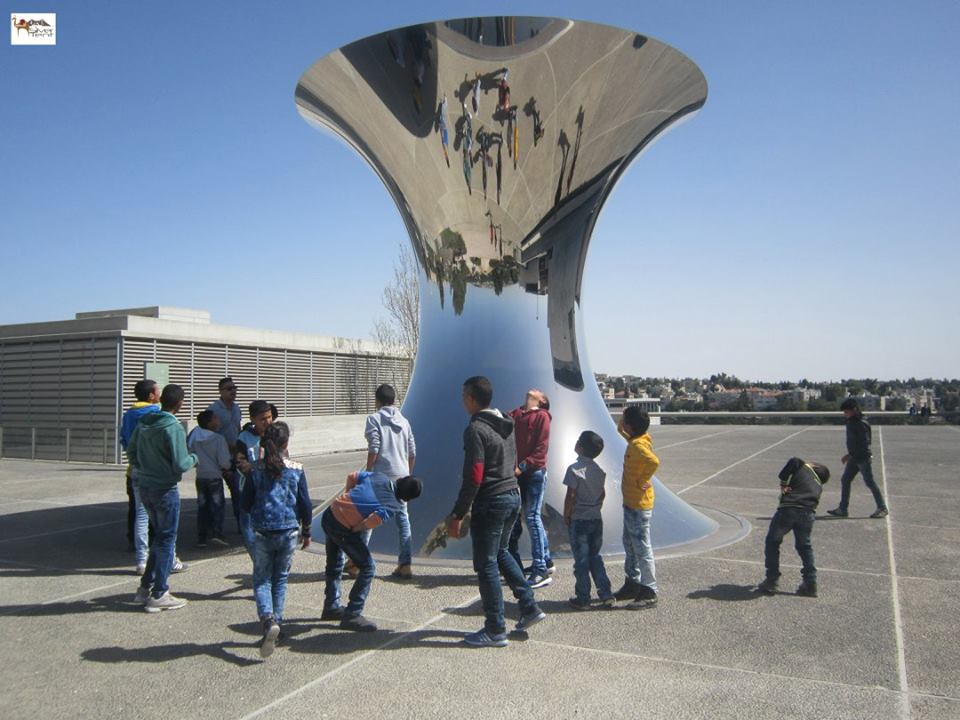
The kids, who enjoyed so much the different exhibitions of the museum can’t visit this Museum, neither the sea, neither the zoo without special permits from the Civil Administration. The visit was a joyful and for all of the kids was their first visit to an art and archeological museum and to the Zoo.
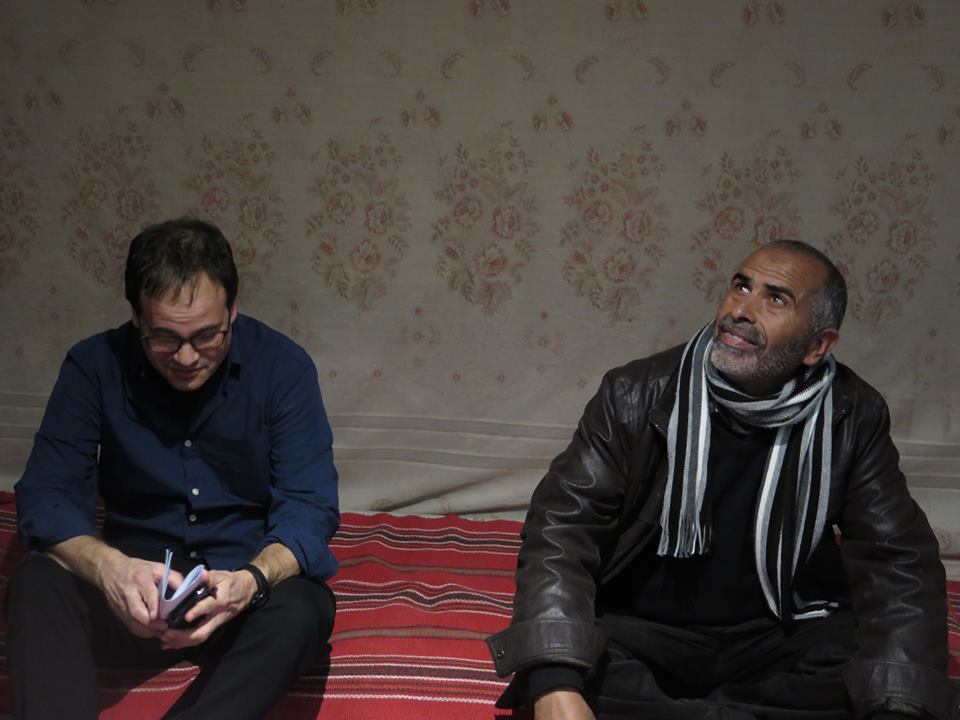
We visit the Tent/Sukkah and then spoke about the reality of house demolitions, unrecognized status and against that the attempt to keep, respect and share an invisible reality for many of the museum visitors. We talk about the idea that the “Eternal Sukkah” hosts the Jahalin reality as well as the sukkot tradition is hosted at the Jahalin Tent. After the lunch we went to the Zoo in order to fulfill their wishes for that day. It was for all of us an unforgettable experience. 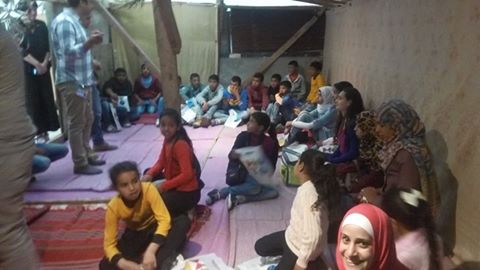
Thanks a lot to the Israel Museum for hosting and organizing this experience, thanks to Melhem for planning so well, in all the details such a special day of art & joy. Thanks to all those who made this possible: Amitai, Shir, Rita, Tamara,Ella, Melhem, Ahmed, Ala, Ruth, Tali, Tariq, Suleiman, Sabrin, Ahud, Abu Suleiman and to Bar Kayma non-profit בר-קיימא for helping us to bring the kids.
Video Documentation [Hebrew. Arabic& Hebrew]
2.2. 2016 | On Hybridization, Transience, and Refugees | Israel Museum
Entire documentation of a discussion focusing on The Eternal Sukkah by the Sala-Manca group, together with Itamar Mendes-Flohr and Yeshaiau Rabinowitz.
For more info on the project: http://old.sala-manca.net/?cat=274
Featuring: Amitai Mendelsohn, Abu Suleiman – Jahalin Tribe, Rachel Elior, Daphna Ben-Shaul, Alon Cohen-Lipshitz, and the artists.
A discussion focusing on The Eternal Sukkah by the Sala-Manca group, together with Itamar Mendes-Flohr and Yeshaiau Rabinowitz.
Featuring Dr. Amitai Mendelsohn, Mr. Abu Suleiman spokesman of the Jahalin Tribe, Prof. Rachel Elior – Hebrew Universiry, Daphna Ben-Shaul – Tel Aviv University, architect Alon Cohen-Lipshitz, and the artists at the Israel Museum.
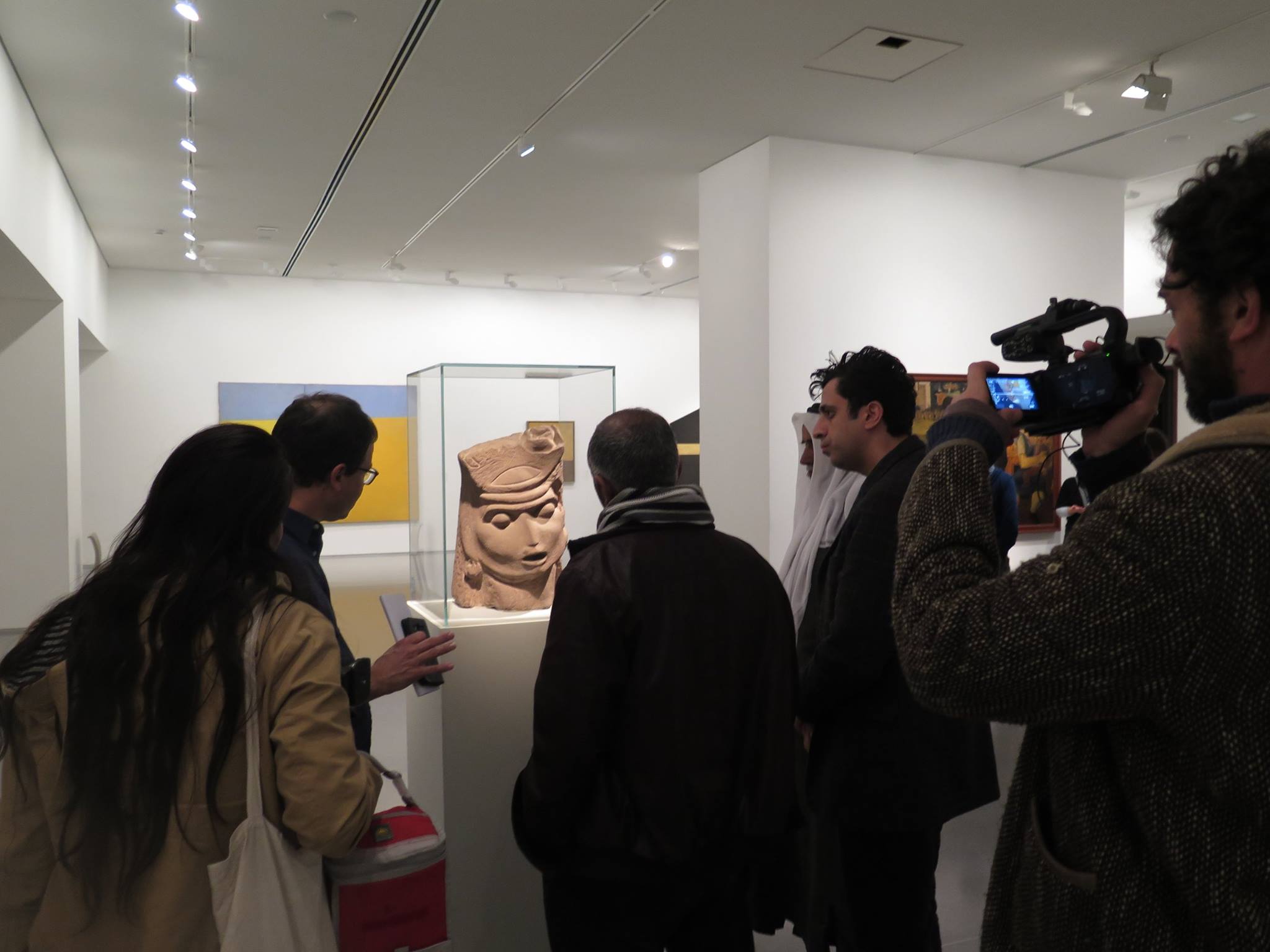
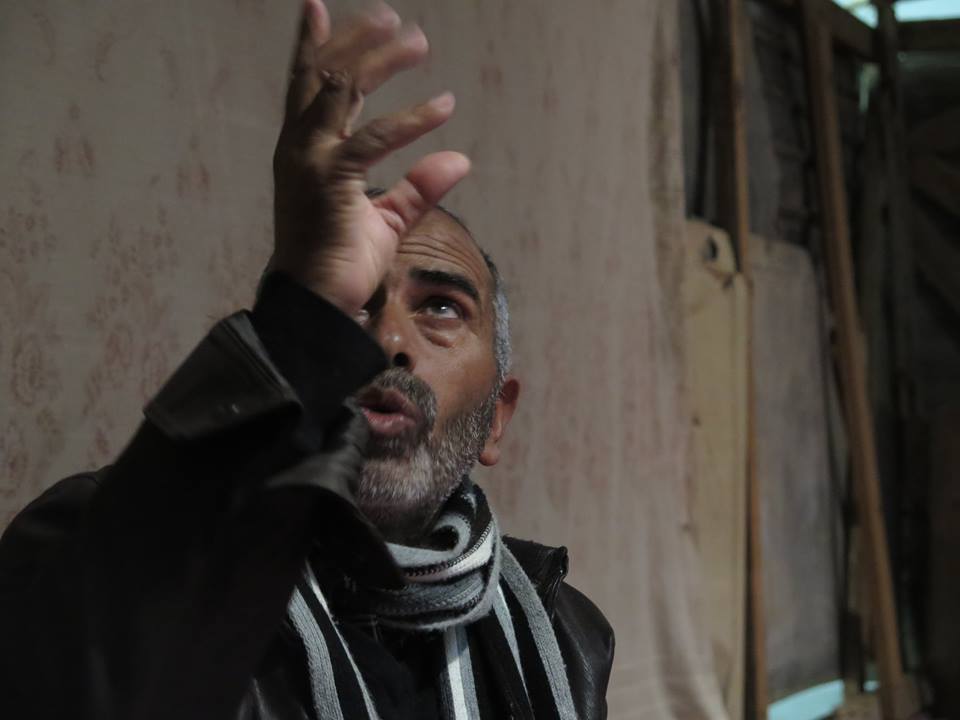
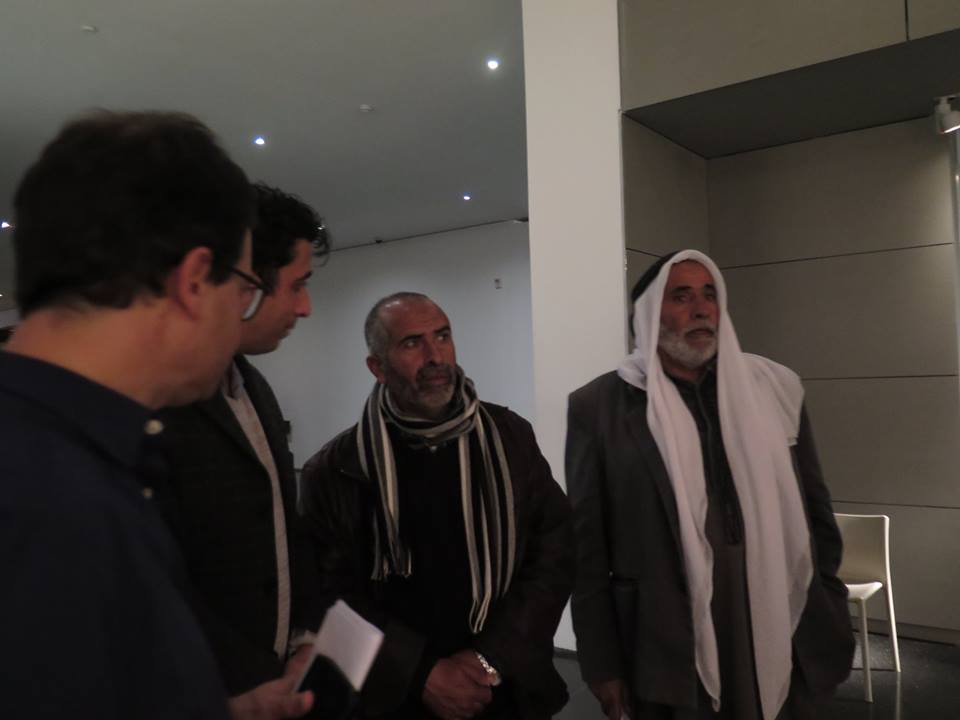
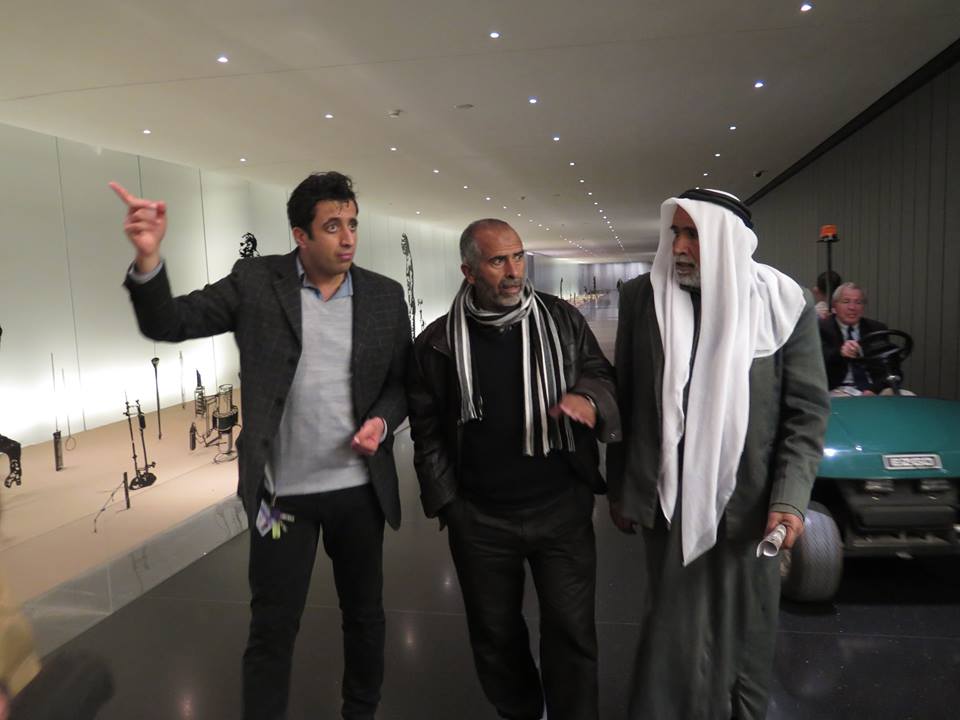
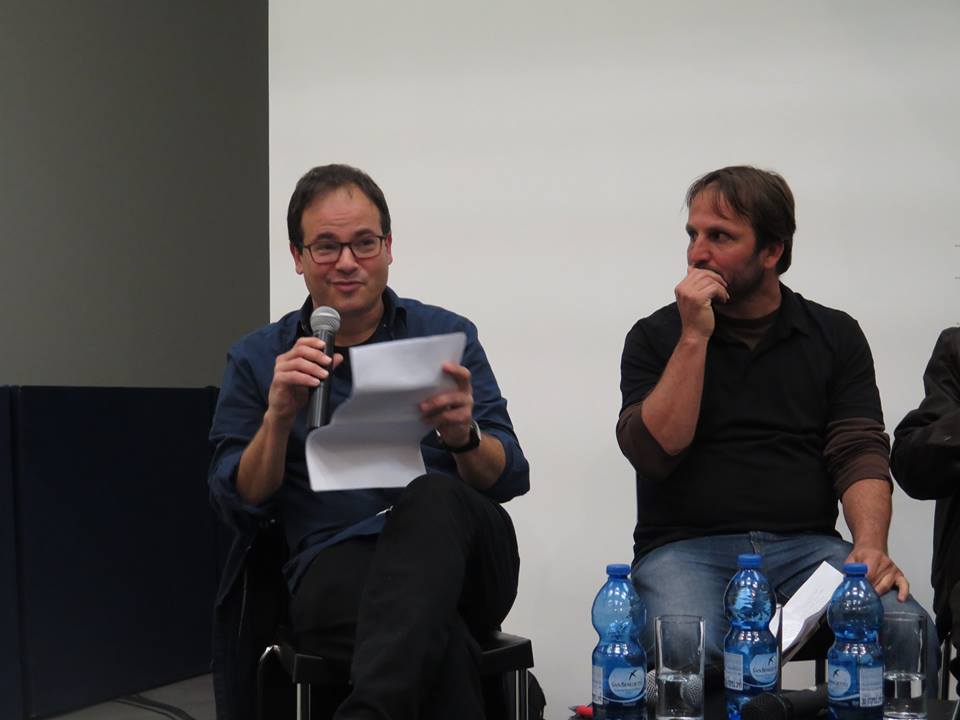
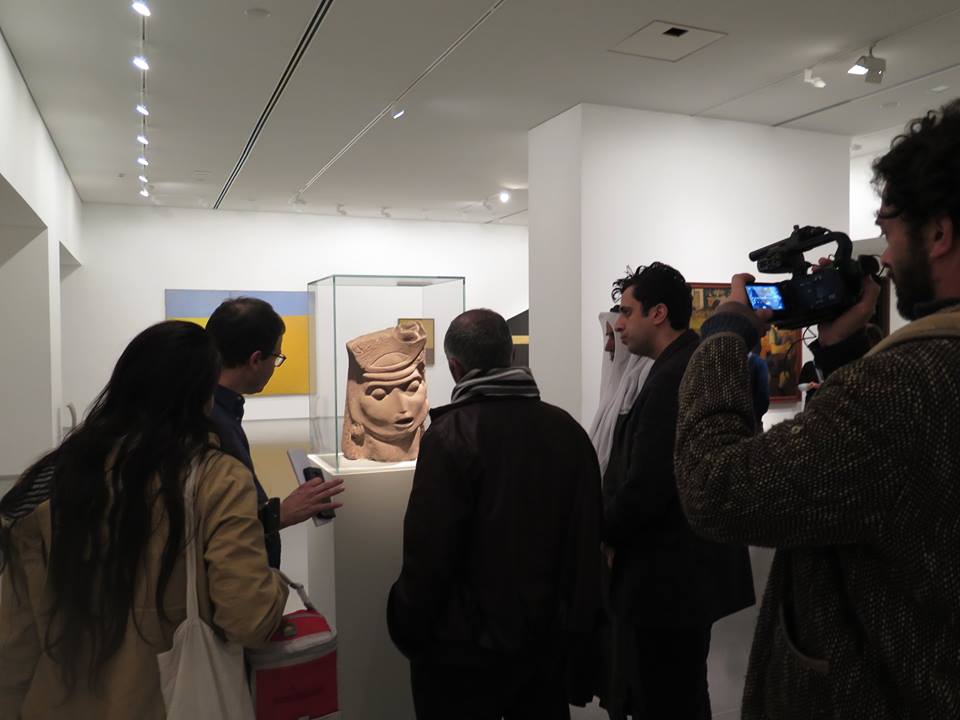
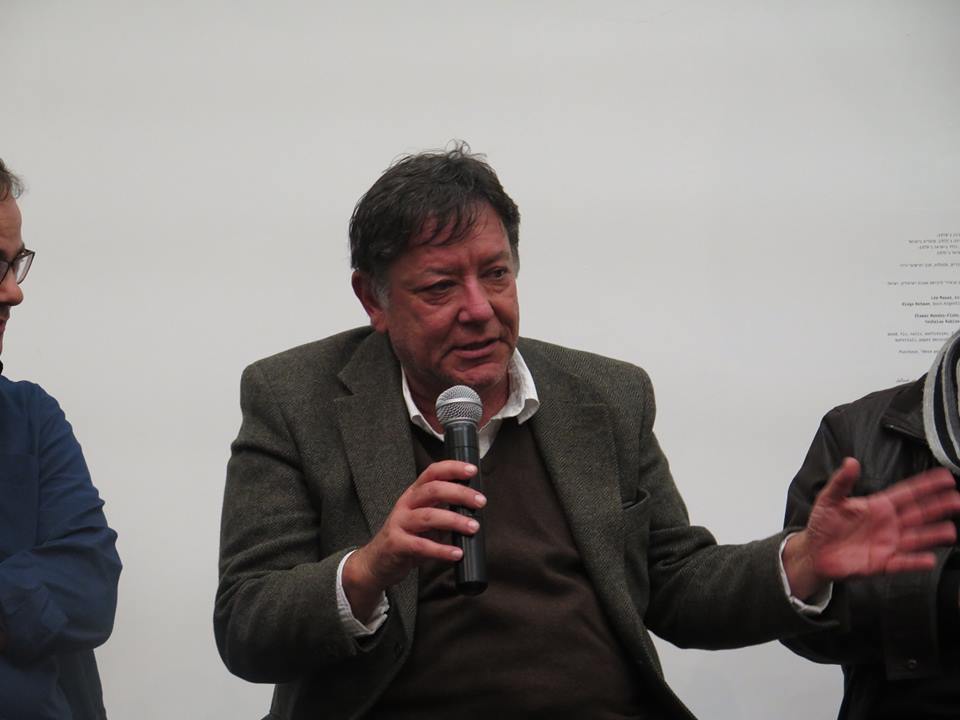
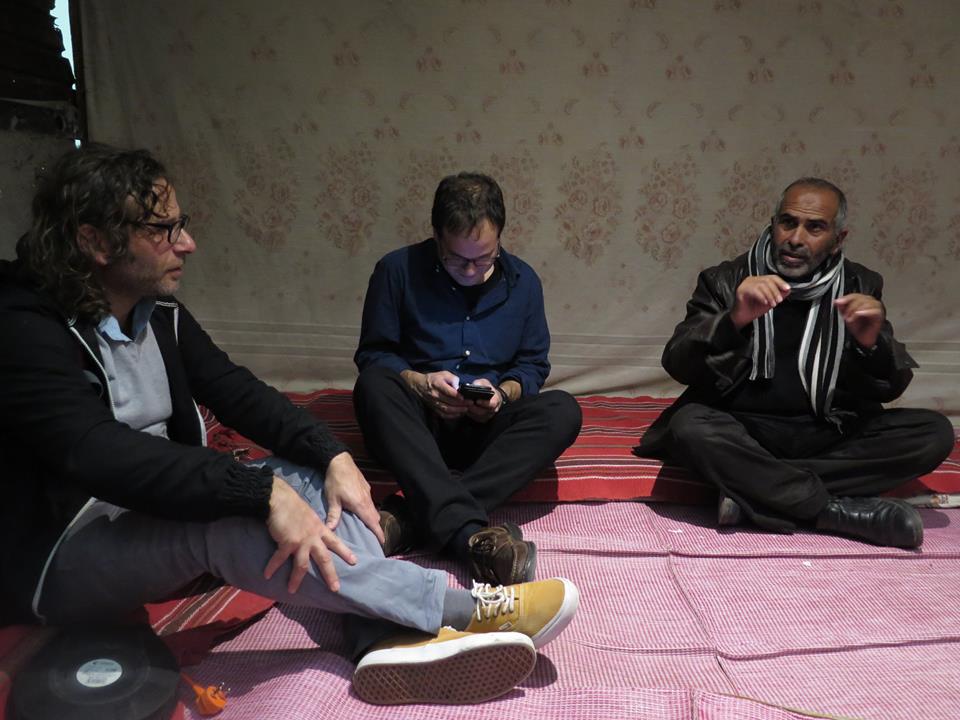
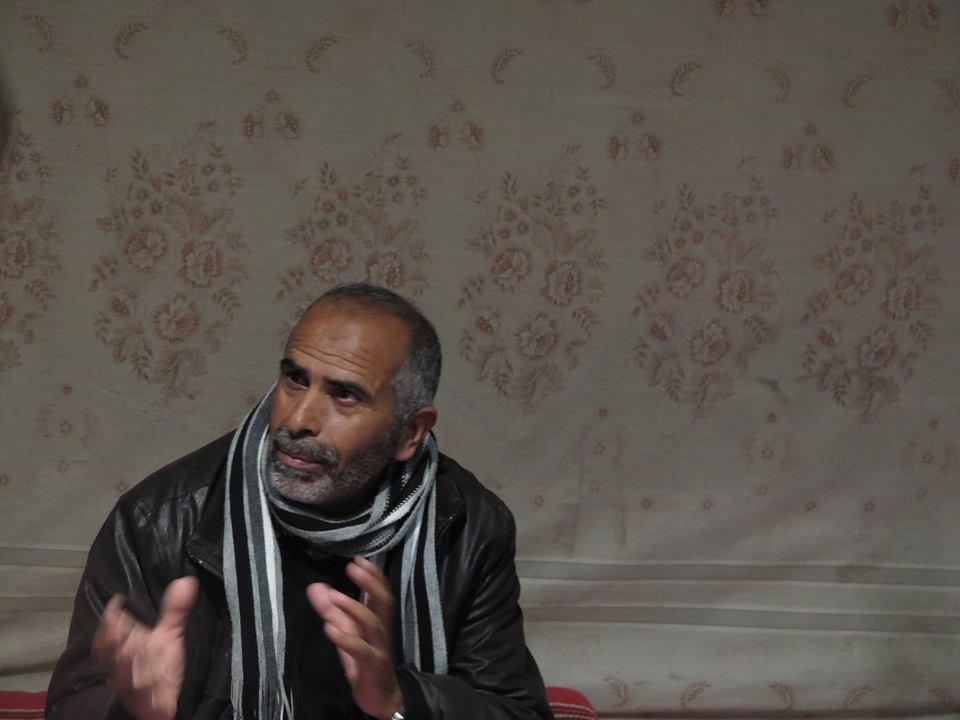
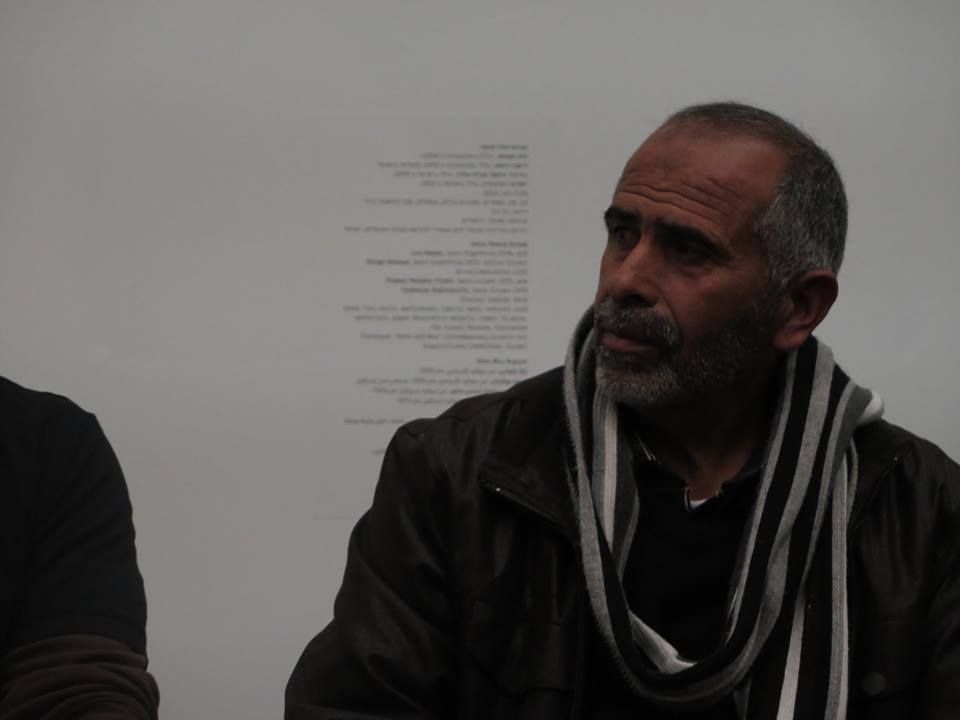
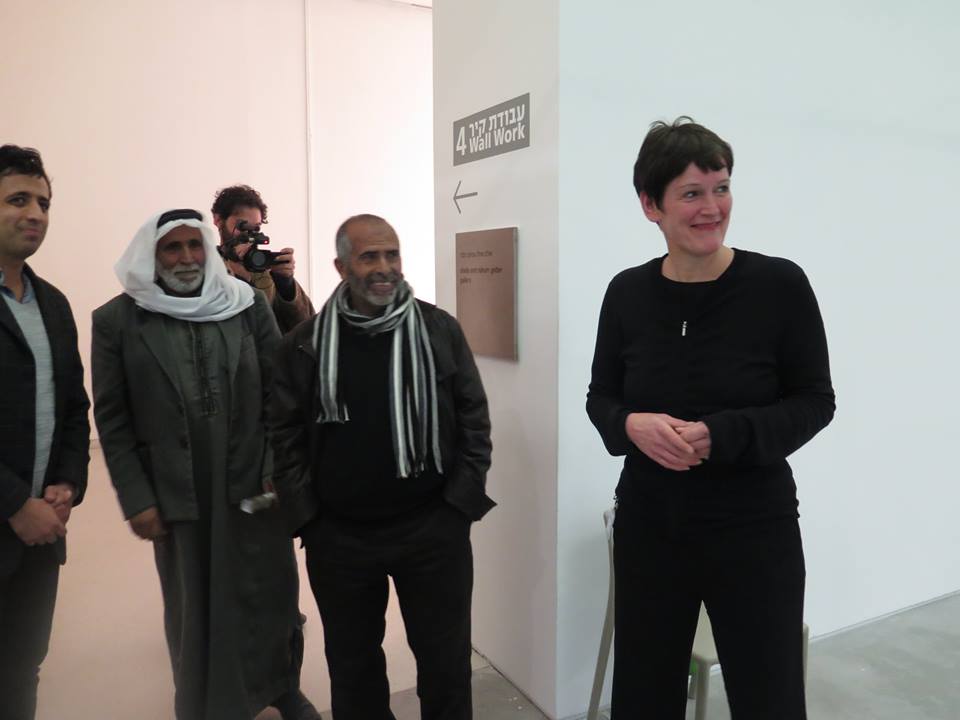
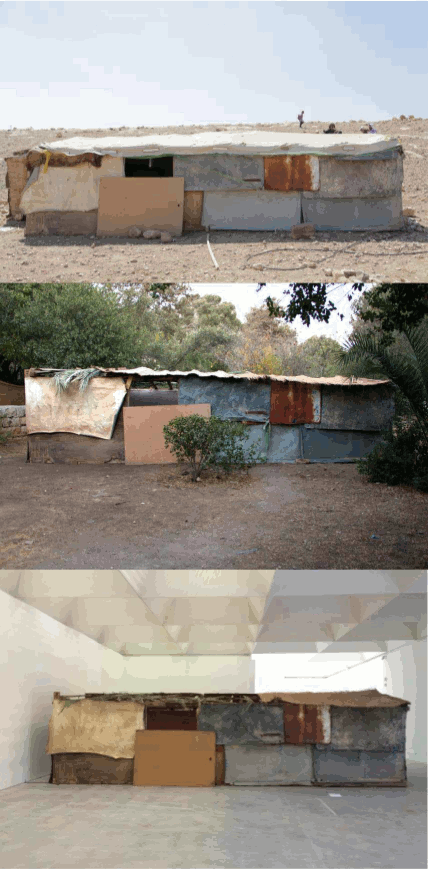 An illegal shanty structure from the Jahalin Bedouin community on the Jerusalem-Jericho Road purchased, dismantled, and reassembled in the as a Jewish Sukkah at the Jerusalem Hansen House for Art, Design and Technology in October 2014 was purchased by the Israel Museum for part of their art collection and going to be reensambled and exhibit from September 20, at the Israel Museum.
In the lead-up to the 2014 Sukkot holiday, the Sala-Manca Group (Lea Mauas and Diego Rotman), directors of the Mamuta Art and Media Center at Hansen House, decided to create a public Jewish Sukkah on the Hansen grounds, a temporary dwelling for its activities during the holiday. Rather than construct an extravagant or innovatively designed Sukkah, the artists chose to delve into the sukkah’s charged meaning in the Israeli context and to highlight the temporary nature of the structure and its associations with exile – thus evoking associations not only with Jewish history but also with the modern Israeli context, and proposing a contemporary reading of the sukkah, both as a concrete object and as a symbol. A structure from the Jahalin Bedouin community on the Jerusalem-Jericho Road is purchased, dismantled, and reassembled in the Hansen House for Art, Design and Technology.
The Jahalin first became refugees in 1949 when they were expelled from their lands in the Negev desert. They migrated to the region of the Judean Desert, where transience continues to be a part of their daily lives. The artists met members of one of the families and listened to their stories. They then proposed to purchase a structure from them, with the idea of dismantling it and reassembling it in the garden of the Hansen House and thus transplanting a piece of one reality within another one. Not only is the sukkah structure itself transplanted to the center of Jerusalem, but with it a different story of exile and desert-dwelling. The adopted sukkah proposes a re–reading of Jewish history, an observation of the state of exile, a search for a new ethnic-national-social space, a pursuit of freedom, and an exposure to the diversity of Israeli reality and the paradoxes of history.
The next step in the project was merchandising the Sukkah as an art piece. The artists decided to intent to sell the Eternal Sukkah charging for it ten times the price paid for the original dwelling giving half of this sum would be turned over to the Al-Korshan as “copyright fee” for the design. Last June the Israel Museum decided to acquire the piece of their collection. The museum is going to build with the acquisition a precise map of instructions for the dismantling and reassembling this emblematic puzzle. What was formerly construction waste would become the object of a process of cataloguing and conservation meant to prevent the deterioration of this object of cultural heritage. Such preservation efforts would be among the most obsessive and meticulous processes of conservation and canonization of an illegal building ever undertaken; the Sukkah, further eternalized by the Museum, would stand as an iconic symbol of Israeli ethnic politics, a canonization process of the ephemeral.
Response letter by Lea Mauas and Diego Rotman to the art critic in Haaretz, published a month ago. Translation into English soon…
Link to the on-line response in Haaretz
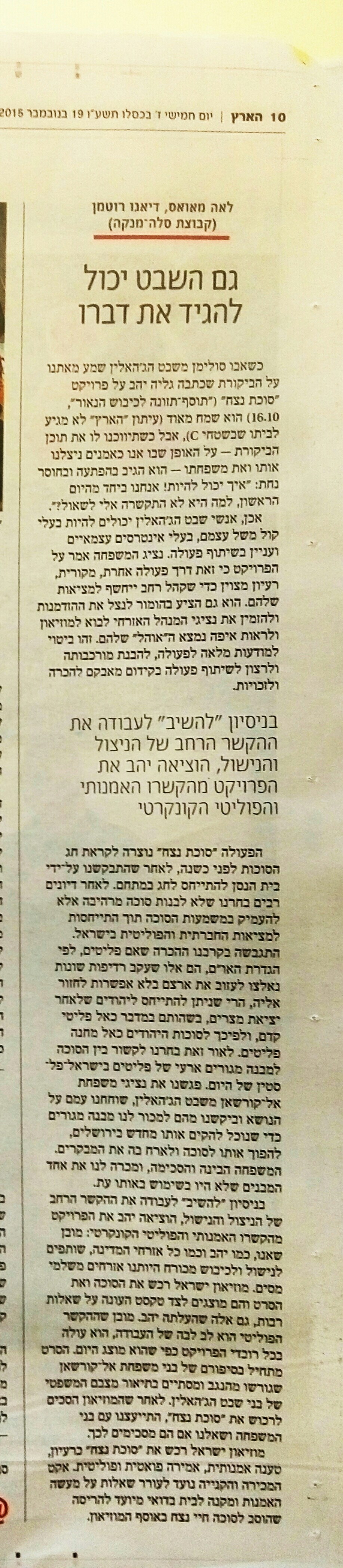 כשאבו סולימן משבט הג’האלין שמע מאיתנו על הביקורת של גליה יהב על הפרויקט “סוכת נצח” הוא שמח מאוד, אבל כשתיווכנו לו את תוכן הביקורת – על האופן שבו אנו כאמנים “ניצלנו אותו ואת משפחתו” – הוא הגיב בהפתעה: ״איך יכול להיות!, אנו ביחד מהיום הראשון.
למה היא לא התקשרה אלי לשאול?״
אכן, אנשי שבט הג’האלין יכולים להיות בעלי קול, בעלי אינטרסים עצמאיים ובעלי עניין בשיתוף פעולה. נציג המשפחה טען על הפרויקט כי זאת דרך פעולה אחרת, מקורית, רעיון מצוין כדי שקהל רחב ייחשף למציאות שלהם. הוא אף הציע בהומור להזמין את נציגי המנהל האזרחי האחראים להרס הבתים לבוא למוזיאון לראות איפה נמצא ה״אוהל״ שלהם.
זהו ביטוי למודעות מלאה לפעולה, להבנת מורכבותה ולרצון לשיתוף פעולה למען קידום מאבקם להכרה ולזכויות.
“סוכת נצח” נוצרה לקראת חג הסוכות 2014, לאחר שהתבקשנו על-ידי בית הנסן להתייחס לחג במתחם. בחרנו שלא לבנות סוכה מרהיבה אלא להעמיק במשמעות הסוכה תוך התייחסות למציאות החברתית והפוליטית בישראל. התגבשה בקרבנו התפישה שאם פליטים הם אלו שעקב רדיפות שונות נאלצו לעזוב את ארצם בלא אפשרות לחזור אליה, הרי שניתן להתייחס ליהודים שלאחר יציאת מצרים כאל פליטי קדם, ולסוכות היהודים כאל מחנה פליטים. לאור זאת בחרנו לקשור בין הסוכה למבנה מגורים ארעי של פליטים של היום. פגשנו נציגים ממשפחה משבט הג’האלין, שוחחנו עימם על הנושא וביקשנו מהם למכור לנו מבנה מגורים כדי שנוכל להקים אותו מחדש במרכז ירושלים, להפוך אותו לסוכה ולארח בה את המבקרים. המשפחה הבינה, הסכימה, ומכרה לנו אחד המבנים שלא היו בשימוש באותו עת, כפי שצוין בסרט. המבנה שוחזר, הוחלף בו הגג עם סכך והקמנו סוכה כשרה. ערכנו אירועים במהלך סוכות שעסקו בין היתר במעמד הג’האלין ובסוגיית הדיור הציבורי. בעקבות אפשרות הרכישה של העבודה על ידי המוזיאון, התייעצנו עם בני המשפחה ושאלנו אותם אם הם מסכימים לכך. הראינו להם את הסרט וערכנו איתם דיון לפני שזה הוצג במוזיאון.
מוזיאון ישראל רכש את הסוכה ואת הסרט, והם מוצגים לצד טקסט העונה על שאלות רבות, גם אלה שיהב העלתה ולא הצליחה לענות. מובן שההקשר הפוליטי הוא לב לבה של העבודה, הוא עולה לא רק באמצעות האובייקט אלא בכל רובדי הפרוייקט כפי שהוא מוצג היום. הסרט מתחיל בסיפורם בקולם של גירוש של בני הג’האלין מהנגב, מראה את האירוח בסוכה ומסתיים בתיאור מצבם המשפטי של בני השבט היום.
בניסיון “להשיב” לעבודה את ההקשר הרחב של הניצול והנישול, הוציאה יהב את הפרויקט מהקשרו האמנותי והפוליטי הקונקרטי: מובן שאנו, כמו יהב וכמו כל אזרחי המדינה, שותפים לכיבוש מכורח היותנו אזרחים משלמי מסים, בין אם אנו מוחים נגדו ובין אם אנו אדישים ביחס אליו.
מוזיאון ישראל רכש את ״סוכת נצח״ כרעיון, טענה אמנותית, אמירה פואטית ואמירה פוליטית. אקט המכירה והקנייה נועד לעורר שאלות על מעשה האמנות, על תפקידו של המוזיאון בחברה ומקנה לבית בדואי מיועד להריסה שהוסב לסוכה חיי נצח באוסף המוזיאון.
These days, the Sala-manca group are working on a long documentary film on the project which will included the documentation of meetings, screening and debate with the Al-Korshan Familiy, the sukkah building in Hansen, the moving of the work to the Israel.
Short documentary film shown as part of the proejct at the Israel Museum
(if you want to watch the video please contact us)