WordPress database error: [DELETE command denied to user 'sala-manca'@'localhost' for table `sala_manca_net`.`wp_options`] DELETE FROM `wp_options` WHERE `option_name` = '_site_transient_wp_theme_files_patterns-3e81fb819c0831df69203ee558a709b9'
WordPress database error: [DELETE command denied to user 'sala-manca'@'localhost' for table `sala_manca_net`.`wp_options`] DELETE FROM `wp_options` WHERE `option_name` = '_site_transient_timeout_wp_theme_files_patterns-3e81fb819c0831df69203ee558a709b9'
WordPress database error: [INSERT, UPDATE command denied to user 'sala-manca'@'localhost' for table `sala_manca_net`.`wp_options`] INSERT INTO `wp_options` (`option_name`, `option_value`, `autoload`) VALUES ('_site_transient_timeout_wp_theme_files_patterns-3e81fb819c0831df69203ee558a709b9', '1792699135', 'off') ON DUPLICATE KEY UPDATE `option_name` = VALUES(`option_name`), `option_value` = VALUES(`option_value`), `autoload` = VALUES(`autoload`)
WordPress database error: [INSERT, UPDATE command denied to user 'sala-manca'@'localhost' for table `sala_manca_net`.`wp_options`] INSERT INTO `wp_options` (`option_name`, `option_value`, `autoload`) VALUES ('_site_transient_wp_theme_files_patterns-3e81fb819c0831df69203ee558a709b9', 'a:2:{s:7:\"version\";s:3:\"4.0\";s:8:\"patterns\";a:0:{}}', 'off') ON DUPLICATE KEY UPDATE `option_name` = VALUES(`option_name`), `option_value` = VALUES(`option_value`), `autoload` = VALUES(`autoload`)
WordPress database error: [INSERT, UPDATE command denied to user 'sala-manca'@'localhost' for table `sala_manca_net`.`wp_options`] INSERT INTO `wp_options` (`option_name`, `option_value`, `autoload`) VALUES ('_transient_doing_cron', '1792697335.1515529155731201171875', 'on') ON DUPLICATE KEY UPDATE `option_name` = VALUES(`option_name`), `option_value` = VALUES(`option_value`), `autoload` = VALUES(`autoload`)
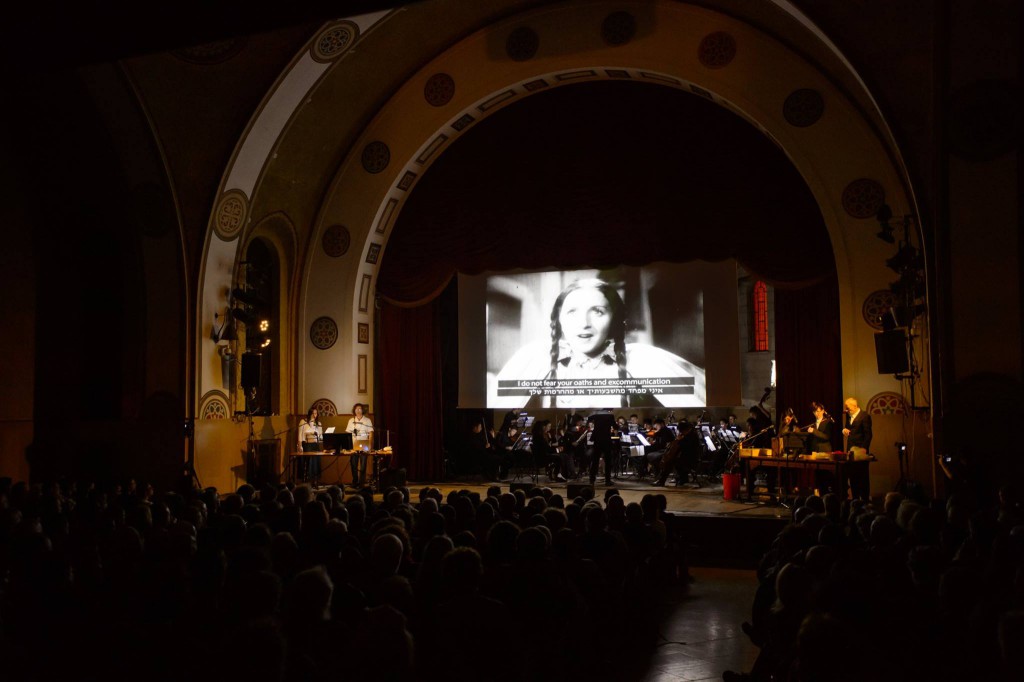
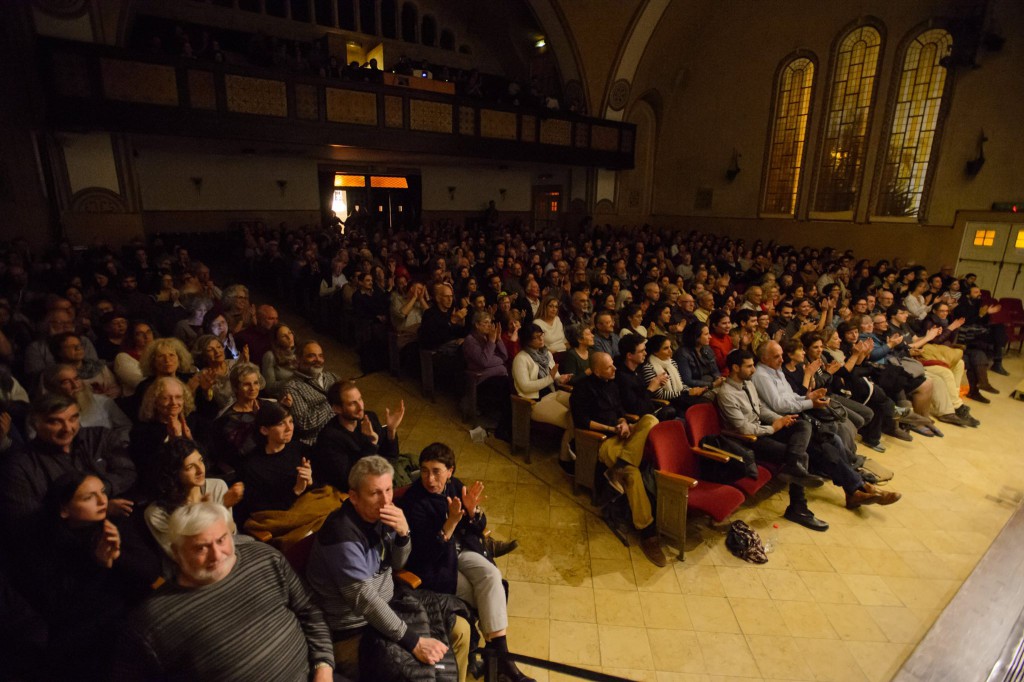
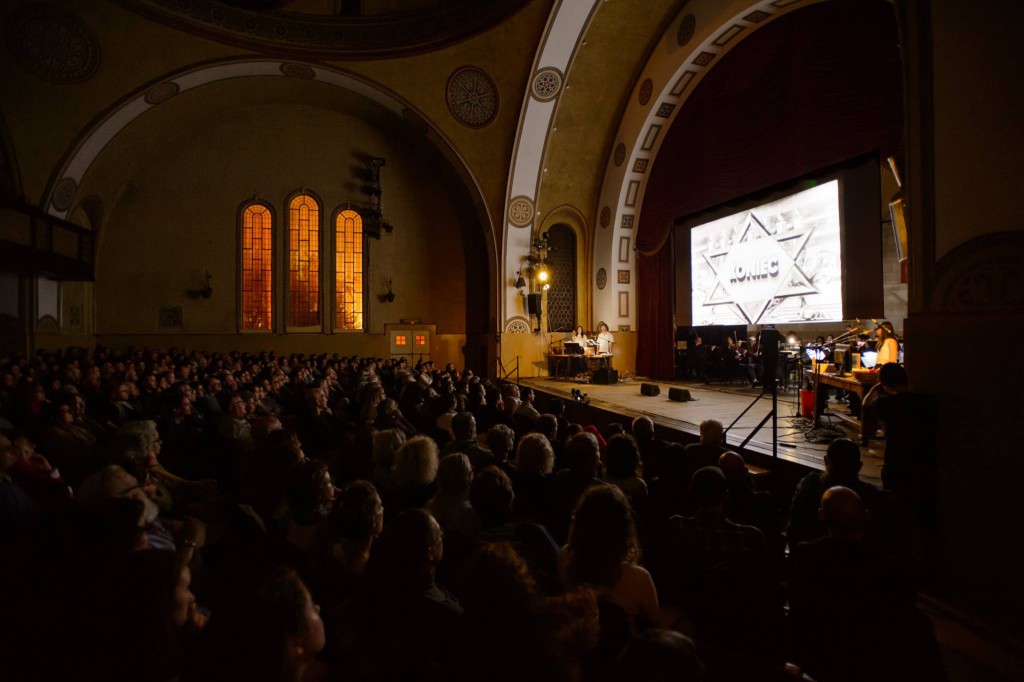
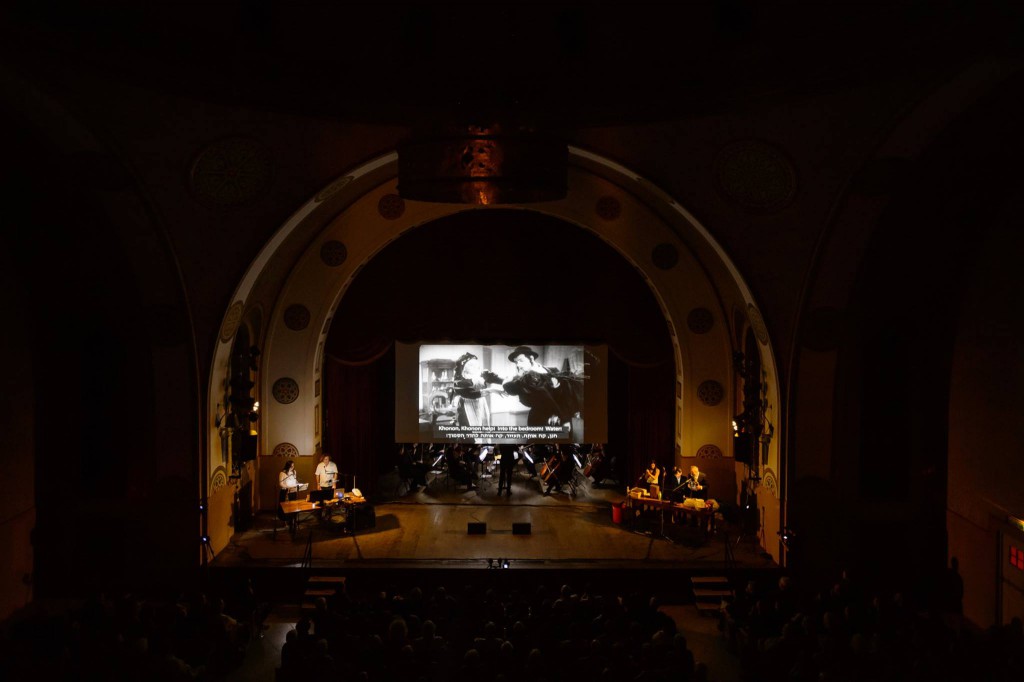
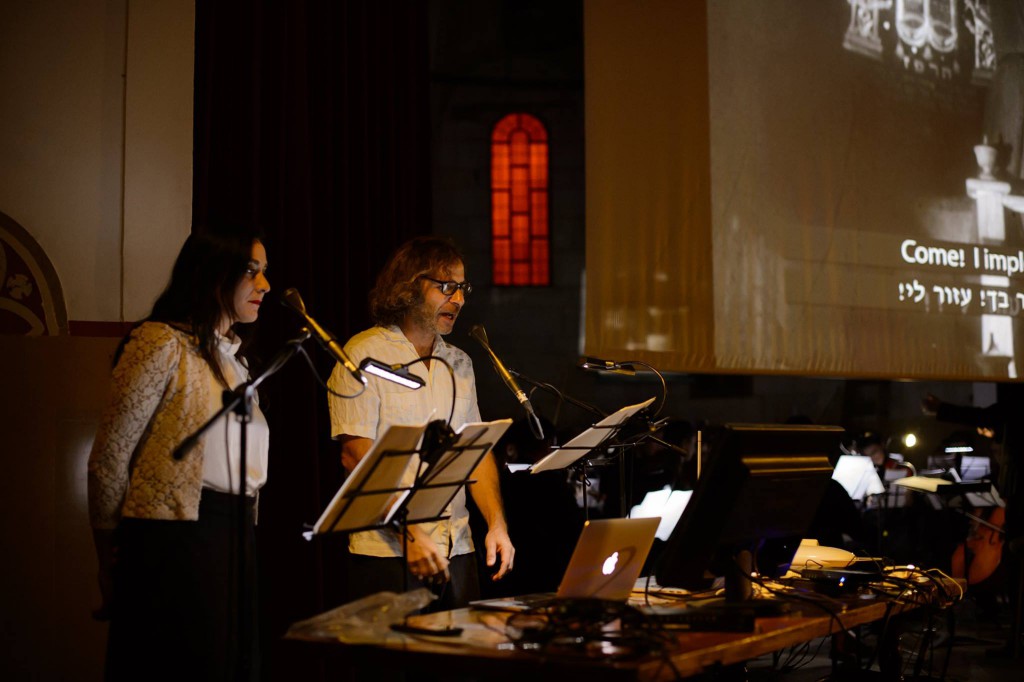
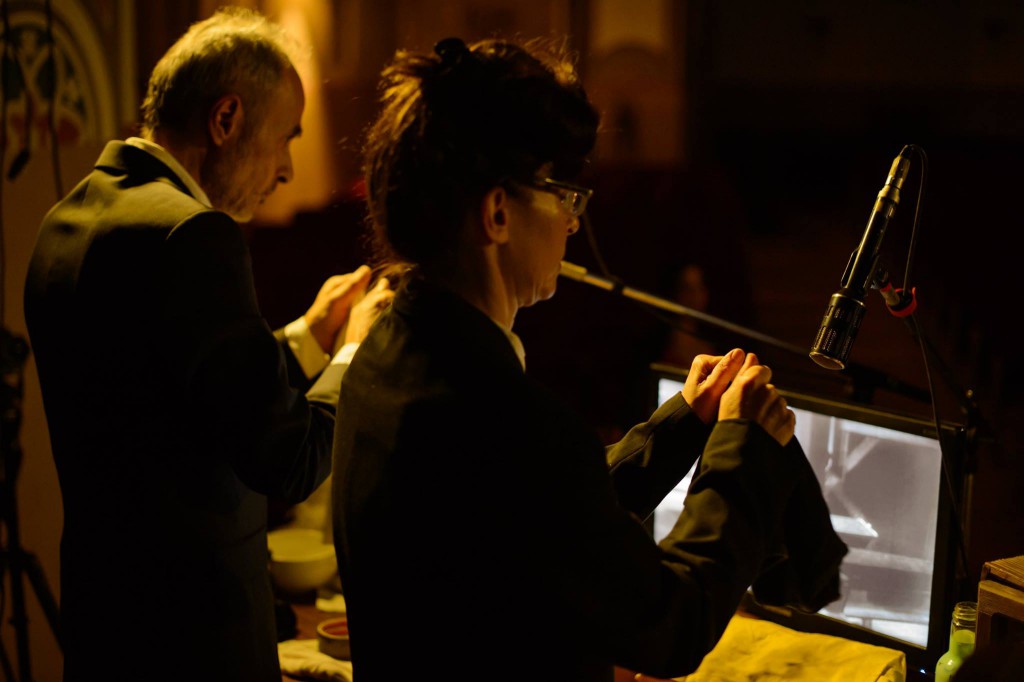
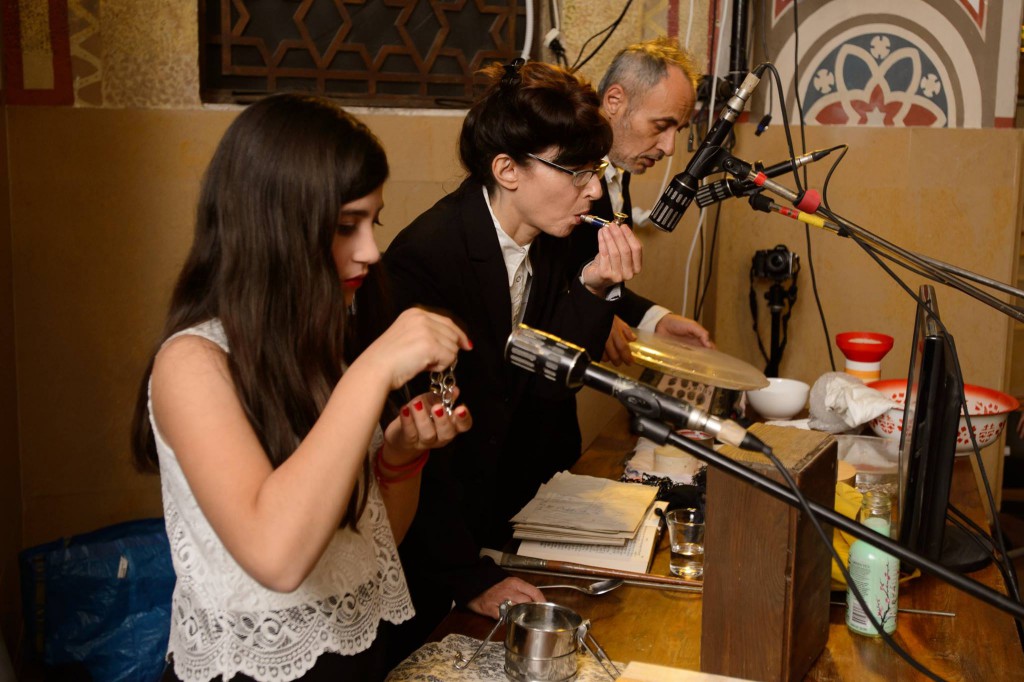
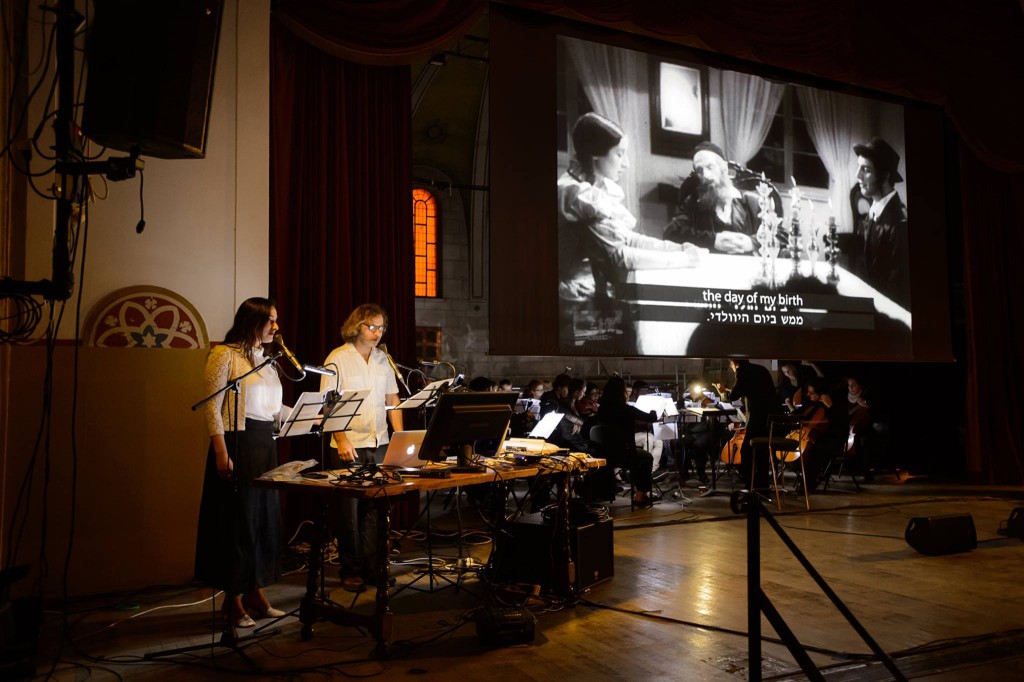
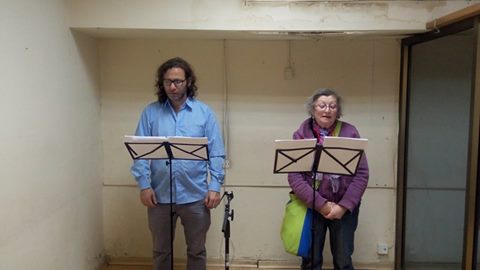
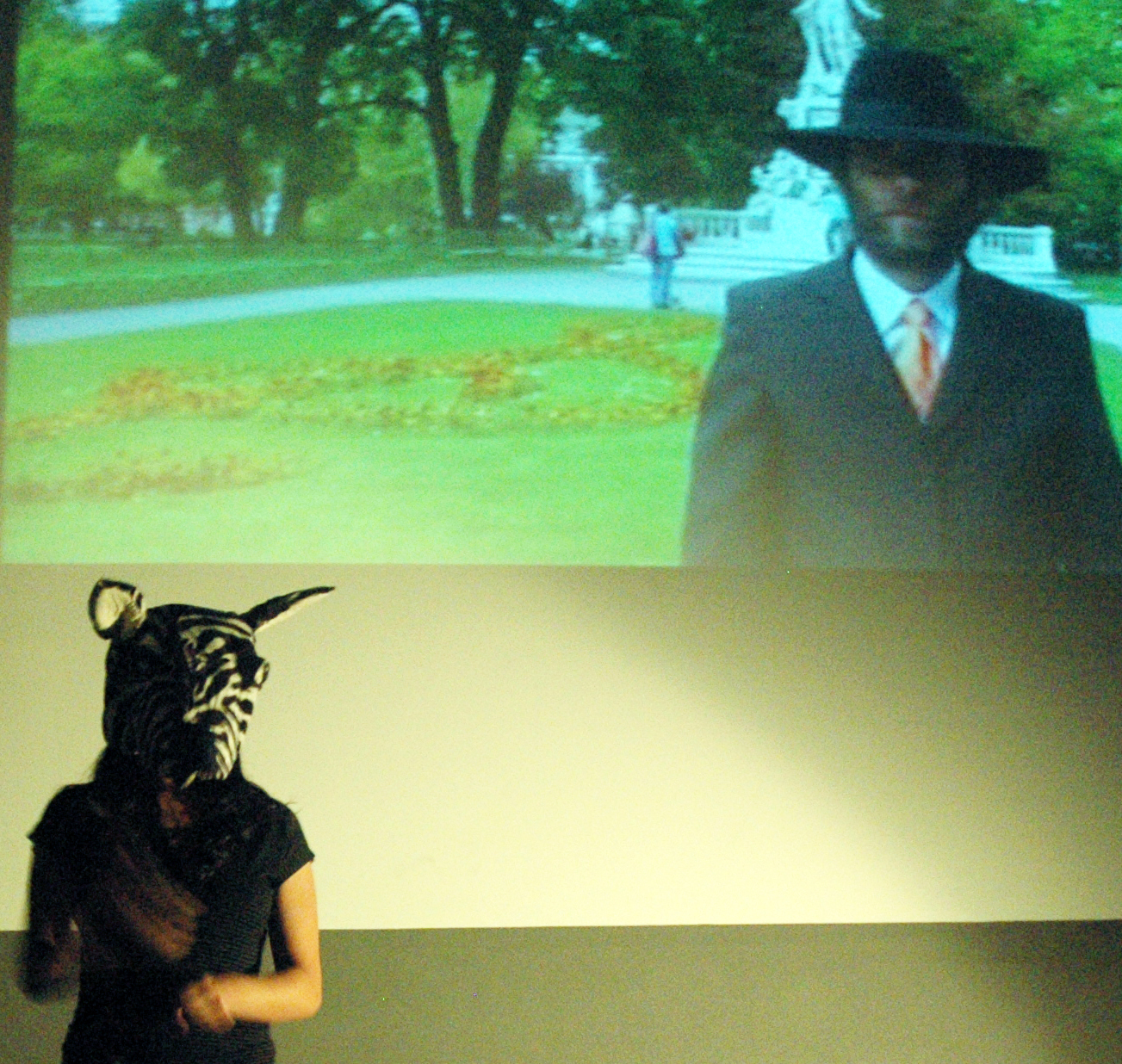
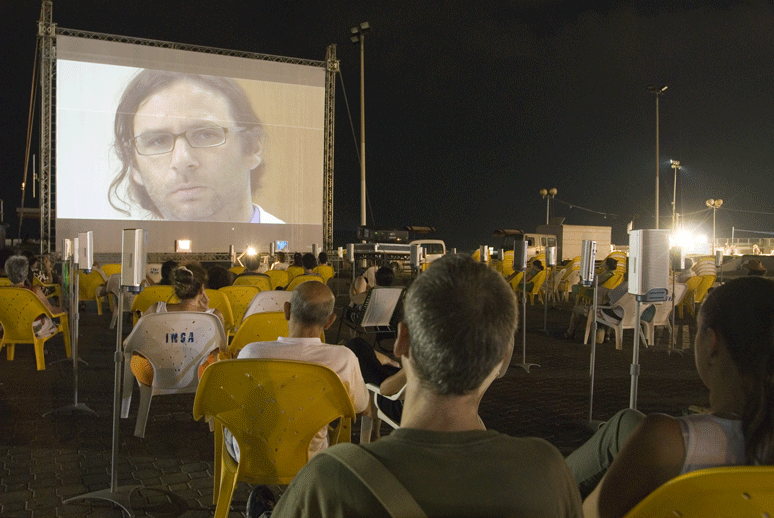
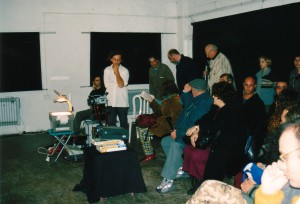
A reconstruction by the Sala-manca’s puppets group of one of Diego Rotman’s lecture on Dzigan and Shumacher. The film is beign exhibited as part of the Mame-Loshn exhibition at the Labyrinth Gallery, Lublin, Poland, curated by Drorit Gur Arie and Tal Schwartz.
A project by the Sala-manca Group (Lea Mauas and Diego Rotman) in collaboration with Ayelen Coccoz (puppets and painting of Sala-manca’s puppets).
Natalia Rozenthal (painting of Dzigan and Shumacher puppets), Yeshaiahu Rabinowitz (Clothes), Adi Kaplan and Shachar Carmel (paintings), Dan Lahiani
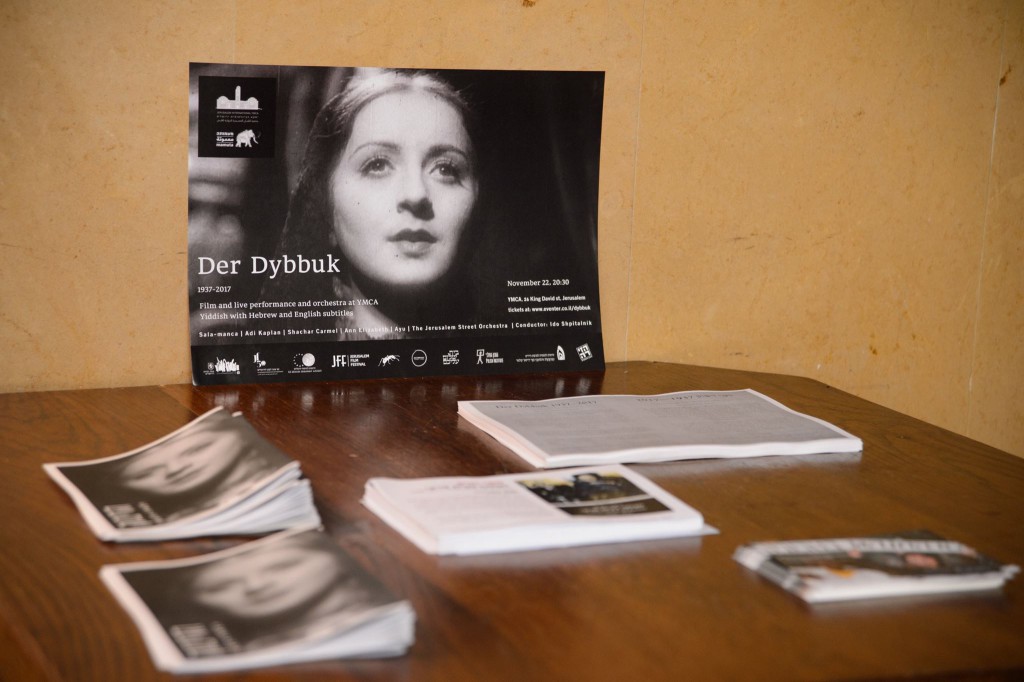
Directed by Michael Waszynski (Poland, 1937) with a new edition by Adi Kaplan, Shachar Carmel & Sala-manca (2017)
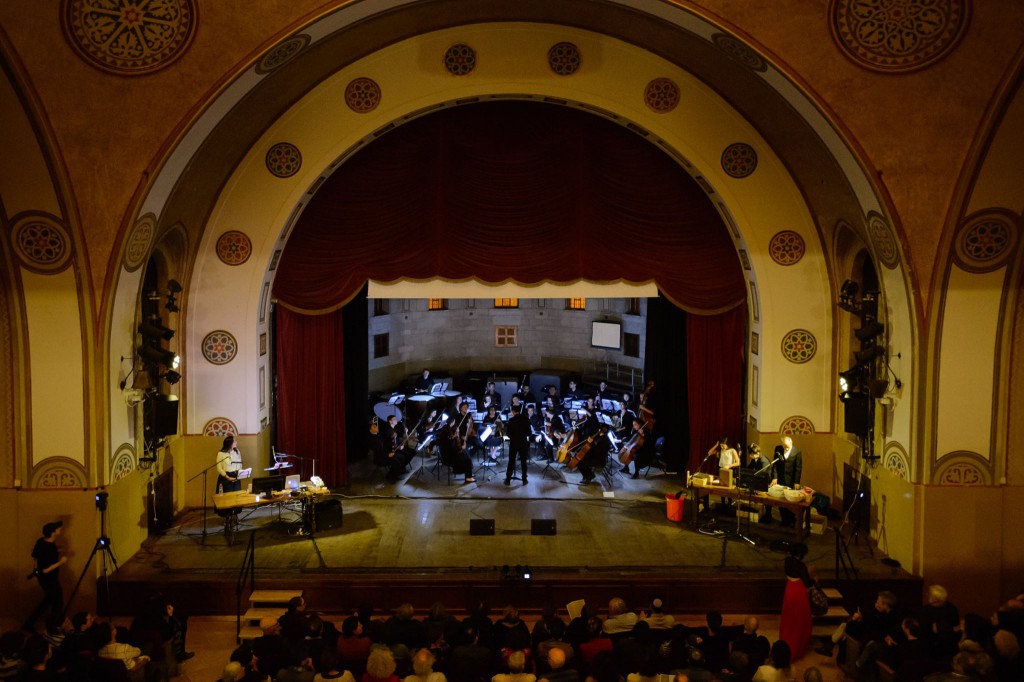
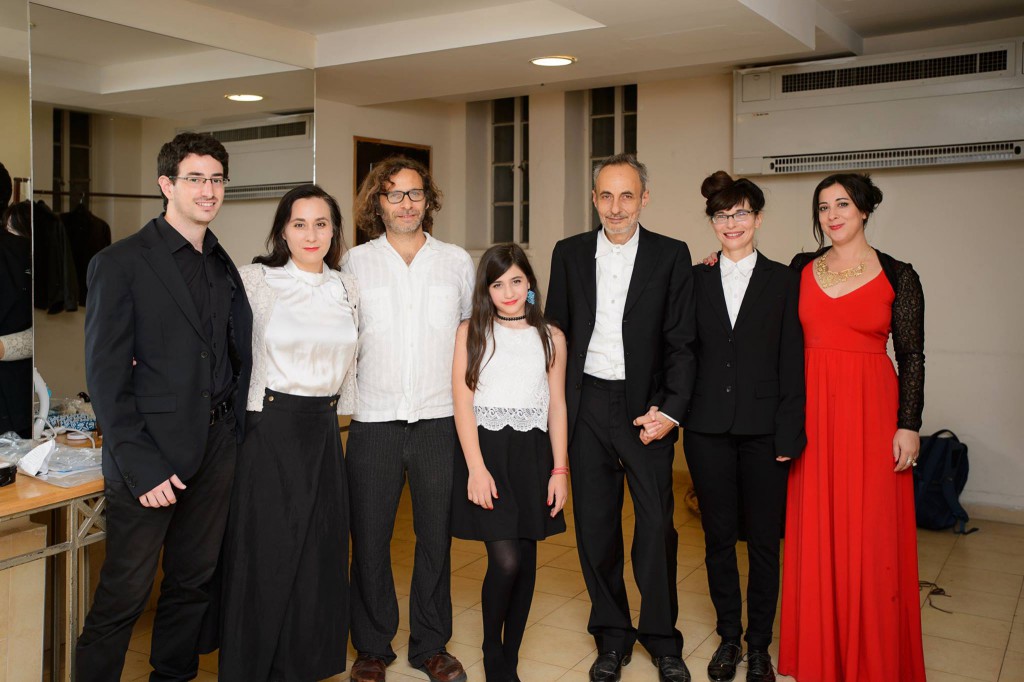
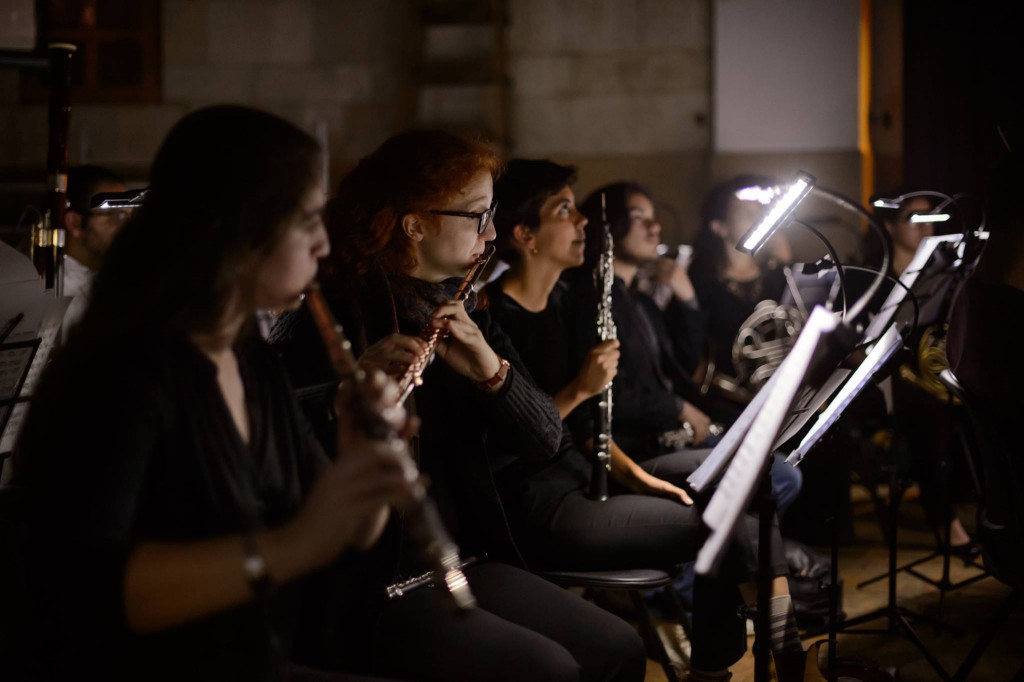
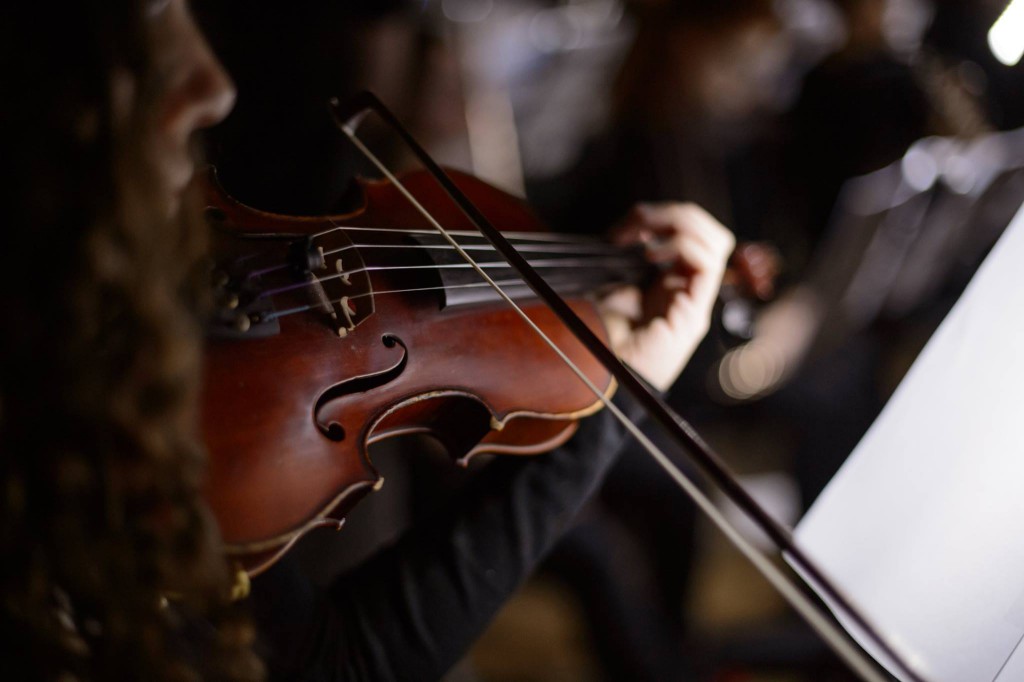
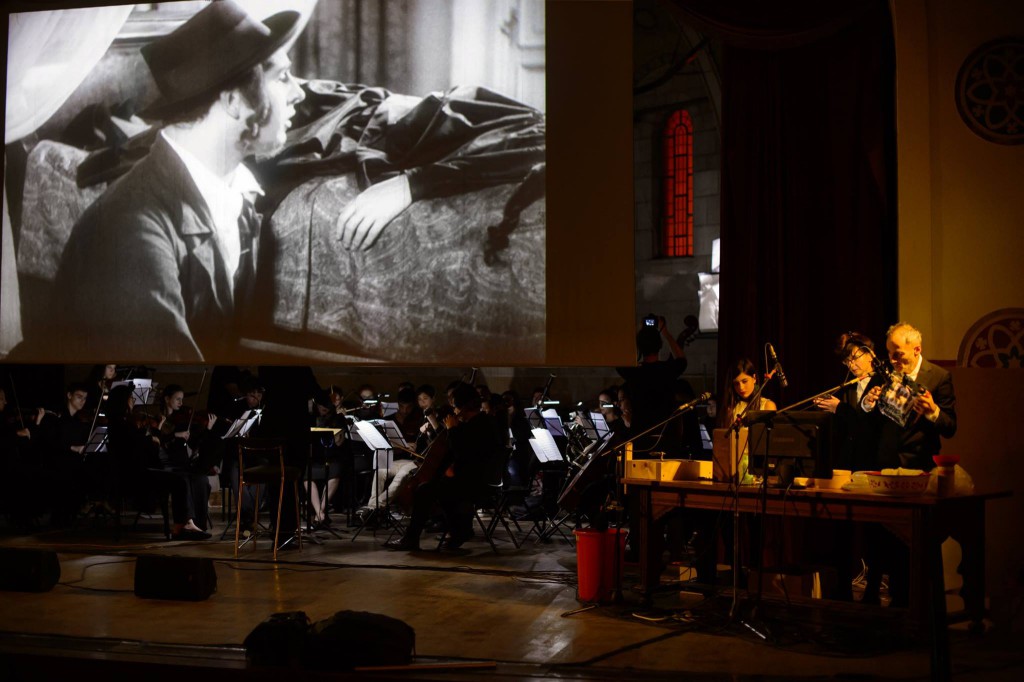
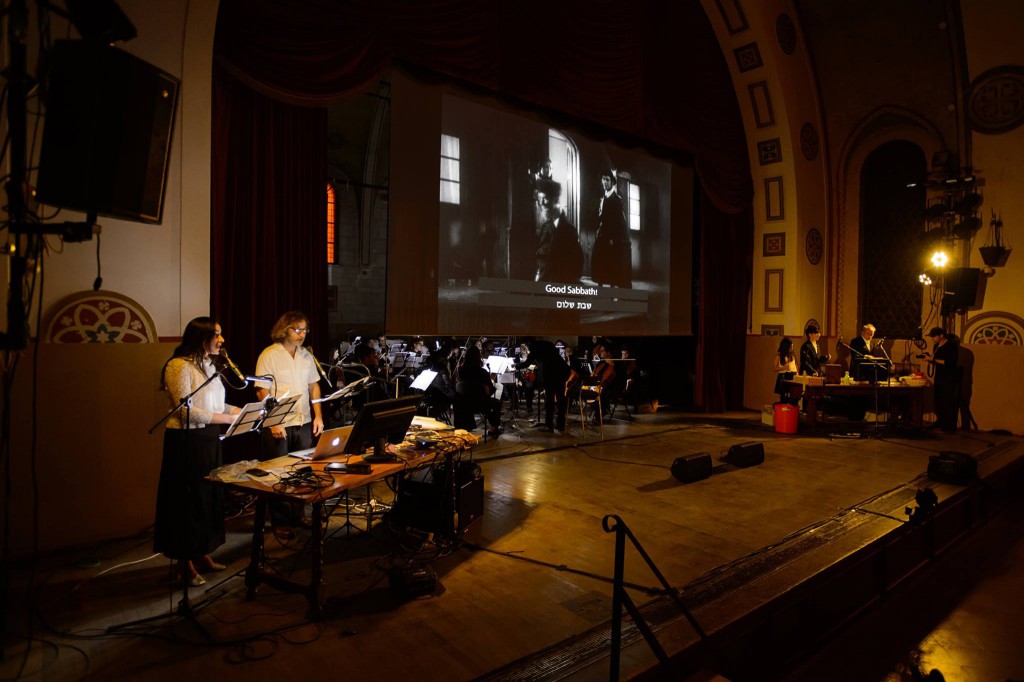
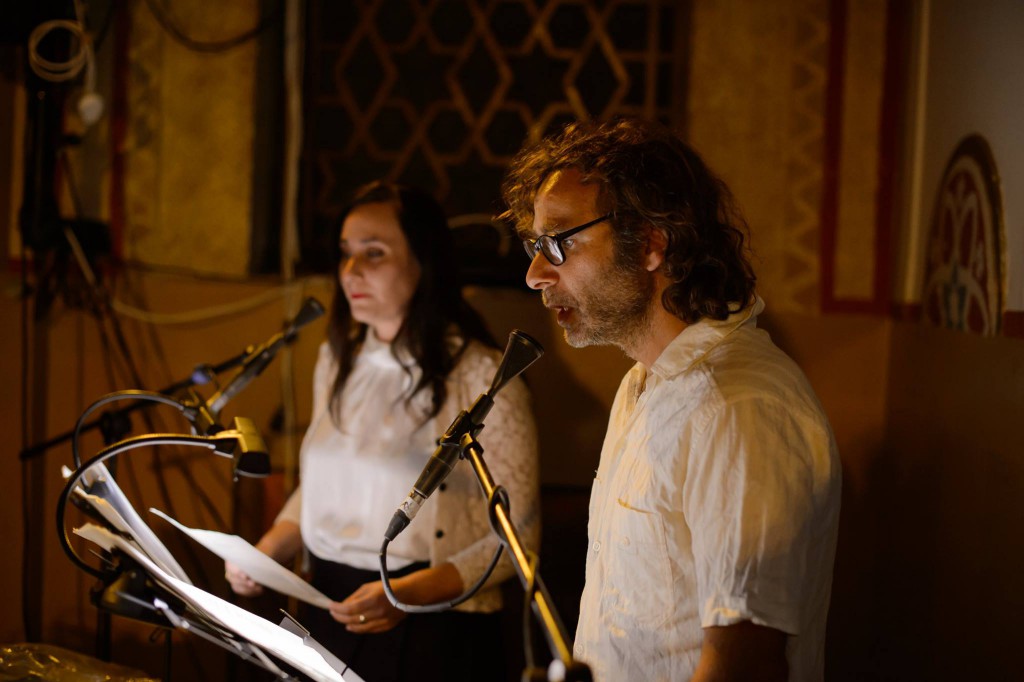
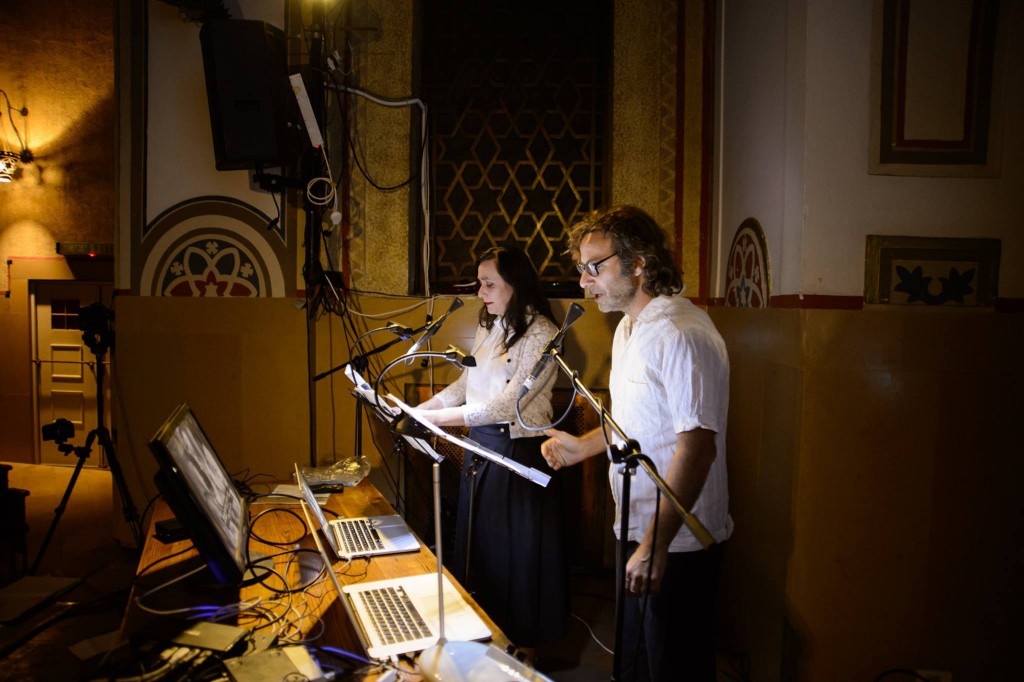
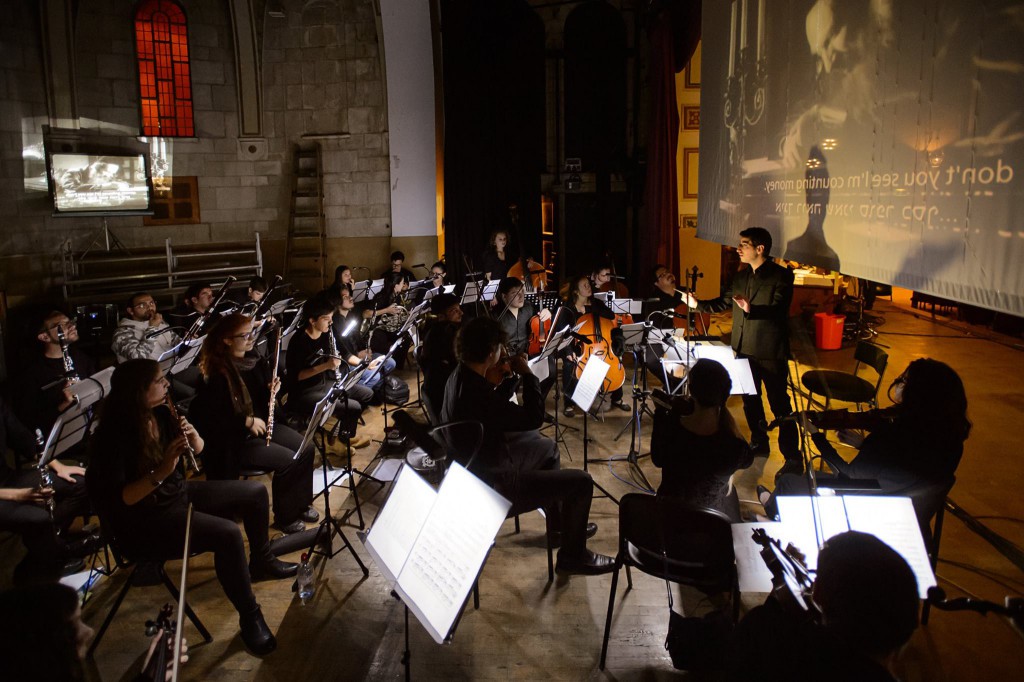
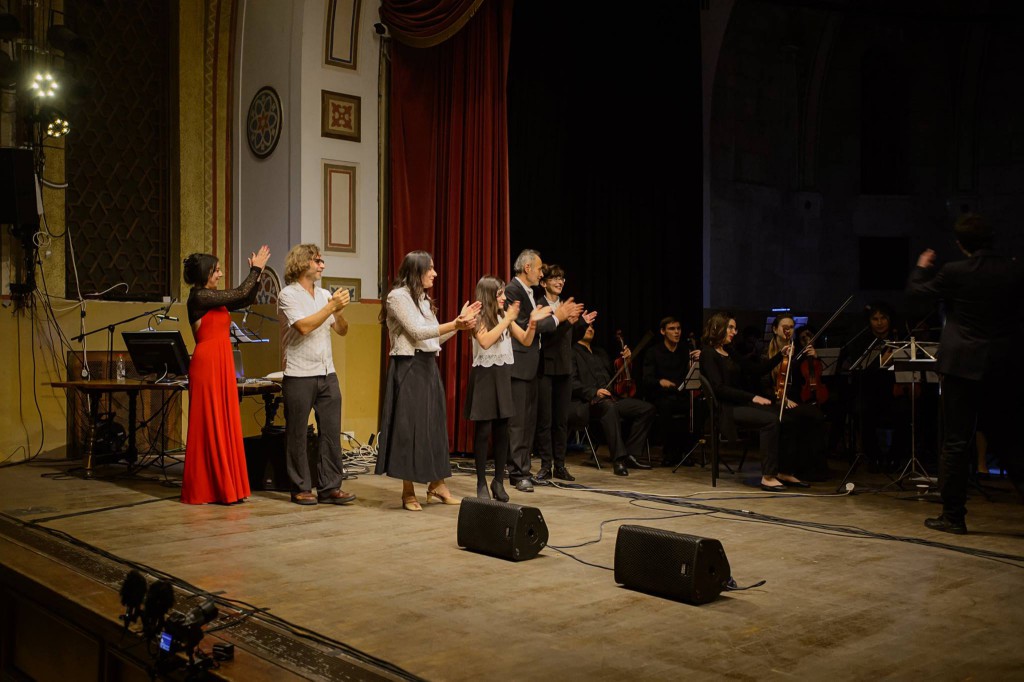
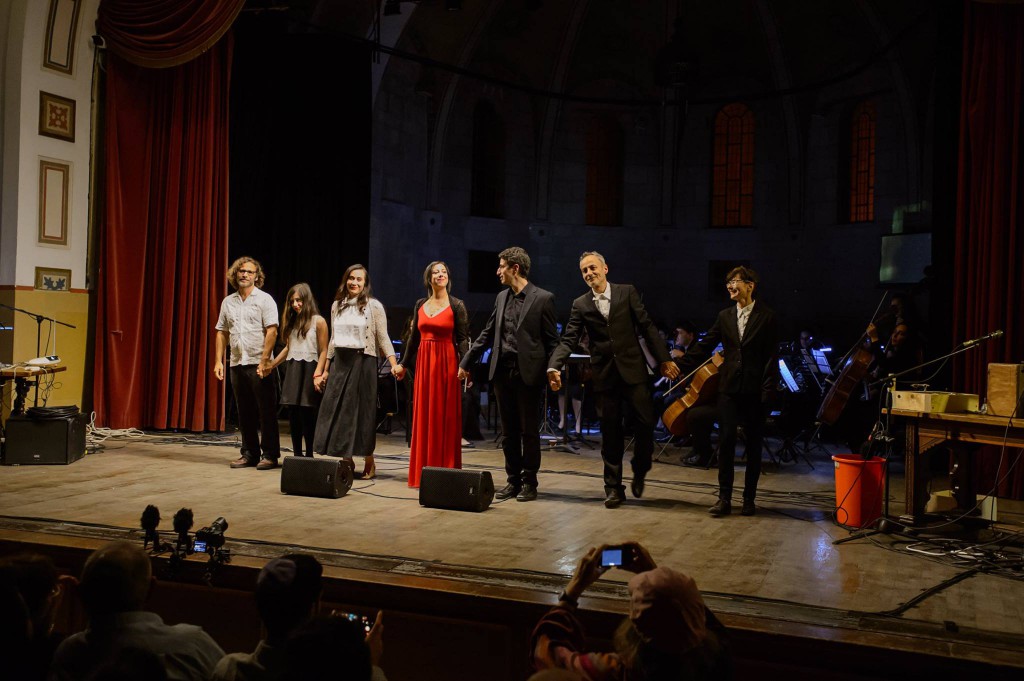
Live dubbing by Lea Mauas and Diego Rotman (Sala-manca group), Live Follies by Adi Kaplan, Shachar Carmel and Ayu Rotman Mauas & Live Music by The Jerusalem Street Orchestra, conducted by Ido Shpitalnik
״The dead were returned to life, and a culture long vanished, wiped out by the Holocaust, was resurrected on the screen” (Ira Konigsberg)
A new, re-edited version of the Yiddish film will be screened with live music and dubbing performance in the courtyard of the former Jerusalem Leprosarium (Hansen House), a venue no less gothic than the film’s aesthetics.
The new, film-performance version is based on the film directed by Michael Waszynsky (1937), based upon S. Ansky’s play Der Dybbuk. Ansky wrote the play after completing the ethnographic expedition he organized between 1912-1914. The play (and film) tells the story of the ill-fated love between Hanan and Lea, the possession of Lea’s body by Hanan’s soul, the exorcism ceremony, and death as resolution – a re-encounter of the lovers in the next world.
Adi Kaplan, Shahar Carmel, and Sala-manca not only re-edited the film, they also replaced the original music composed by Henekh Kohn and the cantorial songs performed by Gershon Sirotta, with a new score. Performed live by the Jerusalem Street Orchestra, conducted by Ido Shpitalnik, the score is an adapted version of the Vltva (The Moldau), the second symphonic poem of Má vlast (My Homeland), by Czech composer Bedřich Smetana. The use of Smetana’s Moldau as a clear reference to Israel’s national anthem – resonating it, but different – creates a liminal sonic soundscape incapable of defining an accurate sense of place or ideology.
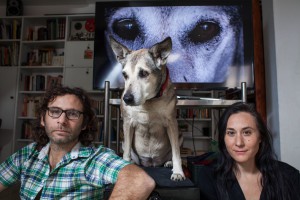
Lea Mauas and Diego Rotman of the Sala-manca group are professional and real life partners, possessing the voices of the “dead but eternal” characters, originally performed by another real-life couple, Lili Liliana (Leah) and Leon Liebgold (Hannan)
In the spirit of The Dybbuk, the artists visit the archive instead of the cemetery, and invite the dead to dance with the living once again.
With the support of Ostrovsky Family Fund, Artis Grant Program, Polish Institute – Tel Aviv, P.A.T. (Performance Art and Technology), Hazira, Jerusalem Municipality, The National Authority for Yiddish Culture, Bet Shalom Aleichem.
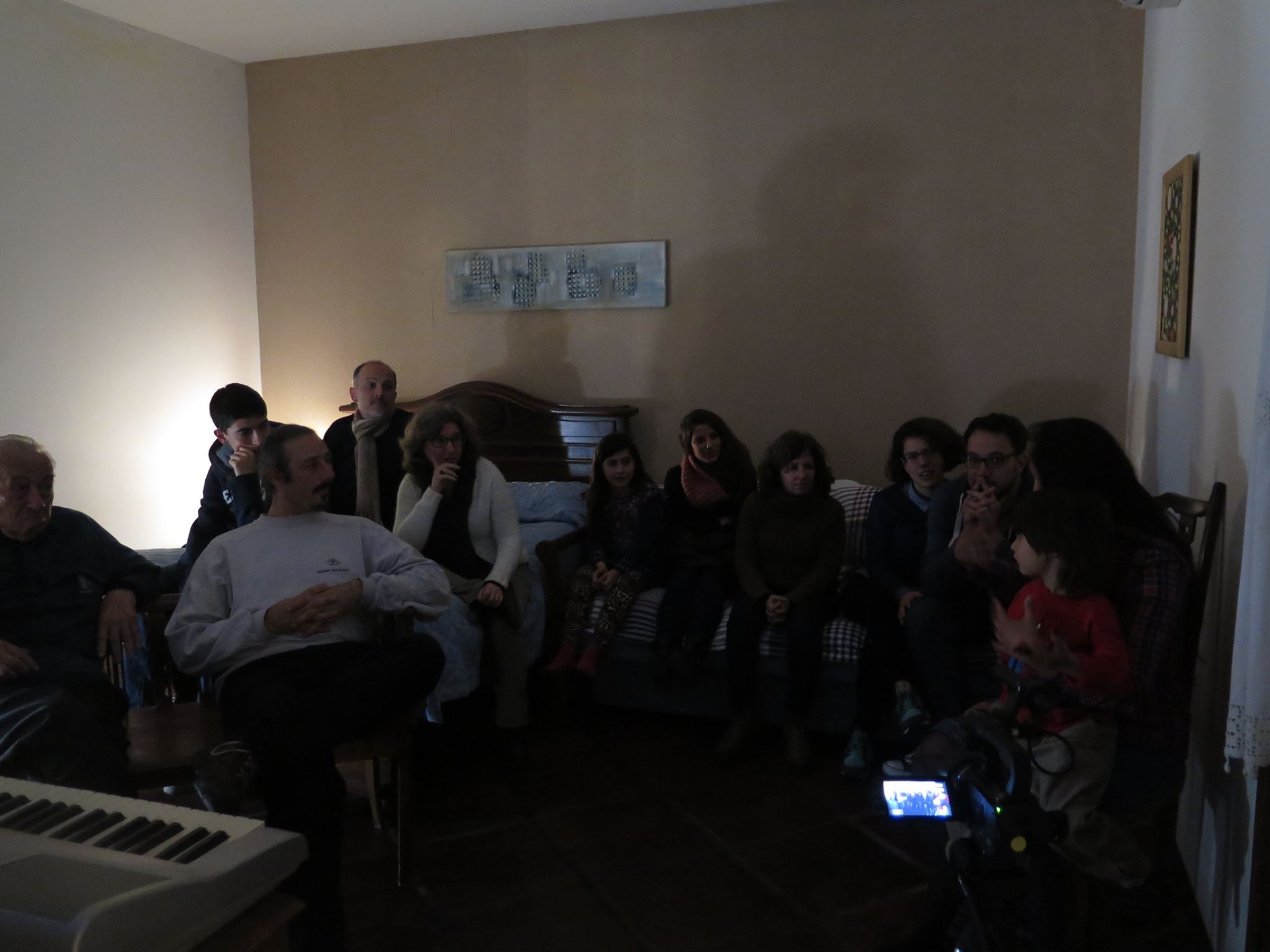
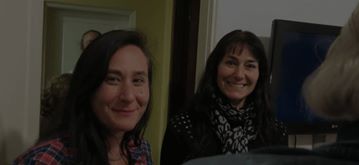
The History of Batya M. and the first performance of the Doppelganger project was presented in our temporary apartment in Buenos Aires with the presence of some of the actors, great public, our family, and Laura Simcovich.
Call for an audition to be Sala-Manca double (doppleganger)
Saturday 5.12 18:30 – 20:30
Central Bus Station, Tel Aviv (4th floor) in the frame of zaz performance festival
The Doubles and Ourselves
A performance work based on the selection of one or more pairs of doubles to stand in for the Sala-Manca group in its various artistic and public activities
In recent years, due to th e nature of modern life in general and the pace of life in Israel in particular, the Sala-Manca artists’ collective (Lea Mauas and Diego Rotman) has found itself engaged in multiple occupational and social roles that stretch their physical and mental limits: art performance, curating, academic writing, talks, artistic and administrative direction of an art center, on top of the many other roles they play in their normal lives, such as parenting and friendship.
Teetering on the physical and mental edge, not to mention on the threshold between art and life, brought us to the basic idea for a new project, which attempts to challenge the boundaries of our very selves. The idea is to create a double for the Sala-Manca group, or, a pair of doubles for the couple, Lea and Diego.
In the era of the global neoliberal economy, can we create a franchise out of of ourselves? Can we (human beings) be duplicated physically or spiritually?
Over the next year, the Sala-Manca group—Lea Mauas and Diego Rotman—will cast a series of doubles of themselves. These doubles will appear instead of the artists themselves: performing Sala-Manca’s works, giving lectures on art and on the history of the group, teaching at the art schools where the artists teach, managing the Mamuta Art & Media Center, and maybe—why not—going to visit Lea and Diego’s family and friend in Buenos Aires, and even swapping partners for a while, appearing in public with one original and one double.
For the artists themselves, it examines the limits of genre in an age of the blurring of boundaries between original and reproduction. The present project goes on to blur the boundaries between private and public identity.
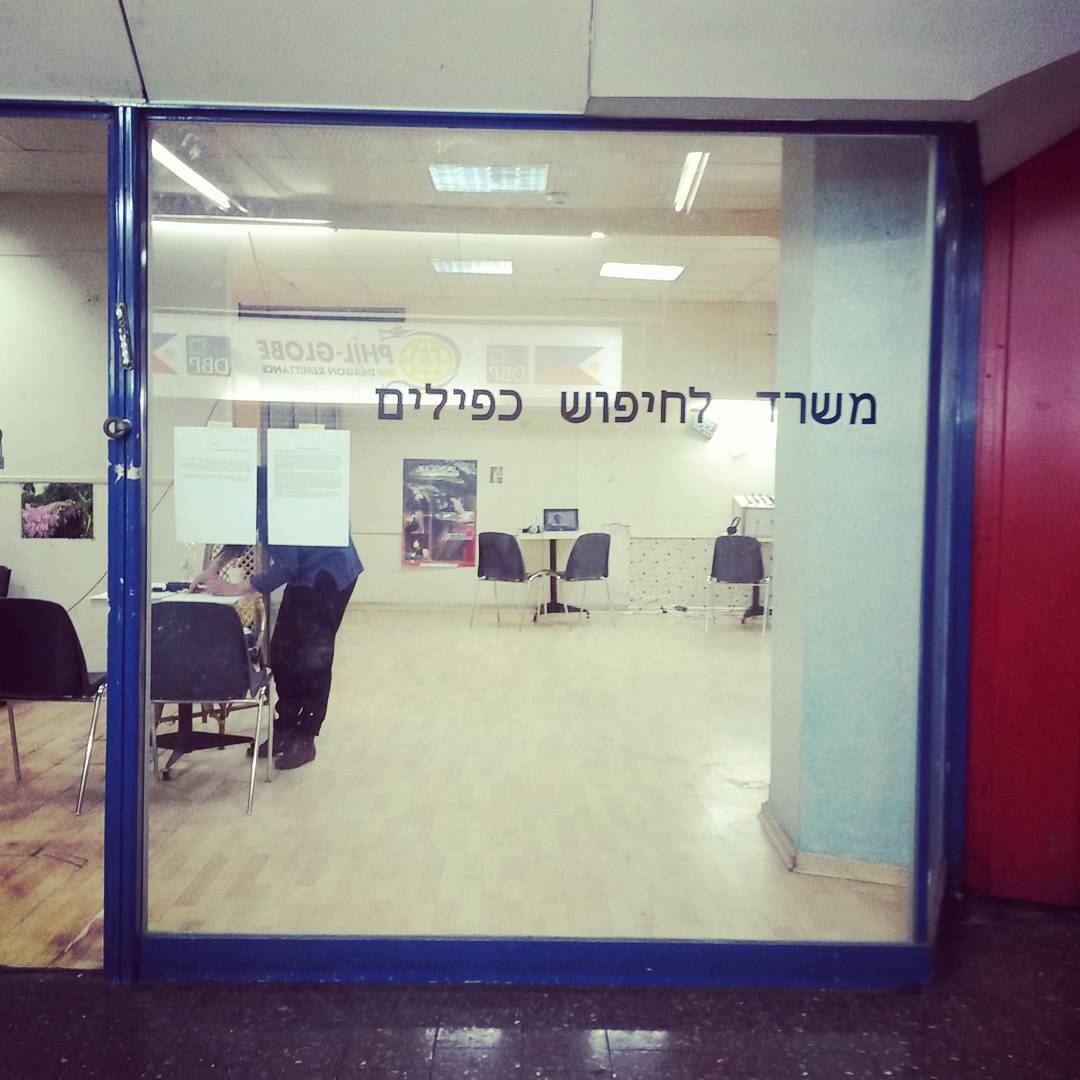
We invite those who are interested to take part to come for an audition on Saturday 5/12/15 at the Central Bus Station in Tel Aviv, between 18:30 and 20:30. The process of training, for those who would be chosen among the applicants, will be remunerated.
Esther, born to a Jewish Orthodox family, left religion and fell in love with the usher of the Lisbon Cinema, which operated in the basement of the lepers’ house in Lisbon, Portugal from 1963 to 1973 (during the Salazar dictatorship it served as the underground nerve center for freedom fighters, right under the regime’s nose). Thanks to her love for the usher, she also fell in love with cinema, and was consequently banished from her home.
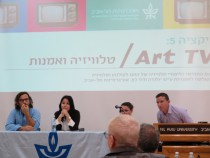
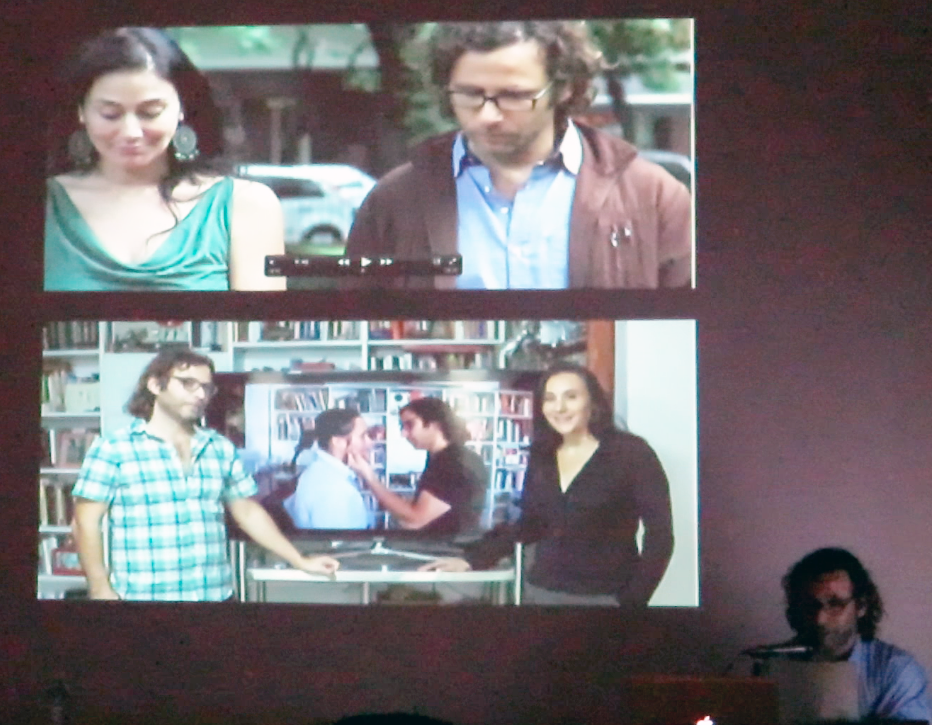
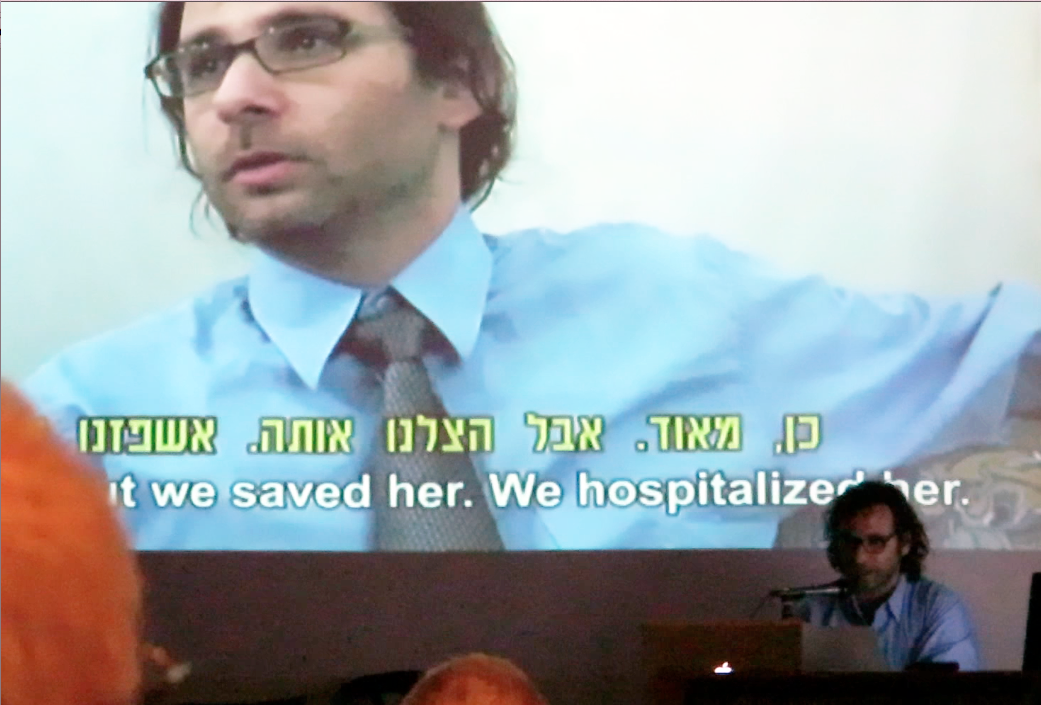
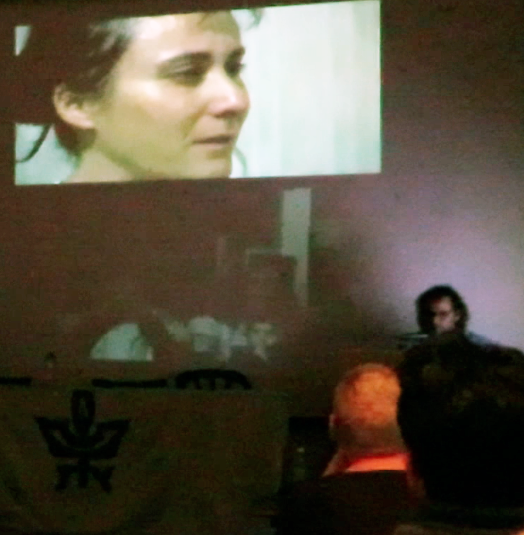
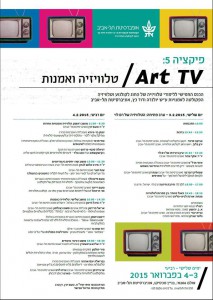
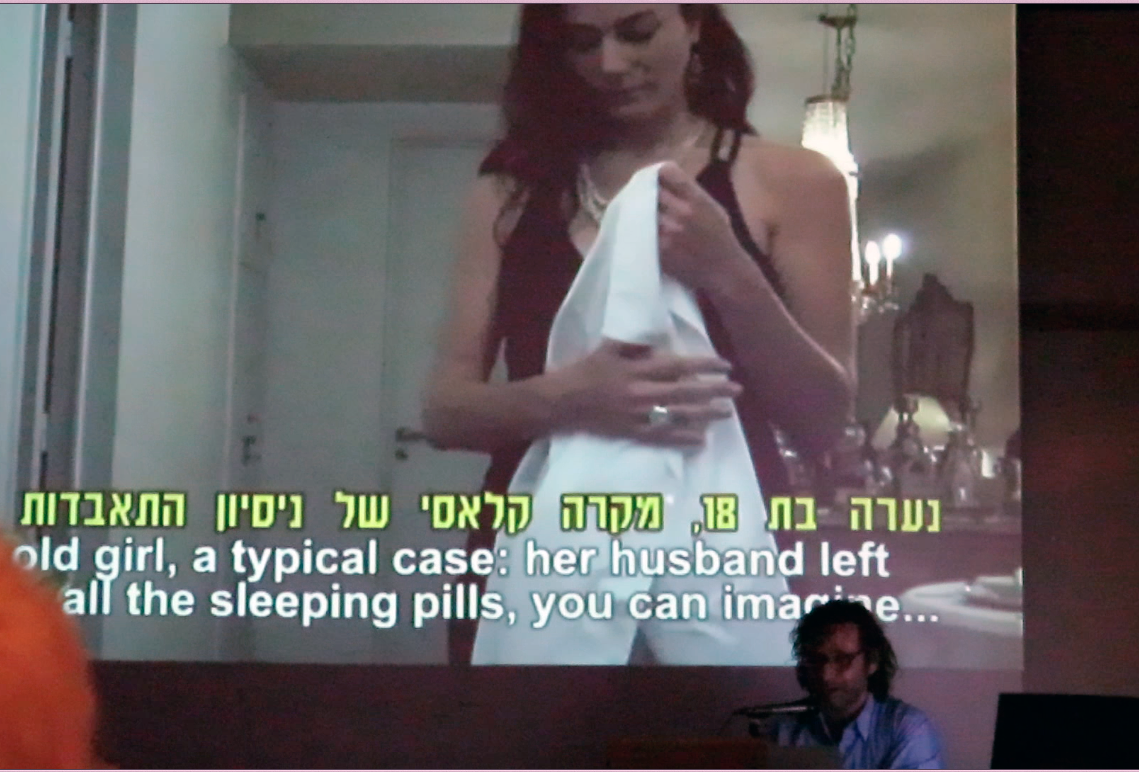
Lecture presented at the Fiction 5 Conference: “Art Tv”, Tel-Aviv University, 4.2.2006
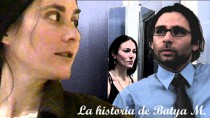
On the borders between reality and fiction, telenovela and life, academy lecture and performance. A new approach to the works: “The History of Batya M.” (2006) and “The Return Home” (2013), by Sala-manca.
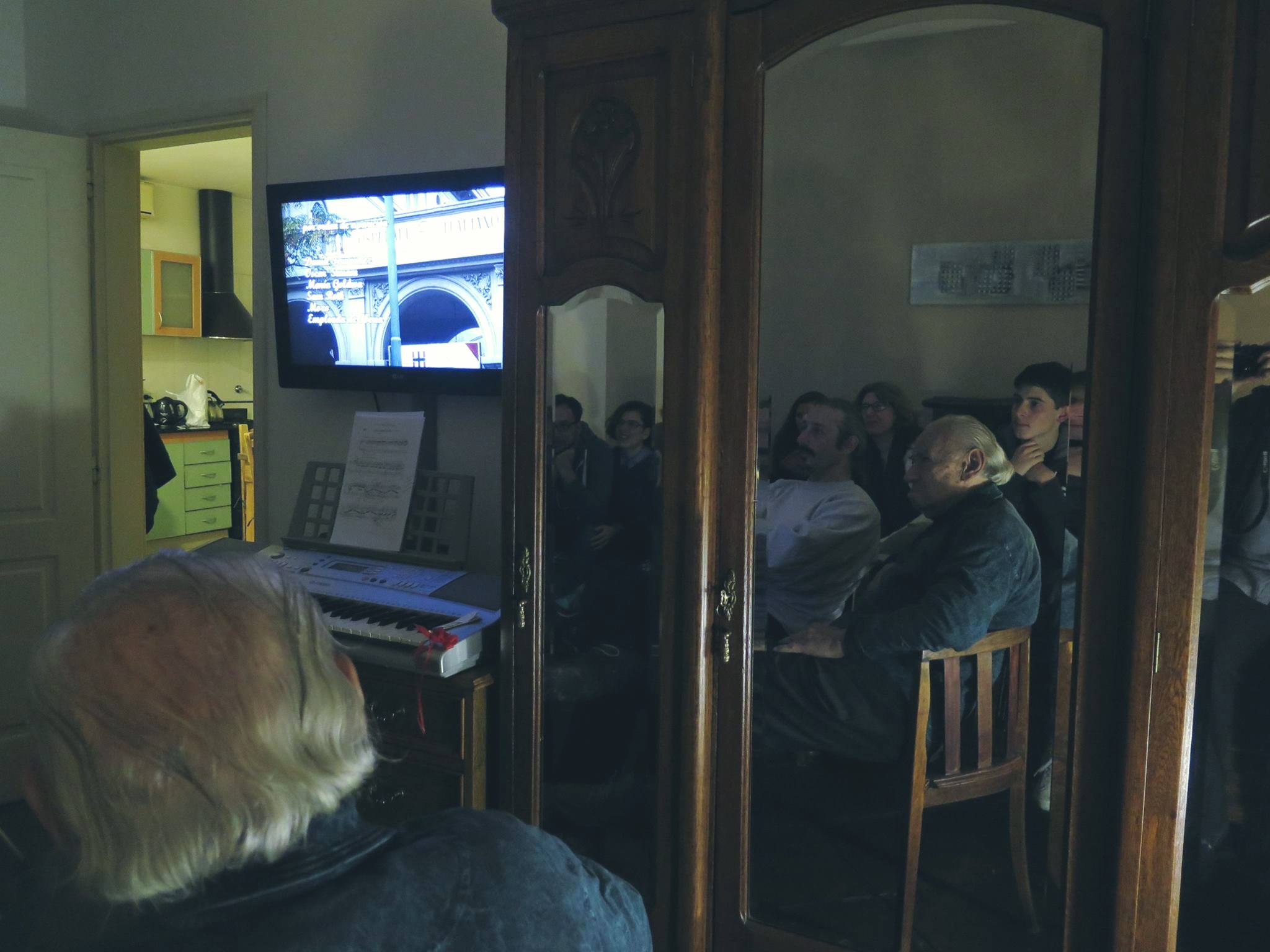
Shown at the salon of the artits’s house, Musrara, 2013
Sala-manca, Laura Simcovich, Dina Blei, Andres Simcovich, Samuel Rotman, Ayu, Nahuel, Cuca | Music: Yarden Erez
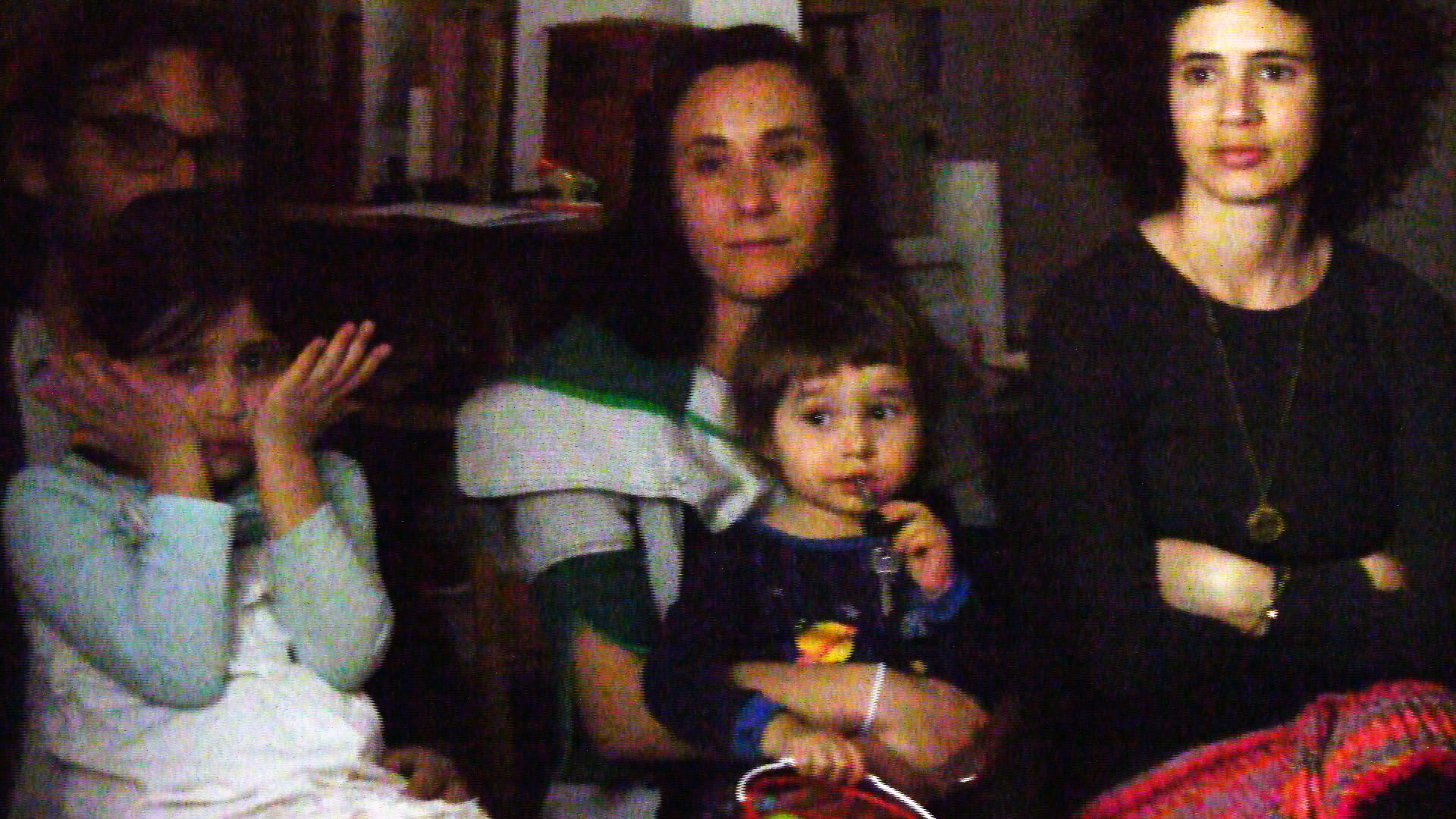
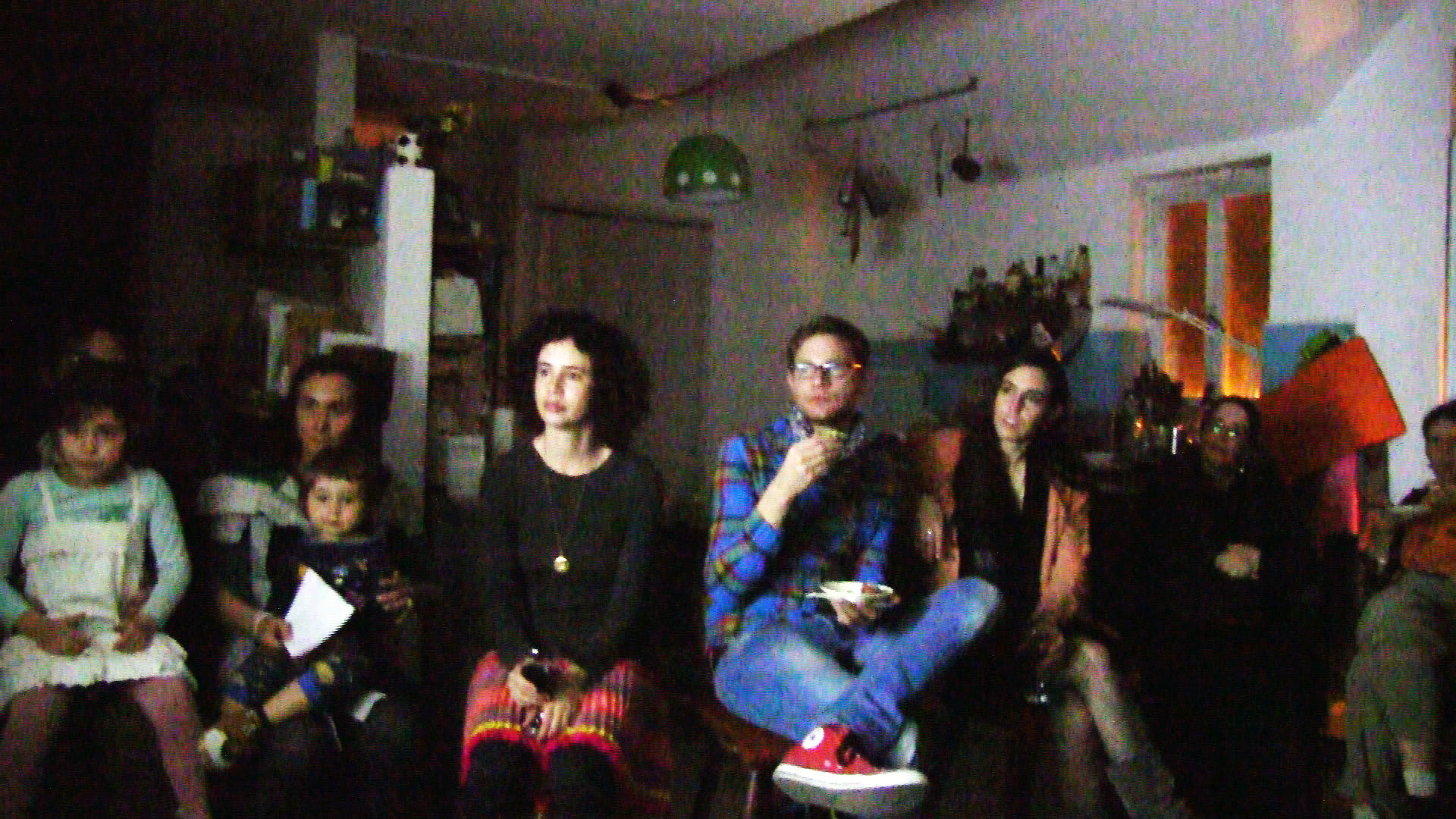
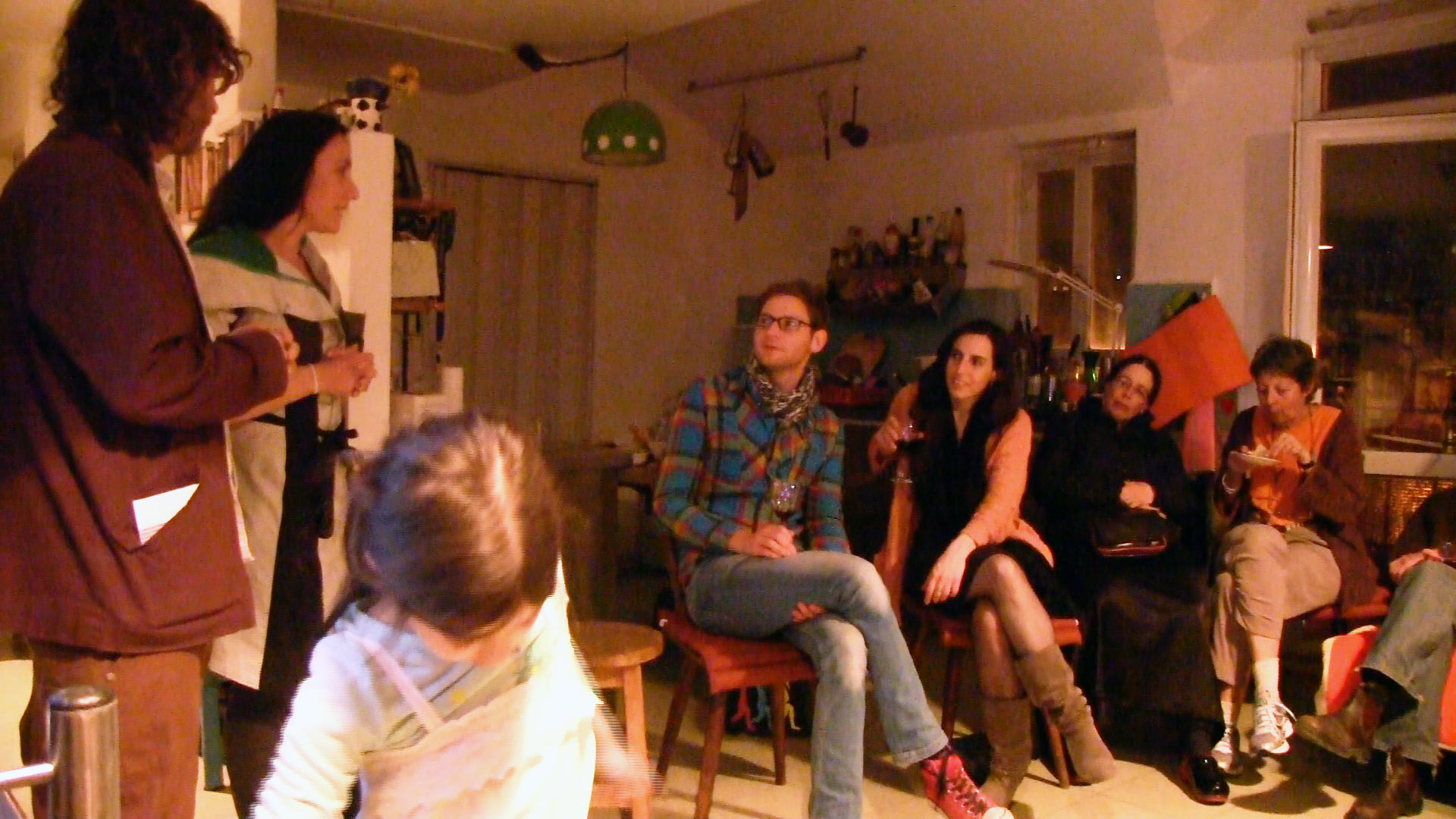
“Batya M. – The Return Home (2013)” is the last (and only) episode of the telenovela starring and filmed by Sala-Manca group in Buenos Aires and Jerusalem and a continuation of The History of Batya M. (2007) .
The screening of the single episode will be held at the home of the telenovela’s protagonists in Jerusalem’s Musrara neighborhood, rendering the viewing experience an active experience that includes performative activities and dinner, with a tongue-in-cheek action in which the protagonists and viewers become the participants in an unaired reality show.
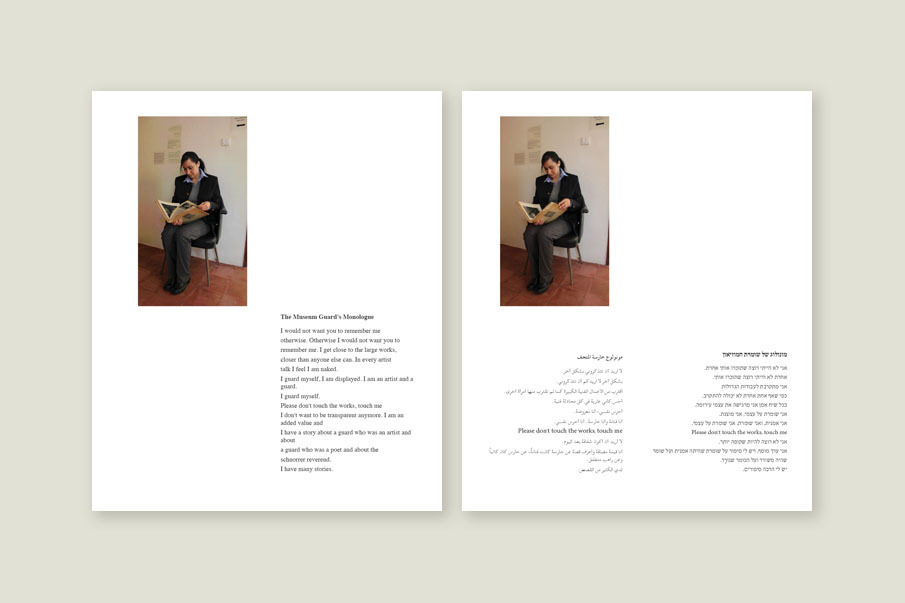
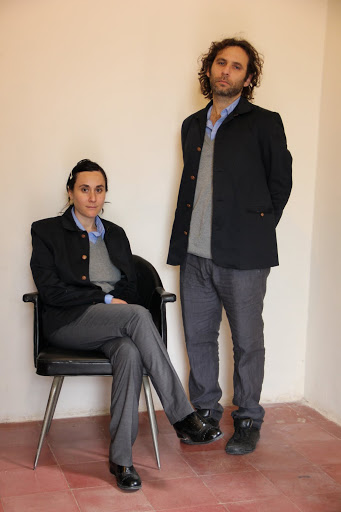
The Sala-manca group work as museum guards of the MOFC (Museum of the Contemporary). It was a comment on their multitask works as artists, curators, directors of Mamuta and exhibition guards. Suddenly, one of the guards would speak:
The Museum Guard‘s Monologue
photo: hilla gutrayman
“I would not want you to remember me otherwise. Otherwise I would not want you to remember me.
I get close to the large works, closer than anyone else can. In every artist talk I feel I am naked. I guardmyself, I am displayed. I am an artist and a guard. I guard myself.
Please don’t touch the works, touch me
I don’t want to be transparent anymore. I am an added value and I have a story about a guard who was an artist and about a guard who was a poet and about the reverend shnorrer. I have many stories.”
In 1923 in Vienna Sidney Goldin filmed the Yiddish classicEast and West starring Molly Picon, the American-Yiddish star of Yiddish cinema and Jacob Karlich, her husband in real life. The film tells the story of Morris Brown, an American manufacturer born in Poland, who returns to his hometown for a family wedding with his very American daughter Mollie (Molly Picon.) The bride, a daughter of his traditional brother, and Mollie, whose exuberant antics fill the film, could not be more different. But Mollie unexpectedly meets her match, an engaging young yeshiva scholar, who forsakes tradition and joins the secular world to win her heart.
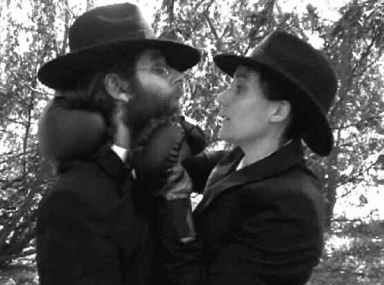
85 years after Goldin’s film the Sala-Manca Group, a collective of Israeli-Argentinean artists, came to Vienna to shoot West und Ost – a film-translation. The work makes references to the idea of cultural and language translation between the Yiddish, English and German texts that also appear in the American and Austrian versions of Goldin’s film. It tells the story of Yaakov K., an Orthodox Jewish guy who is also a street graffiti writer. He is the grandson of the acclaimed writer Yaakov Ben-Ali (the main character of East and West), who was formerly orthodox before becoming secular. Yaakov K. comes to Vienna, in order to get a share of the Shilumim (restitution.) Because of the subversive tone of his graffiti, the Israeli intelligence service Mosad sends a female agent called Moly F. to Vienna to spy on him and bring him back to Israel for investigation. Dressed as a young orthodox man (a quotation of Mollie’s male characteristic in East and West), Moly F. tries to get closer to Yaakov. “Unexpectedly”, they fall in love. Their feelings lead them to re-think their duties to their religion and to the state.
East and West is a funny and clear manifesto for the changing values, manners, and beliefs of traditional East European Jewish life. West und Ost – a film-translation is, however, not just an homage to Goldin’s film and how it deals with a specific and amazing moment in the history of European Jewry, but also a translation of the subversiveness of the film to contemporary terms and topics.
Performed at Tate Modern London in the frame of No Soul for Sale; PFA (Pacific Film Archives, Berkeley); DOX (Prague); Jerusalem Film Festival; CCA – Tel Aviv
International Street Theater Festival, Bat Yam, 2006 | Spanish/Hebrew/English; Spanish/English/Polish
Actors: Sala-manca, Laura Simcovich, Dina Blei, Samuel Rotman, Salomon Mauas, Ayu
Music: Yarden Erez
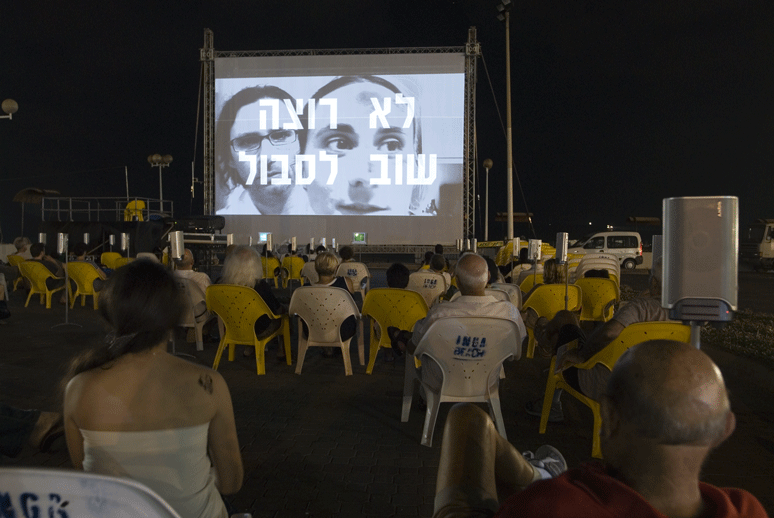
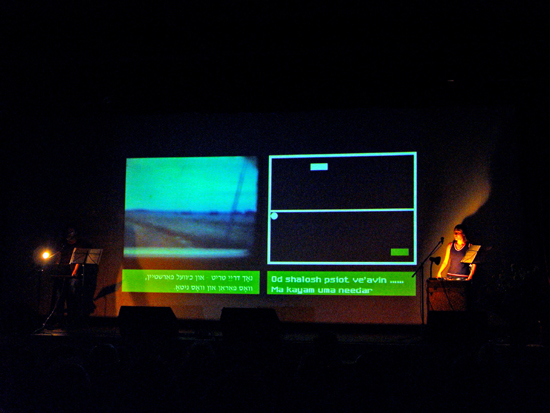
Drive-in cinema in a parking lot by the sea. An Argentinean soap opera is projected on the screen. On the stage, the two leading actors dub the scenes. The language they use changes, the translation becomes dubious, the design of the subtitles and the conventions of the genre are also transformed. The outcome is the last and only episode of a soap opera that exists on the border between mass television culture and avant-garde performance.
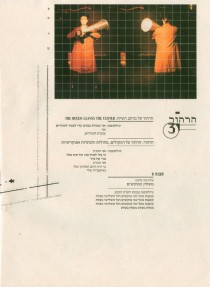
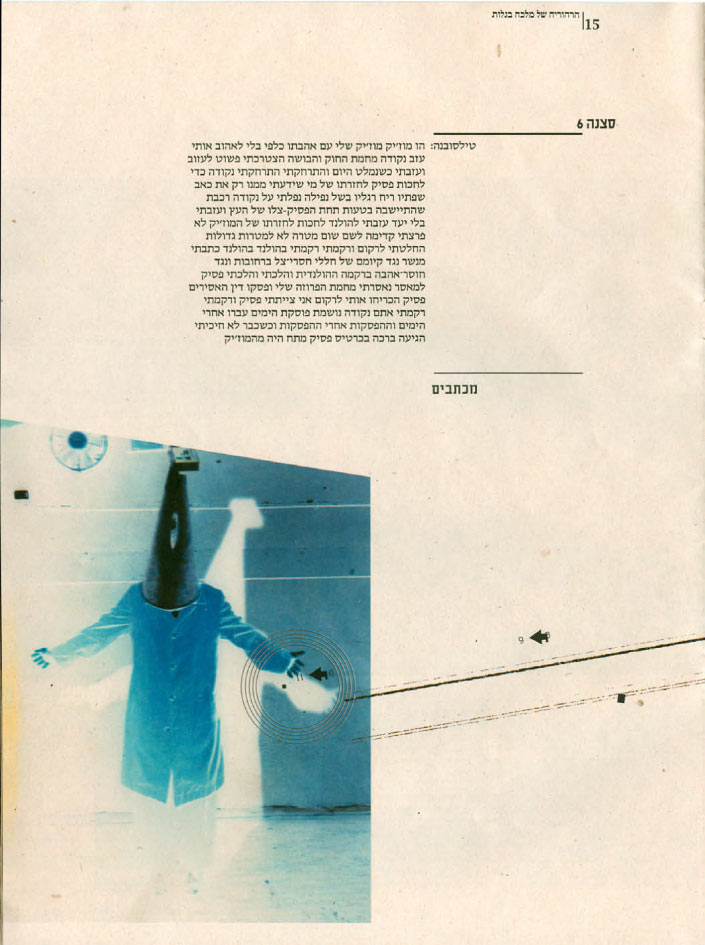
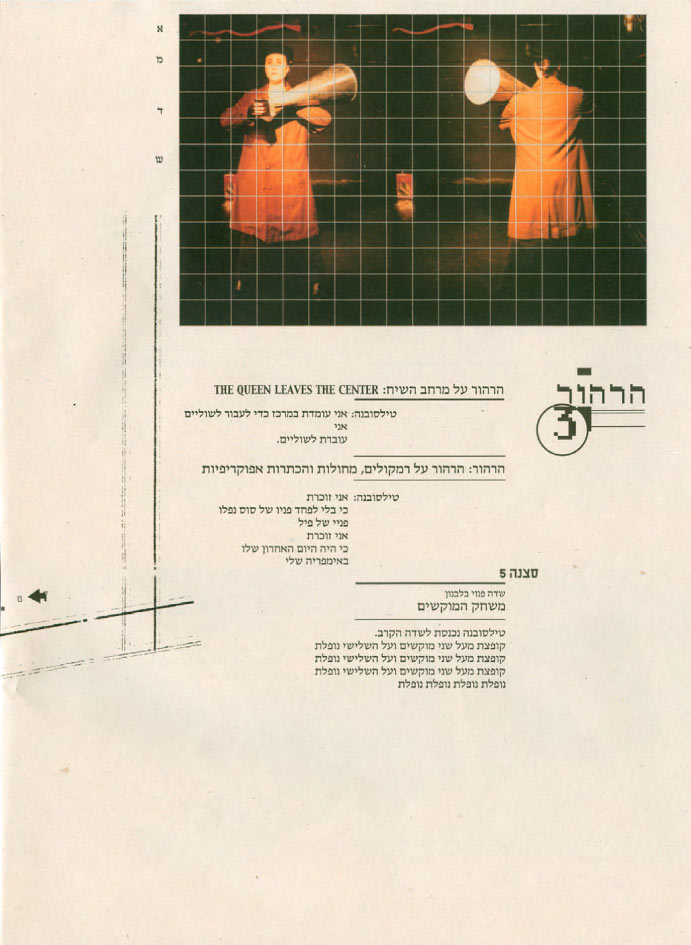
Performance (Yiddish/English/Polish/Hebrew)Presented at The Neighbour Next Door Festival (Sasiedzi dla Sasiadów – edycia V), Warsaw, Poland / Jewish Film Festival, Jerusalem / Belfast Exposed – Interface – Ullster University, Belfast,-24.5.06 / CCA – Tel-AVIV/ ForumStadtPark, Graz, Austria – In the frame of Under_Ctrl Project, curated by Basak Senova – 31.3-2..4.06/ NYU, New York, February, 2006/ The Upgrade International, Eybeam, New York, September, 2005 / Blurrr 5- Bienniale of Performance Art, November, 2005/ Jewish Film Festival, Jerusalem Cinematec, December 2005/ 8 Metula’s Poetry Festival; Metula, June 2005 /As an installation was presented as part of “Eclipsed Voices”, OpenSpace, Vienna | Curator: Basak SenovaElephants in the Nights of Metula is an performance and installation that includes video, digital slides, film, animation, and dual audio in Yiddish and English. The performance is based on the texts of the Yiddish poet Avrom Sutzkever (1913-2010), re-contextualizing his poetry in the historiography of Israeli literature from a contemporary perspective.
The story told in the installation deals with the harsh Israeli cultural control policies with respect to the Jewish diaspora cultures existing in the 50’s, and which in its turn represented a process of hegemonization of resulting in a new Hebrew culture.
This project is a continuation of our performance work dealing with texts and poetry. The piece also relates to our research on the gap between the written letter (the text), its voiced expression, the body and the icon, and visual, cultural and sound translations.
Avrom Suzkever, who passed away last January at the age of 96 years, was indeed one of the greatest poets in the Yiddish language, and was also recognized as of the most prominent poets of the 20th Century. Despite his talent and originality, Since his writings were in Yiddish; he remained almost unknown in Israel.
The poems in this booklet are in 4 different writings:
– Yiddish
– Yiddish (transliteration in Latin letters)
– English written through truespel transliteration, a phonetic system for English writing
– English translation in Braile (graphic)
[“Elephants in the Nights of Metula” text by Sala-Manca]
The “off-the-record” narratives have the potential to generate voids in the vortex of registered histories. As an ever-changing representation of the past, “memory” constructs new patterns to read history. Collective memories alter their content with social, political, and economical changes in time. Thus, individual memory develops in interaction with the diverse realities of social inputs. Our memory shapes our lifestyles, political and ideological positions. Yet, in the process of remembering, each time, we reconstruct a memory by adding or changing details. Therefore, memories are never stable. At the same time, the acts of confrontation, integration, and adaptation are possible only through these ephemeral and fragmented memories since they indicate the construction of defence mechanisms for us to cope with life.
In any case of political and economical imposition and repression, identities have systematically been lost and fragmented. At personal levels, identities are re-constructed with fragmentation of the narrations -as memory extracts- and the disconnected temporality of multiple realities.
With each work, we clearly witness such narratives in different verbal and visual levels –in every possible layer: political, territorial, spatial, psychological, economical, social –in every possible layer: political, territorial, spatial, psychological, economical, social– in each work. This collection of works touches upon the issues of the control of the memory as each work clearly manifests how individual stories about the past interact with existing narratives and other forms of remembrance. It is inevitable that these memories will continue to change, once there is no one alive to tell the tale from their own experience. For this project, this fact activates the motivation behind the obsessive attempt to document personal narratives as eclipsed voices.
Performance |Comisioned by the Metula’s Poetry Festival, 2004 |Showna at VideoBardo VideoPoetry Festival, November 2004 |Kola shel hamila / Jerusalem, March 2005
kinra.zip is a performance for digital slides, video, two voices in spanish and hebrew with ladino script. The performance is based on texts of the argentinean poet and writer Alejandra Pizarnik (1936-1972), and on Tal Nitzan-Keren’s translations into hebrew.
The performance continues our performances-research work on the aesthetics of the difference and on visual, cultural and sound translations.
Texts and manifests of the main Yiddish poets of the 20th century (PeretzMarkish,A.Leyeles,AvrahamSutzkever, Uri TziGrinberg, Moyshe-LeybHalpern,YaakovGlatshteyn, and more) live in harmony with originalyiddish texts written by Sala-Manca. The sound version was done with Finkelstein & Zax.
The performance “Albatros 200x oder 200x Albatros”, re-visits those texts, and pays homage to their revolutionary spirit by using cutting edge and experimental technology to process and re-use them as audio-visual material.
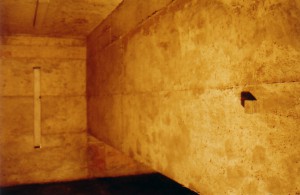
kin Village – A Reconstruction of a Never Performed Performance, Hazira, 2001 & Populus, 2002 | Installation, Performance, Video by Sala-manca
Homage to Marcel Ducham (Toilette Paper and Overhead Projector
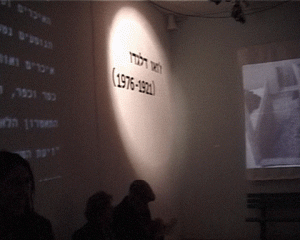
Potiemkin Village (Kfar Potiomkin) – Homage to Joao Delgado (1921-1976)
Potiemkin Village, sala-manca’s new performance, is based on the writings of the Portuguese poet and artist Joao Delgado. Delgado, who “disappeared” in the beginnings of the last military dictatorship in Argentina (1976), was one of the most interesting and important marginal artists in South America.
Potiemkin Village, the last and unfinished work of Delgado, is named after the term “Potiemkin Village”, which means trickery, a magnificent façade that was built in order to cover a shameful and unwished situation. This term is based on historical facts: In 1786, Katherine the Great organized a cruise in order to celebrate the conquest of the Turkish lands situated North to the Black Sea. At the approach of the cruise the General Potiemkin ordered the building of villages along the rivers of South Russia. Many passengers noticed that the thousands of villages were but virtual; a theatrical, decorative and spectacular trick intended to impress the passengers and to justify the conquest. According to the version of Delgado, in order to present a purified and festive image the General Potiemkin “cleaned” those areas from handicapped, insane persons, beggars, and independent artists. Potiemkin sent them to the last ship of the cruise and organized a show on board the last day. The show became an open opposition to the aristocracy. It was named “Potiemkin Village”
The Potiemkin Village of Delgado tried to recapture the spirit of the historical performance while breaking conventions of acting and watching of his times. The performance was both a sharp criticism of the country situation of those days and a silent call to a fierce arising.
Sala-manca found appropriate to reconstruct and readapt that performance and to base it on the themes that Delgado developed. Those themes are adapted by sala-manca through the mise en scene of a tour in the different rooms of the “Hazira”, during which the power relations of the spaces change.
The traditional auditorium is weakened by the emphasis on the minor spaces. The stations of the tour are meant to announce the dissolution of the performance.
Video Bardo Performance Festival – Buenos Aires, Bamat Meizag – Tel Aviv, Performa 01 Festival – Jerusalem, Heara 2 – Jerusalem, Kosmonaut – Tel-Aviv, Tel-Aviv University,
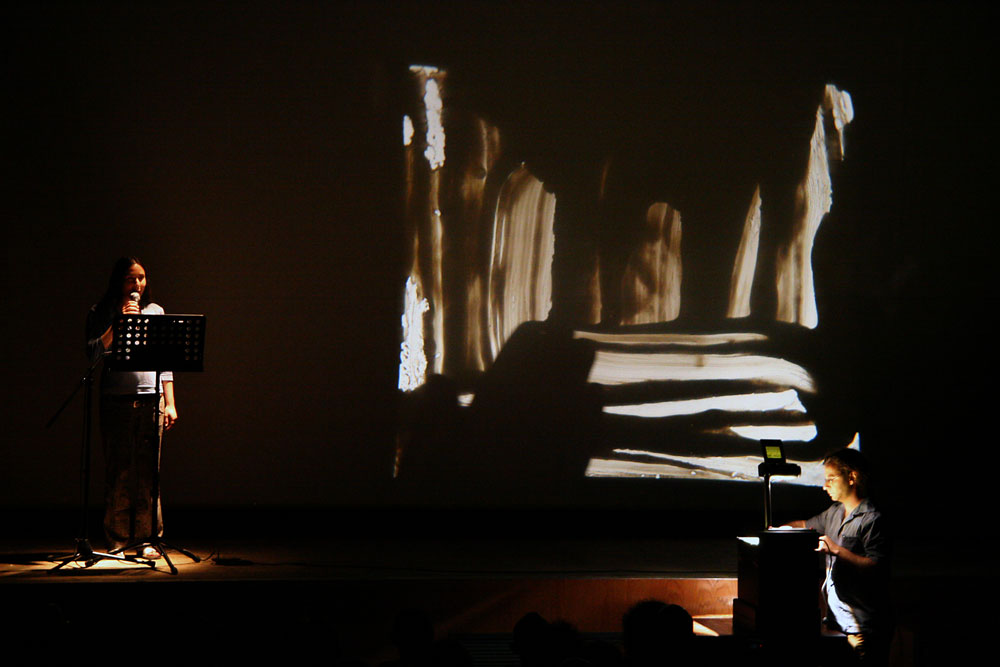
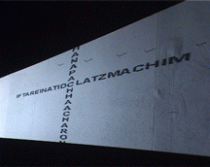
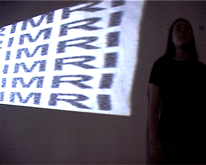
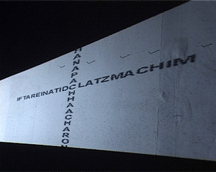
Concrete Response is a performance for voice and slide projector.
The performance, which deals with the gap between the written letter (the text) and its voiced expression. An original text in hebrew is interpreted at the same time that is projected in latin lettters. The texts in the slides are designed in a way that remind works of concrete poetry. Not every time the synchro is correct, not every time is the same way of latinization. The “distance” between the spoken word and it graphic expression are the basis of the work.
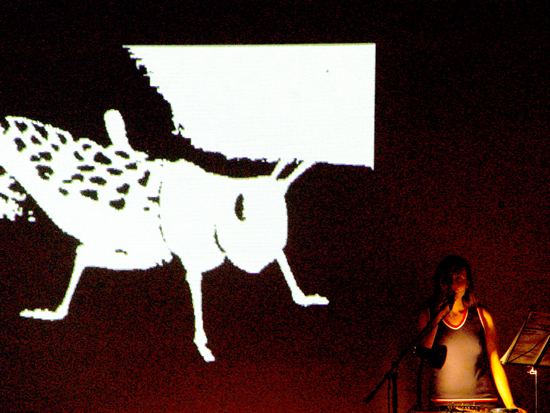
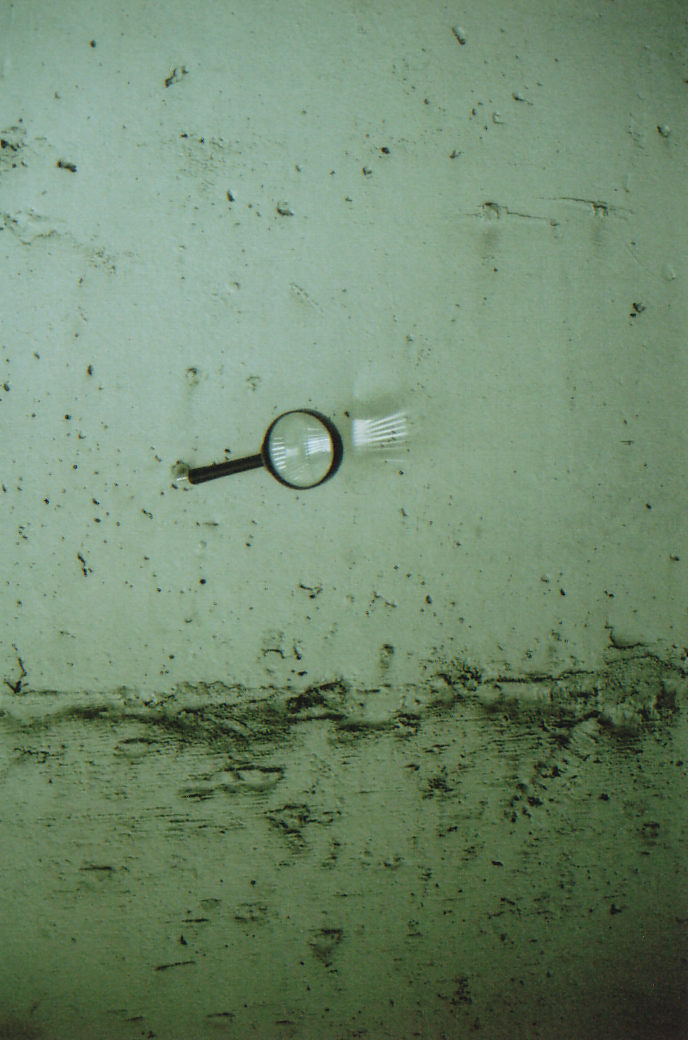
Concrete Response II is a performance for digital slide, live video, mouth and two voices.
The performance continues our visual and sound research on the easthetics of the difference and deals with the gap between the written letter (the text), its voiced expression, the body and the icon. Between the concrete poetryand a concrete response.
 lenovela starring and filmed by Sala-Manca group in Buenos Aires and Jerusalem and a continuation of The History of Batya M. (2007) .
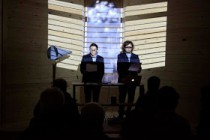
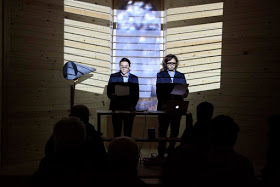
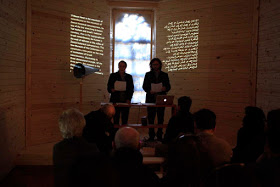
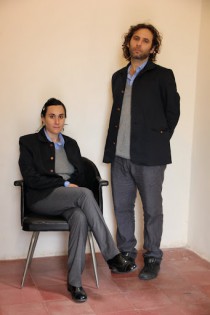
 Performed at Tate Modern London in the frame of No Soul for Sale; PFA (Pacific Film Archives, Berkeley); DOX (Prague); Jerusalem Film Festival; CCA – Tel Aviv
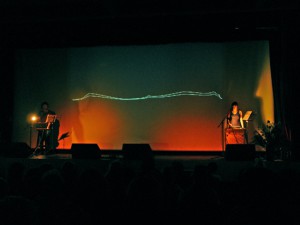 The poems in this booklet are in 4 different writings:


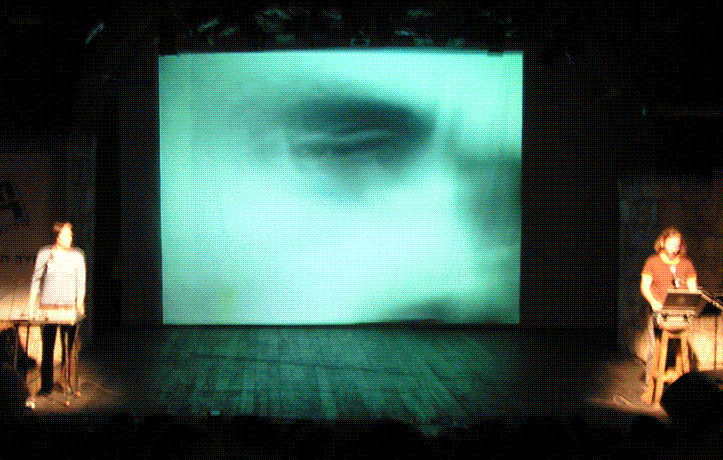
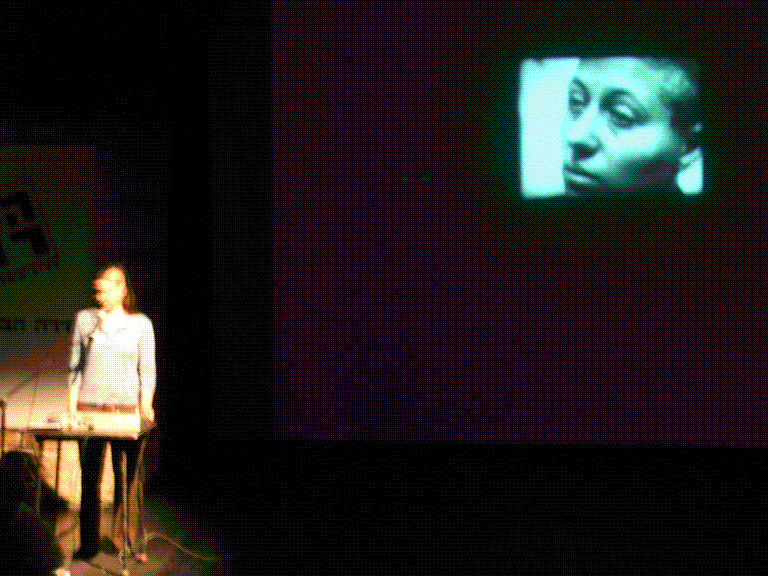
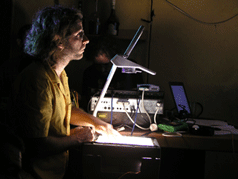
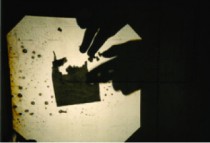
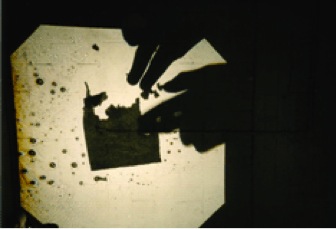
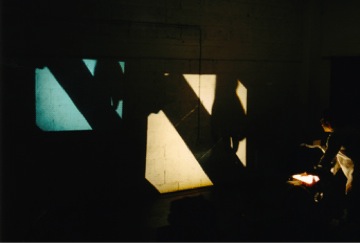
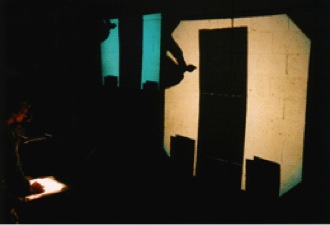
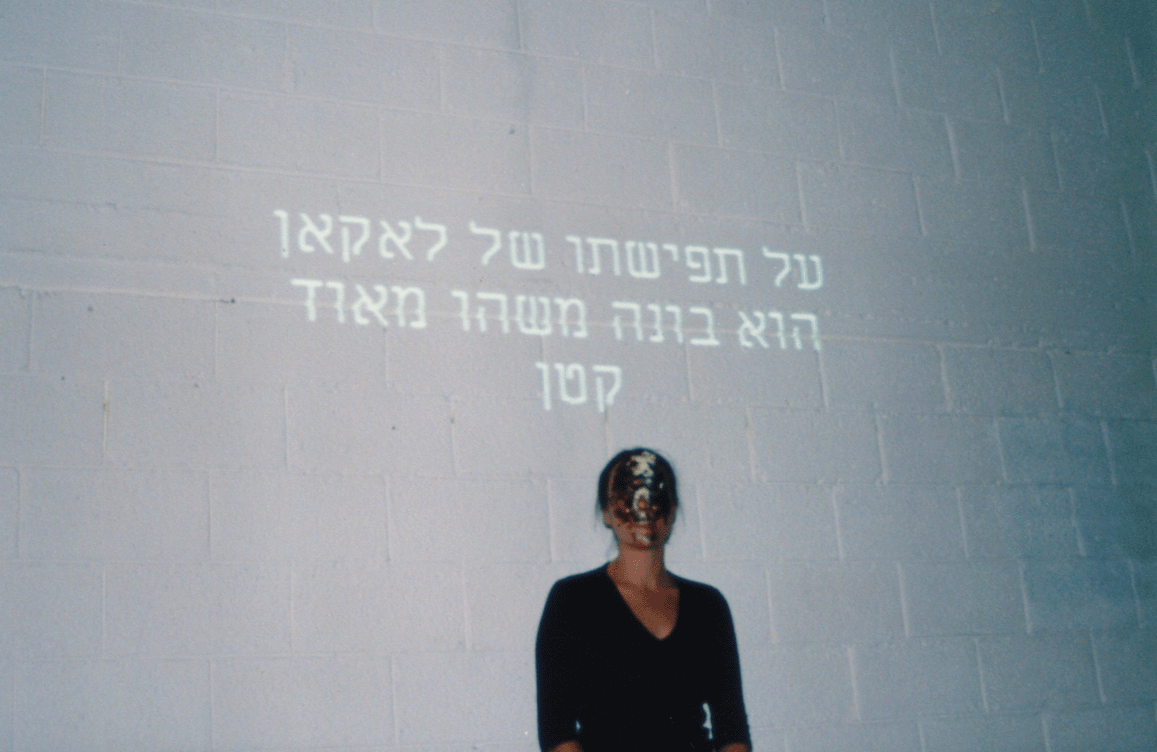
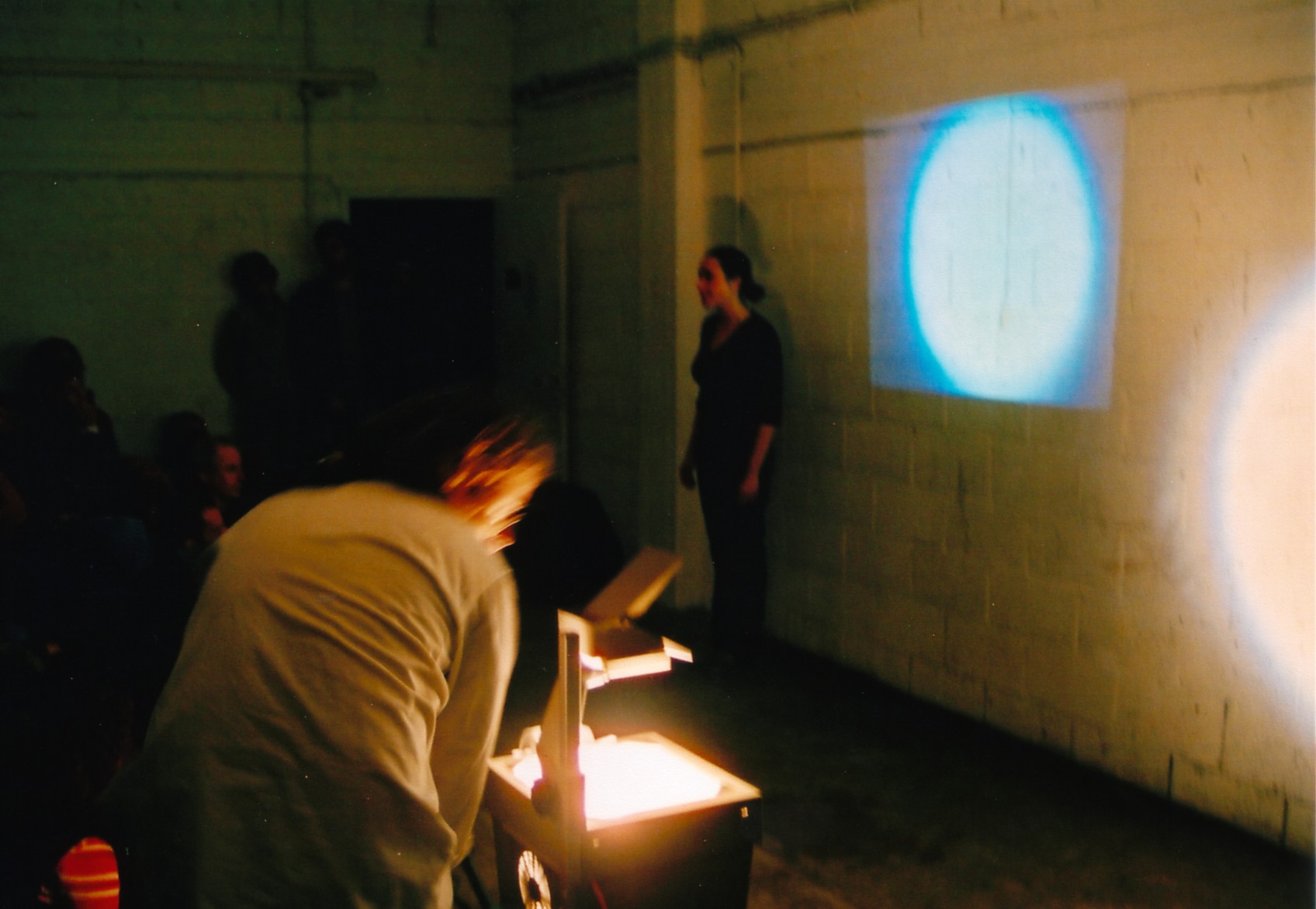
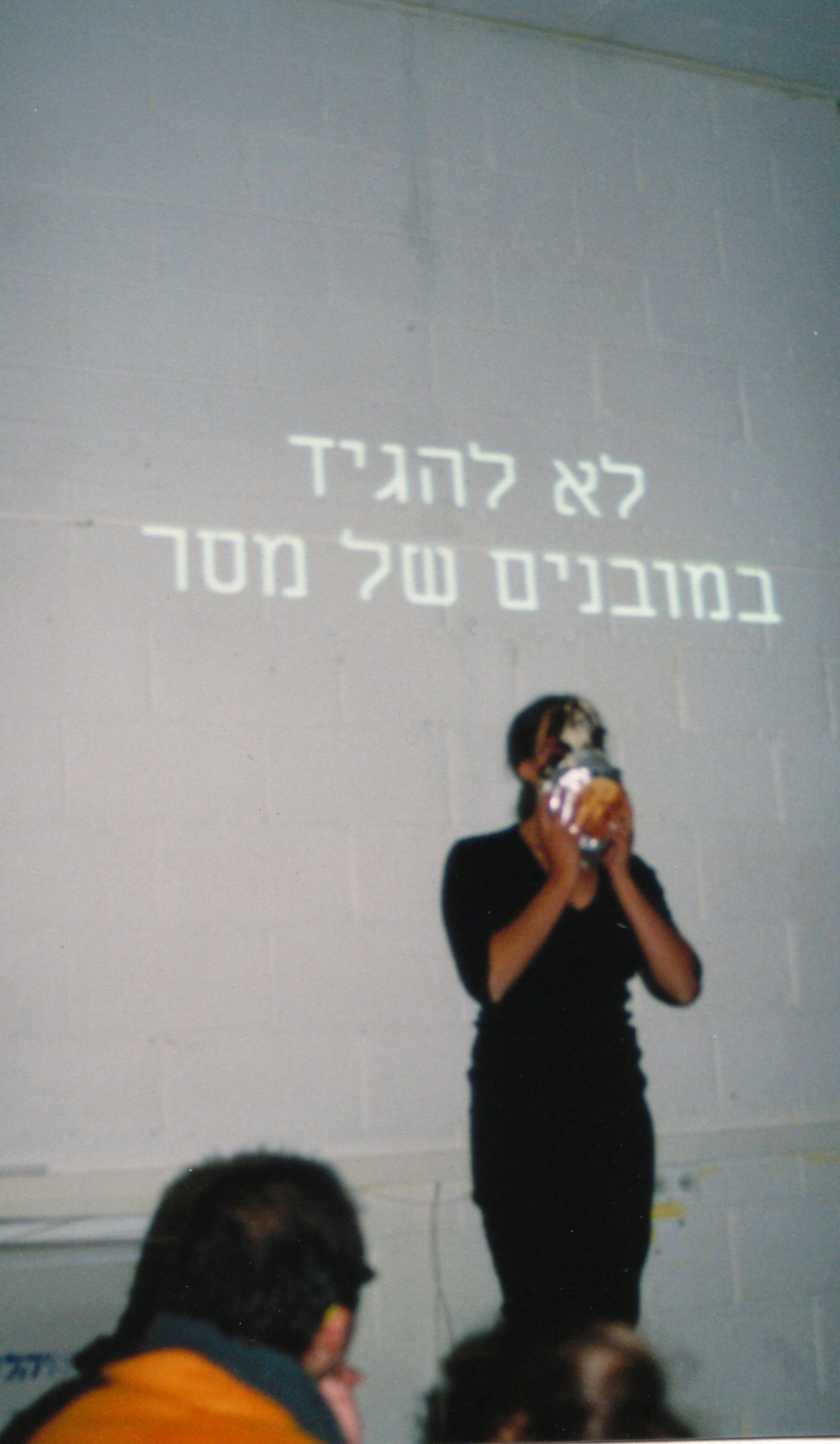
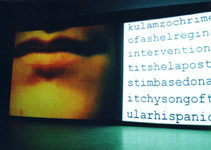 Concrete Response II is a performance for digital slide, live video, mouth and two voices.