WordPress database error: [DELETE command denied to user 'sala-manca'@'localhost' for table `sala_manca_net`.`wp_options`]
DELETE FROM `wp_options` WHERE `option_name` = '_site_transient_wp_theme_files_patterns-3e81fb819c0831df69203ee558a709b9'

WordPress database error: [DELETE command denied to user 'sala-manca'@'localhost' for table `sala_manca_net`.`wp_options`]
DELETE FROM `wp_options` WHERE `option_name` = '_site_transient_timeout_wp_theme_files_patterns-3e81fb819c0831df69203ee558a709b9'

WordPress database error: [INSERT, UPDATE command denied to user 'sala-manca'@'localhost' for table `sala_manca_net`.`wp_options`]
INSERT INTO `wp_options` (`option_name`, `option_value`, `autoload`) VALUES ('_site_transient_timeout_wp_theme_files_patterns-3e81fb819c0831df69203ee558a709b9', '1792702852', 'off') ON DUPLICATE KEY UPDATE `option_name` = VALUES(`option_name`), `option_value` = VALUES(`option_value`), `autoload` = VALUES(`autoload`)

WordPress database error: [INSERT, UPDATE command denied to user 'sala-manca'@'localhost' for table `sala_manca_net`.`wp_options`]
INSERT INTO `wp_options` (`option_name`, `option_value`, `autoload`) VALUES ('_site_transient_wp_theme_files_patterns-3e81fb819c0831df69203ee558a709b9', 'a:2:{s:7:\"version\";s:3:\"4.0\";s:8:\"patterns\";a:0:{}}', 'off') ON DUPLICATE KEY UPDATE `option_name` = VALUES(`option_name`), `option_value` = VALUES(`option_value`), `autoload` = VALUES(`autoload`)

WordPress database error: [INSERT, UPDATE command denied to user 'sala-manca'@'localhost' for table `sala_manca_net`.`wp_options`]
INSERT INTO `wp_options` (`option_name`, `option_value`, `autoload`) VALUES ('_transient_doing_cron', '1792701052.3946909904479980468750', 'on') ON DUPLICATE KEY UPDATE `option_name` = VALUES(`option_name`), `option_value` = VALUES(`option_value`), `autoload` = VALUES(`autoload`)

THE ETERNAL SUKKAH PROJECT | פרוייקט סוכת נצח – Page 2 – Sala-Manca

Building the Eternal Sukkah, Graham Lawson, Jerusalem Post

Print Edition

Photo by: Courtesy
Building ‘The Eternal Succa’
By GRAHAM LAWSON
09/08/2015
Israeli artists Sala-manca construct a succa from the materials of a Beduin home. The structure goes on view at the Israel Museum this month
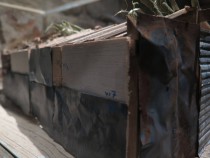
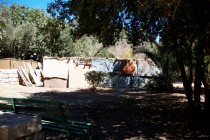
In July 2014 Diego Rotman and Lea Mauas, two Israeli artists who operate under the alias Sala-manca, began a process that involved the purchase of a Beduin house, the materials of which they intended to use for the building of a succa.The structure came to be named “The Eternal Succa” and was recently acquired by the Israel Museum.

for the enitre artice:

on-line:

http://www.jpost.com/Israel-News/Culture/Building-The-Eternal-Succa-415620

pdf:

Building ‘The Eternal Succa’

Jacqueline Grandjean about the Eternal Sukkah (dutch)

A comment on the Sukkah project in dutch bY Jacqueline Grandjean directeur en curator Oude Kerk, Amsterdam): “Sala-Manca is het enige onafhankelijke kunstenaarsplatform van de stad, gevestigd in een voormalig leprozentehuis Jesus Hilfe in Jerusalem. Ideologie is om een actieve gemeenschap voor kunstenaars te creëren die zich in verbinding stellen met de maatschappij. Een van de meest geëngageerde projecten die de twee oprichters, Lea Mauas and Diego Rotman tonen is Eternal Sukkah (2014). Soekot, dat een vreugdevol feest is, wordt beschreven in de Tenach (de Hebreeuwse Bijbel), waarin de Israëlieten (en daarmee ook hun nakomelingen de Joden) wordt opgedragen dit feest elk jaar te vieren. Volgens de traditie bouw je een hut in de tuin, een Sukkkah, waar de maaltijd wordt genoten. In aanloop tot dit feest besloten de kunstenaars van Sala- Manca een loofhut te bouwen in de openbare ruimte. In het holst van de nacht trokken ze de woestijn in om de naar dit gebied verbannen Jehalin Bedoeïenen te bezoeken. De gemeenschap leeft hier een nomadisch bestaan sinds ze in 1949 van hun land in de Negev woestijn werd verdreven. De kunstenaars luisterden naar de verhalen van de bedoeïenen en besloten een van de zelfgebouwde hutten te kopen en te vervoeren naar Jerusalem. De ontmanteling vond ’s-nachts plaats om militair ingrijpen te voorkomen. De Jehalin is een volk op de vlucht, dus hun sobere onderkomen is in een aantal uur van de ene naar de andere plek te verplaatsen. De geadopteerde hut (Sukkah) biedt in de openbare ruimte van Jerusalem een perspectief op de Joodse geschiedenis en werpt een blik op de status van vluchteling. Het project legt op sympathieke wijze de diversiteit bloot van de harde realiteit van het leven in Israël en haar paradoxale geschiedenis.
Na het Loofhuttenfeest werd de hut afgebroken en genummerd en gecategoriseerd opgeborgen. Het Israël Museum toonde onlangs haar interesse in het project. Sala-Manca denkt momenteel na op welke manier deze manifestatie tot museumobject kan transformeren. Een ding staat vast: de Bedoeïenen profiteren mee van de verkoopsom van het werk. “

The Israel Museum purchased the Bedouin Sukkah

Screenshot (12)

We are glad to announce that the “Eternal Sukkah” (a collaborative projecct by Sala Manca with Itamar Mendes-Flohr and Yeshaiahu Rabinovitz) was bought by the Israel Museum, Jerusalem for its permanent collection. Half of the sum is going to be paid to the Al-Korhan family.

for furthe info about the project: http://old.sala-manca.net/?p=99

from the Museum’s pr:

יצירה מיוחדת שנרכשה היא היצירה “סוכת נצח” של קבוצת סלה-מנקה (קבוצה שחברים בה דייגו רוטמן ולאה מאואס והיא פועלת בבית הנסן בירושלים) בשיתוף איתמר מנדס-פלוהר וישיעהו רבינוביץ. האמנים, העוסקים באמנות בעלת ממד מושגי, פוליטי וחברתי, רכשו מבנה ארעי של בדואים משבט הג’האלין שחי במדבר יהודה בדרך שבין ירושלים ליריחו והרכיבו אותו מחדש בחצר בית הנסן. הבית הארעי העשוי חומרים פשוטים ומזדמנים הפך בסוכות תשע”ה לסוכה שהתקיימו בה כינוסים ומפגשים. עתה המבנה – ששימש את הבדואים ואת הבאים למפגשים בסוכות בבית הנסן – יהפוך לחלק מאוסף המוזיאון. הטרנספורמציה שעבר המבנה, ממאהל בדואי לסוכה יהודית, ולבסוף ליצירת אמנות המוצגת במוזיאון, מציפה שאלות הנוגעות לפליטות, לקבלת האחר, לשינוי בייעוד ובמשמעות של אובייקט, ולסוגיית היחסים המורכבים שבין האמנות למציאות עכשווית.

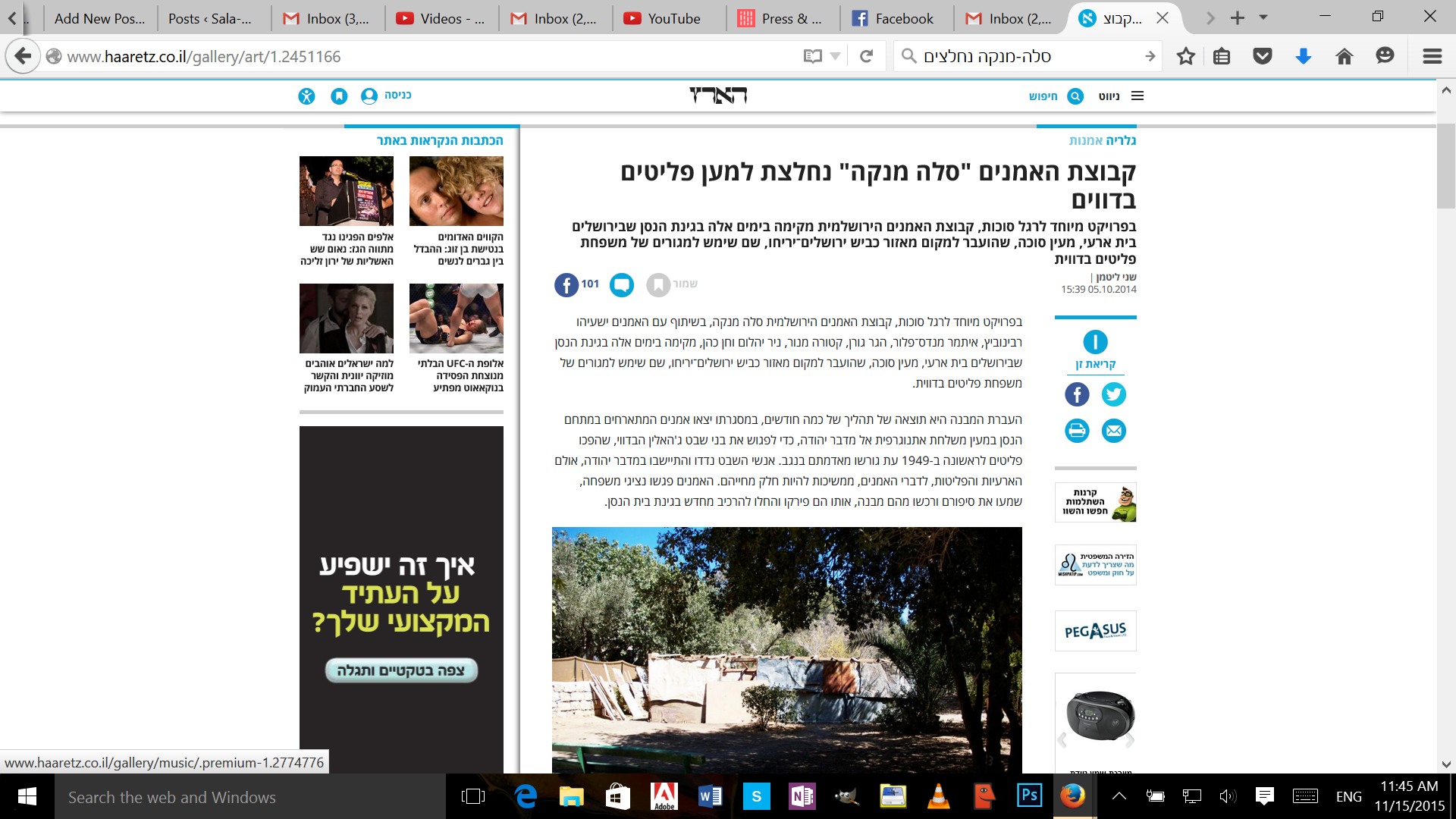
from haaretz:

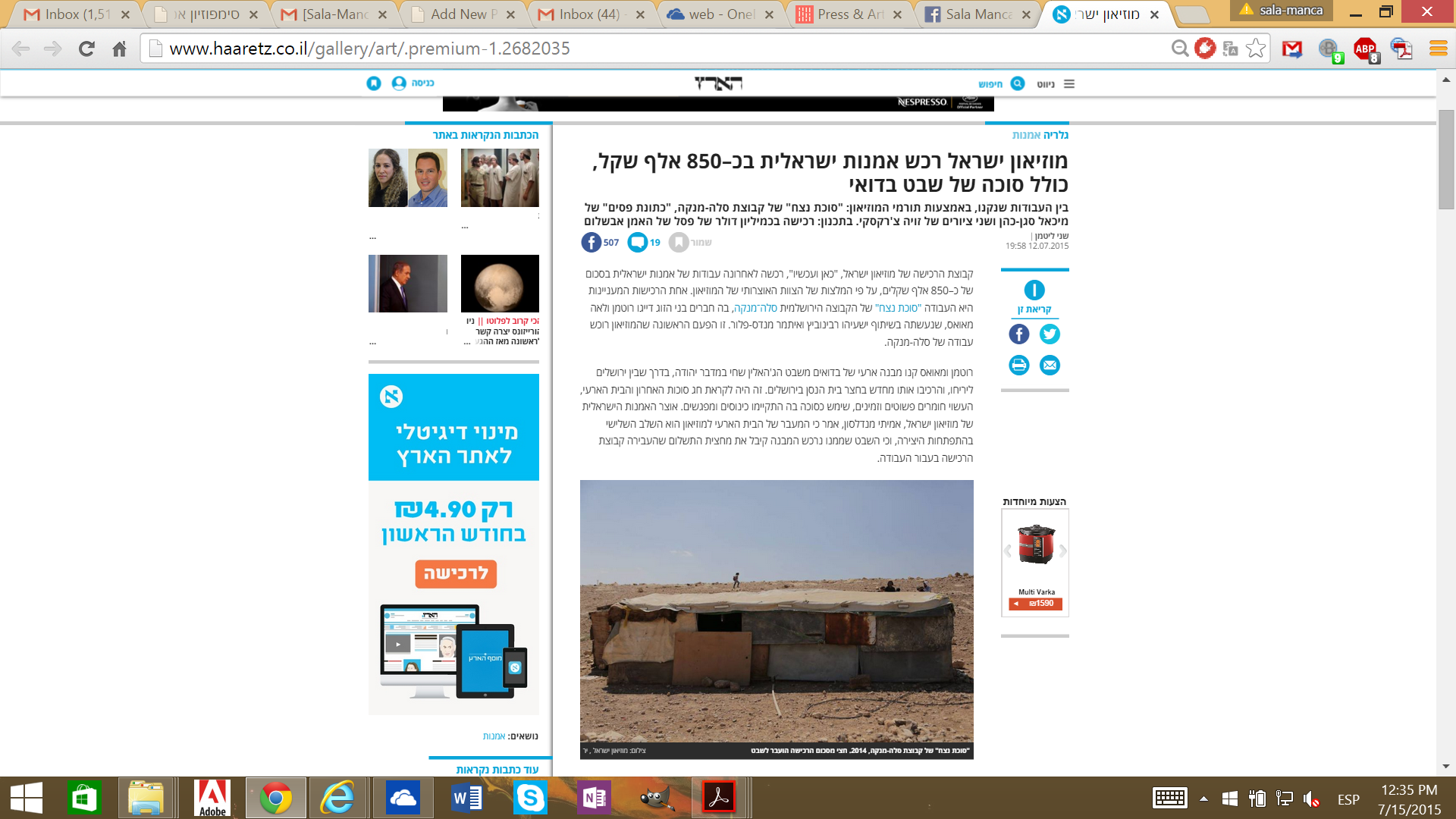
רוטמן ומאואס קנו מבנה ארעי של בדואים משבט הג’האלין שחי במדבר יהודה, בדרך שבין ירושלים ליריחו, והרכיבו אותו מחדש בחצר בית הנסן בירושלים. זה היה לקראת חג סוכות האחרון והבית הארעי, העשוי חומרים פשוטים וזמינים, שימש כסוכה בה התקיימו כינוסים ומפגשים. אוצר האמנות הישראלית של מוזיאון ישראל, אמיתי מנדלסון, אמר כי המעבר של הבית הארעי למוזיאון הוא השלב השלישי בהתפתחות היצירה, וכי השבט שממנו נרכש המבנה קיבל את מחצית התשלום שהעבירה קבוצת הרכישה בעבור העבודה.

מנדלסון הוסיף כי הוא עוקב אחרי פעילותה של הקבוצה כבר זמן רב, וכי “סוכת נצח” תוצג במוזיאון החל מחודש ספטמבר הקרוב. “הם עשו פה פעולה שיש בה ממד פוליטי מאוד וקשור לנושא של פליטות וליחס בין מרכז לפריפריה. יש בזה צדדים מעניינים מבחינה קונספטואלית וגם פוליטית. זה מהלך לא רגיל בשביל המוזיאון, זה דרש הסברים לקבוצת הרכישה — למה זה חשוב, למה זה אמנות — אבל זה מהלך עקרוני בעיני מבחינת המוזיאון”.

from globes:

“”סוכת נצח” היא למעשה מבנה ארעי גדול של אוהל בדואי משבט הג’האלין. ההקבלה המפתיעה בין המאהל הבדואי לבין מושג הסוכה היהודי-ישראלי יוצרת הזרה, מדגישה את הפערים התרבותיים והחברתיים, ובו בזמן קושרת בין הרקע התנ”כי של המסורת לחיים העכשוויים. סוכת-נצח היא יצור כילאיים פרקטי, שבא לענות על צורך מודרני בייעול מנהגי החג – משחקי הסוכה. הכנסת האוהל למוזיאון, בהקשר אמנותי ולא אתנוגרפי, כמוה כהערה על יישוב השבטים הנודדים של הבדואים בכפרי קבע.

[[…] האמנים רכשו את האוהל משבט הג’האלין, שחי במדבר יהודה בין ירושלים ליריחו, וקיימו בו במהלך חג סוכות כינוסים ומפגשים. המבנה עשוי חומרים פשוטים ומזדמנים, והוא “הסתגל” לשינוי הייעוד שנכפה עליו – מבית בדואי ארעי, לסוכה יהודית ובסופו של דבר ליצירת אמנות במוזיאון. גלגוליו מעלים שאלות הנוגעות לקבלת האחר, לשינוי במשמעות ובפונקציה של אובייקט, ולסוגיית היחסים המורכבים שבין האמנות למציאות עכשווית.

For further info:

haaretz: http://www.haaretz.co.il/gallery/art/.premium-1.2682035

globes: http://www.globes.co.il/news/article.aspx?did=1001052896#FromSearchPage

museum website: http://www.imjnet.org.il/page_17605#herenow
The Bedouin Communities East of Jerusalem – A Planning Survey by BIMKOM

‘This report on the Bedouin communities residing east of Jerusalem describes their present situation in terms of physical and planning considerations, as well as the life and daily existence of their residents. These communities have for many years faced ongoing threats of uprooting and deportation, due to a policy that seeks to concentrate all of the Bedouin communities in the region into a single community in the eastern outskirts of greater Jerusalem, near Al-E’izariya. Administratively, the area is located within Area C, as determined by the Oslo Accords, such that the residents of these Bedouin communities are under Israeli sovereignty, and the State of Israel, through the Civil Administration, is solely responsible for their living conditions and welfare and for devising acceptable solutions to ensure that their rights are upheld.”

[for further info: http://bimkom.org/eng/wp-content/uploads/jahalin/index.htm]

About the Jahalin

About

Clans from five tribes of the Negev Bedouin entered the West Bank seeking refugee status with UNRWA following the establishment of the state of Israel in 1948. As with all refugee communities, each tribe has its own historical account of the steps which led to its expulsion and its subsequent plight. The Jahalin Tribe is the largest refugee tribe in the West Bank today.The Bedouin of the Jahalin Tribe originate from the Tel Arad district of the Negev desert. Their traditional tribal territory ranges from 50km north‐east of Bir Sheva to 30km west of the Dead Sea and 30km south of Hebron City. Tribal history relates that from 1949 the Israeli Authorities began a campaign of forced evacuation against the Bedouin in the Tel Arad region. Refusing to collaborate with the IDF, the Jahalin came under increasing pressure from the Israeli forces to leave their lands. Physical and psychological violence increased, resulting in the demolition and burning of homes and the fatal shootings of at least five of the Jahalin by Israeli troops. Following the shootings and ongoing violence, the Jahalin Tribe fled their tribal territories to the edges of the Negev, before moving into Jordan and the West Bank, seeking refugee status with UNRWA in the early 1950s.

[for further info: http://jahalin.org/about-the-jahalin/]

Events held at the Sukkah in Hansen and at the Jahalin’s Village

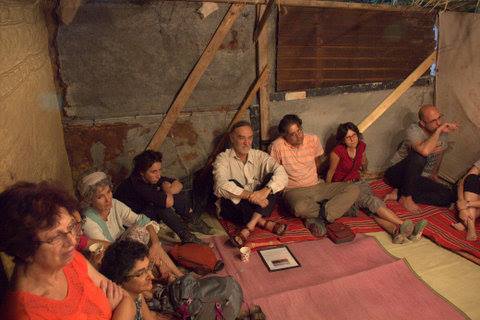
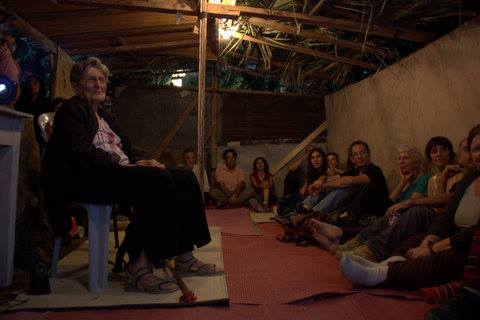
Events organized at the Eternal Sukkah in Hansen

“It’s a kosher sukkah, and dwelling in it during Sukkot totally transforms the mitzvah – emotionally, socially, politically – into a more religious act than I’ve ever felt.”(Rab Jeremy Milgrom)

10686597_934385039908255_3550126091747494816_n 1384263_934385256574900_4879013819683800142_n

10671215_10152766927448270_1606643842573125113_n

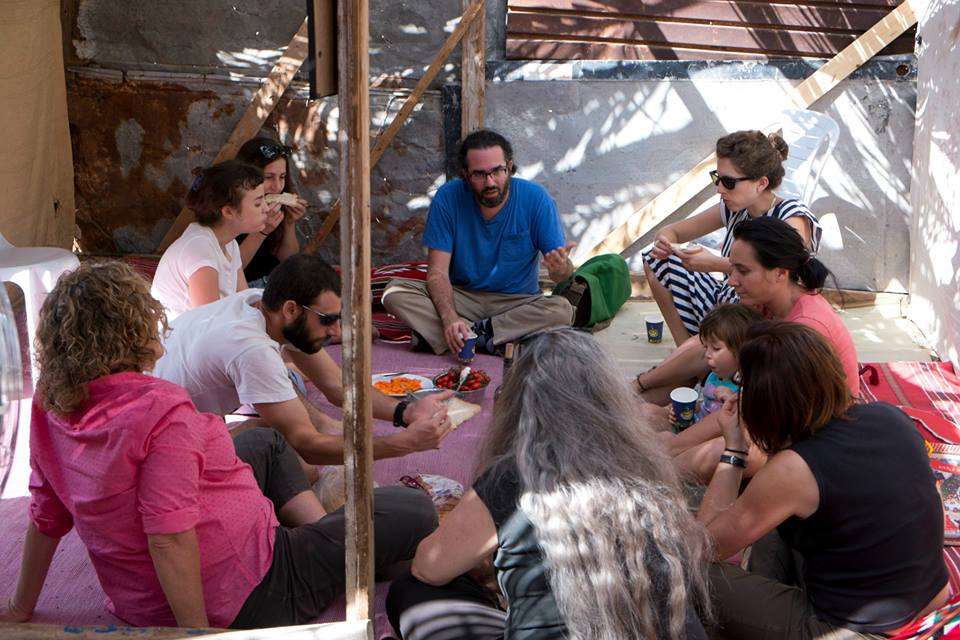
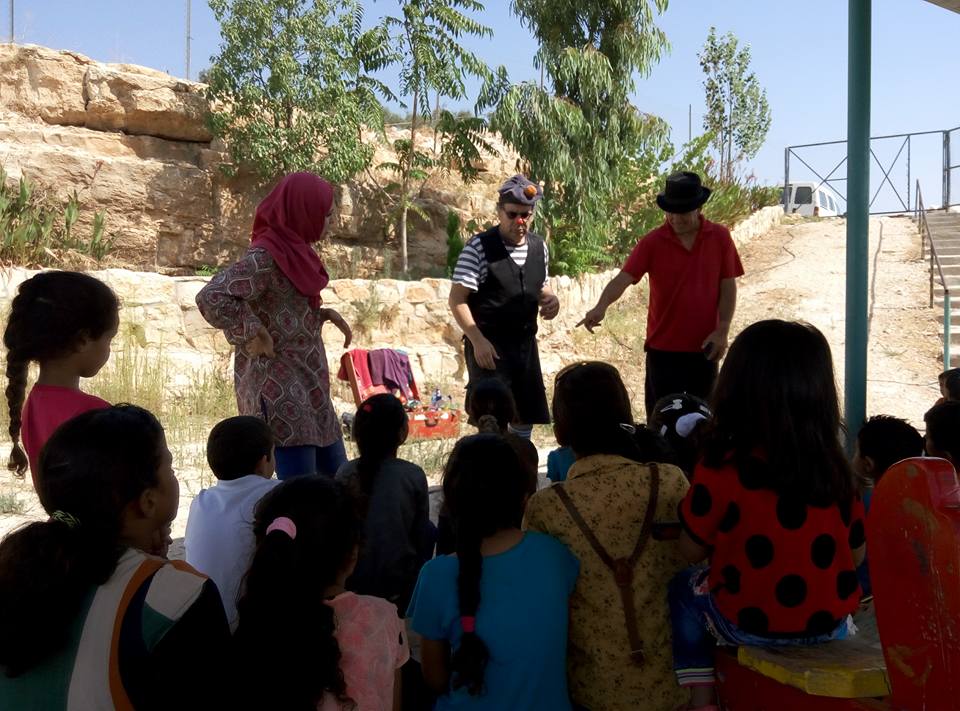
Events organized at the Village


  • Youval and Tal in the Village in the frame of the Puppet’s Van project, August, 2015

11900024_1126784844001606_9057004019152523016_n


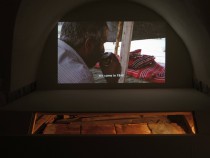
  • Screening of the documental film about the Eternal Sukkah
  • Screening films for kids in Arabic