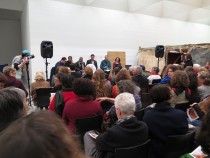
Video Documentation [Hebrew. Arabic& Hebrew]
2.2. 2016 | On Hybridization, Transience, and Refugees | Israel Museum
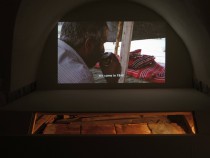
Entire documentation of a discussion focusing on The Eternal Sukkah by the Sala-Manca group, together with Itamar Mendes-Flohr and Yeshaiau Rabinowitz.
For more info on the project: http://old.sala-manca.net/?cat=274
Featuring: Amitai Mendelsohn, Abu Suleiman – Jahalin Tribe, Rachel Elior, Daphna Ben-Shaul, Alon Cohen-Lipshitz, and the artists.
Tag: Itamar Mendes-Flohr
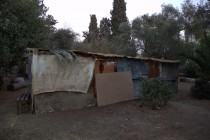
About the Eternal Sukkah Project, 2014-2015 | סוכת נצח
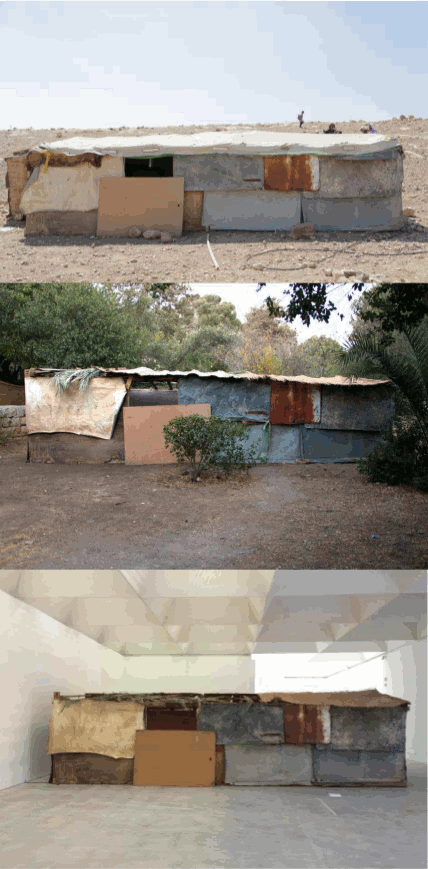 An illegal shanty structure from the Jahalin Bedouin community on the Jerusalem-Jericho Road purchased, dismantled, and reassembled in the as a Jewish Sukkah at the Jerusalem Hansen House for Art, Design and Technology in October 2014 was purchased by the Israel Museum for part of their art collection and going to be reensambled and exhibit from September 20, at the Israel Museum.
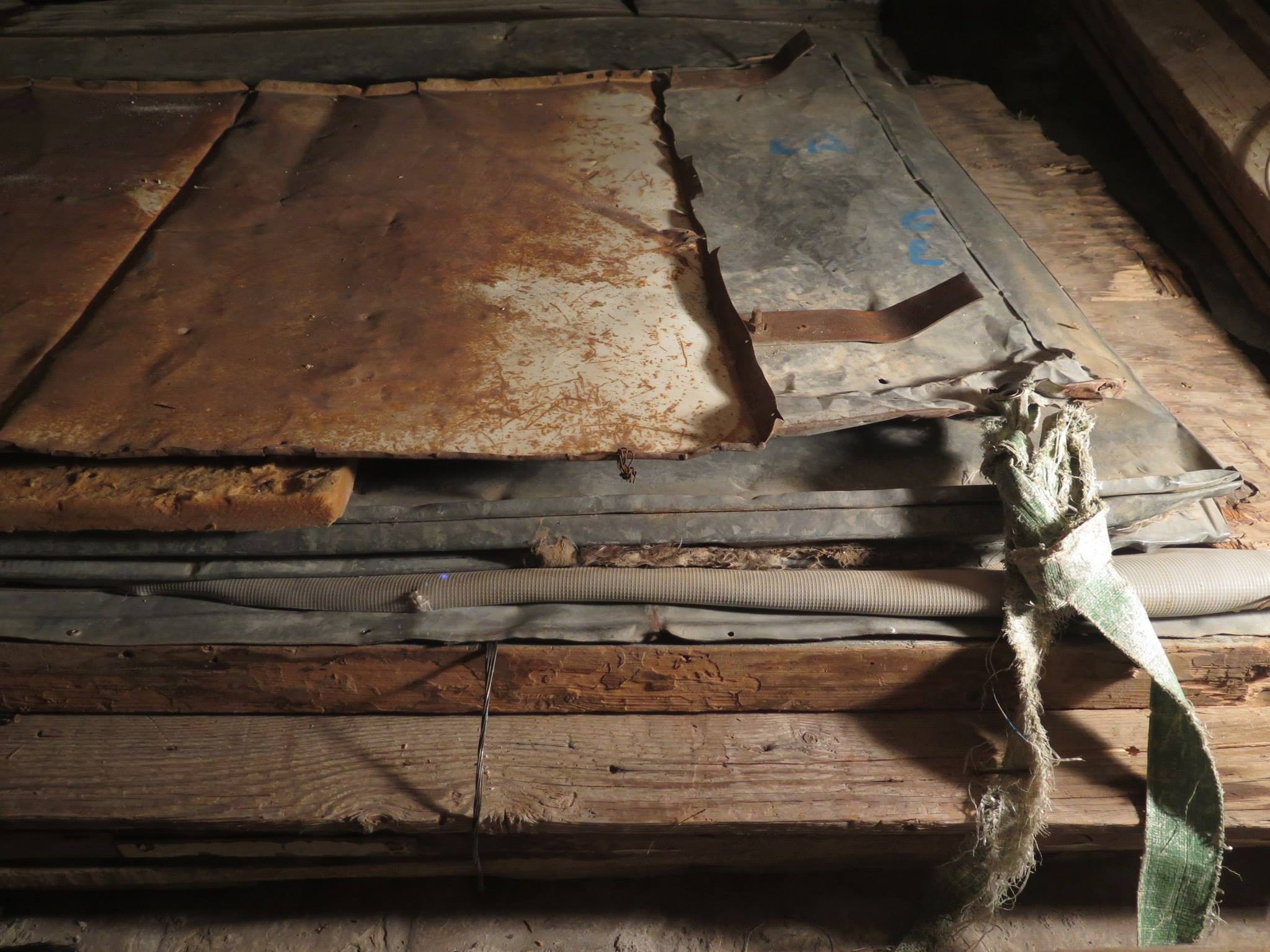
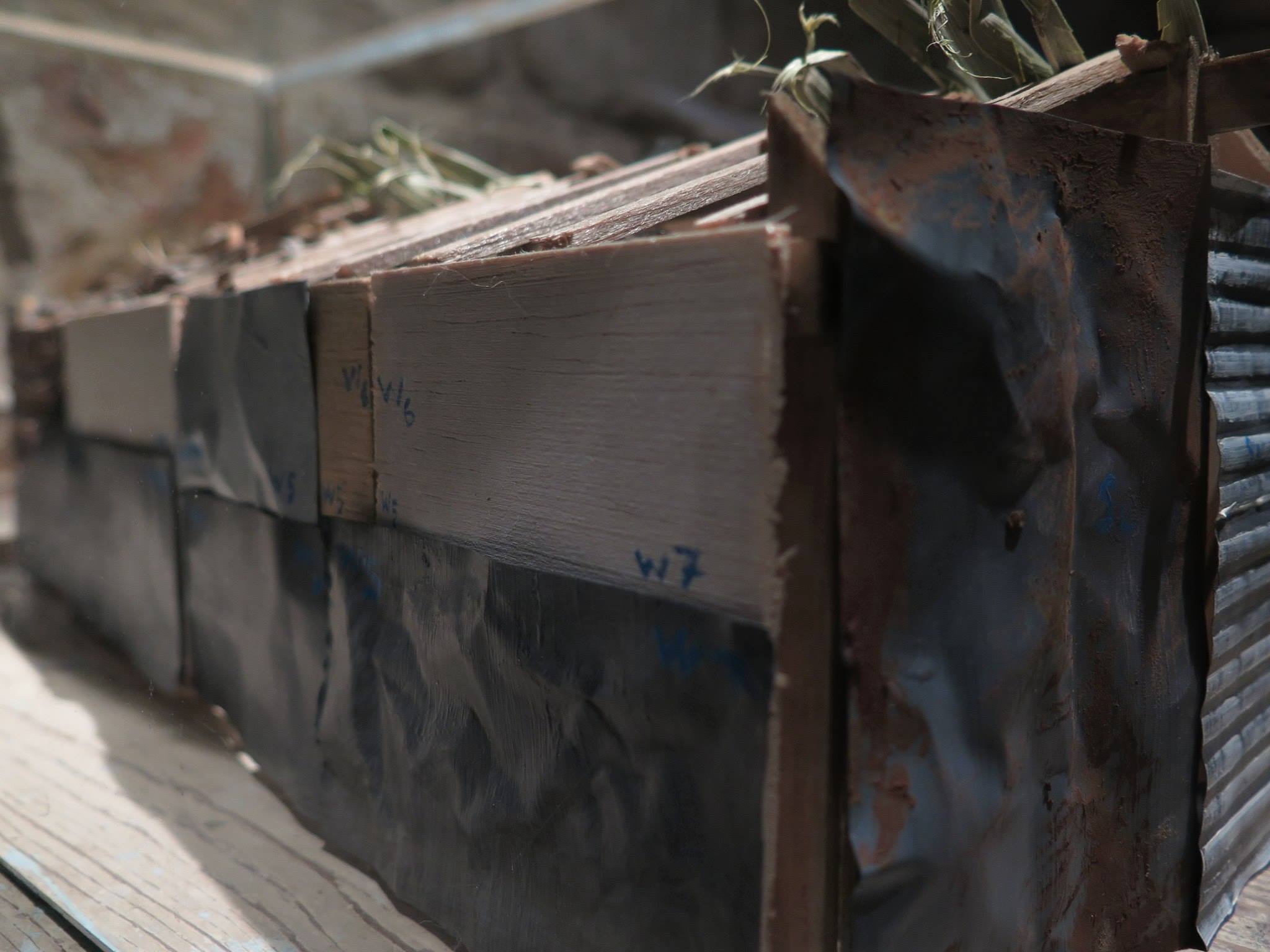
In the lead-up to the 2014 Sukkot holiday, the Sala-Manca Group (Lea Mauas and Diego Rotman), directors of the Mamuta Art and Media Center at Hansen House, decided to create a public Jewish Sukkah on the Hansen grounds, a temporary dwelling for its activities during the holiday. Rather than construct an extravagant or innovatively designed Sukkah, the artists chose to delve into the sukkah’s charged meaning in the Israeli context and to highlight the temporary nature of the structure and its associations with exile – thus evoking associations not only with Jewish history but also with the modern Israeli context, and proposing a contemporary reading of the sukkah, both as a concrete object and as a symbol. A structure from the Jahalin Bedouin community on the Jerusalem-Jericho Road is purchased, dismantled, and reassembled in the Hansen House for Art, Design and Technology.
The Jahalin first became refugees in 1949 when they were expelled from their lands in the Negev desert. They migrated to the region of the Judean Desert, where transience continues to be a part of their daily lives. The artists met members of one of the families and listened to their stories. They then proposed to purchase a structure from them, with the idea of dismantling it and reassembling it in the garden of the Hansen House and thus transplanting a piece of one reality within another one. Not only is the sukkah structure itself transplanted to the center of Jerusalem, but with it a different story of exile and desert-dwelling. The adopted sukkah proposes a re–reading of Jewish history, an observation of the state of exile, a search for a new ethnic-national-social space, a pursuit of freedom, and an exposure to the diversity of Israeli reality and the paradoxes of history.
The next step in the project was merchandising the Sukkah as an art piece. The artists decided to intent to sell the Eternal Sukkah charging for it ten times the price paid for the original dwelling giving half of this sum would be turned over to the Al-Korshan as “copyright fee” for the design. Last June the Israel Museum decided to acquire the piece of their collection. The museum is going to build with the acquisition a precise map of instructions for the dismantling and reassembling this emblematic puzzle. What was formerly construction waste would become the object of a process of cataloguing and conservation meant to prevent the deterioration of this object of cultural heritage. Such preservation efforts would be among the most obsessive and meticulous processes of conservation and canonization of an illegal building ever undertaken; the Sukkah, further eternalized by the Museum, would stand as an iconic symbol of Israeli ethnic politics, a canonization process of the ephemeral.
Paradise Inn – A review in Haaretz
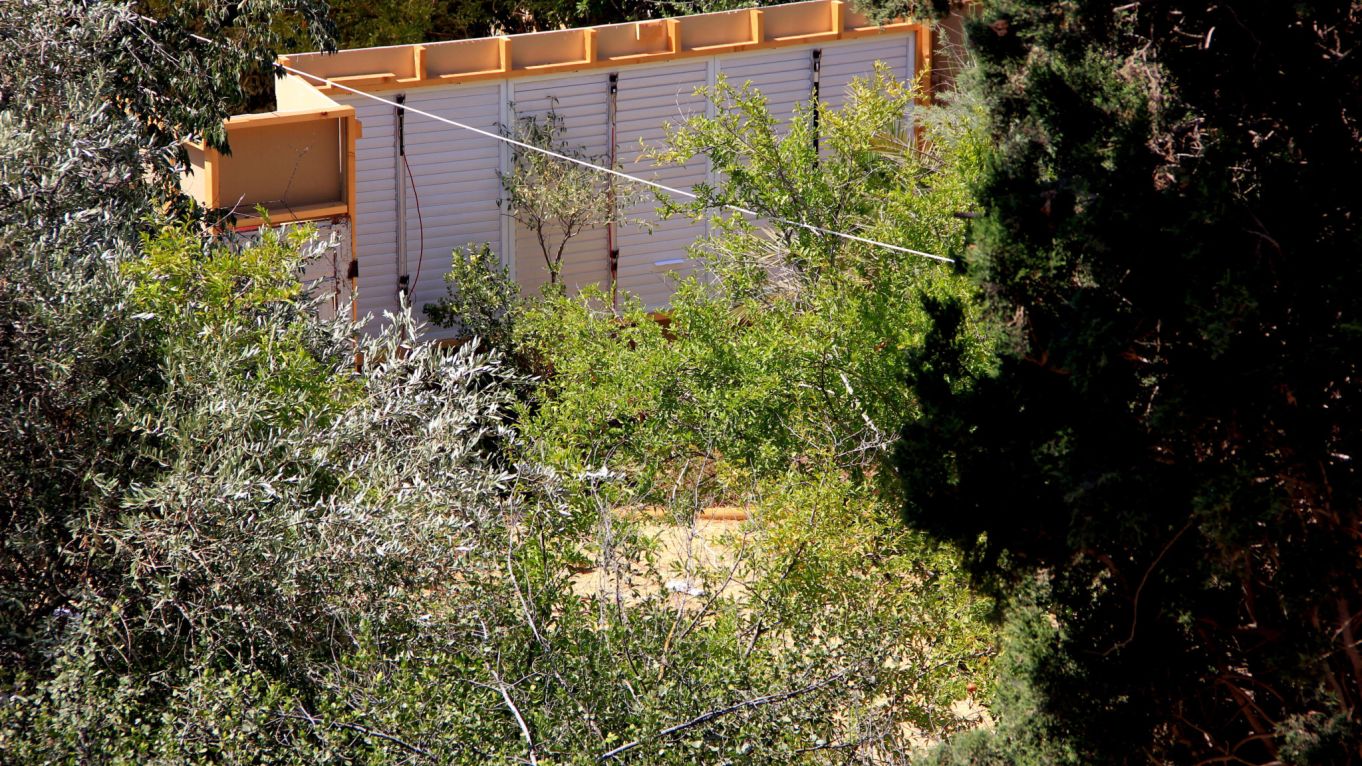
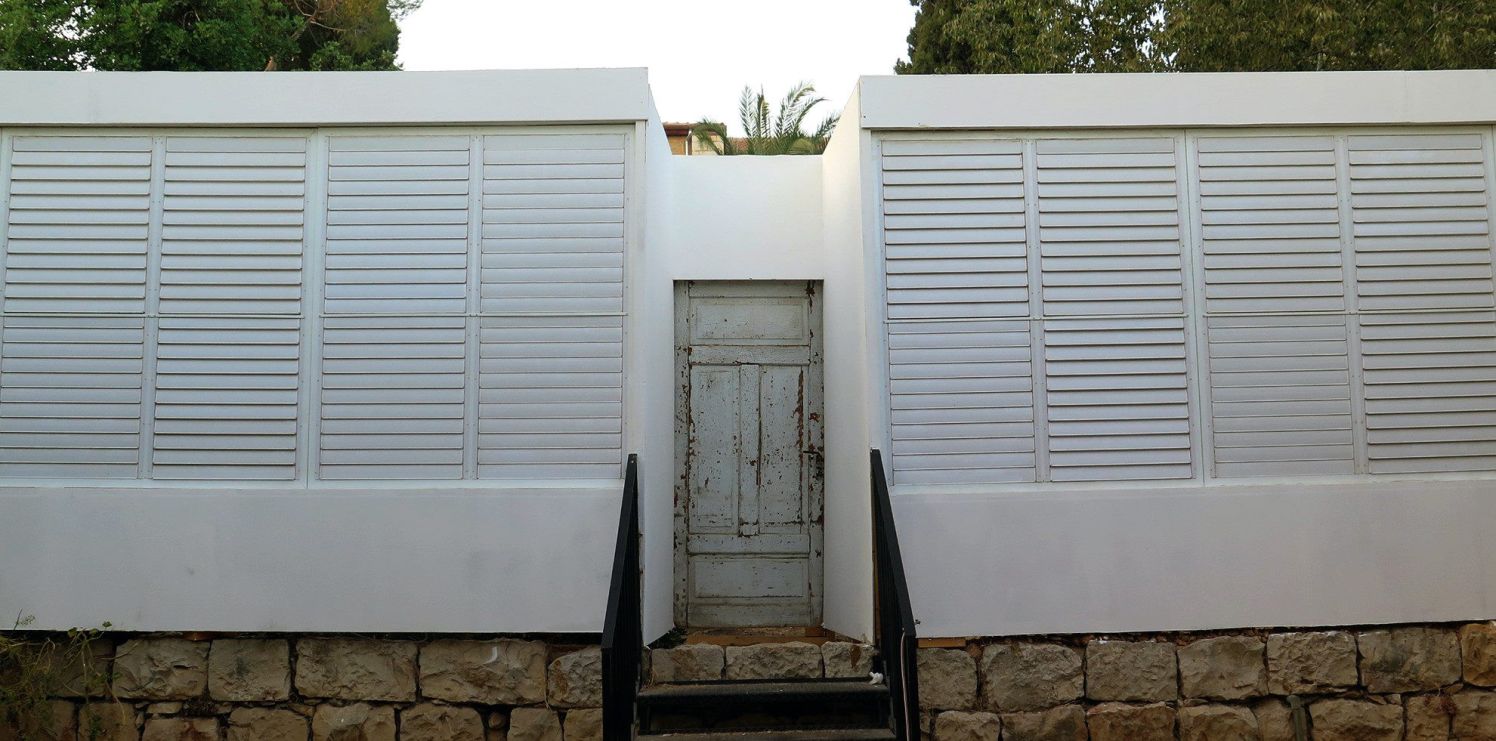
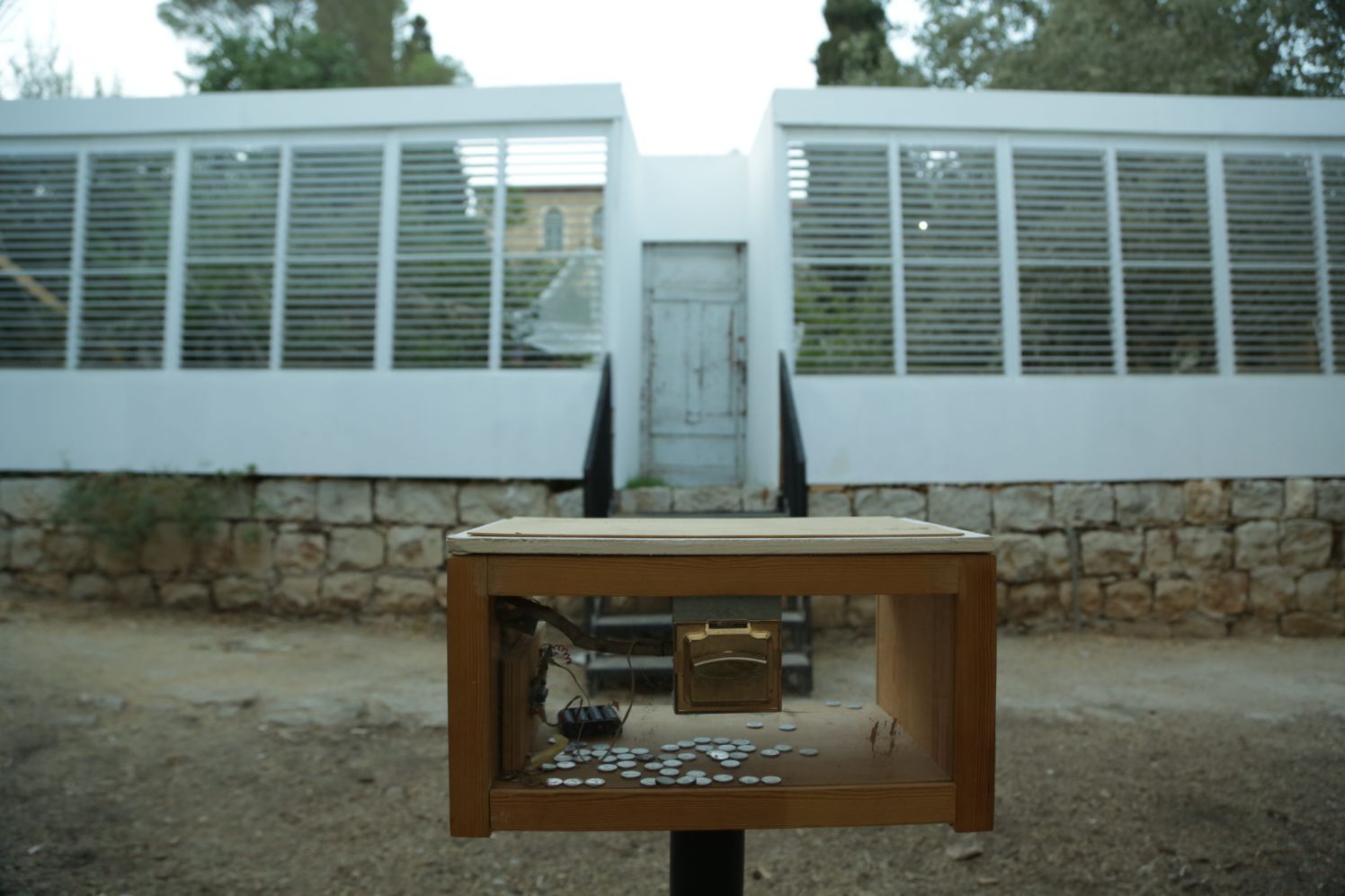
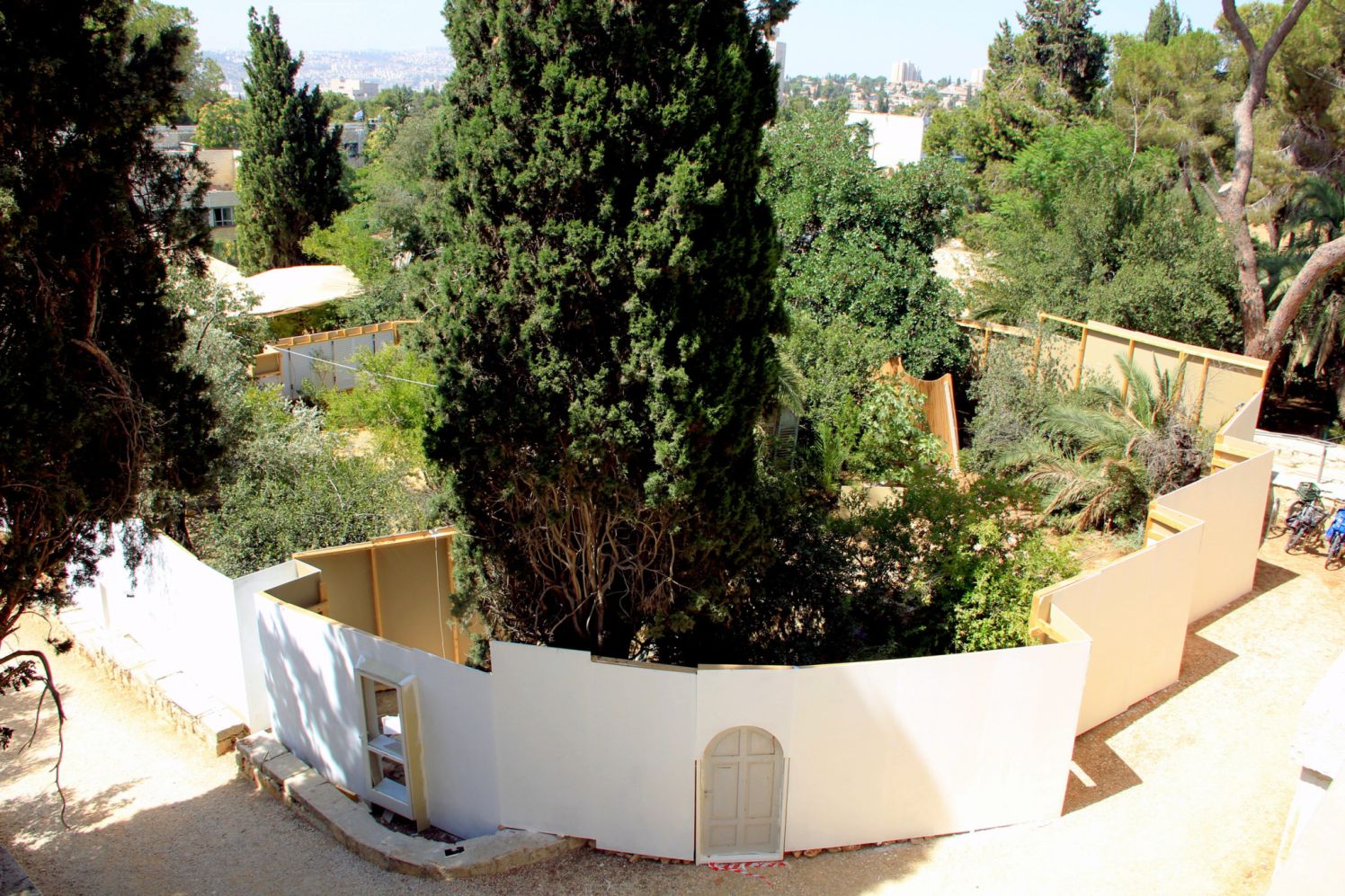
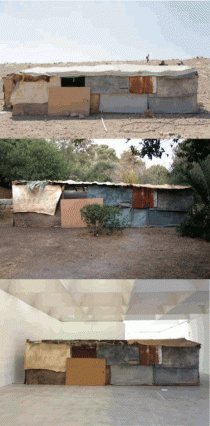
The Eternal Sukkah in exhibit at the Israel Museum
The Eternal Sukkah, by Sala-manca in collaboration with Itamar Mendes-Flohr and Yeshaiau Rabinowitz is in exhibit at the exhibition “We the People“, curated by Rita Kersting, Israel Museum, Jerusalem.
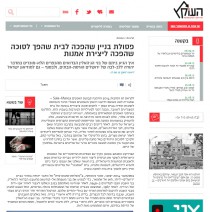
Construction Waste that Became a House that Became a Sukkah that Became an Art Piece
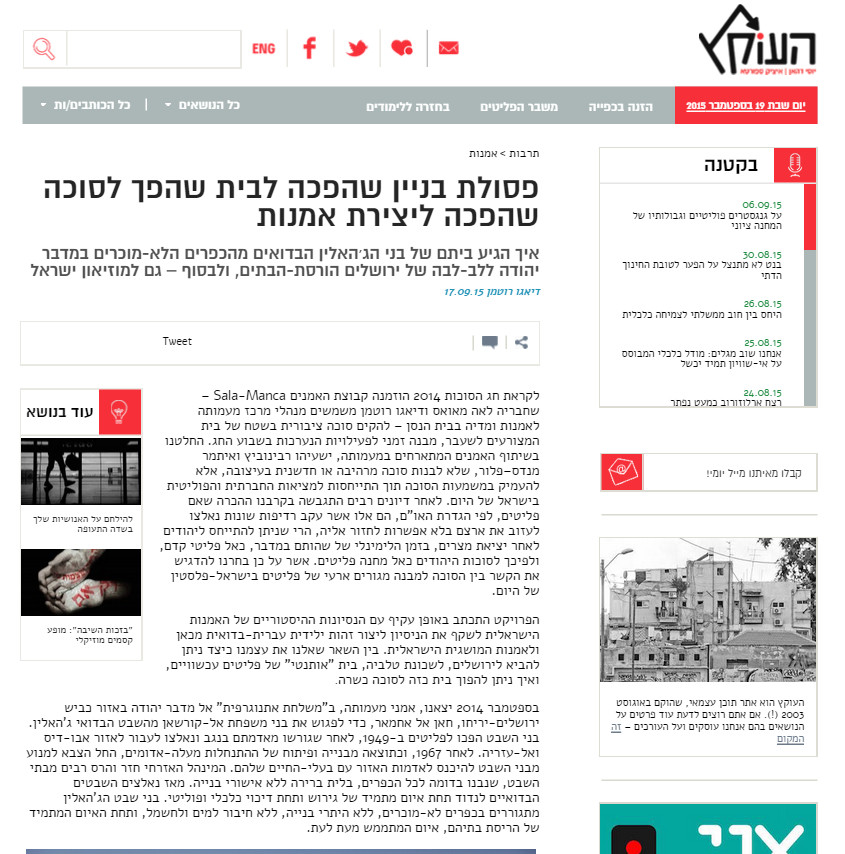
Building the Eternal Sukkah, Graham Lawson, Jerusalem Post
|
| In July 2014 Diego Rotman and Lea Mauas, two Israeli artists who operate under the alias Sala-manca, began a process that involved the purchase of a Beduin house, the materials of which they intended to use for the building of a succa.The structure came to be named “The Eternal Succa” and was recently acquired by the Israel Museum. |
for the enitre artice:
on-line:
http://www.jpost.com/Israel-News/Culture/Building-The-Eternal-Succa-415620
pdf:
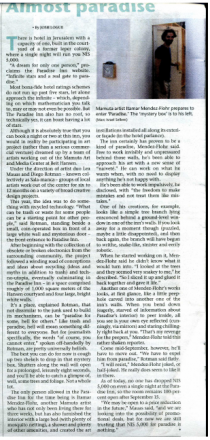
Almost Paradise, by Joshe Logue, Jerusalem Post 27.8.15
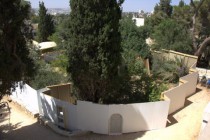
Paradise
Paradise Inn
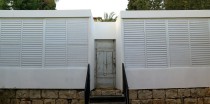
Paradise Inn, Talbiyeh, Jerusalem. A dream for only one person. Infinite stars and a real gate to paradise. Reserve your room at the former Lepers’ home.
Jerusalem, where any piece of land can become your temporary dwelling.
In light of the policy of the city of Jerusalem to develop tourism and to use art and culture as a touristic tool, a group of local artists decided to be part of this new trend. In order to generate a new resource for tourism as well as some independent income for local artists and the Mamuta Art and Media Center, they established the luxurious Paradise Inn on part of the lands of the former Jerusalem Lepers’ Home at Hansen House.
Using a “green” approach to urban design as well as the idea of recycling electronic waste, the artists created a summer hotel for temporary residence, inspired by Bauhaus architecture, temporary techniques of modernist parcelization, and the new school of architecture, Growing Walls.
The artists participated in the design and implementation of all aspects of the hotel, with the goal of giving everyone the possibility of spending a few nights at Paradise Inn. The project synthesizes new visionary ideas for a modern Jerusalem: a hotel for only one person, a personal paradise built in the exquisite Hansen House gardens.
Image“Paradise Inn is an island surrounded by the walls of the former Jerusalem Lepers’ Home. A metaphor of differentiation and exclusivity. Paradise Inn is a luxurious paradise that originates from a public institution that was historically used to protect society from lepers and lepers from society. Paradise Inn dwells in the spirit of gentrification, inviting an artist to reside for free in the paradise for a month and a half. In return, the artist is expected to produce artwork for the comfort of future residents.” (From I Love Jerusalem Magazine)
In the year 2018, the utopia that Boris Schatz wrote about in his novella “The Rebuilt Jerusalem: A Daydream” (1923), is supposed to be fulfilled. A Utopian Jerusalem in which paradise exists; harmonious coexistence with nature and with the Arab residents of the city, and building of the Third Temple, which will serve as a museum, with the consent of the Arab minority.
Three years prior, in the year 2015, at the Hansen House gardens, Paradise is built – a haven in the middle of the city, a white façade bounding a garden that has been expropriated from the public. In Paradise, only one human being at a time can experience the ideal and modern natural living, leaving the public with a sense of longing, allowing a sneak peek into a free and peaceful world, at an affordable price.
The entrepreneurs of Paradise Inn have invited an artist to live and create for a month and a half in this daydream – an infinite-star hotel for one, a slice of nature in the middle of Jerusalem, in the historical garden of the former Lepers’ House.
From the middle of September, Paradise’s sole room will be available for rent at an outrageous rate for all interested.
Please visit us and reserve your nights: www.paradisehotel.co
Concept: Sala-manca
Architects: Sala-manca and Nir Yahaom
Interior Desing: Itamar Mendes-Flohr
Paradise Inn art collection: OZ Malul, Guy Yitzhaki, Itamar Mendes-Flohr, Sala-manca, Shaul Zemach.
Souvenirs: Silent Room 1, Chen Cohen | Room-Kit, Pessi Komar | A letter for you, Shiri Zinger, Elevator to Paradise, Lior Pinski
Avantgarde workers: Yuval Galili, Diego Rotman, Yeshaiahu Rabinowitz, Rotem Zuta, Ayala Shamir, Ktura Manor, Lea Mauas, Chen Cohen, Galia Lulko, Nahuel & Ayu
Paradise Inn website: www.paradisehotel.co
Observation post to Paradise: Conrad Shick
Press:
http://www.haaretz.co.il/gallery/art/artreview/.premium-1.2732894
http://old.sala-manca.net/wordpress/wp-content/uploads/2015/08/almost-paradise.png
The Ethnographic Department, 2015
Mamuta at Hansen | Artists: Yeshaiau Raboinowitz, Itamar Mendes-Flohr, Sala-manca, Ktura Manor, Ester Bires, Amitai Arnon, Nir Yaalom, Adi Kaplan, Shahar Carmel, Hanan Abu-Hussein, Samuel Rotman | Curators: Sala-manca
Opening Hours: Monday and Thursday 10-15, Wednesday 17-21 and Fridays 9-12
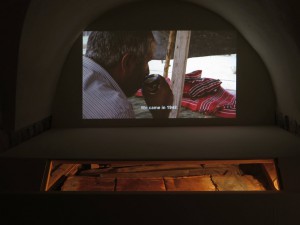 The Ethnographic Department addresses the link between an art museum and an ethnographic museum, between “fine” art and “folk” art, and the tension that exists between original, restoration, copy and adaptation. All of these are aspects central to the curatorial thinking that has guided the Museum of the Contemporary since its onset.
The Museum was founded in December 2009 at the Mamuta Center in Ein Kerem, in the home of Daniela Passal, formerly the home of Palestinian researcher Issa Manun and in the interim “absentee property”. 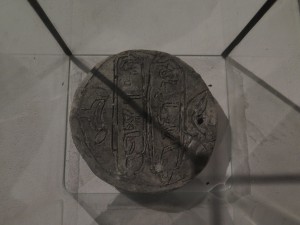 The first exhibition dealt with the museum as an institution, with the topography of Israeli memory, with the local historiography of the village Ein Karem and and with the home of the museum – the home of Daniela Passal. The Museum also developed a digital storage room of exhibitions which are not viewable on the net but are offered for downloading – each exhibition as a “package” for printing, exhibiting or re-installing – according to the physical and economic possibilities of the downloading body.
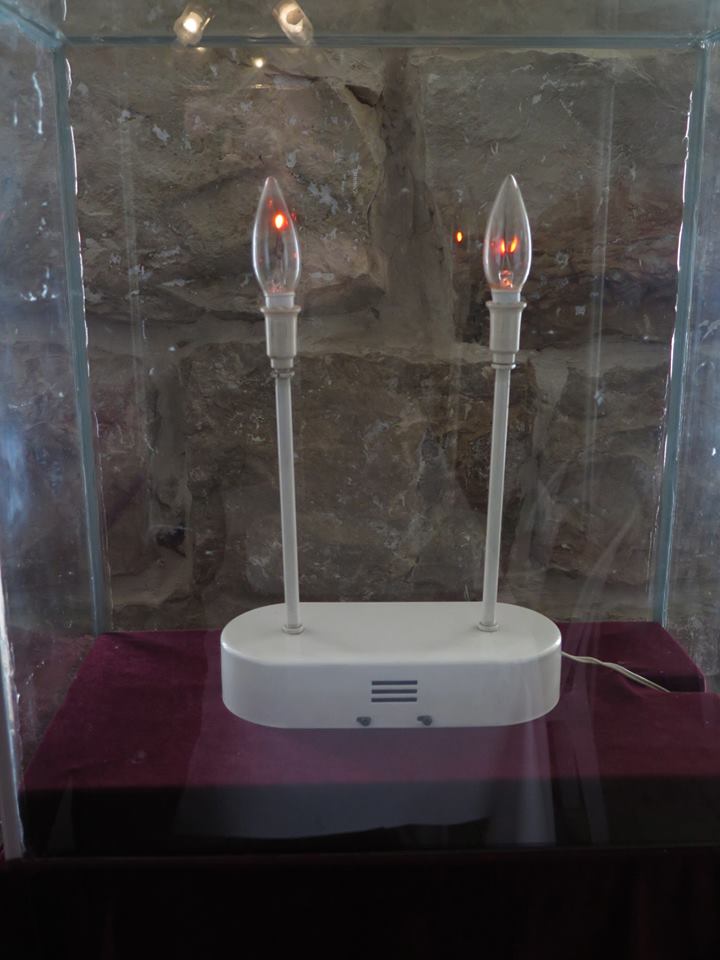 The Ethnographic Department also deals in part with the history of the structure in which it dwells. This is the Leprosarium Jesus Hilfe , founded as an isolatedrefuge for leprosy patients.
It was created by the German-Protestant Moravian community in 1867 and operated for twenty years in a building on today’s Agron Street, Jerusalem. In 1887 the institute moved to a new building in the Talbiya neighborhood of Jerusalem, planned by Konrad Shick. 
Press:
The Underground Academy, Open Studio, 2014
The Underground Academy – The Academy of the Contemporary
Open Studio Exhibition in the frame of Manofim 2014
Artists: Chen Cohen, Ktura Manor, Itamar Mendes-Flohr, Sala-Manca, Yeshaiau Rabinowitz, Yoel Regev, Maytal Rotenberg, Ayelet Zohar
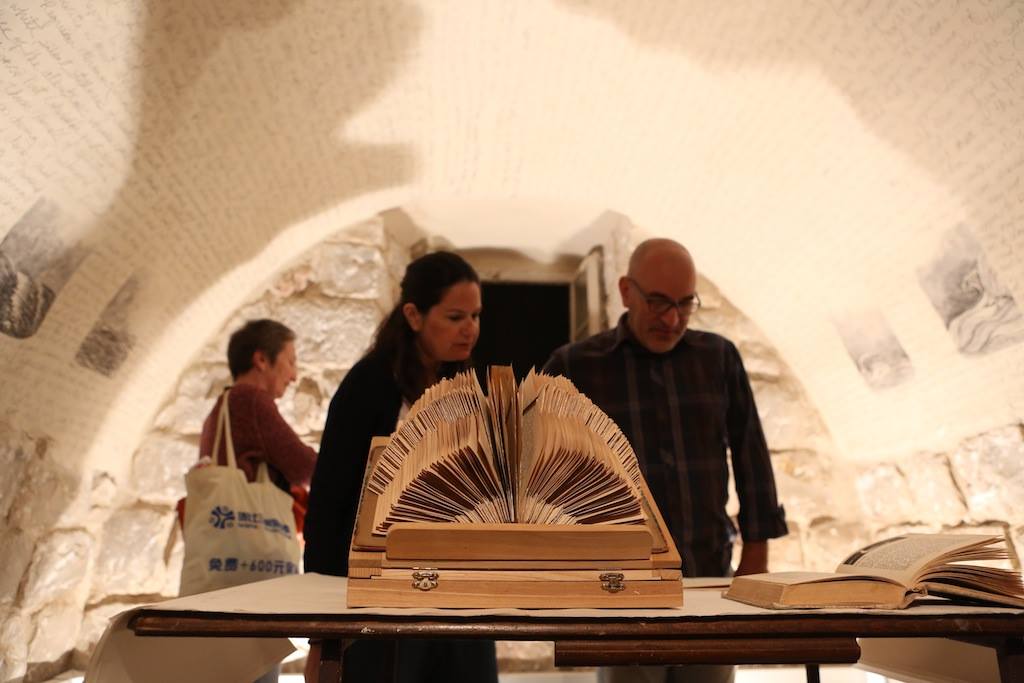
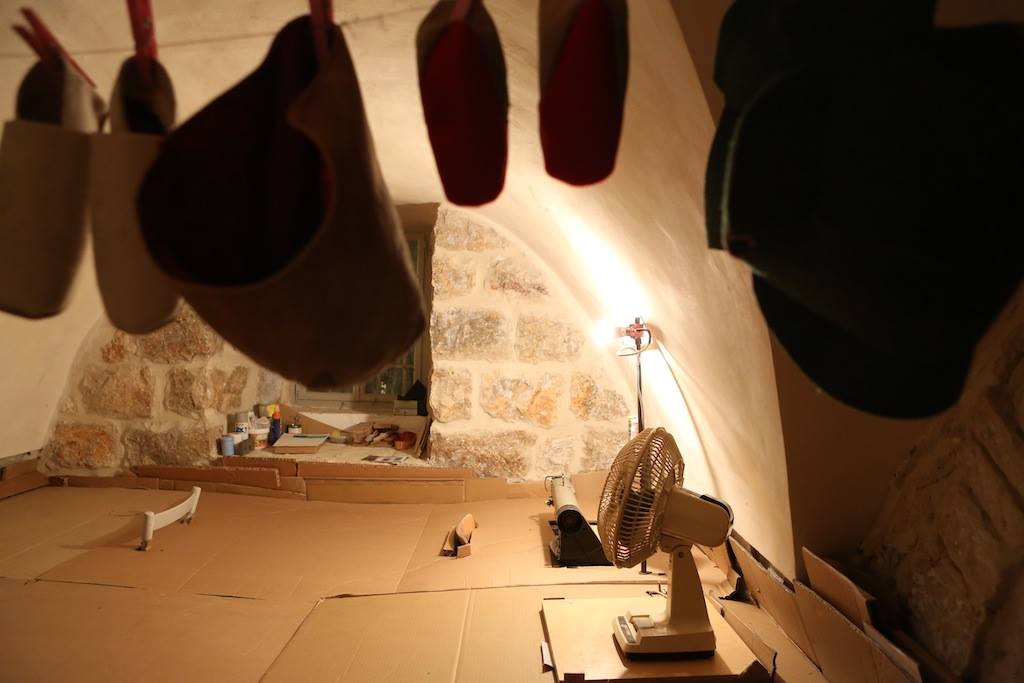
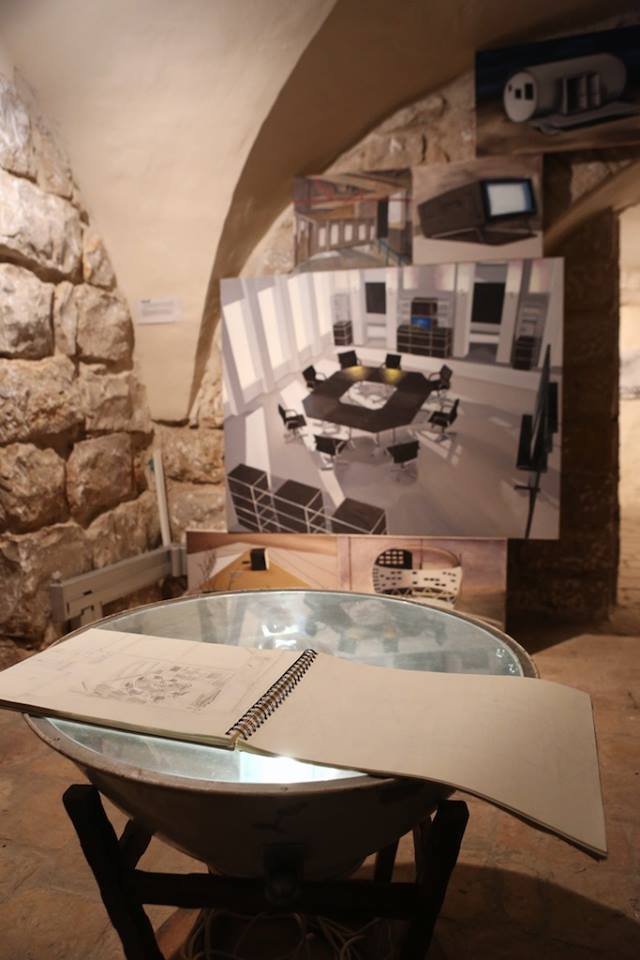
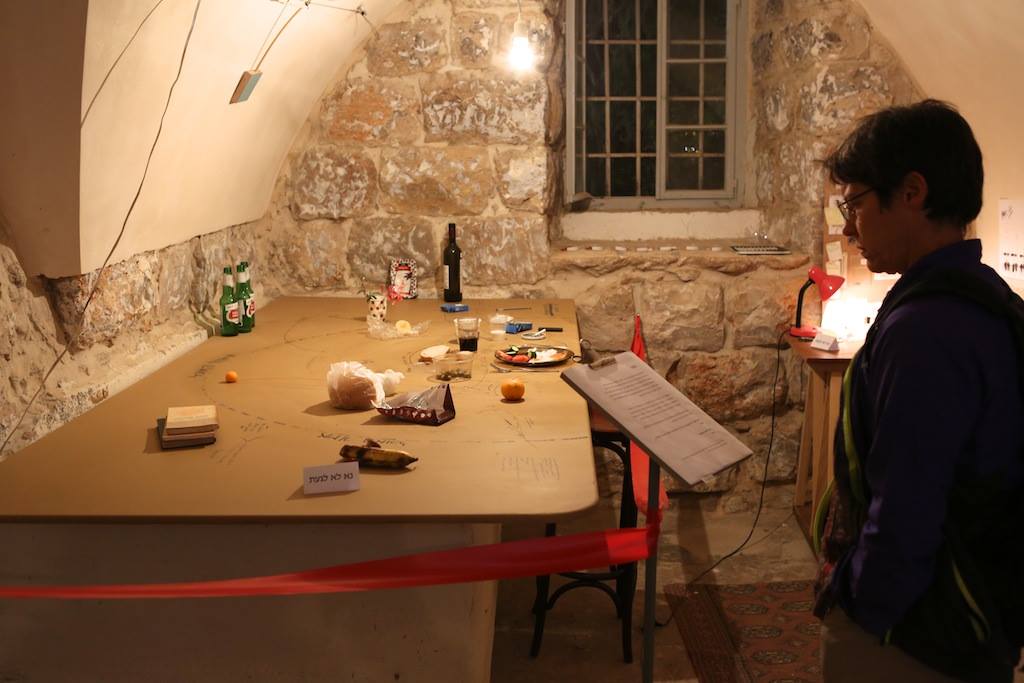
In 1963 Portuguese poet João DelgadoIn wrote, in an unpublished manifesto, that all museums, universities and sports clubs should be closed for at least one year, in order to reopen a year later. After Delgado locked two municipal museums with his own locks, he was arrested. In jail he wrote the outlines for The Academy of the Contemporary.
Living in a Film, 2014
Mamuta at Hansen | January-February 2013
Artists: Asya Lukin, Itamar Mendes-Flohr, Guy Yitzhaki, Hagar Goren, Hadassa Goldvitch, Zemer Sat, Yarden Erez, Einat Amir and Sala-Manca
Curators: Sala-manca
The project, which incorporates art, cinema and performance, will feature eight artists who were artists-in-residence at Mamuta in Ein Karem. The entrance to “Living in a Film” is every full hour. The viewers are led by a movie usher named Esther, a girl born to a Jewish Orthodox family, who left religion and fell in love with the usher of the Lisbon Cinema, which operated in the cellars of the leppers’ house in the city of Lisbon in Portugal between 1963 and 1973 (the era of Salazar’s dictatorship – and managed to serve as the underground nerve center of freedom fighters, right under the regime’s nose). In the wake of her love to the usher she also fell in love with the art of cinema, and because of that love was banished from her home.

The Exhibition is supported by the Ostrovsky Family Fund and the Ministry of Culture