WordPress database error: [DELETE command denied to user 'sala-manca'@'localhost' for table `sala_manca_net`.`wp_options`]
DELETE FROM `wp_options` WHERE `option_name` = '_site_transient_wp_theme_files_patterns-3e81fb819c0831df69203ee558a709b9'

WordPress database error: [DELETE command denied to user 'sala-manca'@'localhost' for table `sala_manca_net`.`wp_options`]
DELETE FROM `wp_options` WHERE `option_name` = '_site_transient_timeout_wp_theme_files_patterns-3e81fb819c0831df69203ee558a709b9'

WordPress database error: [INSERT, UPDATE command denied to user 'sala-manca'@'localhost' for table `sala_manca_net`.`wp_options`]
INSERT INTO `wp_options` (`option_name`, `option_value`, `autoload`) VALUES ('_site_transient_timeout_wp_theme_files_patterns-3e81fb819c0831df69203ee558a709b9', '1792706587', 'off') ON DUPLICATE KEY UPDATE `option_name` = VALUES(`option_name`), `option_value` = VALUES(`option_value`), `autoload` = VALUES(`autoload`)

WordPress database error: [INSERT, UPDATE command denied to user 'sala-manca'@'localhost' for table `sala_manca_net`.`wp_options`]
INSERT INTO `wp_options` (`option_name`, `option_value`, `autoload`) VALUES ('_site_transient_wp_theme_files_patterns-3e81fb819c0831df69203ee558a709b9', 'a:2:{s:7:\"version\";s:3:\"4.0\";s:8:\"patterns\";a:0:{}}', 'off') ON DUPLICATE KEY UPDATE `option_name` = VALUES(`option_name`), `option_value` = VALUES(`option_value`), `autoload` = VALUES(`autoload`)

WordPress database error: [INSERT, UPDATE command denied to user 'sala-manca'@'localhost' for table `sala_manca_net`.`wp_options`]
INSERT INTO `wp_options` (`option_name`, `option_value`, `autoload`) VALUES ('_transient_doing_cron', '1792704787.6771039962768554687500', 'on') ON DUPLICATE KEY UPDATE `option_name` = VALUES(`option_name`), `option_value` = VALUES(`option_value`), `autoload` = VALUES(`autoload`)

Galit Eilat – Sala-Manca

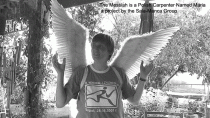
The Messiah is a Polish Carpenter Named Maria, 2008

Action/Video Documentation

“Chosen” | Wyspa Art Institut, Gdansk, Poland & Digital Art LAb Holon | Curators: Aneta Szylak, Galit Eilat

Foreshadowing the Past | ARTISTERIUM in Tibilisi, Georgia | 2010 |Curator: Eyal Danon

In one way or the other, most of the works of Israeli artists in this exhibition deal with the coming of the Messiah or with inducing his arrival. In “The Messiah is a Polish carpenter named Maria”, the group Sala-manca traveled from Jerusalem to Gdansk to hold auditions for a “Messiah”. The group published a want-ad in Polish stating that they are searching for a “Messiah” and that the “chosen” candidate will go to Israel as part of the project. Seven people, men and women of different backgrounds, arrived at the auditions, and were tested for the part. They were asked to read aloud “messianic” Hebrew texts by Jacob Frank, Theodor Herzl, Uri Zvi Greenberg, Yona Wallach and others, texts that were sent to them previously via email, to allow them to prepare for the audition. Finally the “Messiah” part was given to Maria Sahajko, whose visit to Israel took place in August 2008. The exhibition will present photos from a film documenting the “Messiahs” visit to Israel and her initial encounter with Israelis.

Interview with Eytan Buganim, Time Out

Studies on New Israeli Landscapes, 2005-2008

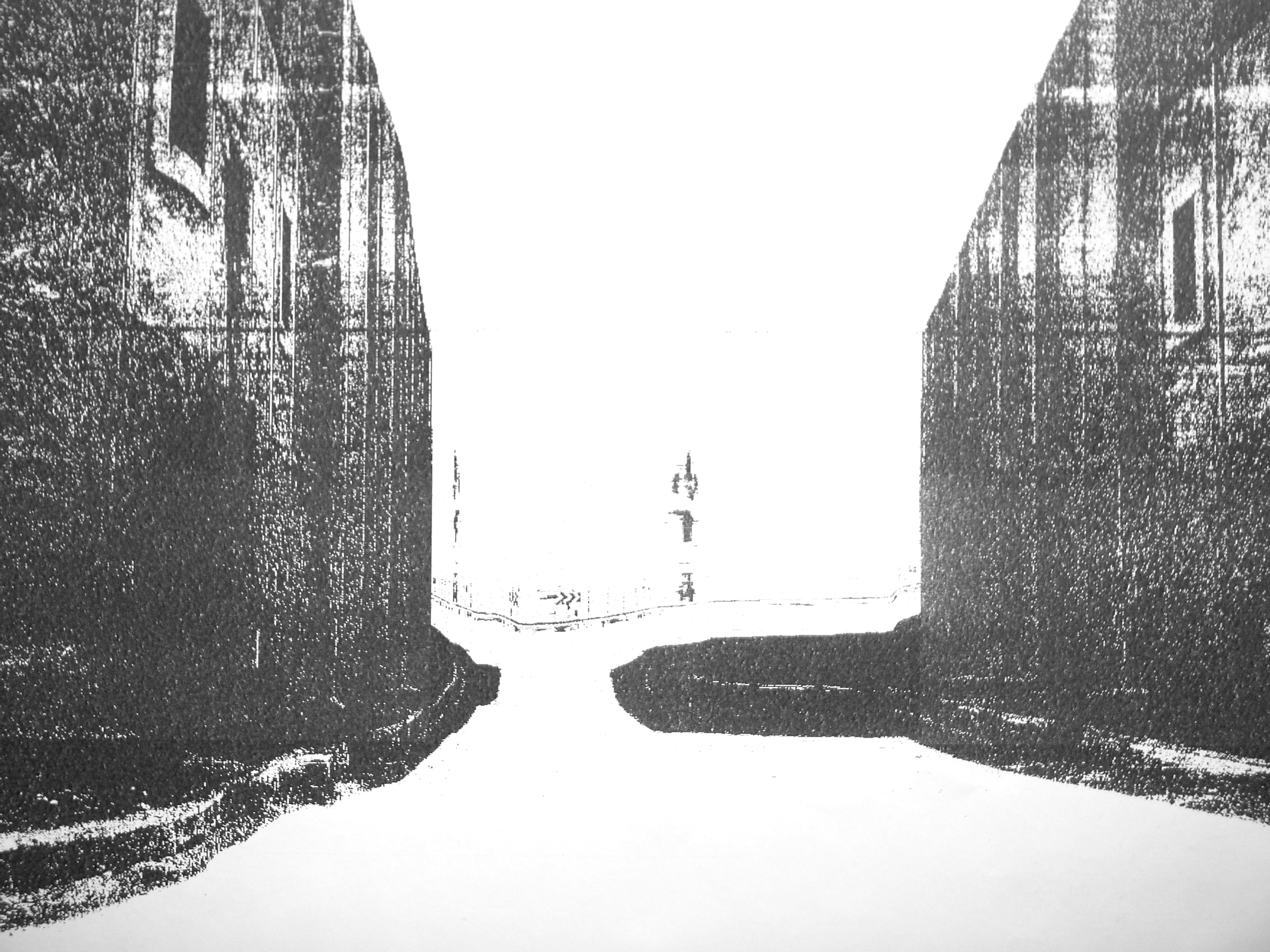
From the beginning of the 20th century, Zionism visually represented ideologically charged Eretz Israel (Palestine), showing the local landscape as an idealized continuation of the biblical landscape. Until around 1970, Jewish Israeli art constructed an ideological representation of  “the own territory”, “the own landscape” where the Palestinian population was not represented at all, or became literally a part of  the landscape. Since 2002 with the beginning of the construction of the separation wall by the Israel government, a new border is being defined and a new landscape is being created.
1348 1338 1358 3

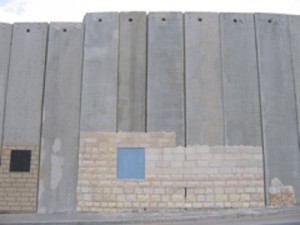
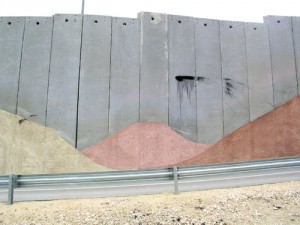
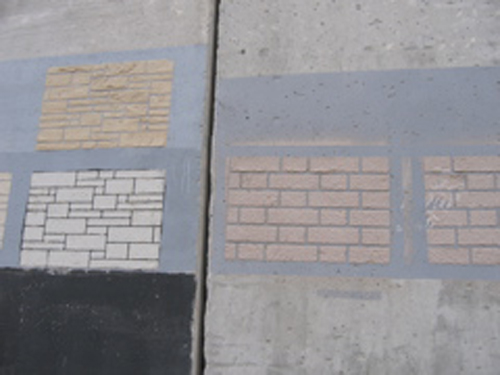
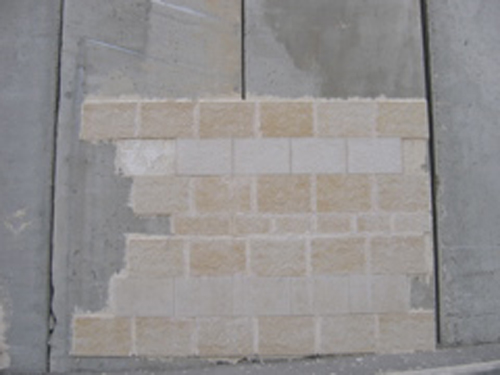
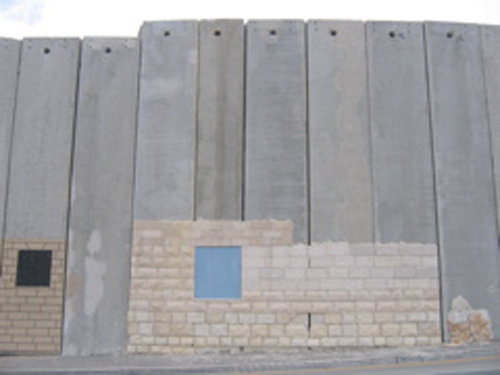
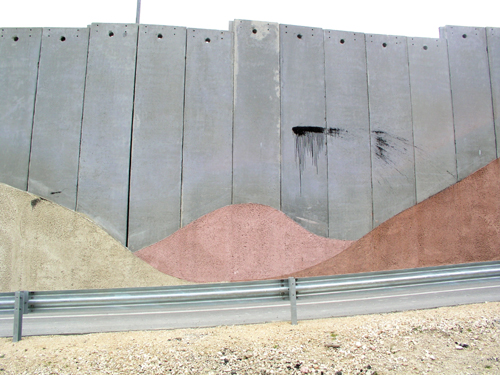
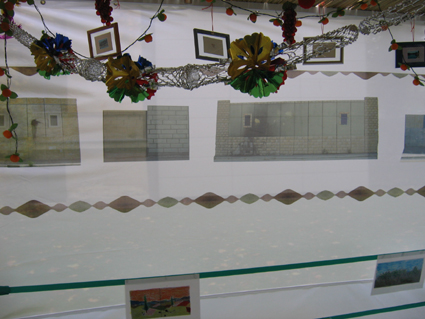
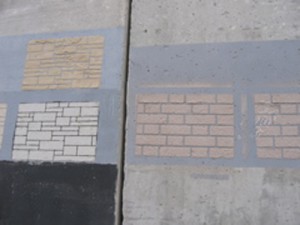
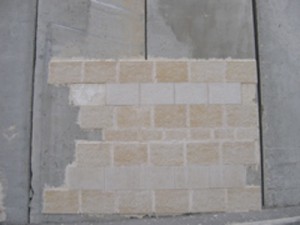
The construction of a new form of landscape, which has the aim of hiding the view of the separation wall, is being tested in Maavar Hazeitim (The Pass of the Olives), situated in Al-Azaria area, near Mount Scopus, Jerusalem. A pastoral and “natural” name is intended to conceal the fact that a weird terminal serves as a check-point. In this part of the wall the construction of a façade, of a Potemkin Village1, is being tested along the “border”, in order to prevent the Israeli citizens from seeing the wall. But the use of landscape construction, through painting and reliefs, is not only intended in this case to create the idea of a peaceful wall, but to make the wall disappear. You can see mountains, flowers, pastoral images, and also the facades of Jerusalem stone houses with windows which do not overlook any where.

In this project Sala-Manca deals with the use of political created landscapes, with these new forms of art-ificial or art-official and naïves landscapes, created in a very non-naïve platform. The platform is the message, and the naïve landscapes the decadence of an official aesthetics of colonialism. The first steps of a new fake as a way of living proposed by the Israeli state to its citizens.

Prof. G. Vakulinchuk


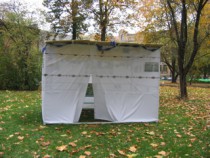
Sukkat Nezach (Eternal Tabernacle 1)

Produced in the frame of Liminal Spaces project curated by Galit Eilat, Reem Fadda, Eyal Danon and Phil Misselwitz. Exhibited at GFZK, Leipzig, Germany, 10.2006-1.2007
IMG_4645-1

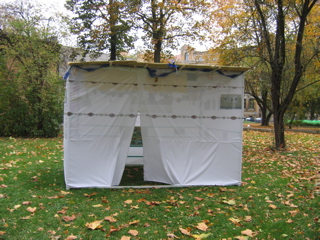
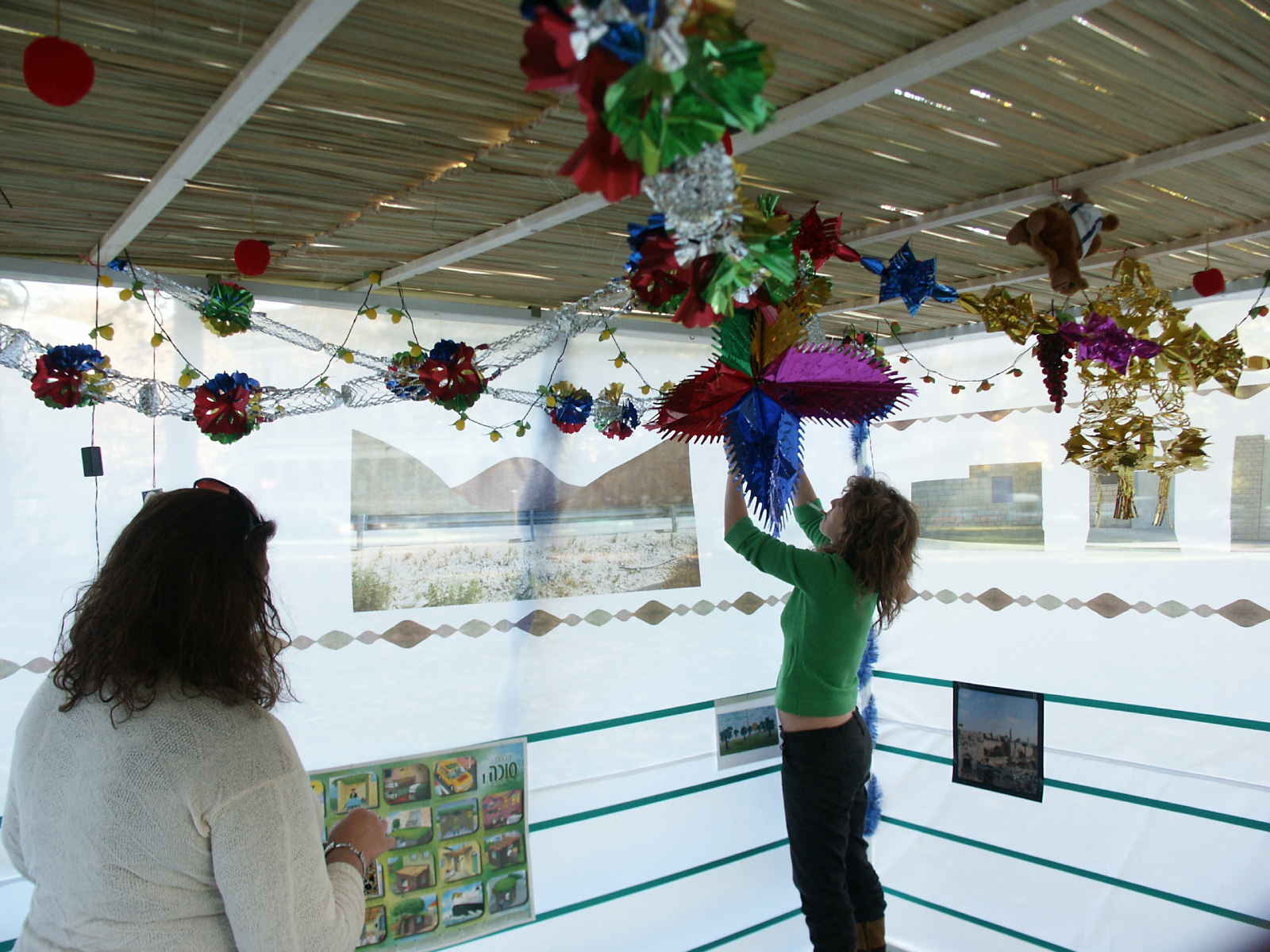
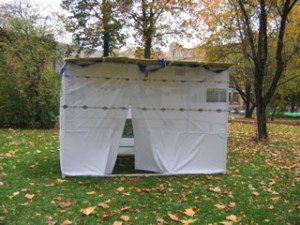
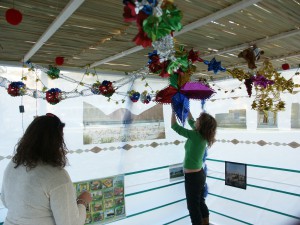
The holiday of Sukkot is one of the three holidays mentioned in the Torah on which it was customary to go on pilgrimage to Jerusalem during the period of the First and Second Temple. The name of the holiday comes from the word Sukkah – the name of the huts in which the Israelites encamped in the desert during their exodus from Egypt (Exodus 33:6). 1 The holiday’s relation to Jerusalem acquires additional meanings in the Bible when several of the prophets refer to the city using the term “Sukkah” – see, for instance, Isaiah (1:8) and Amos (9:11). 2 The holiday commemorates the exodus from Egypt by means of the commandment to build sukkot (Leviticus 23:42) – temporary structures topped by a covering of branches or fronds. During the holiday, one’s house become a “temporary residence”, while the sukkah becomes a “permanent residence”. During the holiday, Jews are commanded to sit in the sukkah, and to eat, study and even sleep in it during the seven days of the holiday. One of the central customs related to the holiday is the decoration of the sukkah; these decorations lend it a festive air and are a means of expressing the identity and ideological outlook of its builders. In the ultra orthodox community, dominant motifs include DCF 1.0 sukahrabbinical figures; the seven ushpizin, or exalted guests, who are symbolically invited to the sukkah; and various religious symbols. Members of the national-religious community adorn their sukkahs with decorations that have a national character, such as images of the local landscape, its fauna and flora, and the Israeli declaration of independence. Jerusalem and related symbols are always central motifs in sukkah decoration. The sukkah symbolizes the tension between a permanent residence and a temporary residence – between “the ancient ideal of wandering referred to by the symbols of the holiday and the ideal of permanent residence, which is at the core of Zionism”. 3 Eternal Tabernacle4 is composed of materials typically used to construct a sukkah in Jerusalem: an aluminum framework that is easy to construct and to dismantle, a prefabricated covering and other do-it-yourself-style paraphernalia. The cloth walls surrounding the sukkah are made of water-resistant material, which is frequently used to surround the modern sukkah. In many sukkahs, symbols and motifs related to Jerusalem are imprinted upon this cloth. The motifs we used for the walls of Eternal Tabernacle are taken from an area of the separation wall in Jerusalem. This area, which is called the “Olive Pass” was decorated by Akerstein Industries. The decoration of the wall was commissioned by the Ministry of Defense, in an a?empt to explore the possibility of artificially “beautifying” the separation wall and thus dissimulating its presence on the Israeli side. Thanks to Itay Weiser, David Mauas, Mery Goldwaser, Hagar Goren
1 The place name Sukkot is first mentioned in the Torah when Esau and Jacob go their separate ways; Jacob built a hut, or Sukkah, and named the place a?er it.
2 See G. Hasan-Rokem, 1997.
3 Ibid.
4 Eternal Tabernacle is a paradoxical name that expresses the tension between temporary and permanent residences. It is the name of one of the companies that builds and dismantles sukkahs.
Sources:
1. G. Hasan-Rokem, “Representation and Dialogue in Folklore Research: The Poetics
and Politics of an Unperformed Festival,” Jerusalem Studies in Jewish Folklore,
19–20, 1997–1998.
2. G. Vakulinchuk, “Studies on New Israeli Landscapes – Notes for a Project by Sala-
Manca (Jerusalem),” unpublished manuscript.
3.www.wikipedia. org
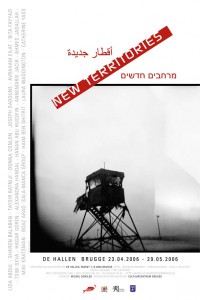
 New Territories

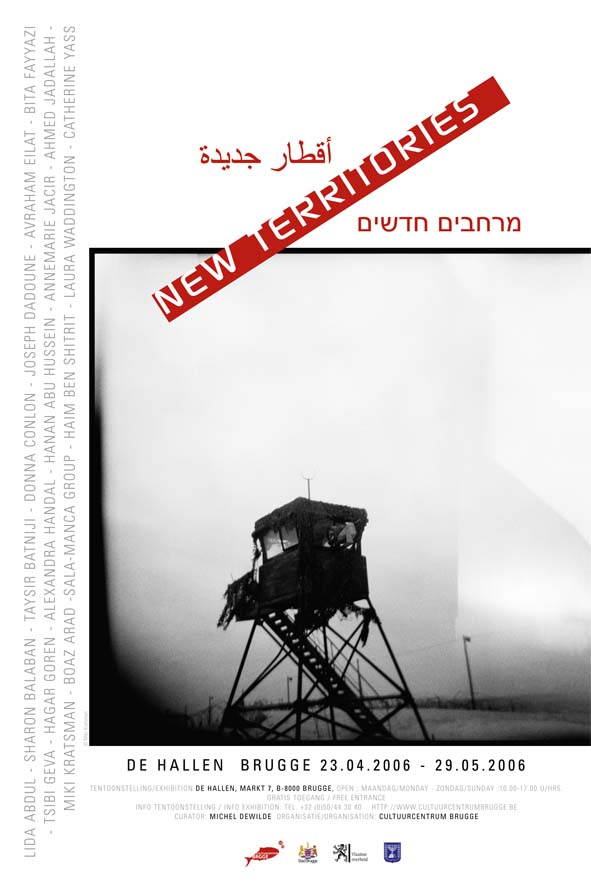
Ephemeral Territores at “New Territories” | De Hallen, Brugge – Belgium | Curator:  Michel DeWilde

Faxworks
OLYMPUS DIGITAL CAMERA OLYMPUS DIGITAL CAMERA OLYMPUS DIGITAL CAMERA OLYMPUS DIGITAL CAMERA OLYMPUS DIGITAL CAMERA

Minute Box Machine, 2004-2008

Exhibited in the frame of “Speed of Light”, Digital Art Lab, Holon | Curators: Galit Eilat, Eyal Danon | VideoZone 2008


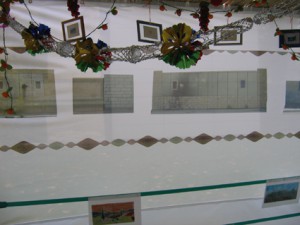
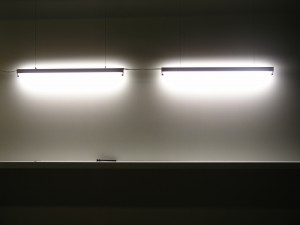
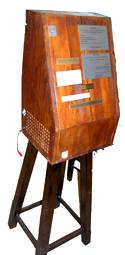
Minute Box Machine: A Reconstruction of Marian Loop’s Time Machine enables viewers to play with time. The Minute Box Machine invites the public to acquire a product—in this case, one minute. Inserting a one Shekel coin into the machine activates a clock inside the Box for 60 seconds. The clock is being filmed in real time by a surveillance camera, and the footage is projected from inside the Minute Box Machine onto a central wall at the open space, showing the minute running. After 60 seconds the purchased time is finished, and the clock stops. Time stops until another coin is inserted into the machine. The projection of the clock for 60 seconds becomes a visual representation of the economic transaction (the purchased minute), concurrently converting the private minute into a public one. At the same time, since the clock in not activated continuously, a gap is generated between the ”real” time and the time of the clock, ”degenerating” the local time where the Minute Box is installed. The backside of the box, from where the projection is screened, is transparent, showing the dark side of time generation to the curious public, juxtaposing the old-looking wooden machine with the electronic devices suggesting a homemade bomb. The Minute Box is an attempt to reconstruct Marian Loop’s (1920-1985) machine destroyed.

Electronics: Amir Marcovich

Urban Overmemory Archives 2 – The Periphery of the Center -Holon, 2004

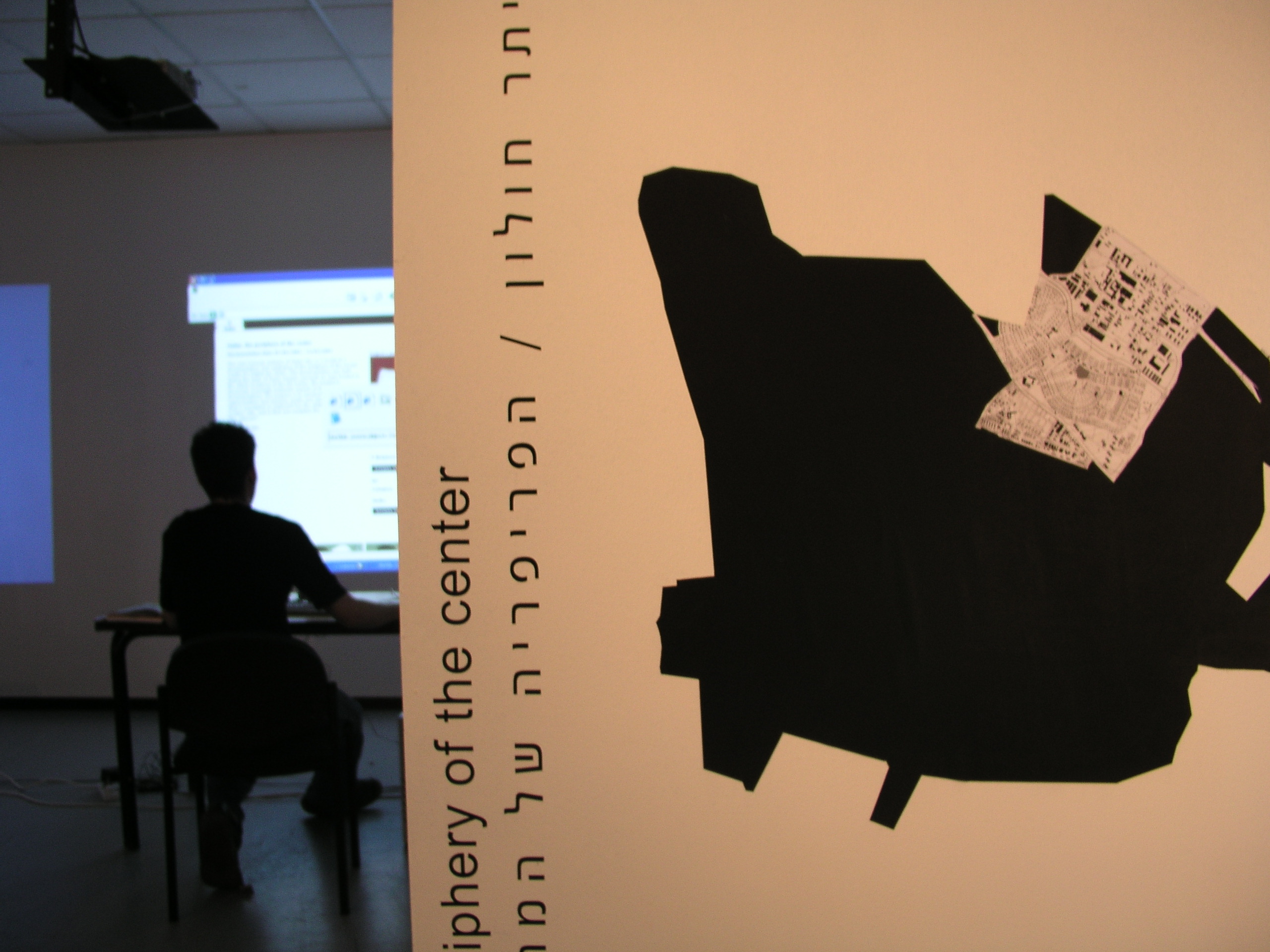
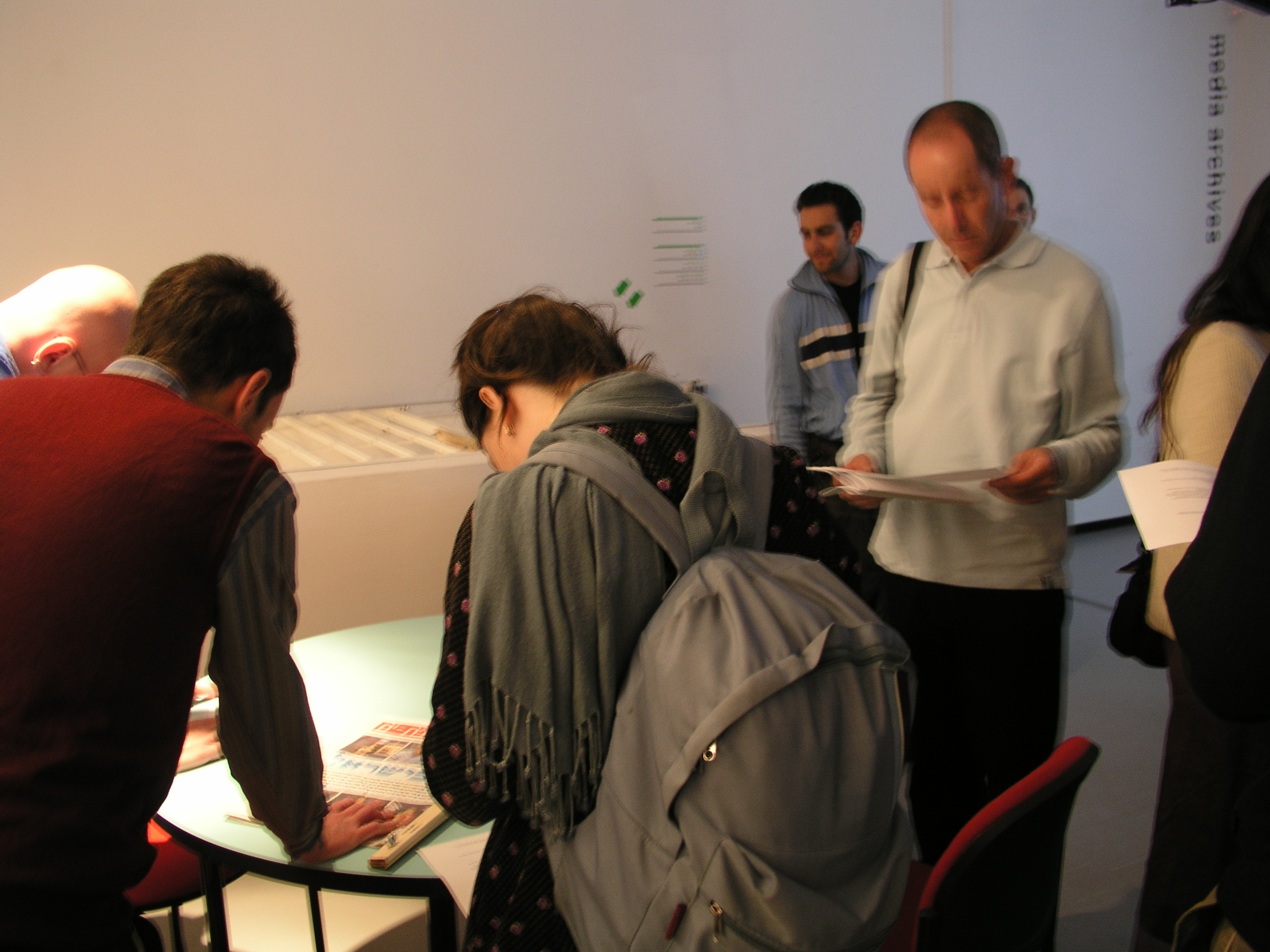
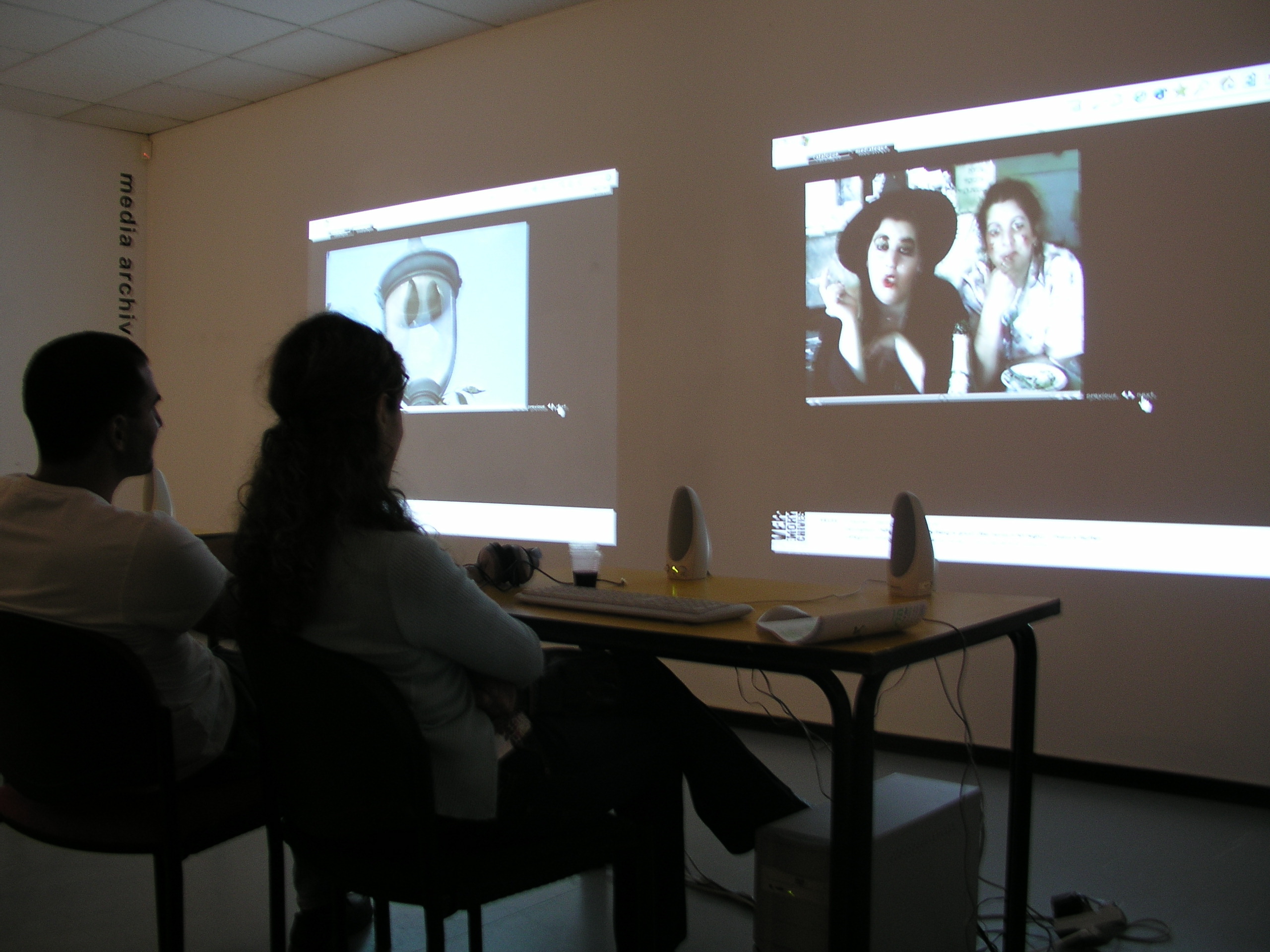
The “Urban Over Memory Archives of Holon” is a project consisting of documenting and cataloguing the Over Memory of the periphery of the Israeli Center for Digital Art, Holon. This project is the second in a series of urban archival works+2. The archives result from a process of cataloguing video, audio and motion items, generally conceived as irrelevant and dull. SALA-MANCA attempts to establish a representation of another memory, different and poetic, pertaining to a geographic-artistic space. Items usually regarded as irrelevant may reveal a different, unofficial aspect, thus complementing the ’relevancy,’ which forever is a relative concept. The “Urban Over Memory Archives of the Periphery of the Israeli Center for Digital Art” are located physically at the center, thus reversing the center-periphery relationship in a poetic and symbolic manner. Another denser, and at the same time broader, version of the archives may be found on the web, a center-less entity, which is to be the future meeting point of the Israeli Urban Over Memory.

OLYMPUS DIGITAL CAMERA  OLYMPUS DIGITAL CAMERA OLYMPUS DIGITAL CAMERA  OLYMPUS DIGITAL CAMERA

In the frame of the exhibition: “Hilchot Shcehnim, Chapter B”, 24.4.2004-24.6.2004

Curators: Galit Eilat, Eyal Danon

http://digitalartlab.org.il/ExhibitionPage.asp?id=54&path=level_1