WordPress database error: [DELETE command denied to user 'sala-manca'@'localhost' for table `sala_manca_net`.`wp_options`]
DELETE FROM `wp_options` WHERE `option_name` = '_site_transient_wp_theme_files_patterns-3e81fb819c0831df69203ee558a709b9'

WordPress database error: [DELETE command denied to user 'sala-manca'@'localhost' for table `sala_manca_net`.`wp_options`]
DELETE FROM `wp_options` WHERE `option_name` = '_site_transient_timeout_wp_theme_files_patterns-3e81fb819c0831df69203ee558a709b9'

WordPress database error: [INSERT, UPDATE command denied to user 'sala-manca'@'localhost' for table `sala_manca_net`.`wp_options`]
INSERT INTO `wp_options` (`option_name`, `option_value`, `autoload`) VALUES ('_site_transient_timeout_wp_theme_files_patterns-3e81fb819c0831df69203ee558a709b9', '1792706706', 'off') ON DUPLICATE KEY UPDATE `option_name` = VALUES(`option_name`), `option_value` = VALUES(`option_value`), `autoload` = VALUES(`autoload`)

WordPress database error: [INSERT, UPDATE command denied to user 'sala-manca'@'localhost' for table `sala_manca_net`.`wp_options`]
INSERT INTO `wp_options` (`option_name`, `option_value`, `autoload`) VALUES ('_site_transient_wp_theme_files_patterns-3e81fb819c0831df69203ee558a709b9', 'a:2:{s:7:\"version\";s:3:\"4.0\";s:8:\"patterns\";a:0:{}}', 'off') ON DUPLICATE KEY UPDATE `option_name` = VALUES(`option_name`), `option_value` = VALUES(`option_value`), `autoload` = VALUES(`autoload`)

WordPress database error: [INSERT, UPDATE command denied to user 'sala-manca'@'localhost' for table `sala_manca_net`.`wp_options`]
INSERT INTO `wp_options` (`option_name`, `option_value`, `autoload`) VALUES ('_transient_doing_cron', '1792704906.7240400314331054687500', 'on') ON DUPLICATE KEY UPDATE `option_name` = VALUES(`option_name`), `option_value` = VALUES(`option_value`), `autoload` = VALUES(`autoload`)

salamanca – Page 10 – Sala-Manca

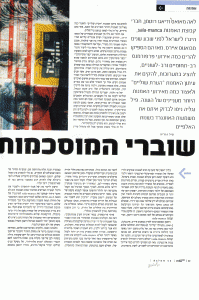
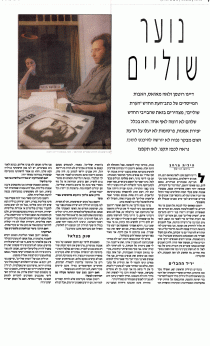
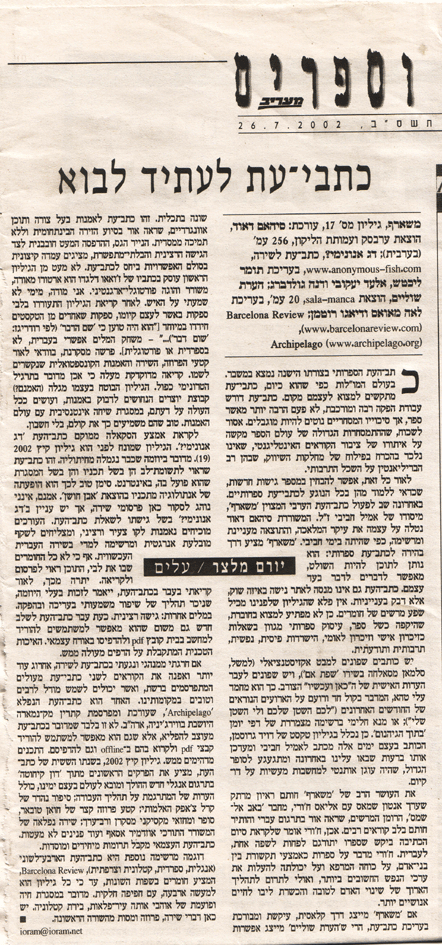
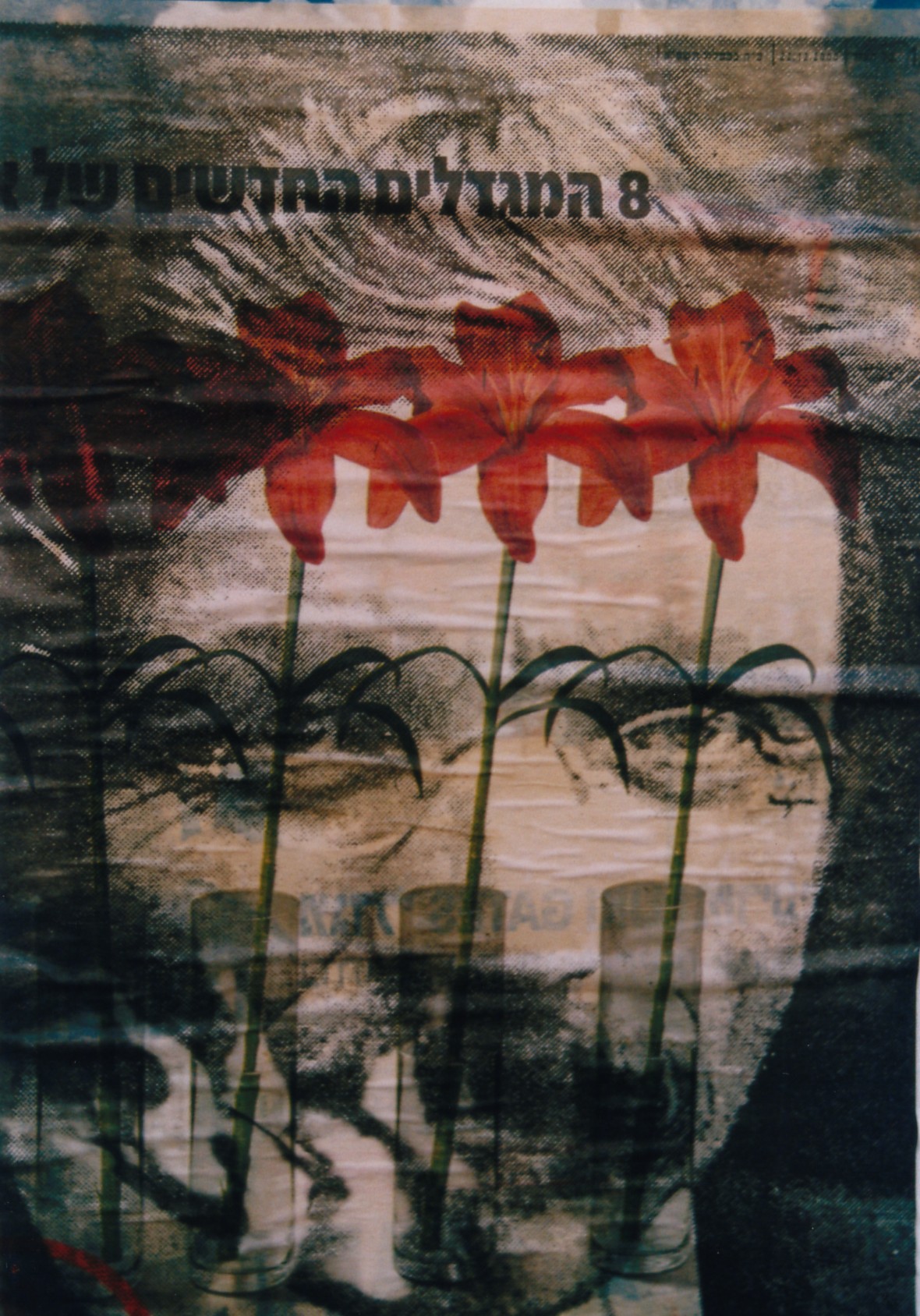
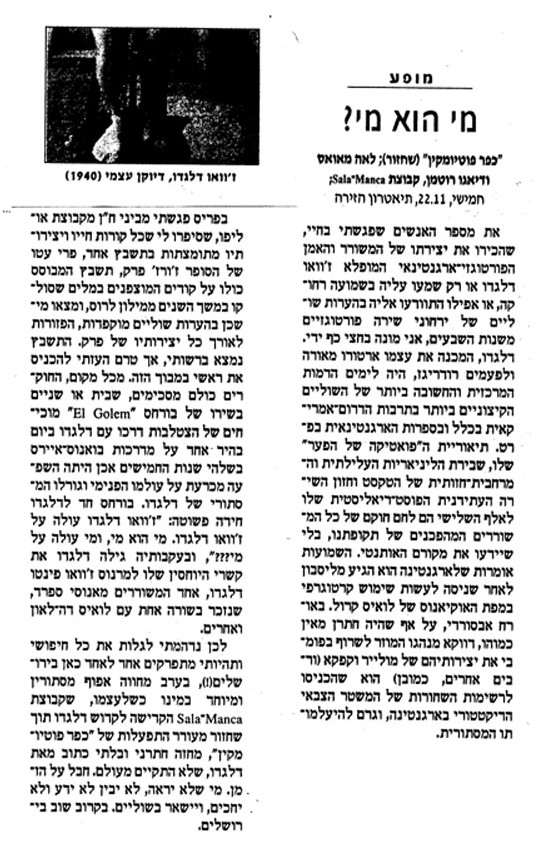
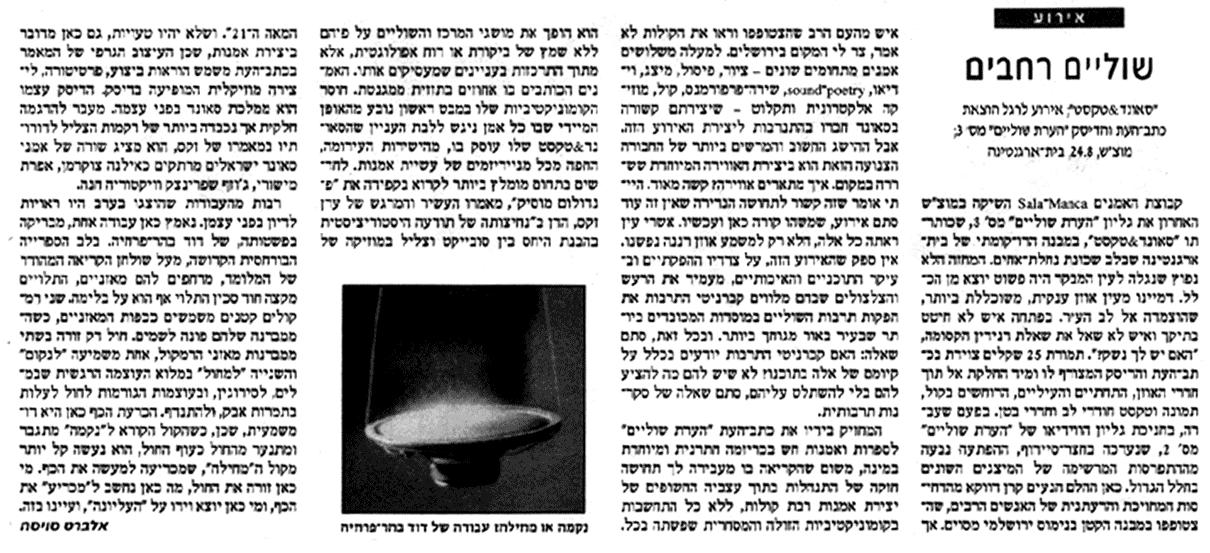
Large Margins, Albert Suissa, 30.8.2002

Large Margins, Albert Suissa, Kol Hair, 30.8.2002
suissa
suissa

Click image to enlarge

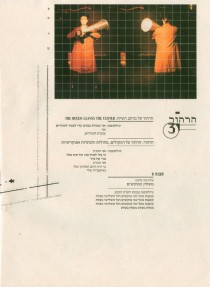
Sound and text, event on the occasion of the issue of the magazine and the disk Hearat Shulaym No 3; Saturday evening, 24.8, Argentina House.

The group of artists sala-manca launched last Saturday evening the magazine Hearat Shulaym No 3, whose title is “Sound & Text”, in the two-storey building of the Argentina House, at the heart of the Nachalat-Achim area. The unexpected sight was quite remarkable. Imagine a sort of huge ear, highly sophisticated, attached to the heart of the city. At the entrance, nobody rummaged into your bag, and nobody asked the magic question: “do you carry any arm?”. In exchange for 25 NIS, you were supplied with the magazine and the enclosed disk and you immediately slid into the lower and upper ear’s ventricles, vibrating with heart and belly penetrating voice, image and text. Last time, on the occasion of the issue of the magazine and the video of “Earat Shulaym” No 2, which took place in the Seidoff court, the surprise stemmed from the impressive deployment of the different artists in the big space. Here the agreeable shock shone precisely from the smiling and assertive density of the many people who crowded together in the small building in a certain Jerusalem politeness. But none of the many persons who crowded together and saw the voices said, Jerusalem is a narrow place. More than 30 artists from different fields – painting, sculpture, installation, video, sound-poetry, poetry-performance, voice, electronic music, and record making – whose works relate to sound, joined together on a voluntary basis for the creation of this event. But the more important and impressive achievement of this modest group is the creation of the special atmosphere that reigned in this place. How do you describe an atmosphere? It is very hard. I would say that it is related to a rare feeling that this is not just another event, that something is happening here and now. Hark! No doubt that this event, thanks to its production, but mainly its content and quality, sets up the noise and the rings, which accompanies the culture leaders of the production of the marginal culture of the most respected institutions in the city, in the most ridiculous light. And still, just a question: are the leaders of the culture aware of the existence of such artists in our midst? Not that they have something to offer them without taking control of them, it is just a question of cultural curiosity.
Holding the magazine Hearat Shulaym of literature and art, one feels the highly subversive and special charisma, since reading it transmits a strong feeling of going through in the exposed nerves of a polyphonic work of art, totally ignoring the cheap and commercial communicativeness which has become so widespread. The magazine completely reverses the terms center and margin without any criticism nor apologetic spirit, but rather focusing on its objectives. The artists who contribute to the magazine are frenetic writers. Its lack of communicativeness at first glance stems from the immediate way by which every artist approaches the core of the matter that his sound & text deals with, from the naked directness, clean from every mannerism of art making.
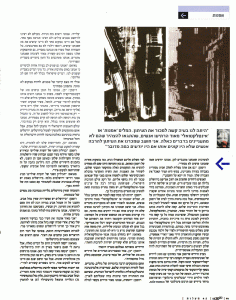
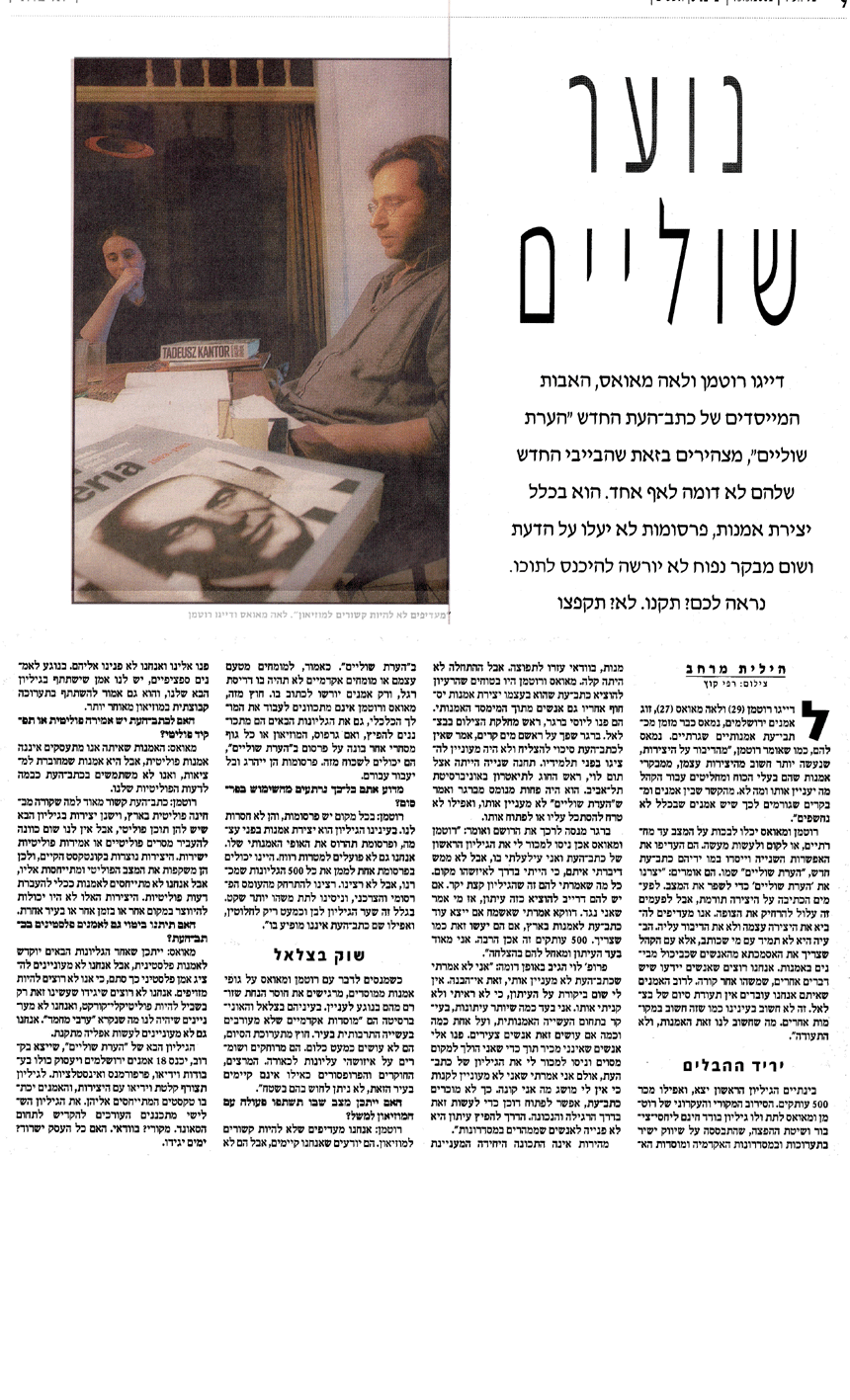
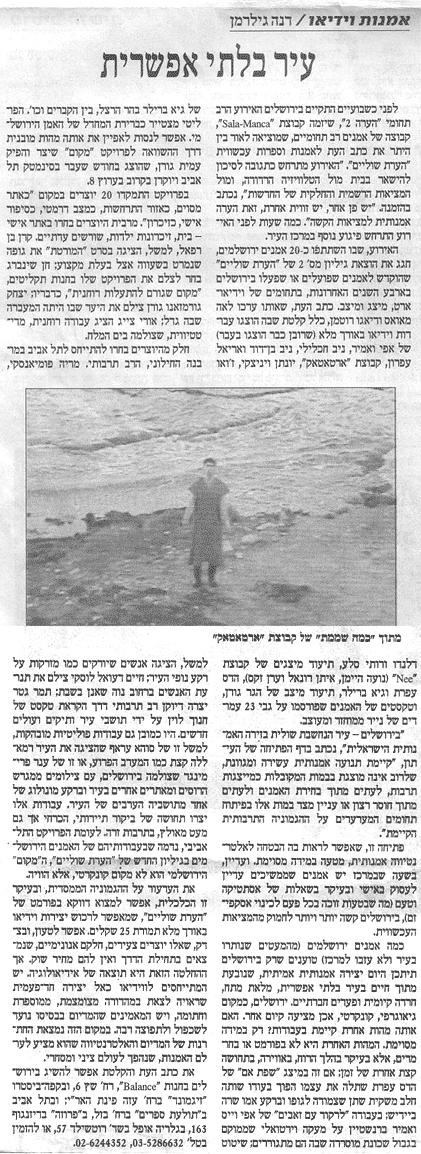
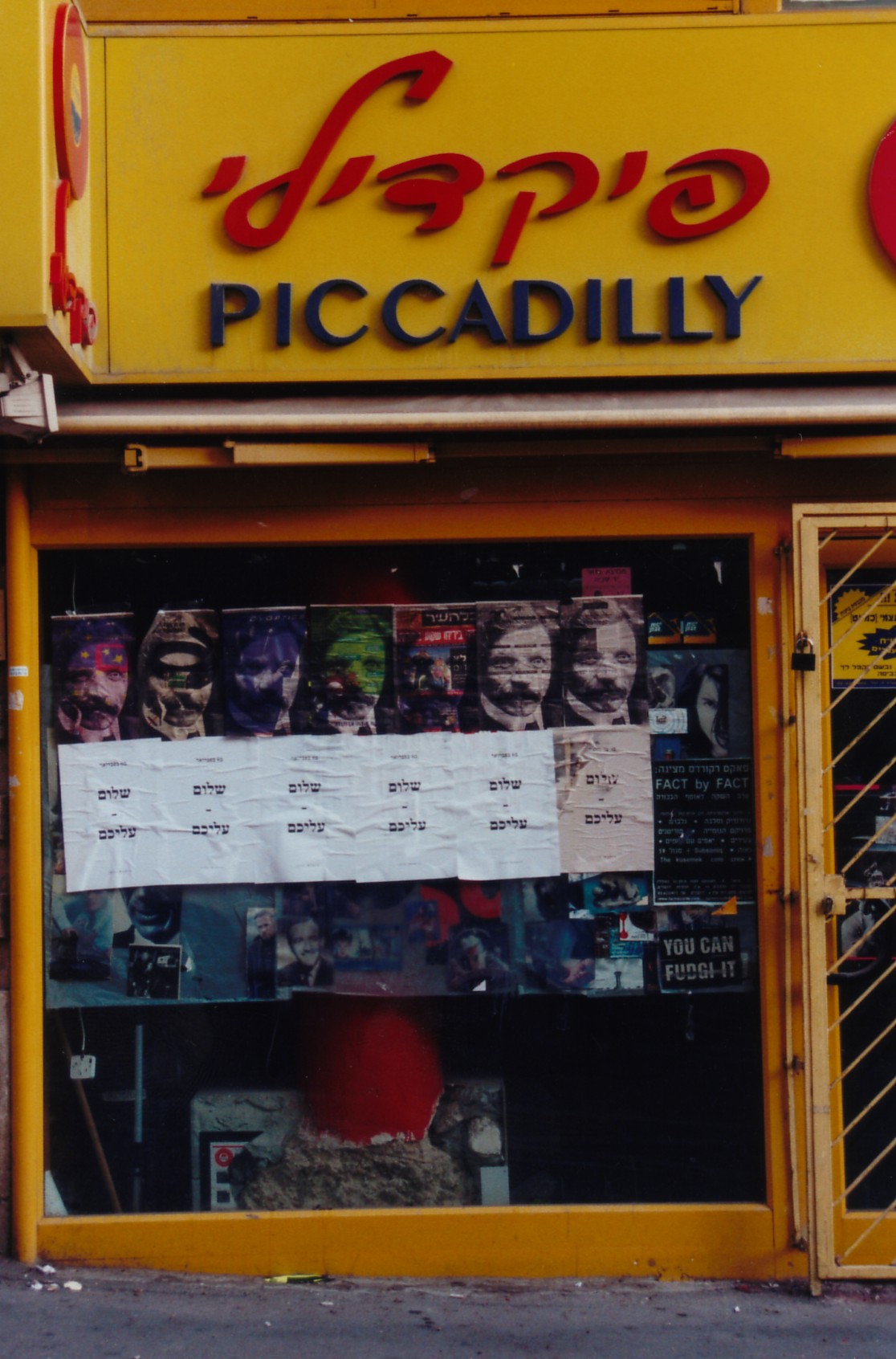
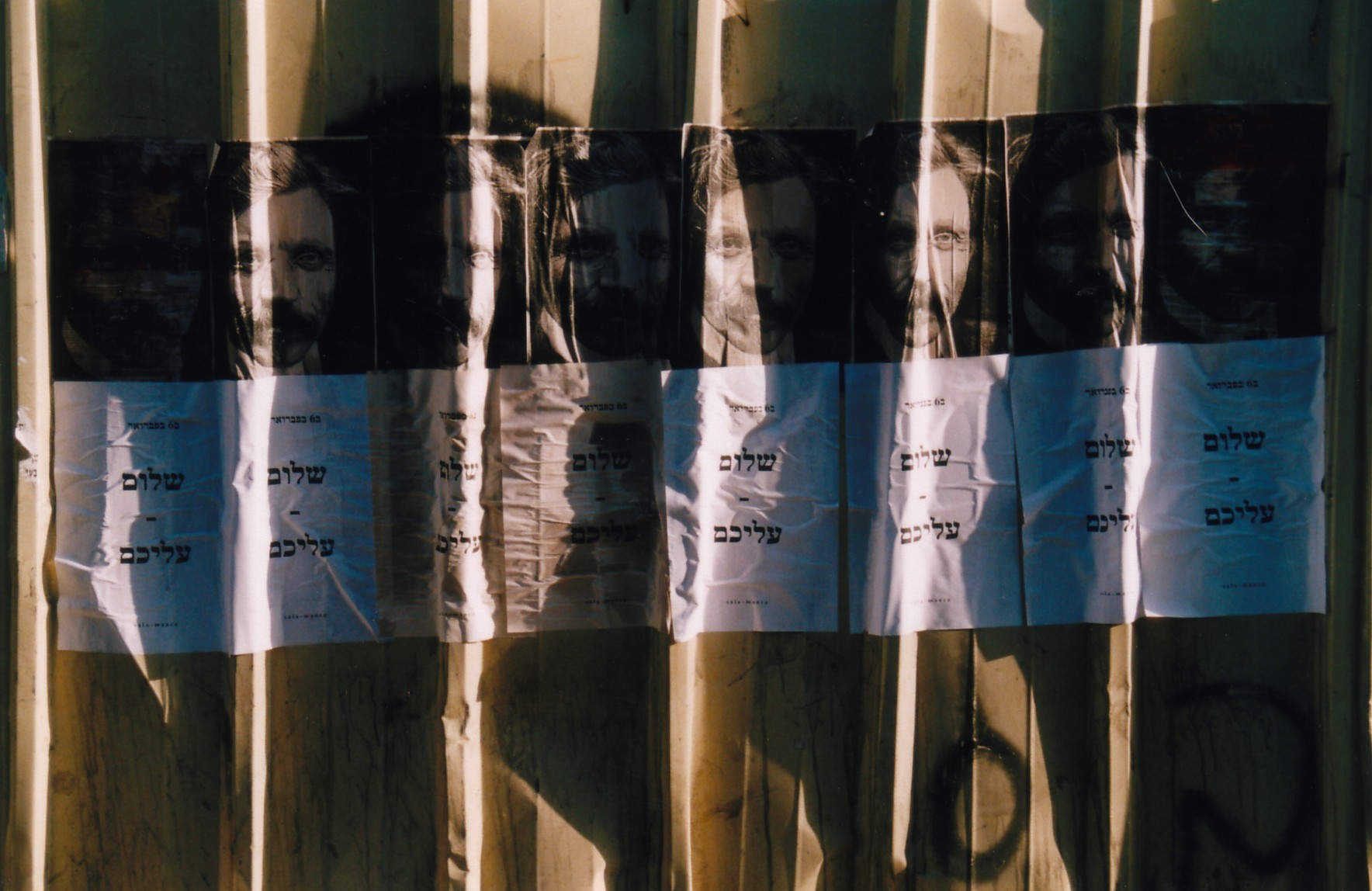
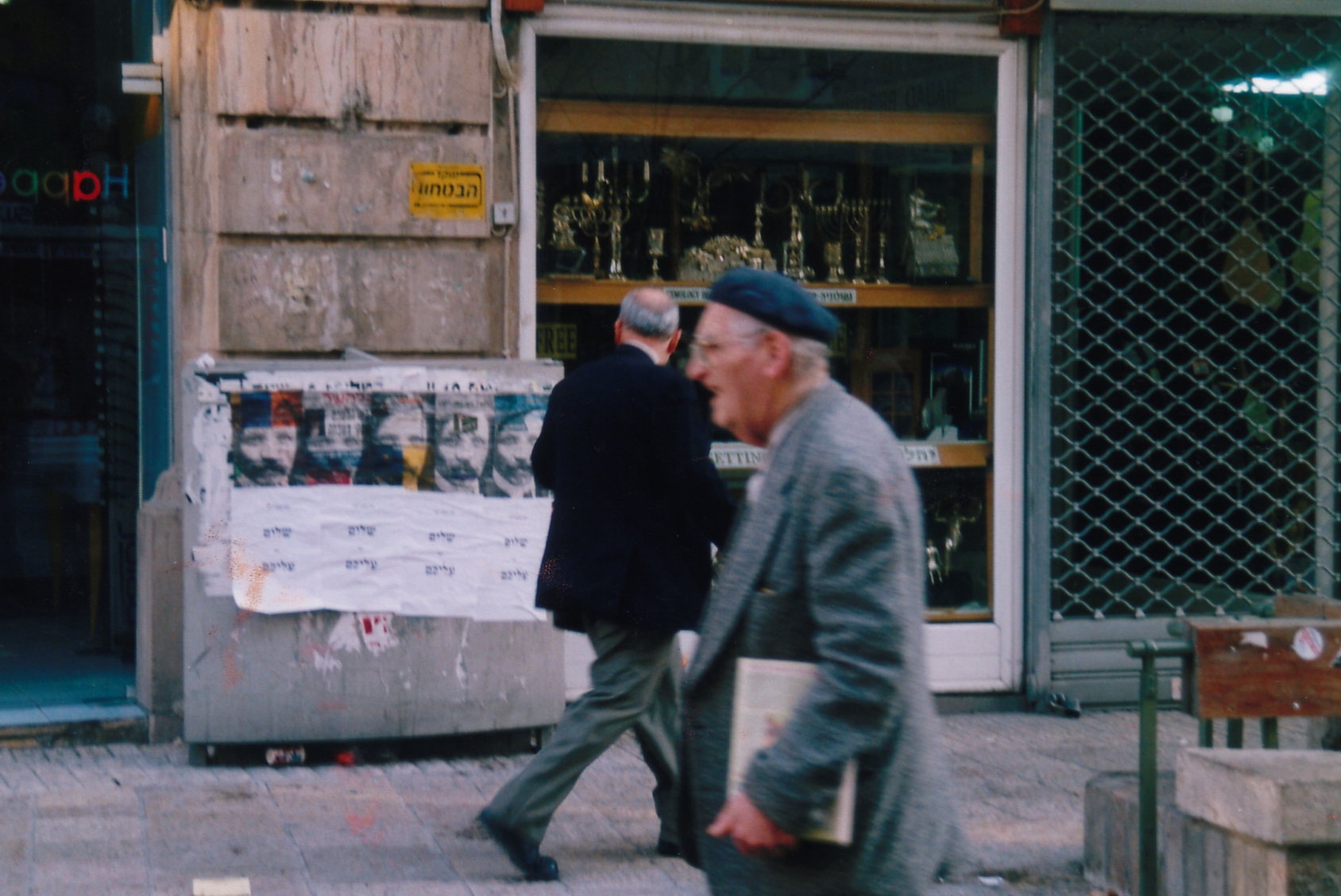
The Latest Convention’s Breakers, Pil&Galia Kollectiv, 7.2002


Latest Convention Breakers, Pil&Galia, 42 maalot, July 2002

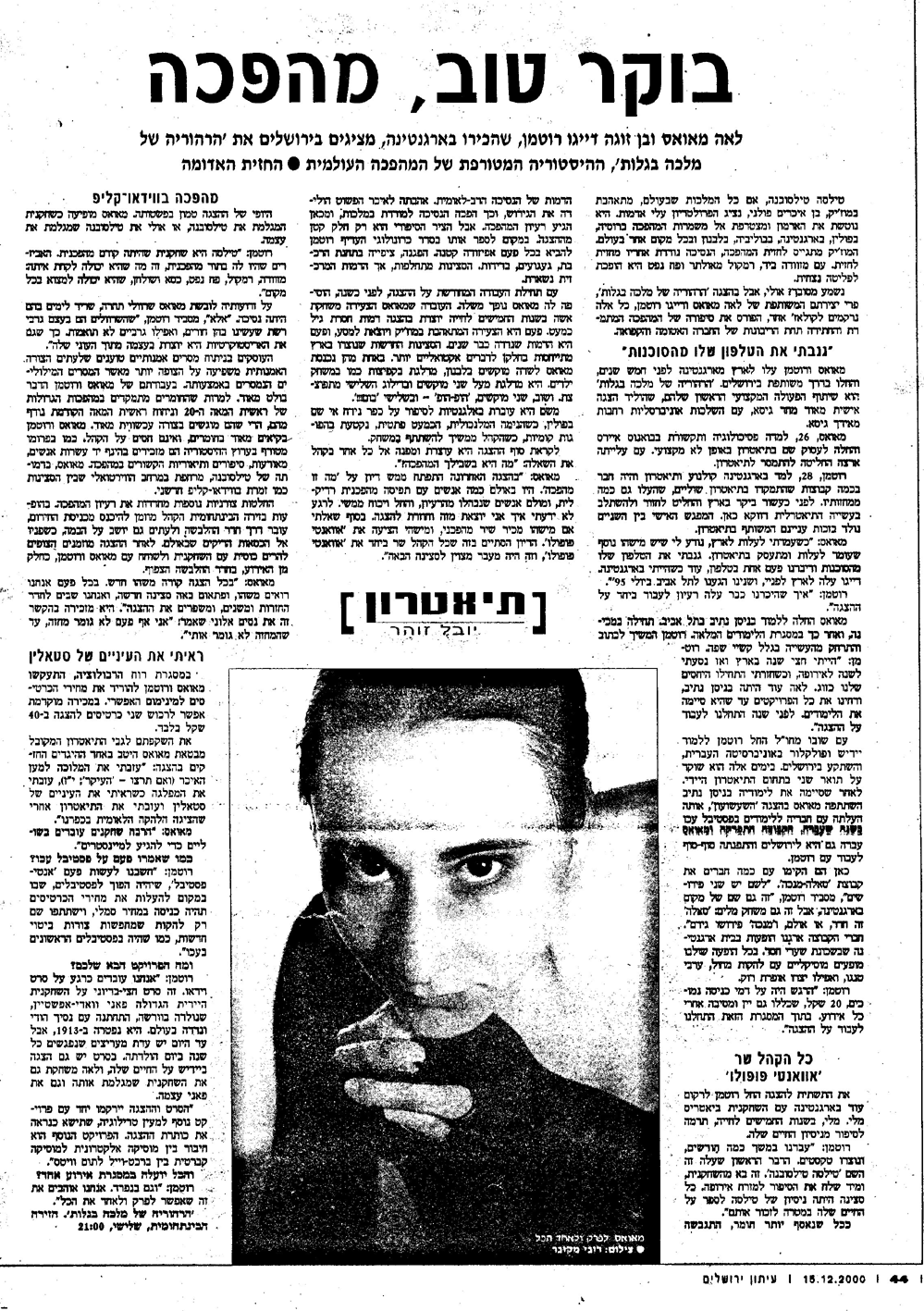
Lea Mauas and Diego Rotman, members of the group Sala-Manca, immigrated to Israel from Buenos Aires seven years ago. Since then, they managed to produce some multidisciplinary and multilingual performances, to display some exhibitions, to set up the art magazine “Hearat Shulaym”, and to organize some of the most interesting artistic events of the year…Sergei Eisenstein considered cinema as an art that would free the latent strength by creating a united collective conscience that would allow the public to experience the channel as if it was one single man…Without drowning their public, Rotman and Mauas succeed in raising questions about the ability of the public to experience a revolutionary instant, refined like the one Sergei Eisenstein talked about…Their affection for the proud and revolutionary modernism of the beginning of the 20’s century is reflected in all their works, from “Potiomkin Village” to “Hearat Shulaym” and a cultural avant-garde Yiddish evening, even through the conception of an exhibition of fax works made of ephemeral thermal paper…
The following scene, taken from one of their performances, illustrates best the cat and mouse game that Rotman and Mauas run with modernism: on the ground of a big black and white slide, of two “sticks players” and a square pixel ball, Rotman declares “Delgado and Borges play tennis in Wimbledon” and erases in a second all what extends between “the garden of the divided paths” and the Atari. Something in that humor and in their readiness to integrate in their work a reference to their immediate environment, in their ability to break the abysmal seriousness that froze the dada, the surrealism, and the futurism into the glass of the museum, raises the suspicion that their faithfulness is divided.

42MAALOTPAGE242MAALOTPAGE1 42MAALOTPAGE3

Click to enlarge

To Live her Life, 2002

Video, 3′

Shown at: VideoZone – 1st Biennial of Video, Tel Aviv, November 2002; Homemade (curatorby Liliana Kadichevski) II Festival Dialogu Czterech Kultur, Lodz, Poland, September 2003; Local Time 7, Tel Aviv, Jerusalem 2004; Living in a Film, Mamuta in Hansen, Curator: Sala-manca

3 4 2

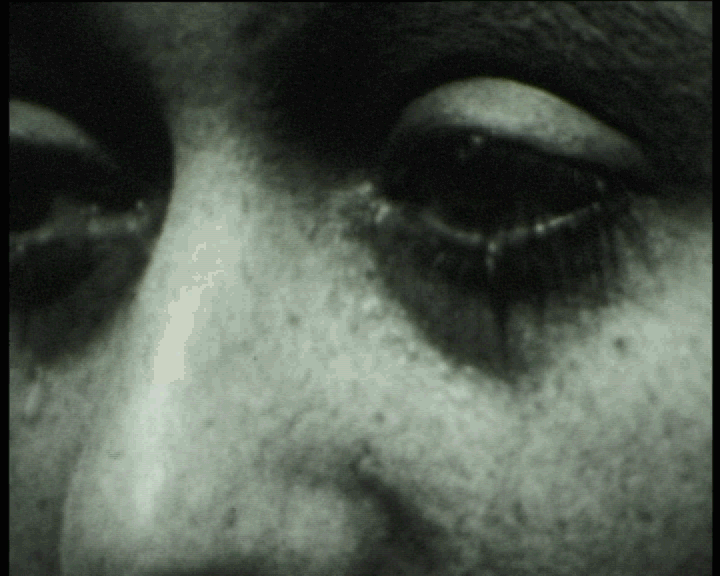
Underground photography. quote. an excerpt from a film by Dreyer within a film by JLG. to live her life. from cinema to video. one shot.


Ephemeral Works, 2002

Hazira, Jerusalem, 2002. Curator: Hadas Ophrat

Modern Lovers Exhibition, Three Colts Gallery – London | Curators: Pil and Galia Kollectiv

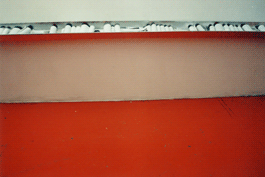
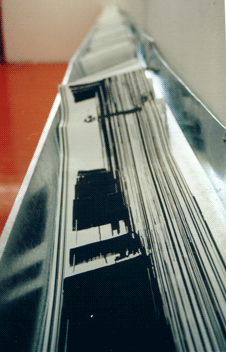
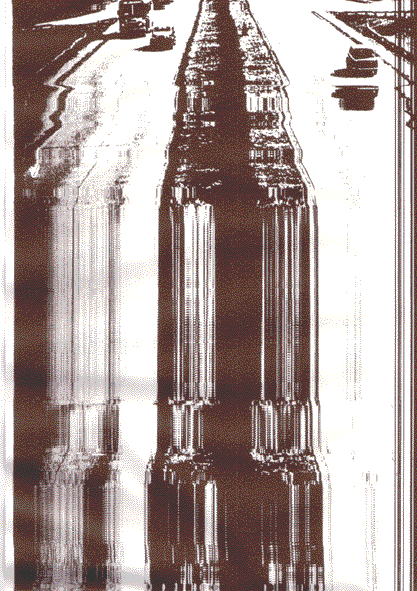
In the installation were exposed 80 works made of fax paper (thermal paper), which nature will lead them to disappear. Different series of works (maps, citizens, portraits, towns and objects) are exposed, all of which went through a process of “faximilisation”. This technique of manipulation of the picture passing through the fax, thus creating a new image, permits to blur the border between the original and the copy. When the fax work (the “coeph2py”) turns out to be the original, the gap is created . The subversive potential of the fax machine is not solely fulfilled by this technique, but also by the change, by the individual, of the genuine function of the machine (instrument used to the transmission of information and to communication) and mostly, by the combination of the both: sending “fax works” through the machine.

eph3 The nature of the works, the space of the exhibition – the foyer of the “Interdisciplinary Arena” theater – a place where the visitors
are not coming in the aim of seeing exhibitions, and the way of displaying (works rolled up on the side, so that the observer is required to get closer and to open the works in order to look at them), raise interrogations about the canonical place of the artistic creation, and its cultural and commercial status.

ROUTE-2 Untitled-Scanned-01

Sound of the Installation (stretched tape of a recorded fax machine by Sala-manca)


atarw2  atarw3 atarw5  atarw4

Click to enlarge


Potiomkin Village – A Reconstruction of a Never Performed Performance, 2001

kin Village – A Reconstruction of a Never Performed Performance, Hazira, 2001 & Populus, 2002 | Installation, Performance, Video by Sala-manca

potiomkin potiomkin3 potiomkin1Homage to Marcel Ducham (Toilette Paper and Overhead Projector


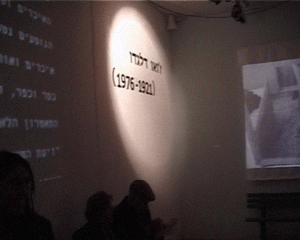
Potiemkin Village  (Kfar Potiomkin) –  Homage to Joao Delgado (1921-1976)

Potiemkin Village, sala-manca’s new performance, is based on the writings of the Portuguese poet and artist Joao Delgado. Delgado, who “disappeared” in the beginnings of the last military dictatorship in Argentina (1976), was one of the most interesting and important marginal artists in South America.

TELEb;acPOT2

POTTORTA2Potiemkin Village, the last and unfinished work of Delgado, is named after the term “Potiemkin Village”, which means trickery, a magnificent façade that was built in order to cover a shameful and unwished situation. This term is based on historical facts: In 1786, Katherine the Great organized a cruise in order to celebrate the conquest of the Turkish lands situated North to the Black Sea. At the approach of the cruise the General Potiemkin ordered the building of villages along the rivers of South Russia. Many passengers noticed that the thousands of villages were but virtual; a theatrical, decorative and spectacular trick intended to impress the passengers and to justify the conquest. According to the version of Delgado, in order to present a purified and festive image the General Potiemkin “cleaned” those areas from handicapped, insane persons, beggars, and independent artists. Potiemkin sent them to the last ship of the cruise and organized a show on board the last day. The show became an open opposition to the aristocracy. It was named “Potiemkin Village”Untitled4

The Potiemkin Village of Delgado tried to recapture the spirit of the historical performance while breaking conventions of acting and watching of his times. The performance was both a sharp criticism of the country situation of those days and a silent call to a fierce arising.
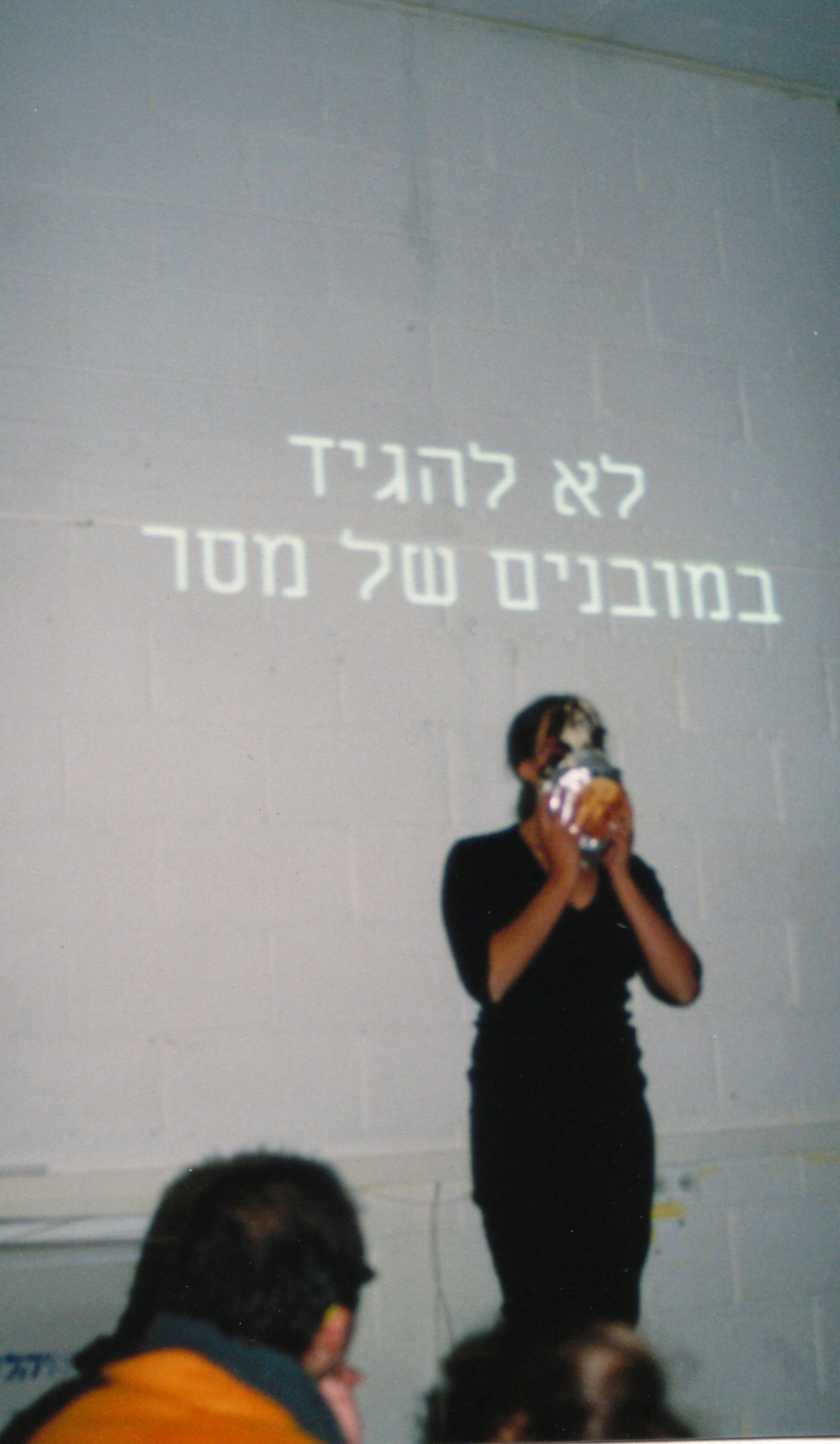
Sala-manca found appropriate to reconstruct and readapt that performance and to base it on the themes that Delgado developed. Those themes are adapted by sala-manca through the mise en scene of a tour in the different rooms of the “Hazira”, during which the power relations of the spaces change.
The traditional auditorium is weakened by the emphasis on the minor spaces. The stations of the tour are meant to announce the dissolution of the performance.

POTgente2TRASH1TOSEEORNOTOSEE


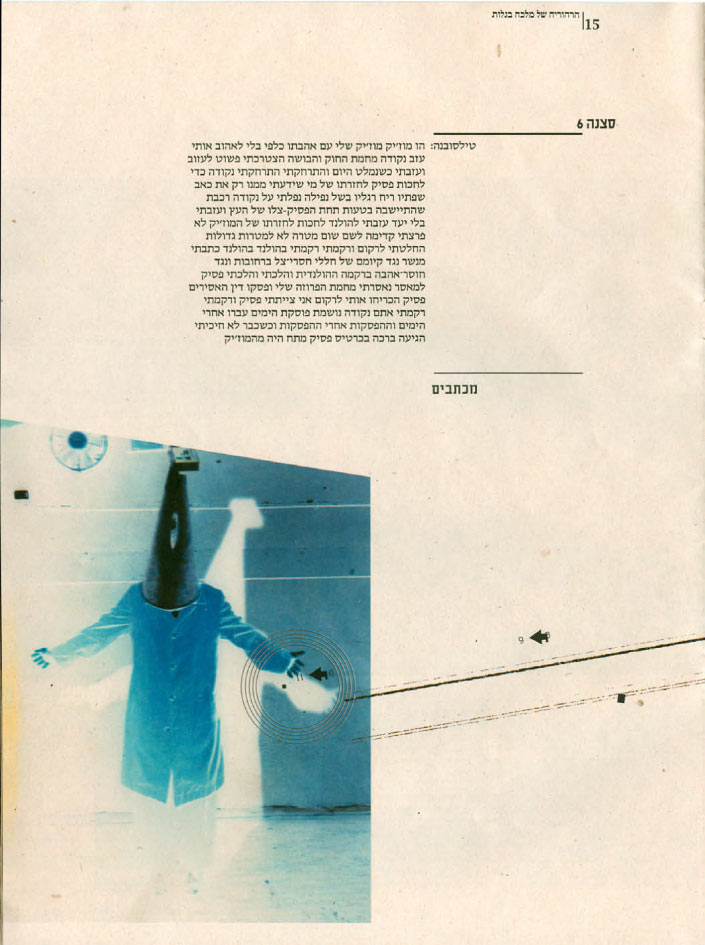
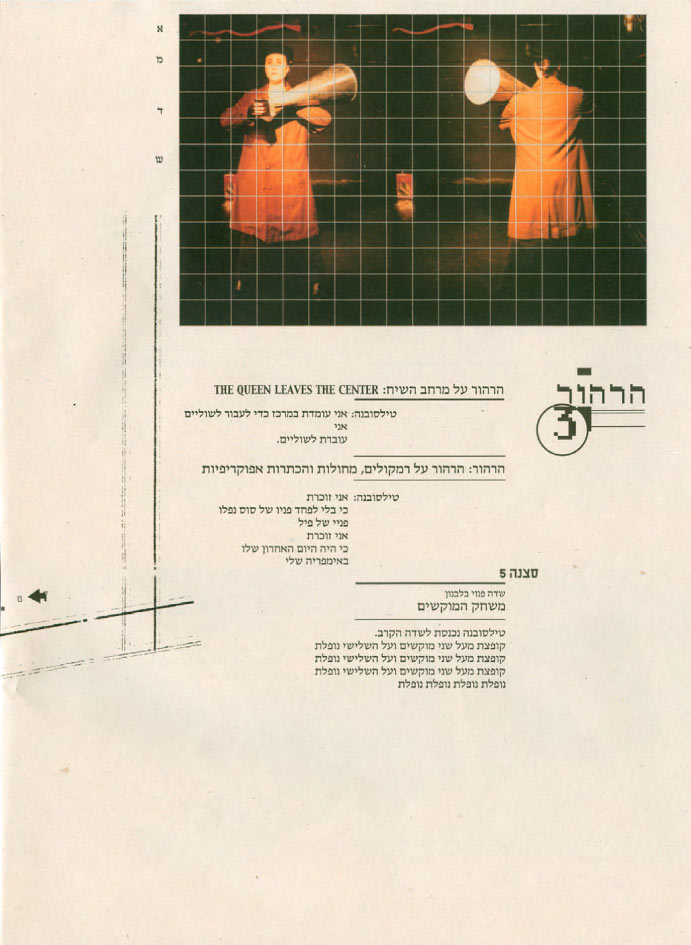
Hearat Shulaym Art Journal 1-11 (2001-2007)

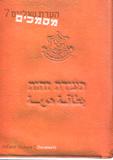
Hearat Shulaym (Note in the Margin) was an Independent Journal of Contemporary Art and Literature published by the group of artists Sala-Manca. The purpose of the magazine “is to temporaly shift the gaze of the “reader” from the dominant culture, which, for the group members is mostly a marginal culture. The aim is to expose works from artists from different fields that were conceptualized far from main existing trends. This magazine is published without advertisments and without any official support”.

(H)earat shulaym archives (1-11)

0000012100000122   00000123 0000012400000125000001260000018d000002ad000004a4

A video documental about Heara Independent Art Events and Hearat Shulaym Art Journal (Hebrew and English) | Edited by Amitai Arnon


Concret Responses I, II (2002, 2003)

Produced for the Voice of the Word performance festival, Hazira, 2002-2003. | Curator: Hadas Ophrat

Modern Lovers Exhibition, Three Colts Gallery – London | Curators: Pil and Galia Kollectiv

Video Bardo Performance Festival – Buenos Aires, Bamat Meizag – Tel Aviv, Performa 01 Festival – Jerusalem, Heara 2 – Jerusalem,  Kosmonaut – Tel-Aviv, Tel-Aviv University,

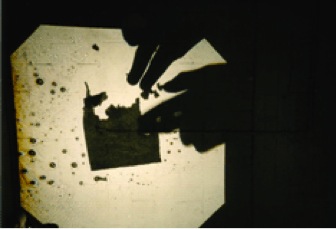
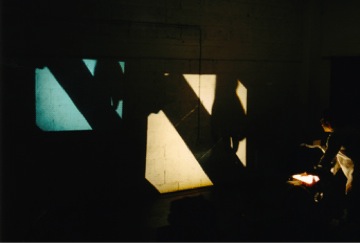
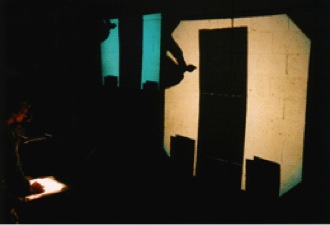
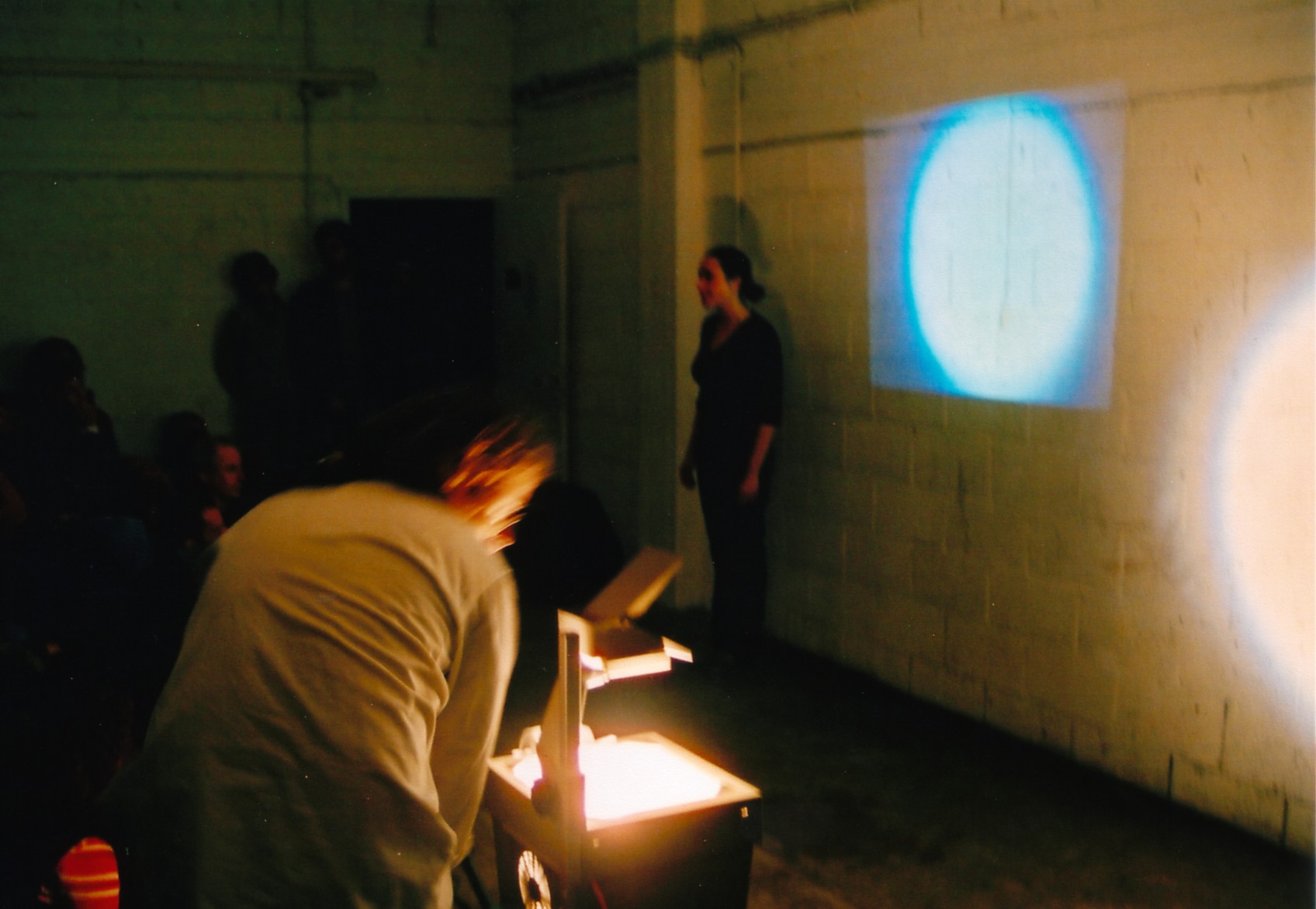
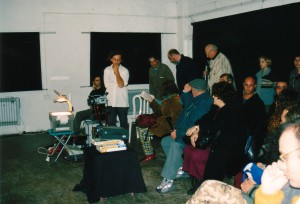
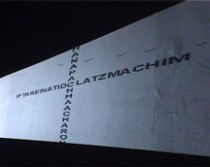
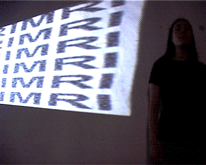
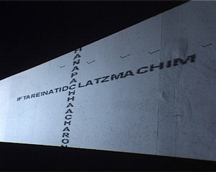
Concrete Response is a performance for voice and slide projector.

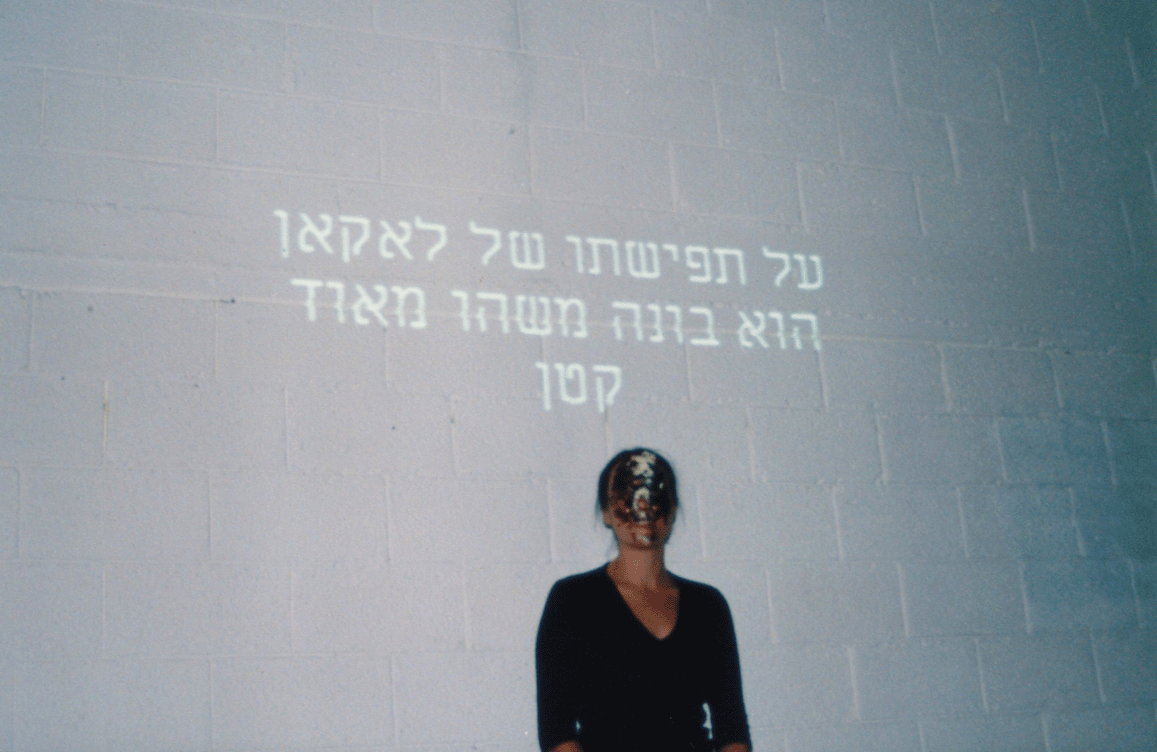
The performance, which deals with the gap between the written letter (the text) and its voiced expression. An original text in hebrew is interpreted at the same time that is projected in latin lettters. The texts in the slides are designed in a way that remind works of concrete poetry. Not every time the synchro is correct, not every time is the same way of latinization. The “distance” between the spoken word and it graphic expression are the basis of the work.responseuno     responsedos

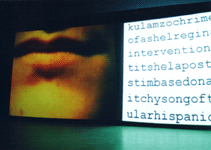
response21Concrete Response II is a performance for digital slide, live video, mouth and two voices.
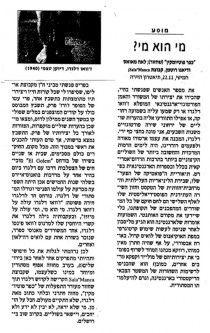
The performance continues our visual and sound research on the easthetics of the difference and deals with the gap between the written letter (the text), its voiced expression, the body and the icon. Between the concrete poetryand a concrete response.