Tag: Joao Delgado
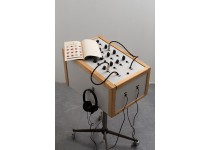
La Máquina de Hacer Pájaros, 2014
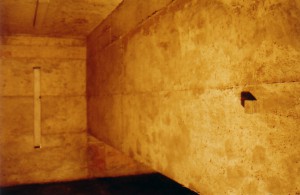
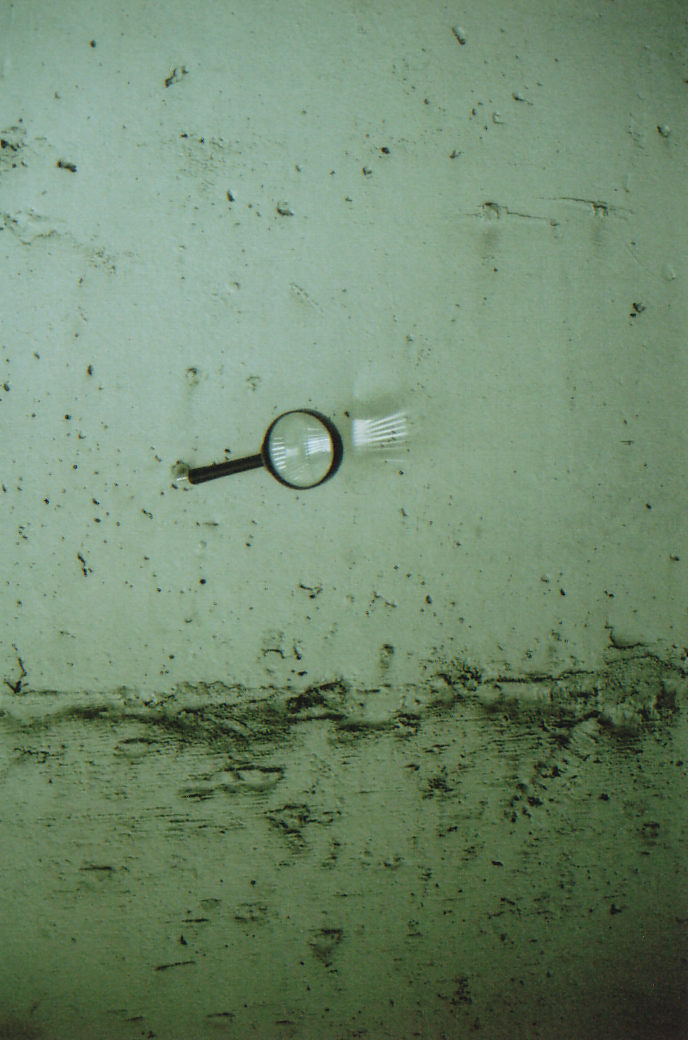
Formica and wood box, miniature printed circuit board (PCB), MP3 players, audio sockets and earphones, power supply, metal leg, two sofas from Casa Argentina, Jerusalem Text: João Delgado; music: Yarden Erez; electronic system: Amir Markovitz; programming
Exhibited in the frame of Recalculating Route at Petach Tikva Museum of Art, in theframe of the 4 Mediations Biennale, Poznan, 2014 | 2.10.2014-24.1.2015
Curator: Drorit Gur Arie

The spirit of João Delgado has been haunting Diego Rotman and Lea Mauas, members of the Jerusalem-based Sala-Manca Group, for fifteen years. A Portuguese poet, writer, playwright, and essayist, Delgado was, in all likelihood, born in Lisbon (date unknown) and disappeared in Argentina in the second half of the 1970s, in the dark years of the Generals’ regime. Like the circumstances of his disappearance, his life was equally shrouded in mystery, and little is known about it. Years later, his post-realist poetry has had a vast impact on late 20th century Latin-American literary avant-garde, but Delgado himself did not live to see it, since the political circumstances—the censorship placed by the military junta in Argentina—and his own choices interfered with the reception of his works by the public at large. His writing was confusing, and he often used fictive aliases which further blurred his identity. In literary terms, Delgado was a modernist who addressed the formal questions of writing (like Georges Perec and the Oulipo group): the author’s identity, the gap between the text and the world, and the illusions of fiction and reality. In this he joined other, more senior, contemporary modernists, from the Argentinean Jorge Luis Borges and Portuguese Fernando Pessoa to the Hungarian Lajos Kassák, whose Cubist poetry from the 1930s and 1940s had influenced Delgado when he lived in Central Europe.
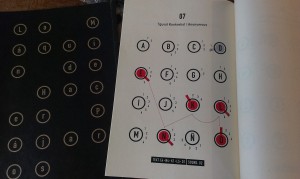
The members of the Sala-Manca Group, in their joint work as artists, curators, and activists, often revisit Delgado’s figure, publishing translations of his work and incorporating excerpts from his unfinished plays into their performances. The return to Delgado, the eternal migrant who wandered until he disappeared, is linked with Rotman’s and Mauas’s personal immigration experiences and the need to discover new territories through language and the act of writing.
The work La Maquina de Hacer Pájaros (‘The Bird-Making Machine,’ as the name of an Argentinean rock band which formed in 1976, in the dictatorship days) is yet another chapter in the quest after the Portuguese-Argentinean writer. The viewer-listener is given the opportunity to wander amid excerpts of text by Delgado and other writers of his alleged circle, such as Juan Mestre, Regina Handeke, Irina Pantalova, and Arturo Maure, who may well have been none other than Delgado himself. This wandering is akin to a journey through the soundtrack of a literary microcosm, comprised of fragments of texts, sounds, and linguistic images. The listener is invited to try to compose the narrative as s/he pleases, to believe the story in whose making s/he took part, or disbelieve it altogether.
One of the legends associated with Delgado maintains that he made his way from Portugal to Argentina with the aid of a map of the Atlantic Ocean which he adopted from a Lewis Carroll book. Whether and how he arrived at his destination—no one knows. João Delgado is, in fact, a fictive entity, a figment of Rotman and Mauas’s imagination; at the same time, like them—who create in-between the splinters of their Latin-American and Israeli identities, in-between the language from there and the one they have adopted in Jerusalem—he is totally real.
Drorit Gur Arie
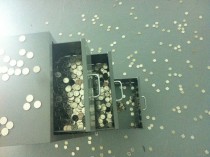
Total Investment, 2013
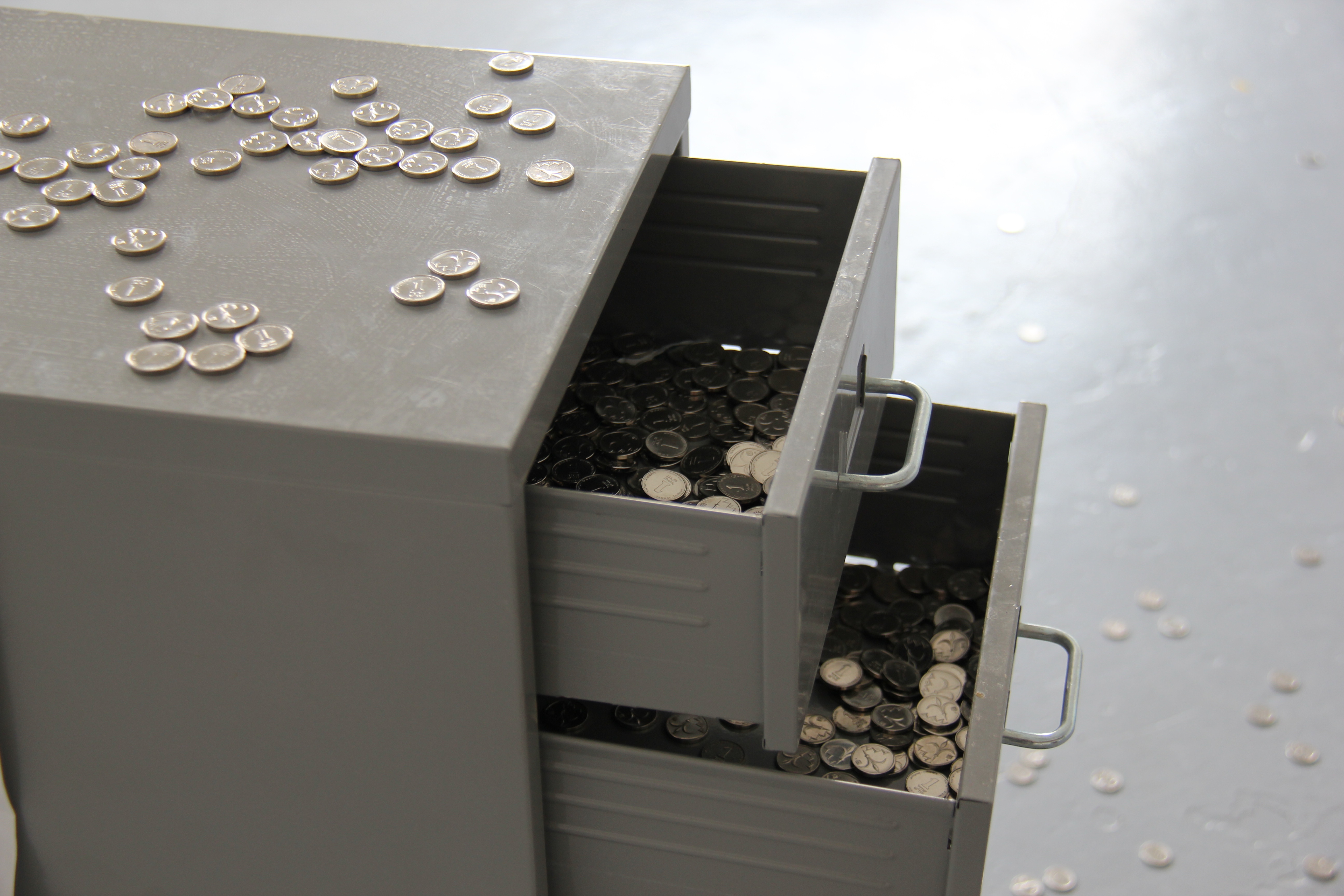
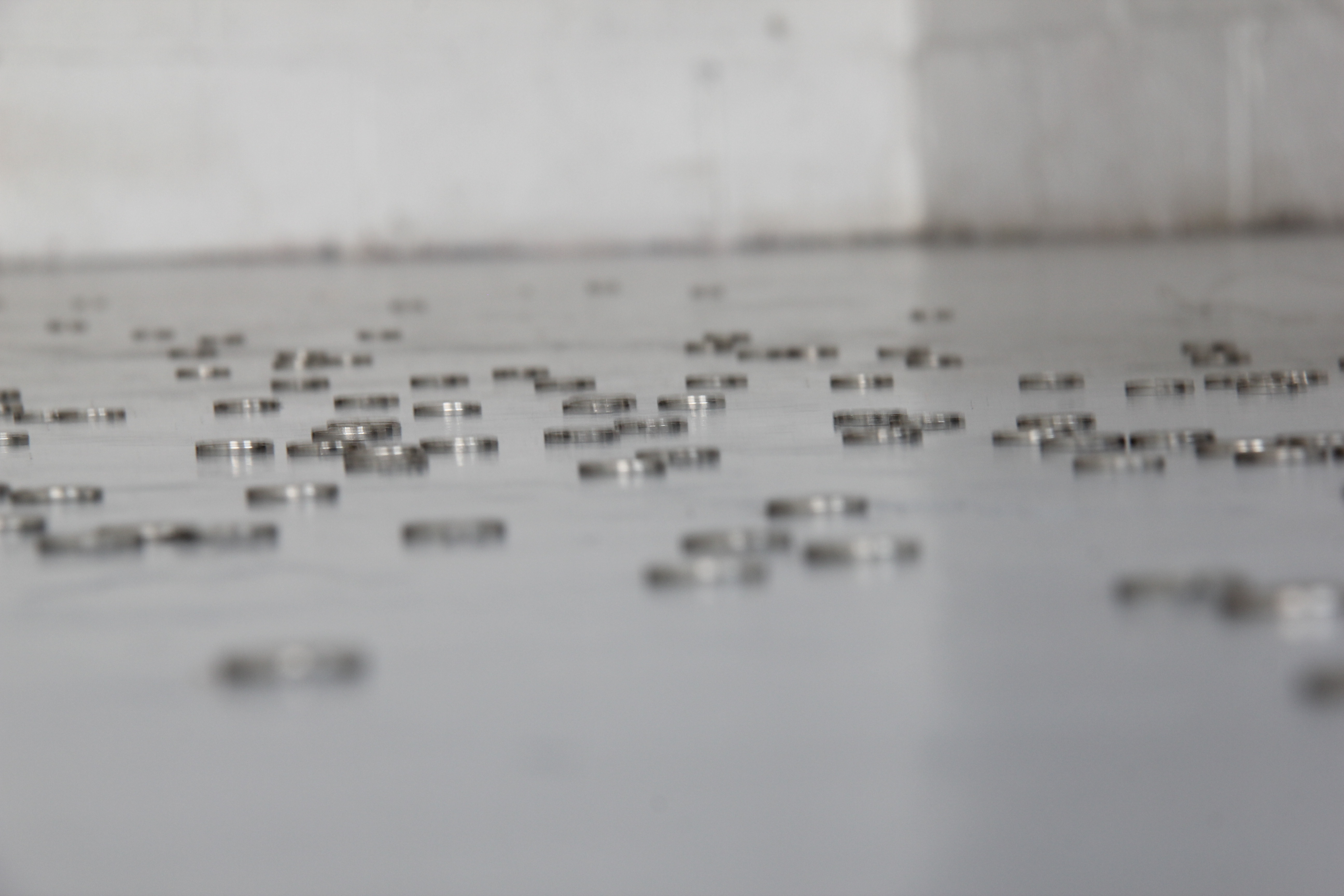
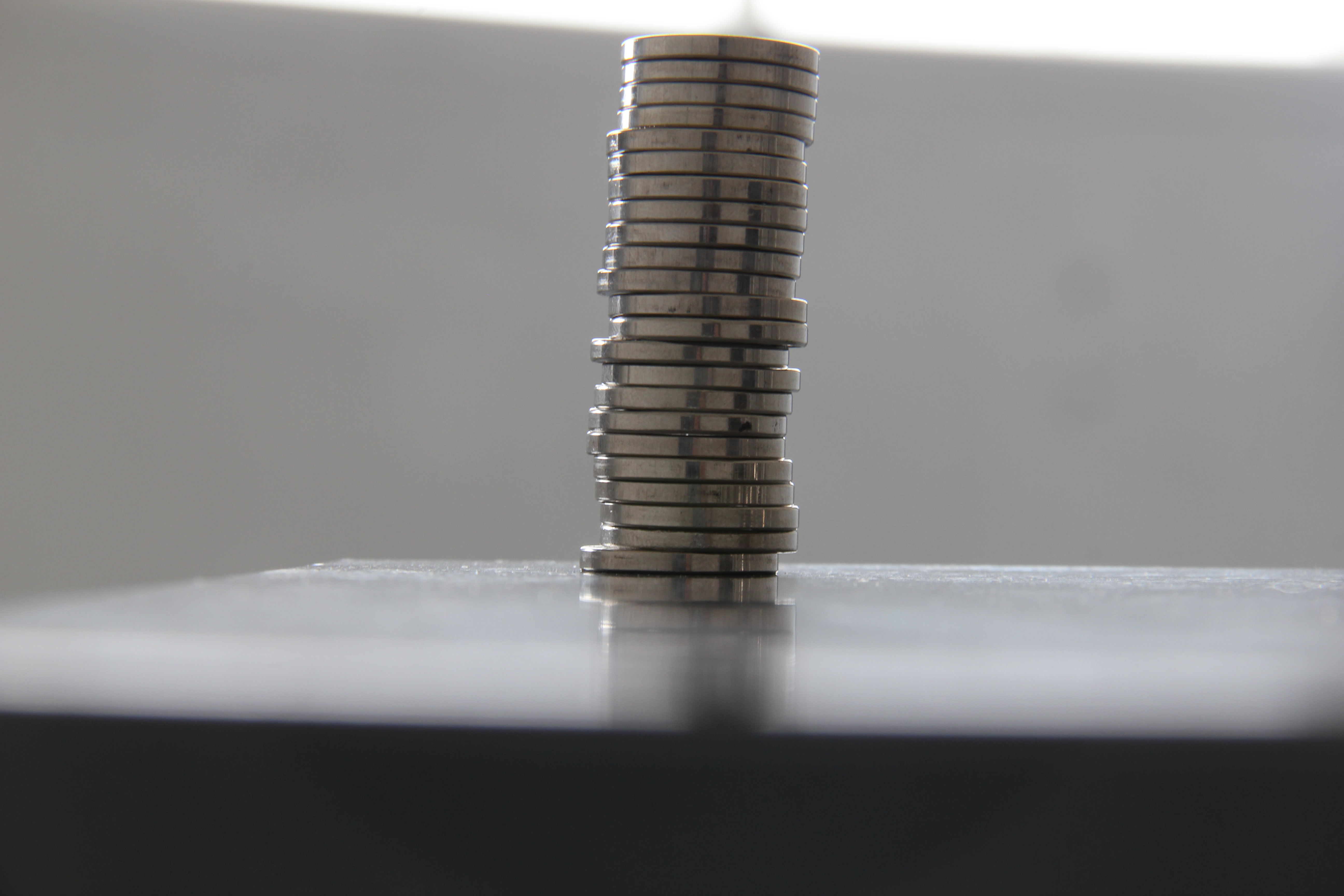
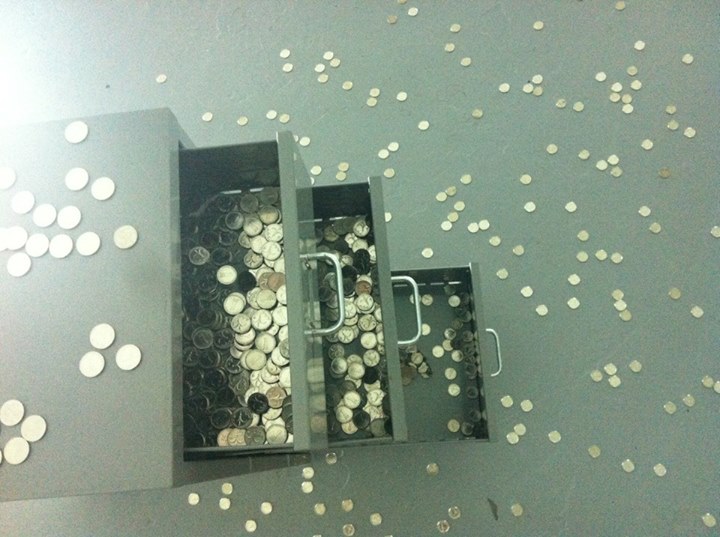
The project budget for the work was 1000 nis. The work is a sculpture comprised of 1000 – shekel coins, the artists’ fee including expenses.
The sculpture is for sale. the price is 8000 shekel.
Performa 0:2 Festival / School of Visual Theater/ Curator: Guy Gutman
Background
In 1972, the Portuguese-Argentinian Joao Delgado decided to expose the support mechanisms of the fringe theater he managed in Argentina. In the first act of his first play, on stage, he signed a contract with an urban producer stipulating the conditions and budget of the production itself. In the second act he took it back, and signed with the largest fund in the city that gives the smallest grants. In the third act he built a tower out of 2500 one-peso coins, comprising the meager budget of the entire show.
In the fourth act, to everyone’s surprise, the money vanished from the stage.
Play was performed only once and was a critical response to the ruling economic and political policy in Argentina at the time, when both foreign and local foundations and organizations attempted to dictate an alien cultural agenda, by force of their wealth. In this work, called “Total Investment”, Delgado preceded his time in a brilliant critical act and continued to work independently until his disappearance during the military dictatorship in Argentina.
photos: hilla spector
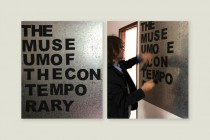
The Museum of the Contemporary, 2012
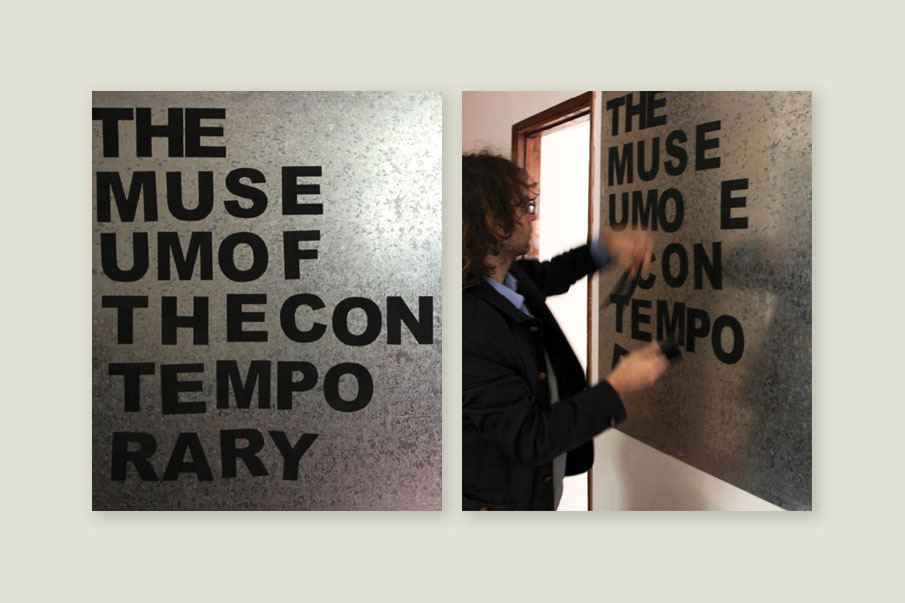
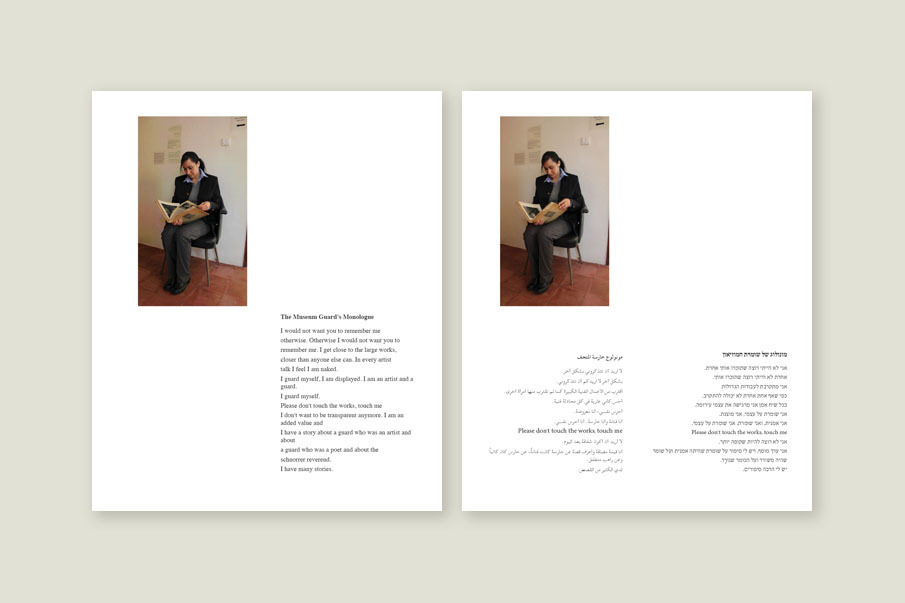
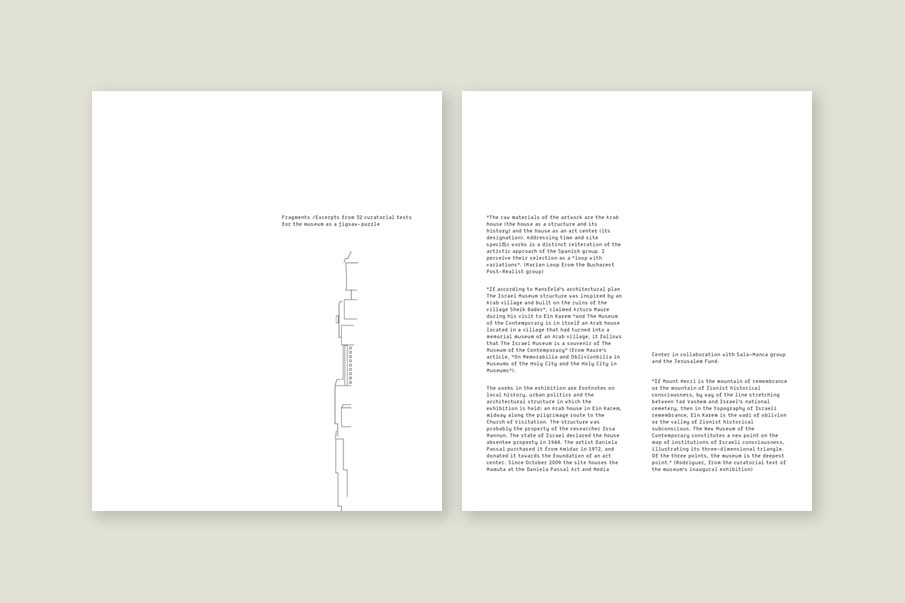
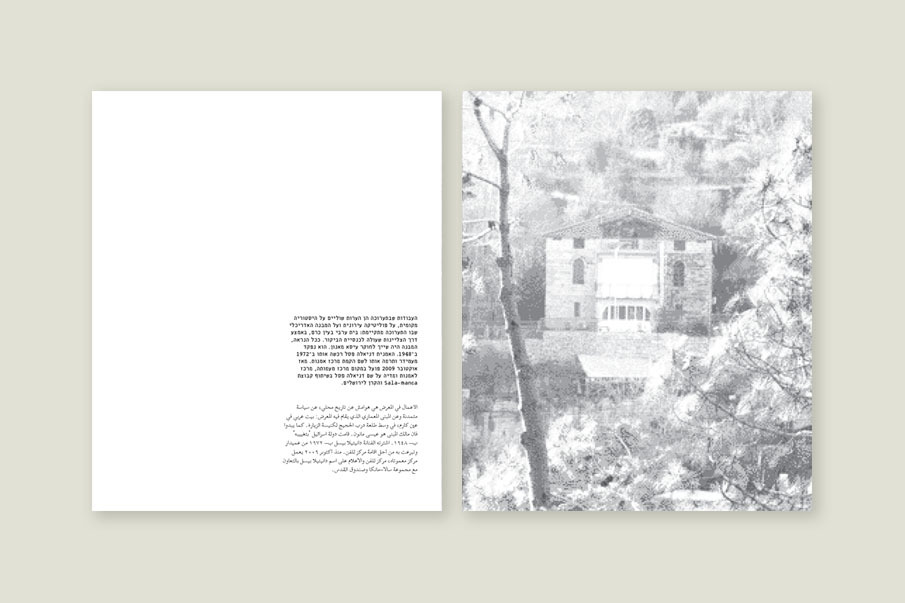
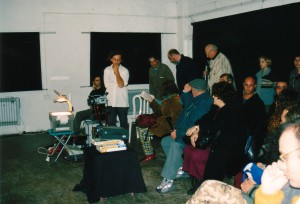
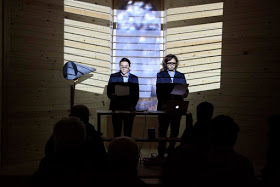
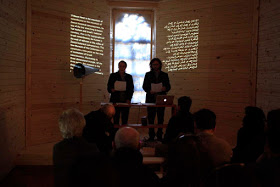
The Passion of Joao Delgado, 2012
Performance in the frame of the Museum of the Contemporary
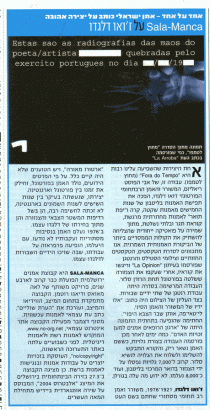
Sala-manca about Joao Delgado, 3.2004
Sala-manca about Joao Delgado, Time Out, 3.2004
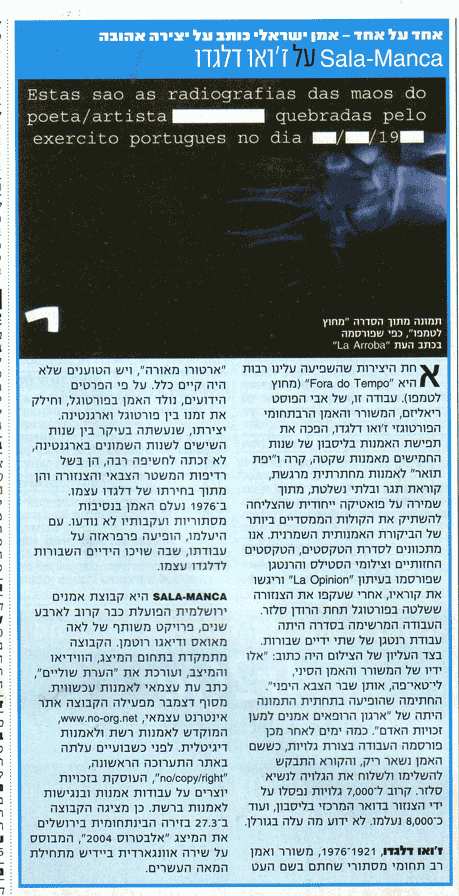
click to enlarge
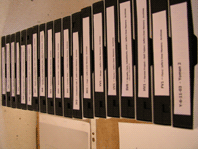
Over Memory- Jaffa, 2004
Jaffa‘s Over Memory/Archives & Invisible Performance | Blurrr, The 4th Biennial for Performance Art, Jaffa, November, 2004 | Curator: Sergio Edelstein
Documentation as a “flea.” Memory as an item. Memory creation as a purpose in itself – dialogue with the overflow of documentation (in art, tourism, family events). Documentation instead of performance. Archive as a quotation of a city. The artistic act (city documentation) is completed before the action (the biennial) begins, and only its memory (ca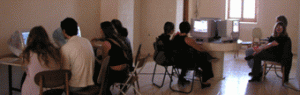 talog-diary) and the spectator’s action remain: watching the action memory as reconstruction of the city and the artistic action. Documentation of seemingly irrelevant aspects of history and constructing place memory, in an attempt to create poetics of the city’s Over Memory*.
* The concept Over Memory, coined by the Portuguese scholar Joao Delgado, refers to areas in individual and collective memory that are conceived as meaningless and purposeless even though they are central to pertinent mapping. See: Maure, A., “Paradigma de la memoria y sobrememoria – Bocetos para una arqueologia del olvido”, Ruptura Nro. 123, 1993, pp. 23-28
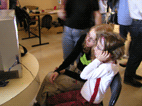
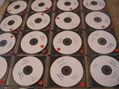
Archives at the Bienniale of Performance Art
The Over Memory Archive of Jaffa is the outcome of our (namely: external artists) efforts to document and catalog the city. We set to catalog the irrelevant, “marginal,” as it were, aspects of the city (cross-documentation), in an attempt to construct other, different, poetic representation and memory, believing that what we conceive as irrelevant might unveil an additional facet of the city and thus complement the relevant which is always relative.
In the context of the biennial, we wanted to create an action that would not take place in front of an art audience (the biennial spectators), but rather chose to act vis-a-vis the city inhabitants. The artistic act was an ambivalent act of encounter and estrangement: day in, day out, for about a week, city inhabitants were exposed to the documentation of, inter alia, locks, vegetation, sky, zebra crossings, cars passing by, walking rhythm, urban air-conditioning sounds, street names, graffitis.
In place of the action, we chose to present the documentation to the biennial audience, believing that sometimes the documentation – the material on-, the discourse about- – is more meaningful than the actual artistic act. And since we had decided at the beginning of our field-work not to document the “artistic act” itself, we brought with us a catalog (along with documentation items) qua action memories, travel journal (including times, dates, locations and descriptions), activity log, that allowed us to reconstruct the artistic act by tracing our movement in the city and simultaneously revisit the city and our encounters with it as we were watching over memory items.
How to Use the Archive
The archival material is cataloged thematically (Category), chronologically (Date), temporally (Time), geographically (Address), and descriptively (Description), as well as providing the original location of the item (Master) and its place in the catalog (Shelf). In addition, each item has a catalogic entry that includes information about the respective media: P – stills, V – video clips, S – soundtracks.
One can search and arrange the items according to the divisions in the librarians’ catalog, or look for them in the printed edition according to date and category.
In addition, there are maps that map the documentation activity according to date and theme, see: Atlas.
(It is worth mentioning that the catalogic items were not edited or elaborated in any way.)
Jaffa – Over Memory: Project Schedule
a. November 5-14, 2003
Documentation in stills, video and sound of seemingly irrelevant aspects of Jaffa.
b. November 15-19, 2003
Classification and cataloging the material within a catalog that refers readers chronologically and thematically to the documentation, and provides them with information about the media.
Inviting the general public to use the archive during the festival. The exercise’s aim: writing and creating material for electronic book: Over Memory ñ I – Outlines for an Over Historiography of Jaffa.
c. November 20-22, 2003
Founding Jaffa’s Over Memory Archive. The archive was open to the general public, researchers, artists, intellectuals, tourists and inquisitive people.
Closing the archive – locking the archival material with an index. The archive would be destroyed along with the publication of the electronic book (stage d).
d. November 23 to December 31, 2003
Preparing the electronic book.
e. January 1, 2004 (tentative date), without time limit
Publication of Over Memory ñ I – Outlines for an Over Historiography of Jaffa (various authors), and its dissemination in libraries throughoutIsrael, and in research institutions dedicated to the study of Jaffa.
Potiomkin Village – A Reconstruction of a Never Performed Performance, 2001
kin Village – A Reconstruction of a Never Performed Performance, Hazira, 2001 & Populus, 2002 | Installation, Performance, Video by Sala-manca
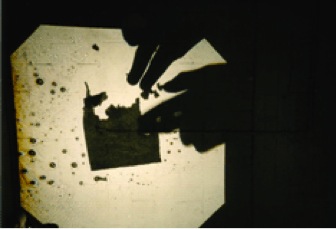
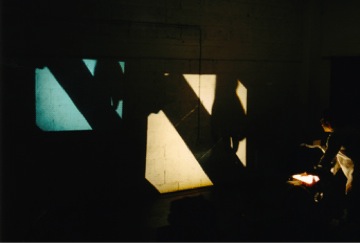
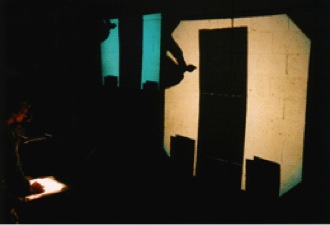 Homage to Marcel Ducham (Toilette Paper and Overhead Projector
Potiemkin Village (Kfar Potiomkin) – Homage to Joao Delgado (1921-1976)
Potiemkin Village, sala-manca’s new performance, is based on the writings of the Portuguese poet and artist Joao Delgado. Delgado, who “disappeared” in the beginnings of the last military dictatorship in Argentina (1976), was one of the most interesting and important marginal artists in South America.
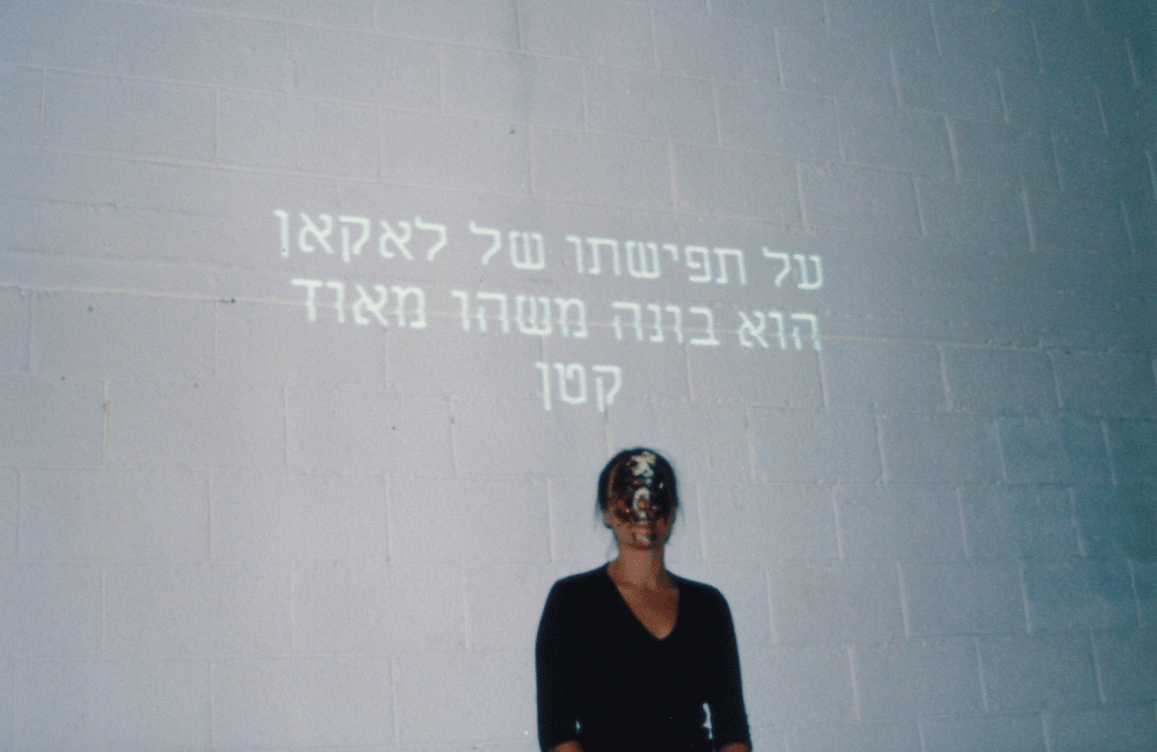
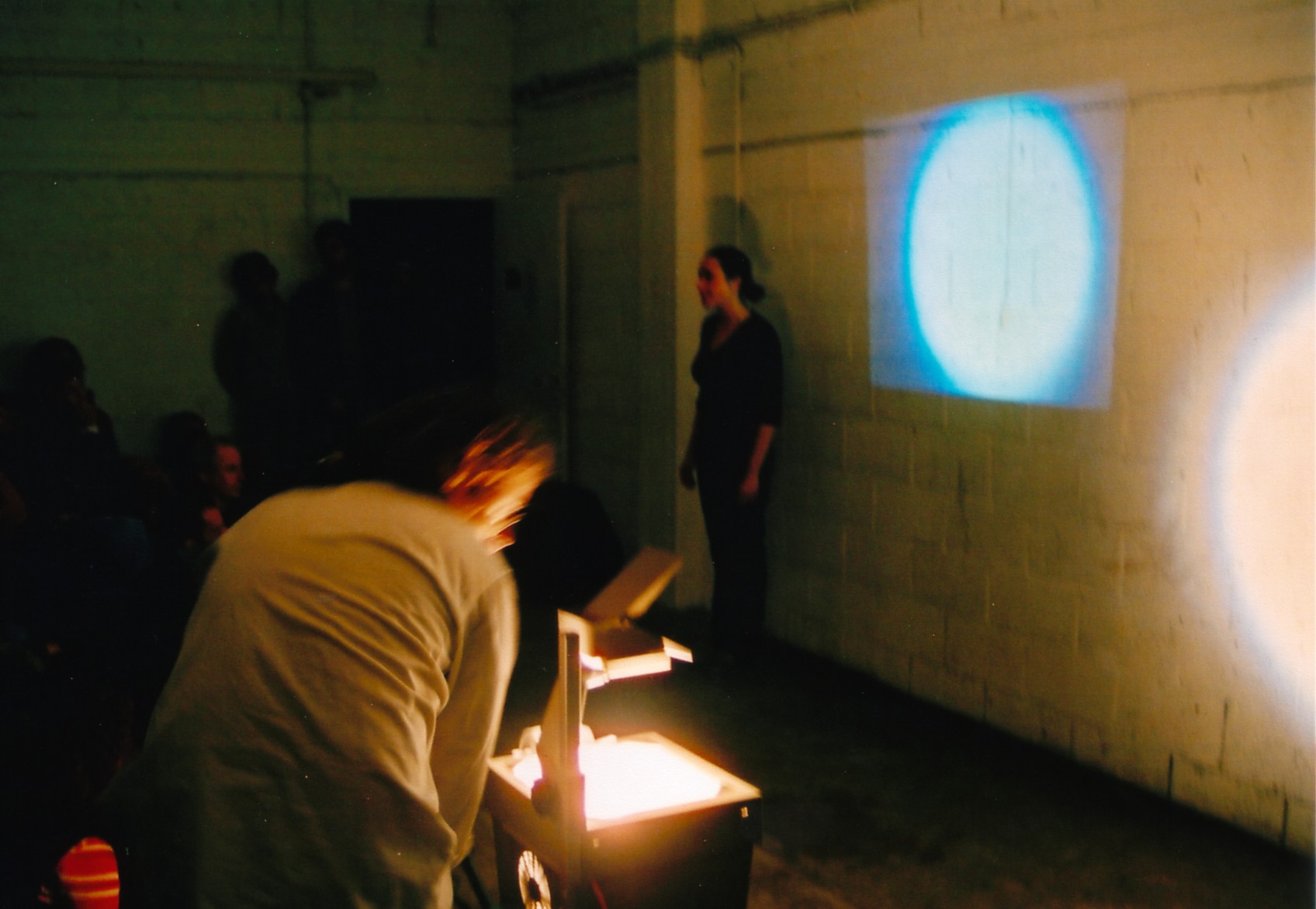
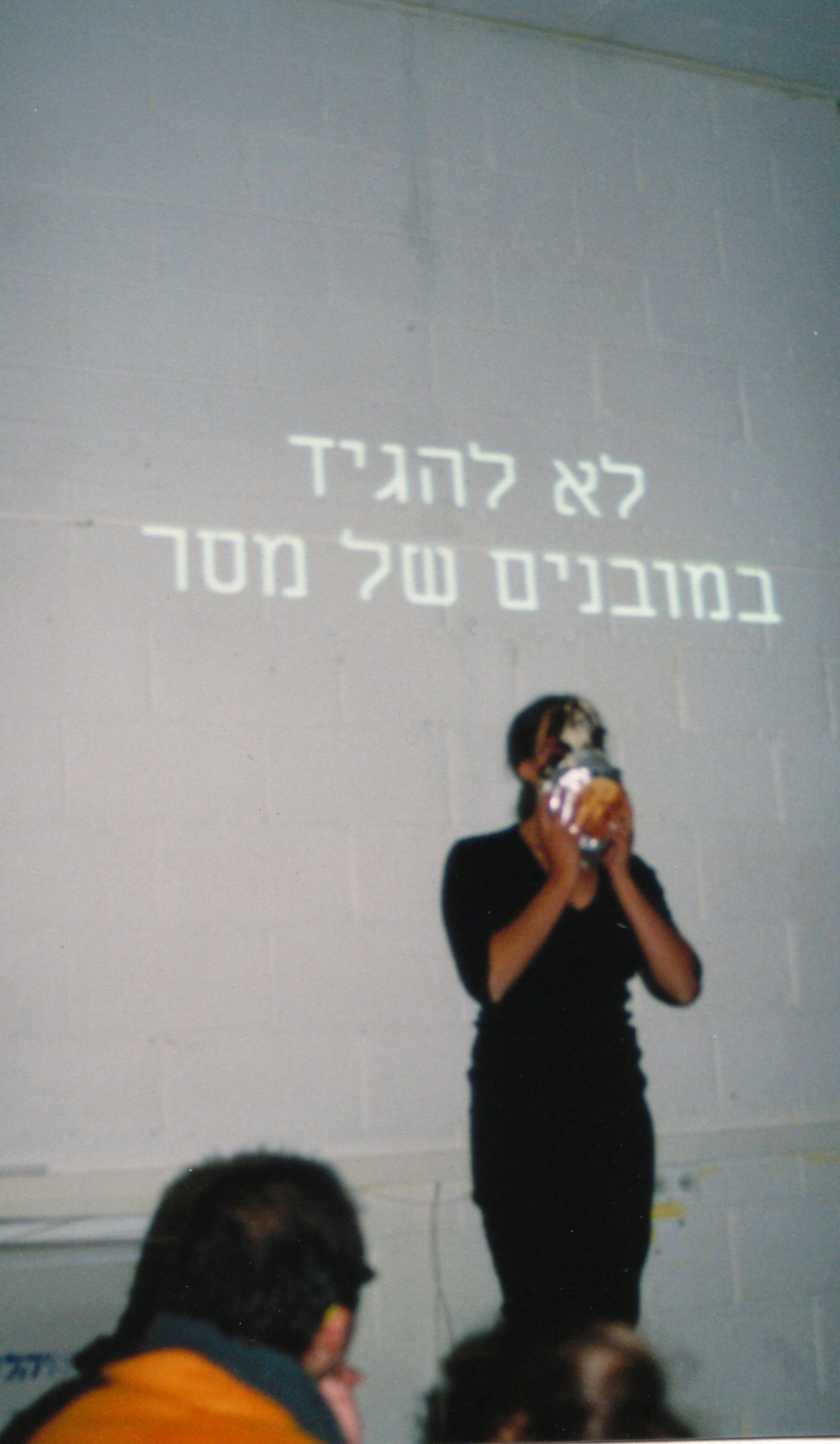 Potiemkin Village, the last and unfinished work of Delgado, is named after the term “Potiemkin Village”, which means trickery, a magnificent façade that was built in order to cover a shameful and unwished situation. This term is based on historical facts: In 1786, Katherine the Great organized a cruise in order to celebrate the conquest of the Turkish lands situated North to the Black Sea. At the approach of the cruise the General Potiemkin ordered the building of villages along the rivers of South Russia. Many passengers noticed that the thousands of villages were but virtual; a theatrical, decorative and spectacular trick intended to impress the passengers and to justify the conquest. According to the version of Delgado, in order to present a purified and festive image the General Potiemkin “cleaned” those areas from handicapped, insane persons, beggars, and independent artists. Potiemkin sent them to the last ship of the cruise and organized a show on board the last day. The show became an open opposition to the aristocracy. It was named “Potiemkin Village”
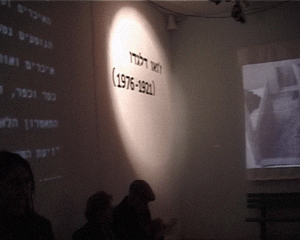
The Potiemkin Village of Delgado tried to recapture the spirit of the historical performance while breaking conventions of acting and watching of his times. The performance was both a sharp criticism of the country situation of those days and a silent call to a fierce arising.
Sala-manca found appropriate to reconstruct and readapt that performance and to base it on the themes that Delgado developed. Those themes are adapted by sala-manca through the mise en scene of a tour in the different rooms of the “Hazira”, during which the power relations of the spaces change.
The traditional auditorium is weakened by the emphasis on the minor spaces. The stations of the tour are meant to announce the dissolution of the performance.