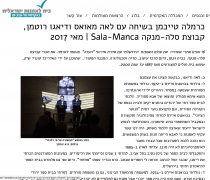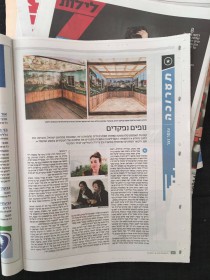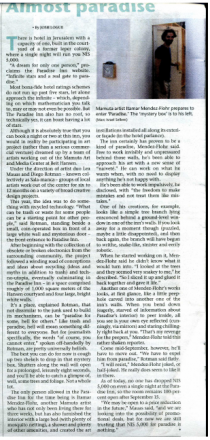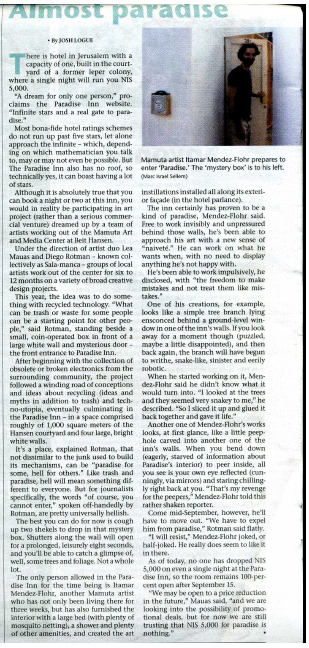
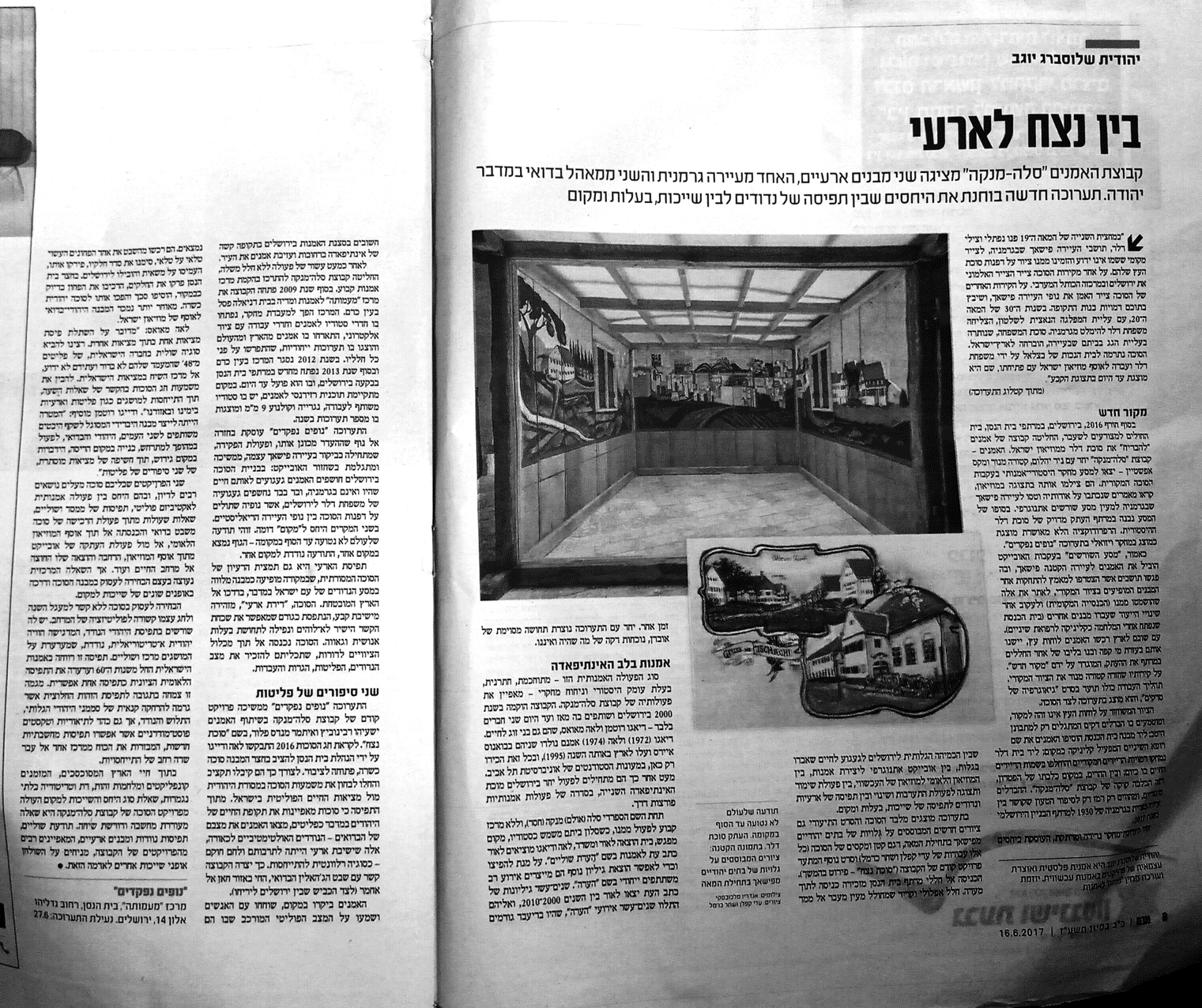
Yehudit Shlosberg-Yogev, “Between Eternal and Temporal”, Musaf Shabat, Mekor Rishon, 16.6.2017
WordPress database error: [DELETE command denied to user 'sala-manca'@'localhost' for table `sala_manca_net`.`wp_options`]DELETE FROM `wp_options` WHERE `option_name` = '_site_transient_wp_theme_files_patterns-3e81fb819c0831df69203ee558a709b9'
WordPress database error: [DELETE command denied to user 'sala-manca'@'localhost' for table `sala_manca_net`.`wp_options`]DELETE FROM `wp_options` WHERE `option_name` = '_site_transient_timeout_wp_theme_files_patterns-3e81fb819c0831df69203ee558a709b9'
WordPress database error: [INSERT, UPDATE command denied to user 'sala-manca'@'localhost' for table `sala_manca_net`.`wp_options`]INSERT INTO `wp_options` (`option_name`, `option_value`, `autoload`) VALUES ('_site_transient_timeout_wp_theme_files_patterns-3e81fb819c0831df69203ee558a709b9', '1792702850', 'off') ON DUPLICATE KEY UPDATE `option_name` = VALUES(`option_name`), `option_value` = VALUES(`option_value`), `autoload` = VALUES(`autoload`)
WordPress database error: [INSERT, UPDATE command denied to user 'sala-manca'@'localhost' for table `sala_manca_net`.`wp_options`]INSERT INTO `wp_options` (`option_name`, `option_value`, `autoload`) VALUES ('_site_transient_wp_theme_files_patterns-3e81fb819c0831df69203ee558a709b9', 'a:2:{s:7:\"version\";s:3:\"4.0\";s:8:\"patterns\";a:0:{}}', 'off') ON DUPLICATE KEY UPDATE `option_name` = VALUES(`option_name`), `option_value` = VALUES(`option_value`), `autoload` = VALUES(`autoload`)
WordPress database error: [INSERT, UPDATE command denied to user 'sala-manca'@'localhost' for table `sala_manca_net`.`wp_options`]INSERT INTO `wp_options` (`option_name`, `option_value`, `autoload`) VALUES ('_transient_doing_cron', '1792701050.6980829238891601562500', 'on') ON DUPLICATE KEY UPDATE `option_name` = VALUES(`option_name`), `option_value` = VALUES(`option_value`), `autoload` = VALUES(`autoload`)
Yehudit Shlosberg-Yogev, “Between Eternal and Temporal”, Musaf Shabat, Mekor Rishon, 16.6.2017
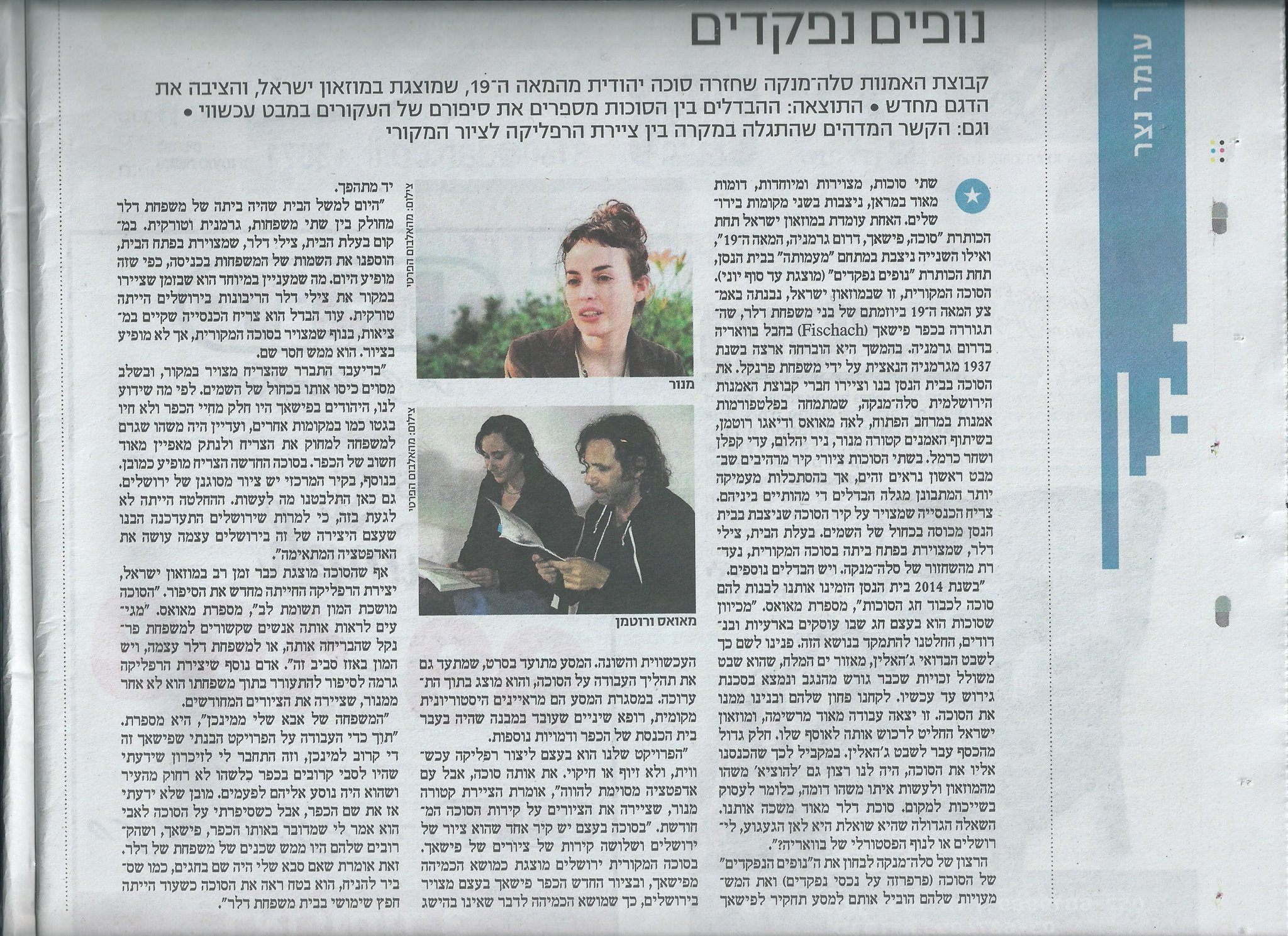
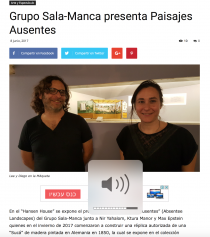
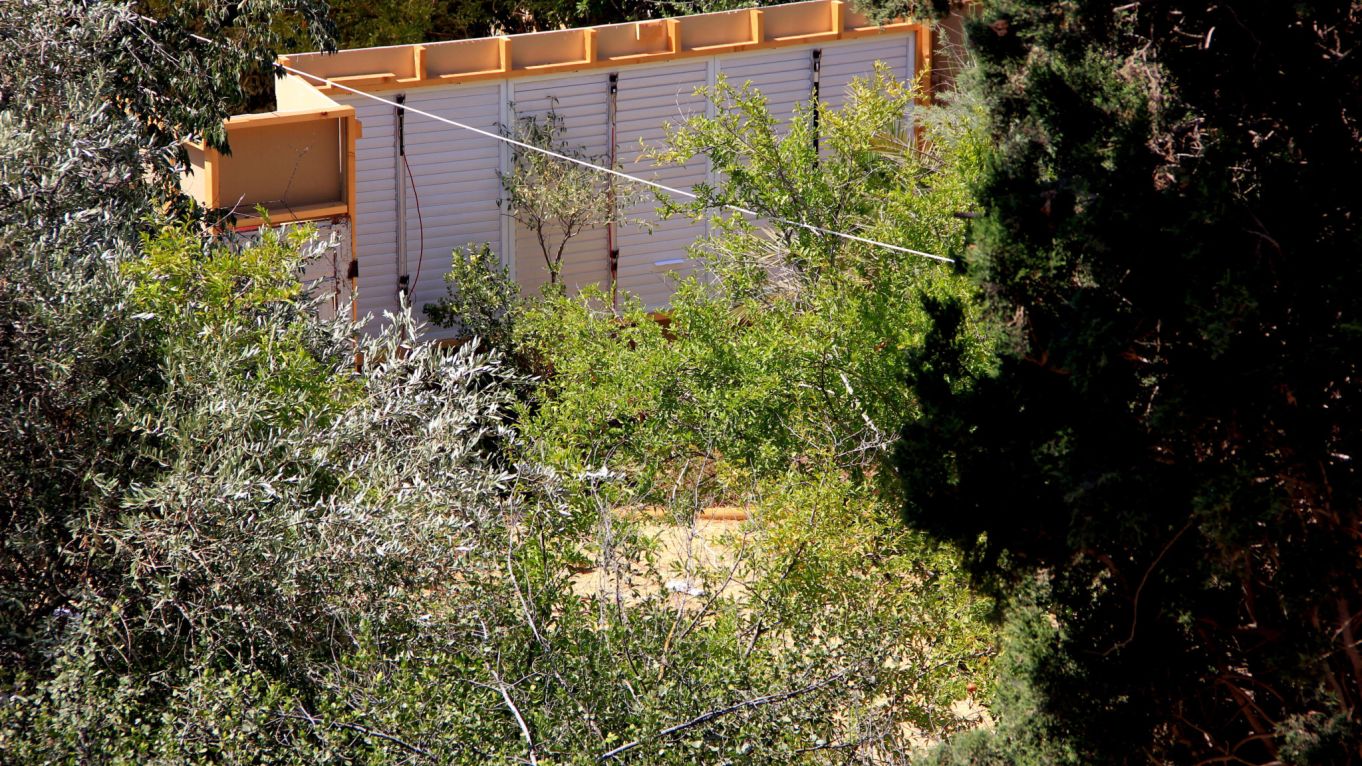
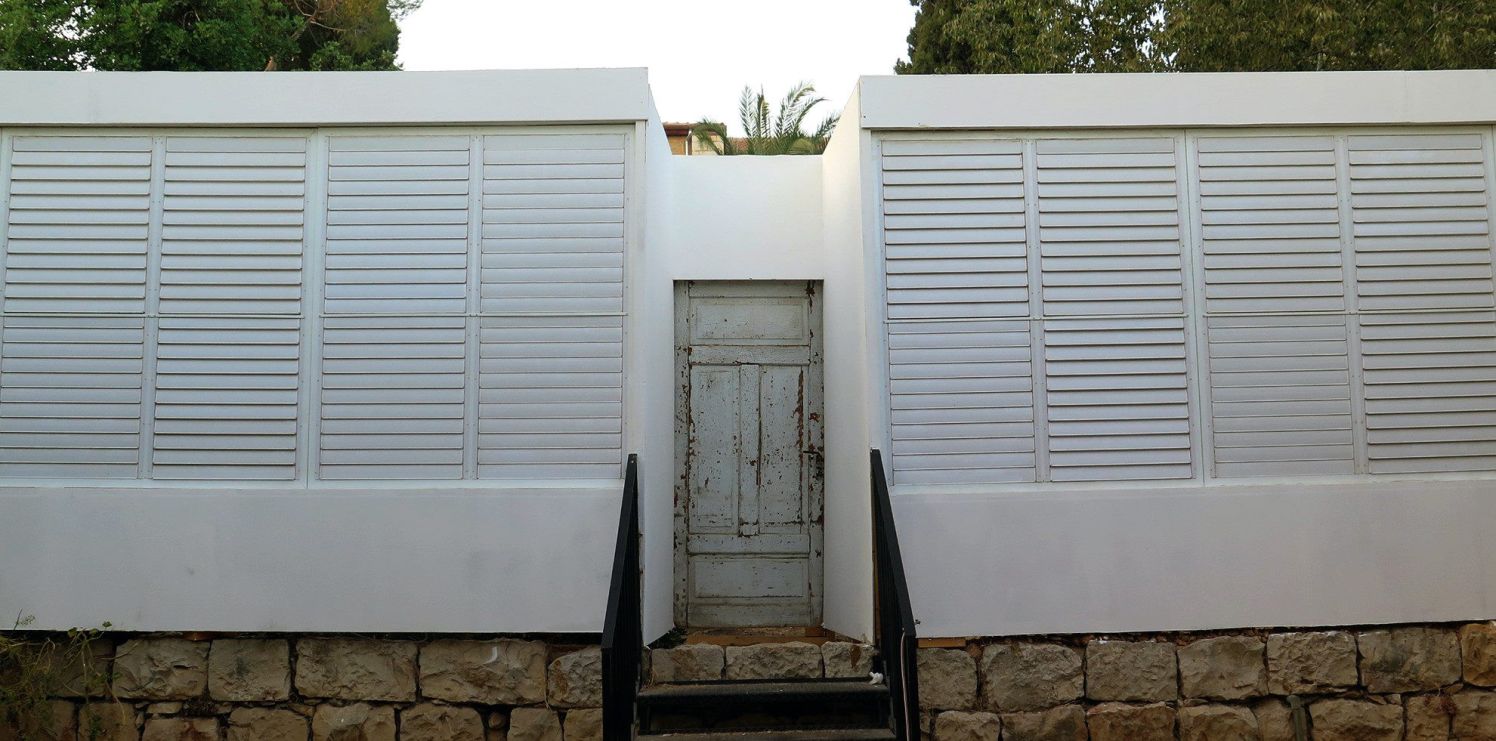
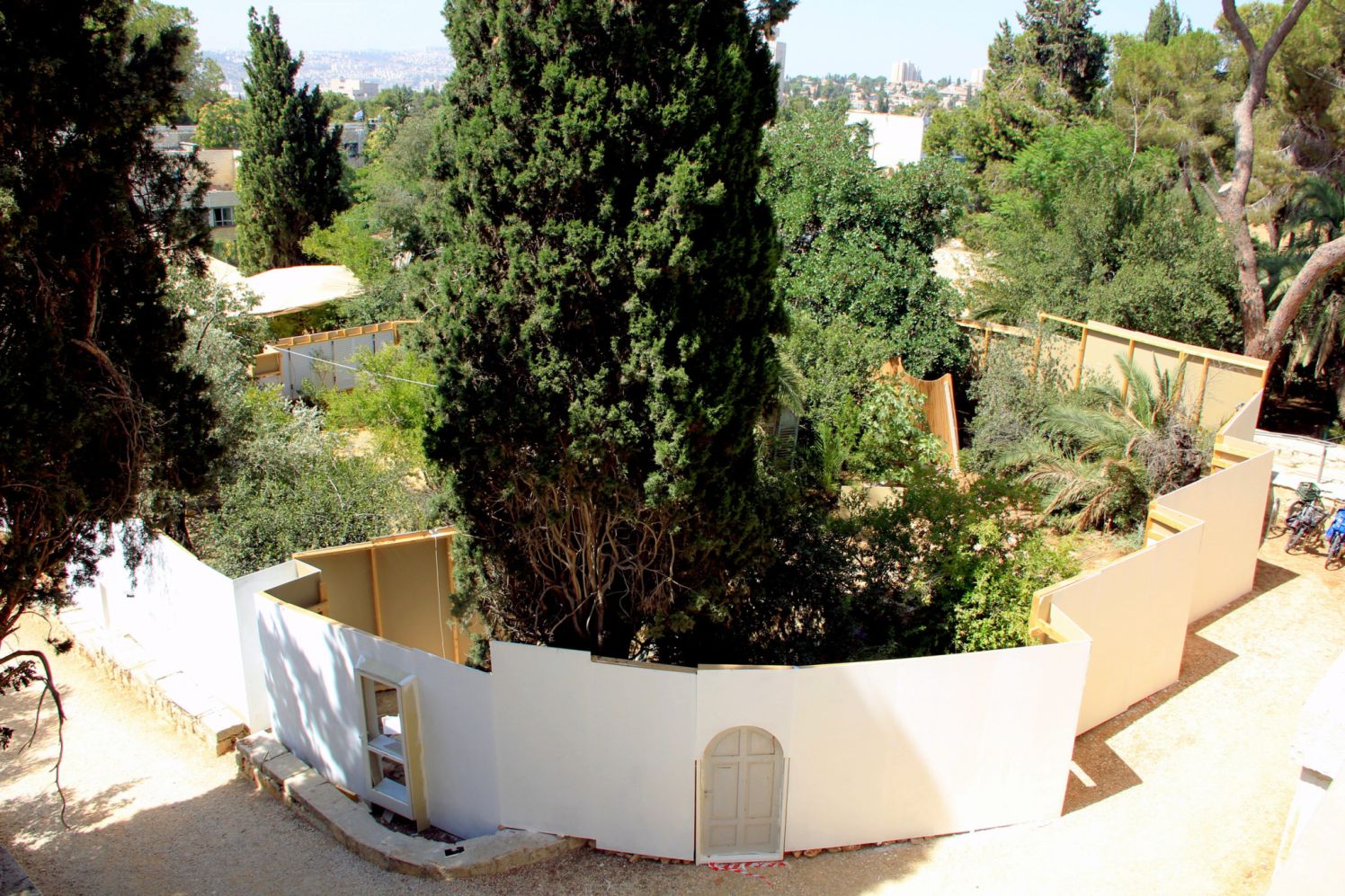
En el “Hansen House” se expone el proyecto titulado “Paisajes Ausentes” (Absentee Landscapes) del Grupo Sala-Manca junto a Nir Yahalom, Ktura Manor y Max Epstein quienes en el invierno de 2017 comenzaron a construir una réplica autorizada de una “Sucá” de madera pintada en Alemania en 1850, la cual se expone en el colección permanente del Museo de Israel como “La Sukka Deller”, nombre de la familia que la creó. Los artistas fotografiaron el original, estudiaron el tema y viajaron a Fischach en Baviera, donde el original había sido construido y salvado de los nazis. Durante la visita lograron reunir otros datos históricos y actuales y de acuerdo a ello crearon una réplica más completa que la original del museo. La que está en exhibición en la exposición en el Hansen House, donde se puede ver un documental.
Sala-Manca es un grupo independiente fundado en el 2000 por dos artistas de origen argentino Lea Mauas y Diego Rotman que realizan gran variedad de creaciones usando nuevos medios de comunicación. Sus ingeniosas obras se centran en el proceso de traducción de actividades culturales y sociales a un contexto visual y textual, enfatizando el compromiso constante con temas políticos y sociales.
En 2009 el Grupo fundó el Centro Mamuta de Arte y Medios de Comunicación. Lea y Diego nos cuentan que este proyecto surgió como una necesidad de intercambio con el Museo Israel en el que se expone la “Suka Lanetzach” (Cabaña para la eternidad) creada en el 2014 por Sala-Manca, la restauración de una estructura que servía de hogar a una familia beduina convertida en una cabaña representante del tema de escasez de vivienda y que sirve para un diálogo político. Logró un gran significado a nivel artístico social y fue adquirida por el Museo Israel donde aún se exhibe.■
Link: http://aurora-israel.co.il/grupo-sala-manca-presenta-paisajes-ausentes/
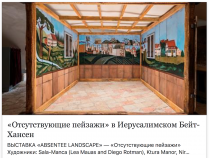
ВЫСТАВКА «ABSENTEE LANDSCAPE» — «Отсутствующие пейзажи»
Художники: Sala-Manca (Lea Mauas and Diego Rotman), Ktura Manor, Nir Yahalom, Adi Kaplan and Shahar Carmel
Текст: Наталья Копелянская
Новый проект кураторской группы Леи Мауас и Диего Ротмана (Sala-Manca Group) посвящен созданию несанкционированной (подчеркивается кураторами) реплики сукки Деллера. Сукка — важный образ для Sala-Manca Group, первая еврейско-бедуинская Вечная сукка (2014), созданная ими в сотрудничестве с Итамаром Мендес-Флором и Иешиягу Рабиновичем, сегодня находится в коллекции музея Израиля.
Новый проект посвящен темам и вопросам пространственных метафор, метагеографии, проблеме вынужденного переселения и его сочетания с кочевьем как религией, собственности и идентичности, воображаемому и реальному пейзажу.
В 2017 году кураторы Sala-Manca в сотрудничестве с художниками Ниром Яхаломом и Ктурой Манор запустили проект по исследованию и несанкционированное воспроизведению сукки Деллера, что повлекло за собой всестороннее исследование ее истории, поездку по городу Фишах и целую серию работ по адаптации материала.


Нафтали и Цили Деллер — немецкие евреи из города Фишах в Баварии — заказали местному художнику украсить стены их большой деревянной сукки. Так художник изобразил Иерусалим с центром в виде Стены плача, сделав копию с литографии Йозефа Шварца (1804-65) — еврейского ученого, географа и художником, уехавшего в Иерусалим в 1833 году. На других стенах сукки художник нарисовал условные городские пейзажи Фишаха, вписав в них важных персон, например, Цили Деллер и покровителя города. Так был создано идиллическое воображаемое пространство и пейзаж, где по одной стене шли немецкие пасторальные виды, а по другой — Святая Земля с центром в Иерусалиме.
Зафиксировано, что сын этой четы — Абрахам Деллер — и его жена Софи каждый год устанавливали семейную реликвию во дворе собственного дома в Германии, вплоть до прихода нацистов к власти. В 1930-е года семья бежала, а в 1937-м году Берта Браха Френкель-Артной всеми правдами и неправдами вывезла сукку в Палестину. Так она попала в коллекцию музея Бецалель и потом в собрание Музея Израиля. Сегодня ее можно увидеть в постоянной экспозиции музея.
Зачем надо было воспроизводить сукку еще раз, если оригинал и так хранится в Иерусалиме? По замыслу кураторов и художников воспроизведение сукки в том же реальном городе, который был изображен на ее стенах как воображаемый идиллический пейзаж, трансформирует все историю Фишаха, меняет ракурс: от изображения простой местной пасторали к жизни, которой больше не существует, к тоске местной диаспоры по Иерусалиму и чувству сопричастности и собственности.
В новой версии сукки художники не только изменили концепцию и отношение к изображенному пейзажу, но также размер и материалы. Она сделана не из тяжелого дерева, а их искусственного материал ламината, ее размеры «подогнаны» под выставочное пространство.
Помимо реплики, на выставке представлена проектная документация — фильм о поездке кураторов в город Фишах, и серия работ Ади Каплана и Шахар Кармель: модель расписной сукки, серия масляных и пастельных картин, а также репродукции открыток того периода и литографии Йозефа Шварца.
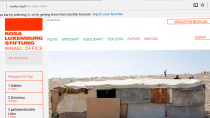
Text about the Eternal Sukkah project translated into German by the Rosa Luxemburg Stiftung, who are kindly supporting the edition of the Ethnographic Department of the Museum of the Contemporary. (for the entire article click here)
Die ewige Sukka – Rosa Luxemburg Stiftung Israel
Die Einladung
Im Jahr 2014 lud der Leiter des „Hansen House. Center for Art, Design and Technology“ die KünstlerInnen der Sala-Manca-Gruppe ein, eine öffentliche Sukka für das Laubhüttenfest zu errichten. Die Sala-Manca-Gruppe beschloss, sich gemeinsam mit den Künstlern Itamar Mendes-Flohr und Yeshaiahu Rabinowitz näher mit der Bedeutung der Sukka im israelischen Kontext zu befassen und ihren temporären Charakter sowie die Verbindung zum Exil zu betonen. Man könnte, so die Auffassung der KünstlerInnen, die IsraelitInnen in der Wüste als frühe Flüchtlinge verstehen und ihre Sukkot, also ihre einfachen Behausungen, als Flüchtlingslager.
Die erste Frage, die sich nun stellte, war, wie man eine „authentische“ Hütte aus einem der heutigen Flüchtlingscamps in Israel/Palästina nach Jerusalem bringen könnte, und die zweite, wie man diese in eine koschere und „authentische“ Sukka verwandeln könnte.
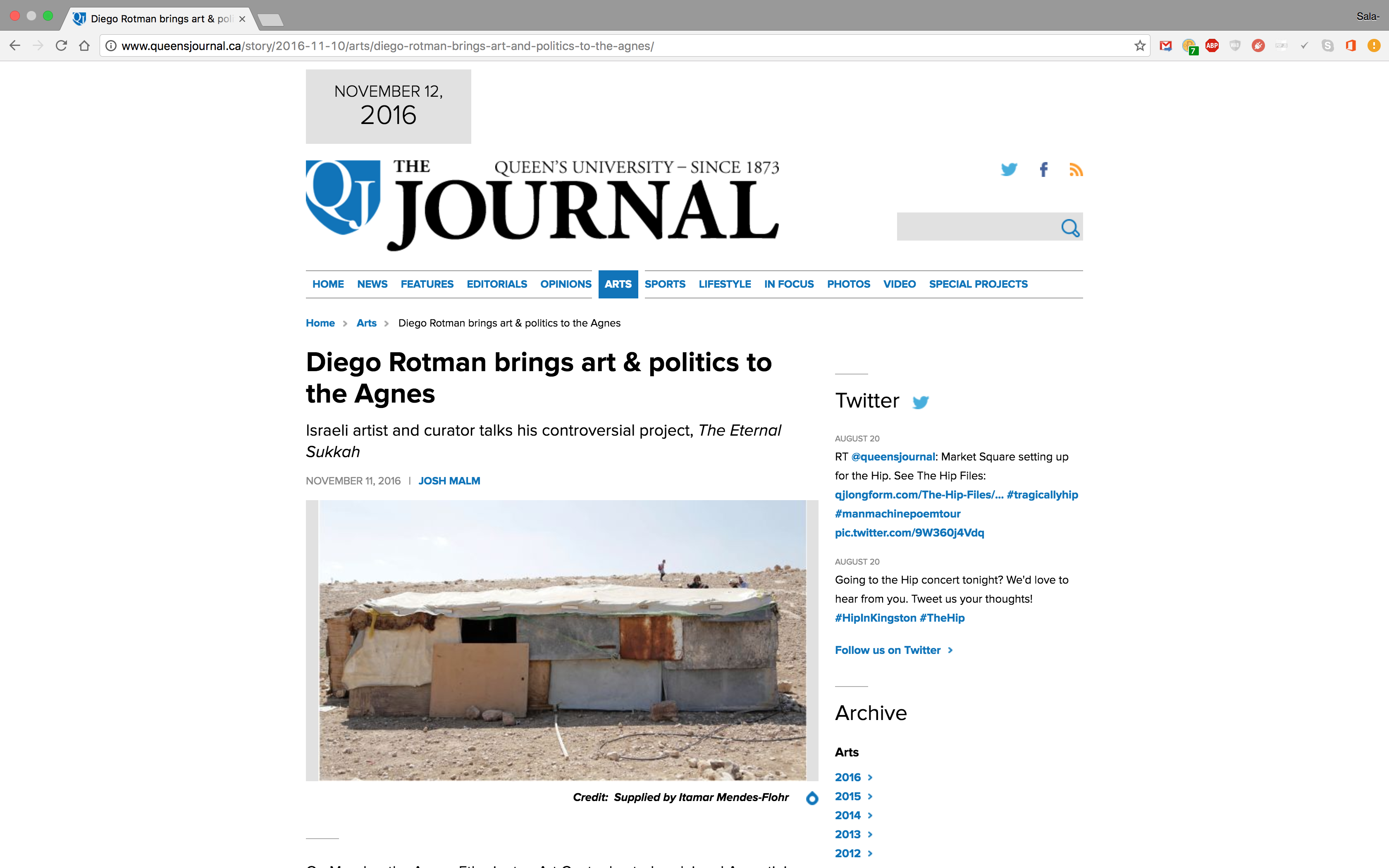
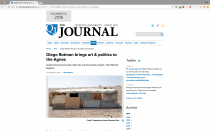
Queen’s Journal, 11.11.16, by Josh Malm
“On Monday, the Agnes Etherington Art Centre hosted acclaimed Argentinian-Israeli artist Diego Rotman, as he delivered a thought-provoking presentation on his latest project, The Eternal Sukkah.
Rotman, an academic, interdisciplinary artist and curator, has a particular interest in performance practices that engage local historiography, folklore research, art politics and Jewish culture.
In 2014, Rotman and fellow Israeli artist Lea Mauas built a sukkah (a Jewish ritual and dwelling), inspired by a Bedouin tent-like home common to those who live in the desert. This became their work, entitled, The Eternal Sukkah, representing Bedouin nomadic culture in the context of modern day refugees.”
[to see the entire article visit here]
A review (in Spanish) about the conversation we had with Alexandre Roig and organized by Renato Fumero for the San Martin University at the Buenos Aires international book fair last Sunday.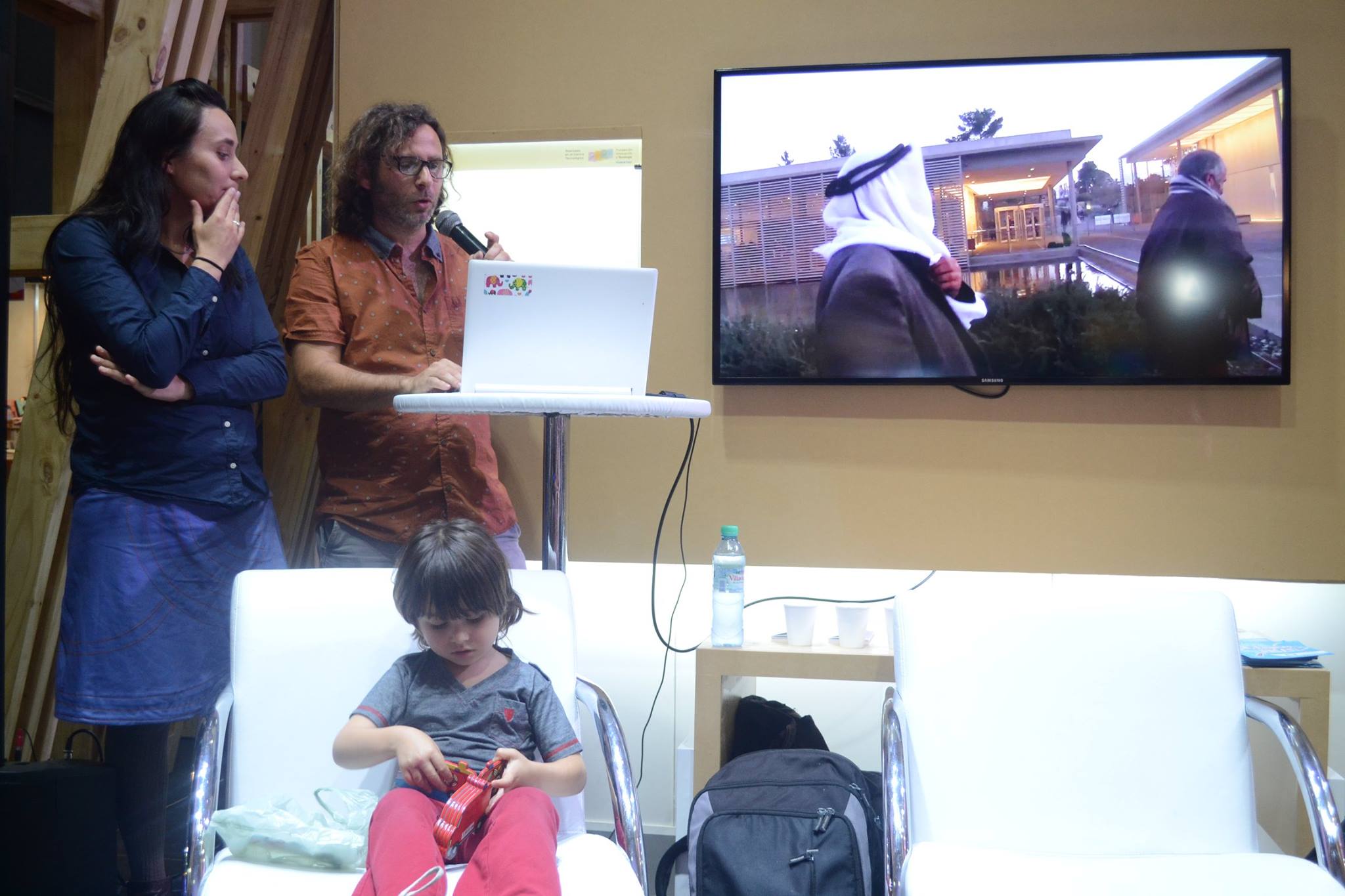
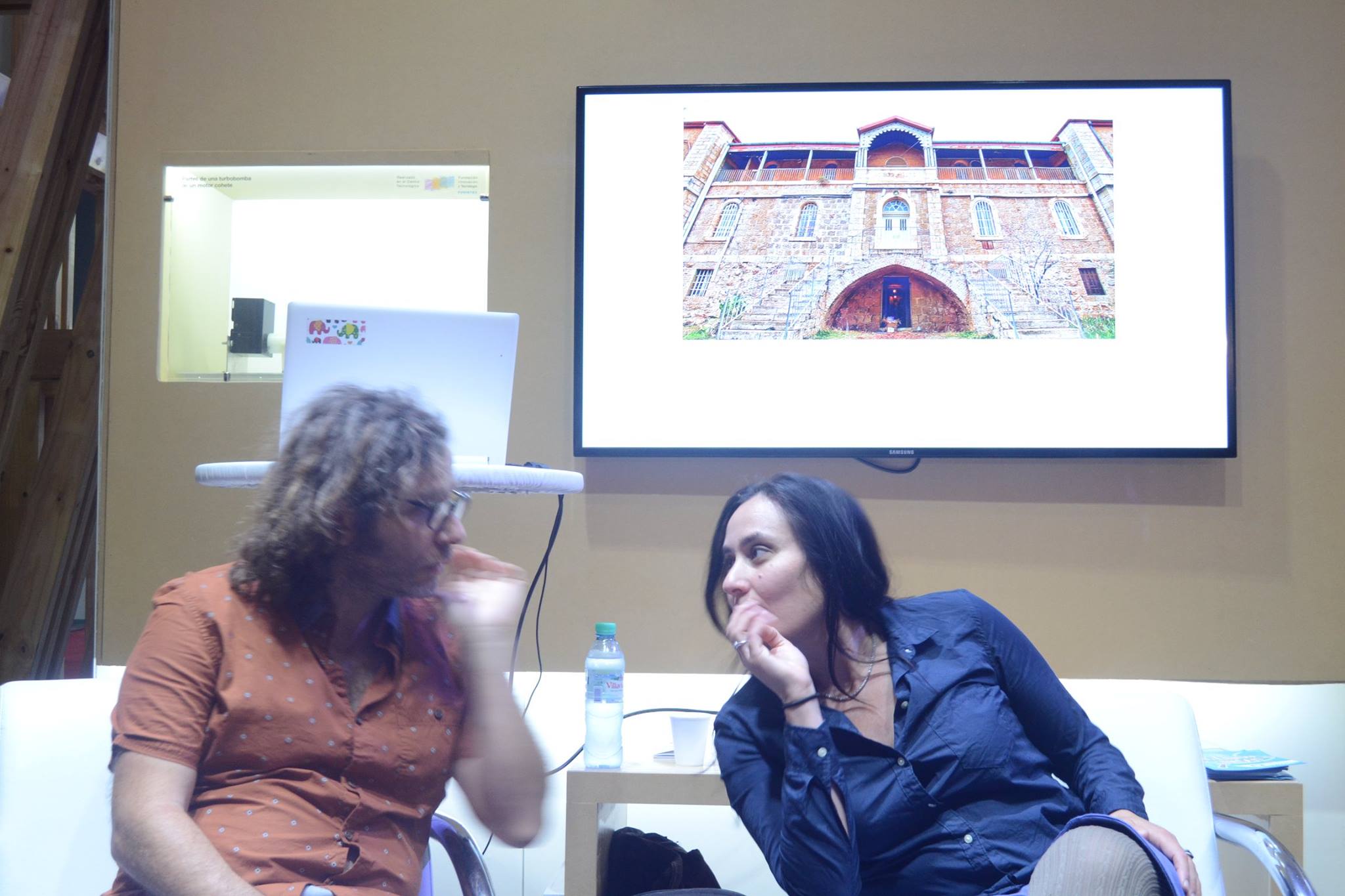
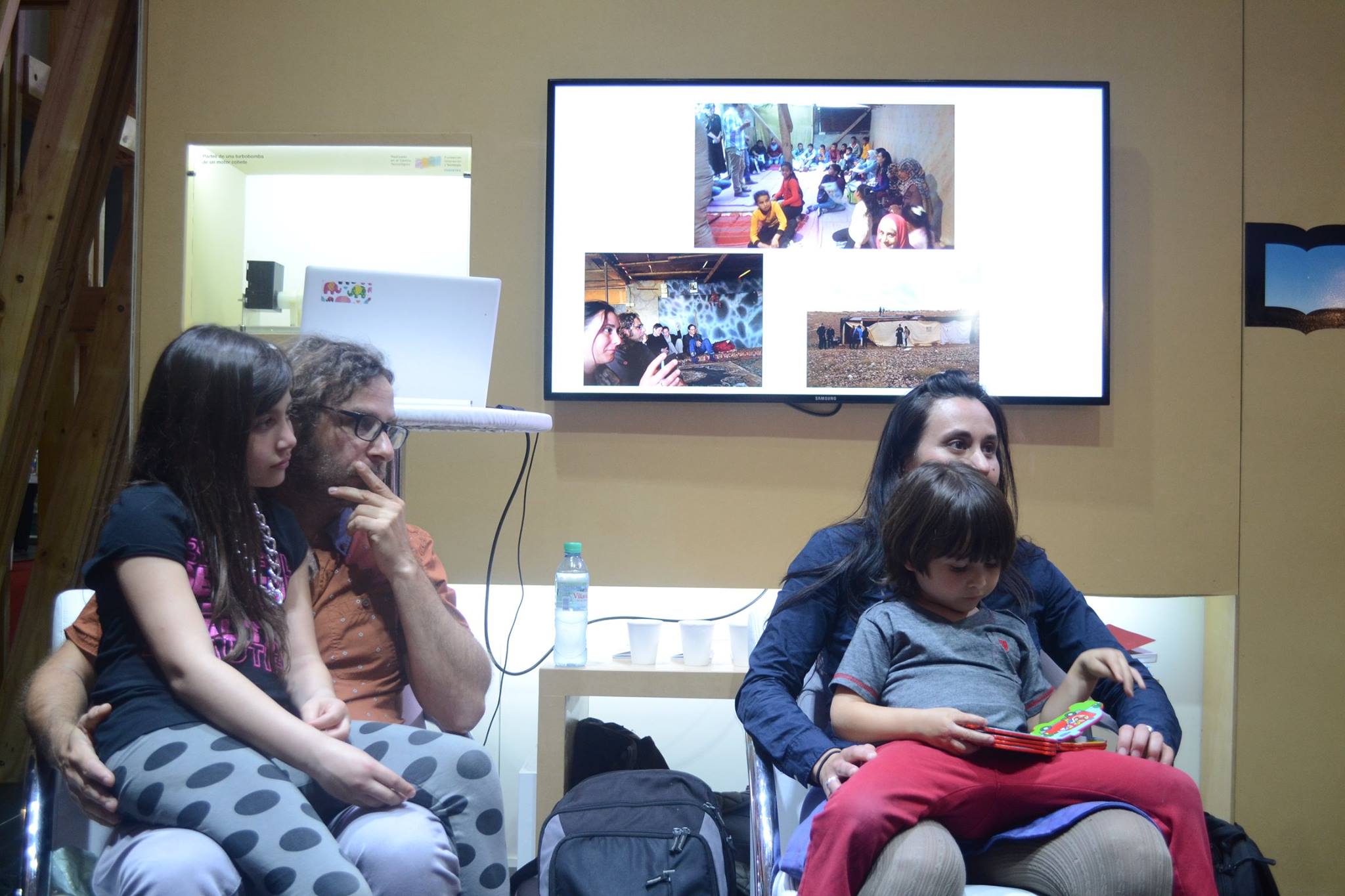
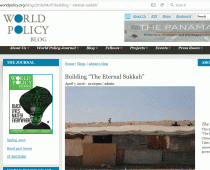
Link to the article by Graham Lawson
About the W orld Policy Institute:
“The World Policy Institue was founded in New York City in 1961 as the Fund for Education Concerning World Peace through World Law, the World Policy Institute has its origins in the post-World War II movement of moderate internationalists. From 1991-2007, the Institute was part of The New School, a New York City university. In 2007, the World Policy Institute was re-incorporated as a free-standing institution, which works in active collaboration with like-minded organizations around the world. In January 2009, Foreign Policy magazine ranked WPI as the 16th most influential US think tank, out of 1777 in the United States and 5465 worldwide.”
Response letter by Lea Mauas and Diego Rotman to the art critic in Haaretz, published a month ago. Translation into English soon…
Link to the on-line response in Haaretz
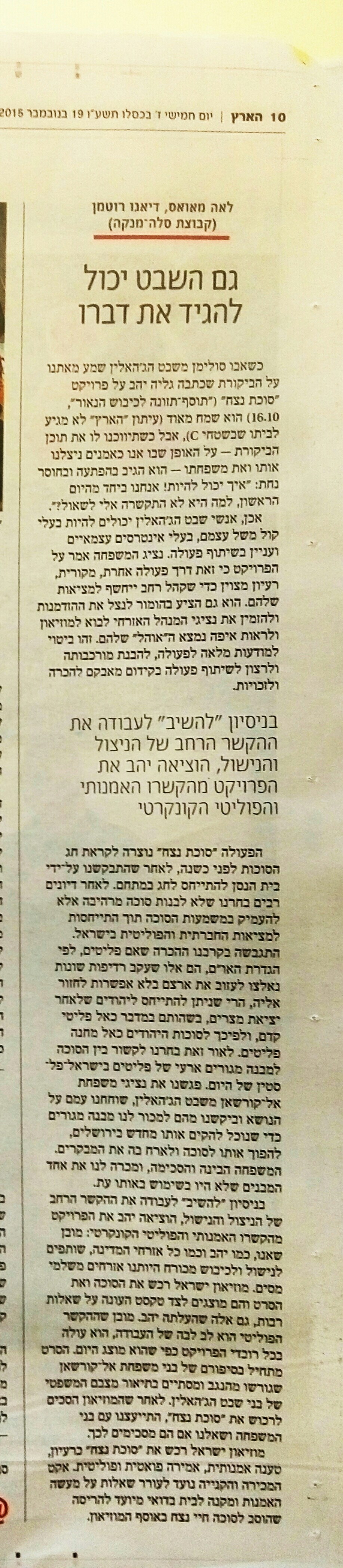 כשאבו סולימן משבט הג’האלין שמע מאיתנו על הביקורת של גליה יהב על הפרויקט “סוכת נצח” הוא שמח מאוד, אבל כשתיווכנו לו את תוכן הביקורת – על האופן שבו אנו כאמנים “ניצלנו אותו ואת משפחתו” – הוא הגיב בהפתעה: ״איך יכול להיות!, אנו ביחד מהיום הראשון.
למה היא לא התקשרה אלי לשאול?״
אכן, אנשי שבט הג’האלין יכולים להיות בעלי קול, בעלי אינטרסים עצמאיים ובעלי עניין בשיתוף פעולה. נציג המשפחה טען על הפרויקט כי זאת דרך פעולה אחרת, מקורית, רעיון מצוין כדי שקהל רחב ייחשף למציאות שלהם. הוא אף הציע בהומור להזמין את נציגי המנהל האזרחי האחראים להרס הבתים לבוא למוזיאון לראות איפה נמצא ה״אוהל״ שלהם.
זהו ביטוי למודעות מלאה לפעולה, להבנת מורכבותה ולרצון לשיתוף פעולה למען קידום מאבקם להכרה ולזכויות.
“סוכת נצח” נוצרה לקראת חג הסוכות 2014, לאחר שהתבקשנו על-ידי בית הנסן להתייחס לחג במתחם. בחרנו שלא לבנות סוכה מרהיבה אלא להעמיק במשמעות הסוכה תוך התייחסות למציאות החברתית והפוליטית בישראל. התגבשה בקרבנו התפישה שאם פליטים הם אלו שעקב רדיפות שונות נאלצו לעזוב את ארצם בלא אפשרות לחזור אליה, הרי שניתן להתייחס ליהודים שלאחר יציאת מצרים כאל פליטי קדם, ולסוכות היהודים כאל מחנה פליטים. לאור זאת בחרנו לקשור בין הסוכה למבנה מגורים ארעי של פליטים של היום. פגשנו נציגים ממשפחה משבט הג’האלין, שוחחנו עימם על הנושא וביקשנו מהם למכור לנו מבנה מגורים כדי שנוכל להקים אותו מחדש במרכז ירושלים, להפוך אותו לסוכה ולארח בה את המבקרים. המשפחה הבינה, הסכימה, ומכרה לנו אחד המבנים שלא היו בשימוש באותו עת, כפי שצוין בסרט. המבנה שוחזר, הוחלף בו הגג עם סכך והקמנו סוכה כשרה. ערכנו אירועים במהלך סוכות שעסקו בין היתר במעמד הג’האלין ובסוגיית הדיור הציבורי. בעקבות אפשרות הרכישה של העבודה על ידי המוזיאון, התייעצנו עם בני המשפחה ושאלנו אותם אם הם מסכימים לכך. הראינו להם את הסרט וערכנו איתם דיון לפני שזה הוצג במוזיאון.
מוזיאון ישראל רכש את הסוכה ואת הסרט, והם מוצגים לצד טקסט העונה על שאלות רבות, גם אלה שיהב העלתה ולא הצליחה לענות. מובן שההקשר הפוליטי הוא לב לבה של העבודה, הוא עולה לא רק באמצעות האובייקט אלא בכל רובדי הפרוייקט כפי שהוא מוצג היום. הסרט מתחיל בסיפורם בקולם של גירוש של בני הג’האלין מהנגב, מראה את האירוח בסוכה ומסתיים בתיאור מצבם המשפטי של בני השבט היום.
בניסיון “להשיב” לעבודה את ההקשר הרחב של הניצול והנישול, הוציאה יהב את הפרויקט מהקשרו האמנותי והפוליטי הקונקרטי: מובן שאנו, כמו יהב וכמו כל אזרחי המדינה, שותפים לכיבוש מכורח היותנו אזרחים משלמי מסים, בין אם אנו מוחים נגדו ובין אם אנו אדישים ביחס אליו.
מוזיאון ישראל רכש את ״סוכת נצח״ כרעיון, טענה אמנותית, אמירה פואטית ואמירה פוליטית. אקט המכירה והקנייה נועד לעורר שאלות על מעשה האמנות, על תפקידו של המוזיאון בחברה ומקנה לבית בדואי מיועד להריסה שהוסב לסוכה חיי נצח באוסף המוזיאון.
|
| In July 2014 Diego Rotman and Lea Mauas, two Israeli artists who operate under the alias Sala-manca, began a process that involved the purchase of a Beduin house, the materials of which they intended to use for the building of a succa.The structure came to be named “The Eternal Succa” and was recently acquired by the Israel Museum. |
for the enitre artice:
on-line:
http://www.jpost.com/Israel-News/Culture/Building-The-Eternal-Succa-415620
pdf:
A comment on the Sukkah project in dutch bY Jacqueline Grandjean directeur en curator Oude Kerk, Amsterdam): “Sala-Manca is het enige onafhankelijke kunstenaarsplatform van de stad, gevestigd in een voormalig leprozentehuis Jesus Hilfe in Jerusalem. Ideologie is om een actieve gemeenschap voor kunstenaars te creëren die zich in verbinding stellen met de maatschappij. Een van de meest geëngageerde projecten die de twee oprichters, Lea Mauas and Diego Rotman tonen is Eternal Sukkah (2014). Soekot, dat een vreugdevol feest is, wordt beschreven in de Tenach (de Hebreeuwse Bijbel), waarin de Israëlieten (en daarmee ook hun nakomelingen de Joden) wordt opgedragen dit feest elk jaar te vieren. Volgens de traditie bouw je een hut in de tuin, een Sukkkah, waar de maaltijd wordt genoten. In aanloop tot dit feest besloten de kunstenaars van Sala- Manca een loofhut te bouwen in de openbare ruimte. In het holst van de nacht trokken ze de woestijn in om de naar dit gebied verbannen Jehalin Bedoeïenen te bezoeken. De gemeenschap leeft hier een nomadisch bestaan sinds ze in 1949 van hun land in de Negev woestijn werd verdreven. De kunstenaars luisterden naar de verhalen van de bedoeïenen en besloten een van de zelfgebouwde hutten te kopen en te vervoeren naar Jerusalem. De ontmanteling vond ’s-nachts plaats om militair ingrijpen te voorkomen. De Jehalin is een volk op de vlucht, dus hun sobere onderkomen is in een aantal uur van de ene naar de andere plek te verplaatsen. De geadopteerde hut (Sukkah) biedt in de openbare ruimte van Jerusalem een perspectief op de Joodse geschiedenis en werpt een blik op de status van vluchteling. Het project legt op sympathieke wijze de diversiteit bloot van de harde realiteit van het leven in Israël en haar paradoxale geschiedenis.
Na het Loofhuttenfeest werd de hut afgebroken en genummerd en gecategoriseerd opgeborgen. Het Israël Museum toonde onlangs haar interesse in het project. Sala-Manca denkt momenteel na op welke manier deze manifestatie tot museumobject kan transformeren. Een ding staat vast: de Bedoeïenen profiteren mee van de verkoopsom van het werk. “
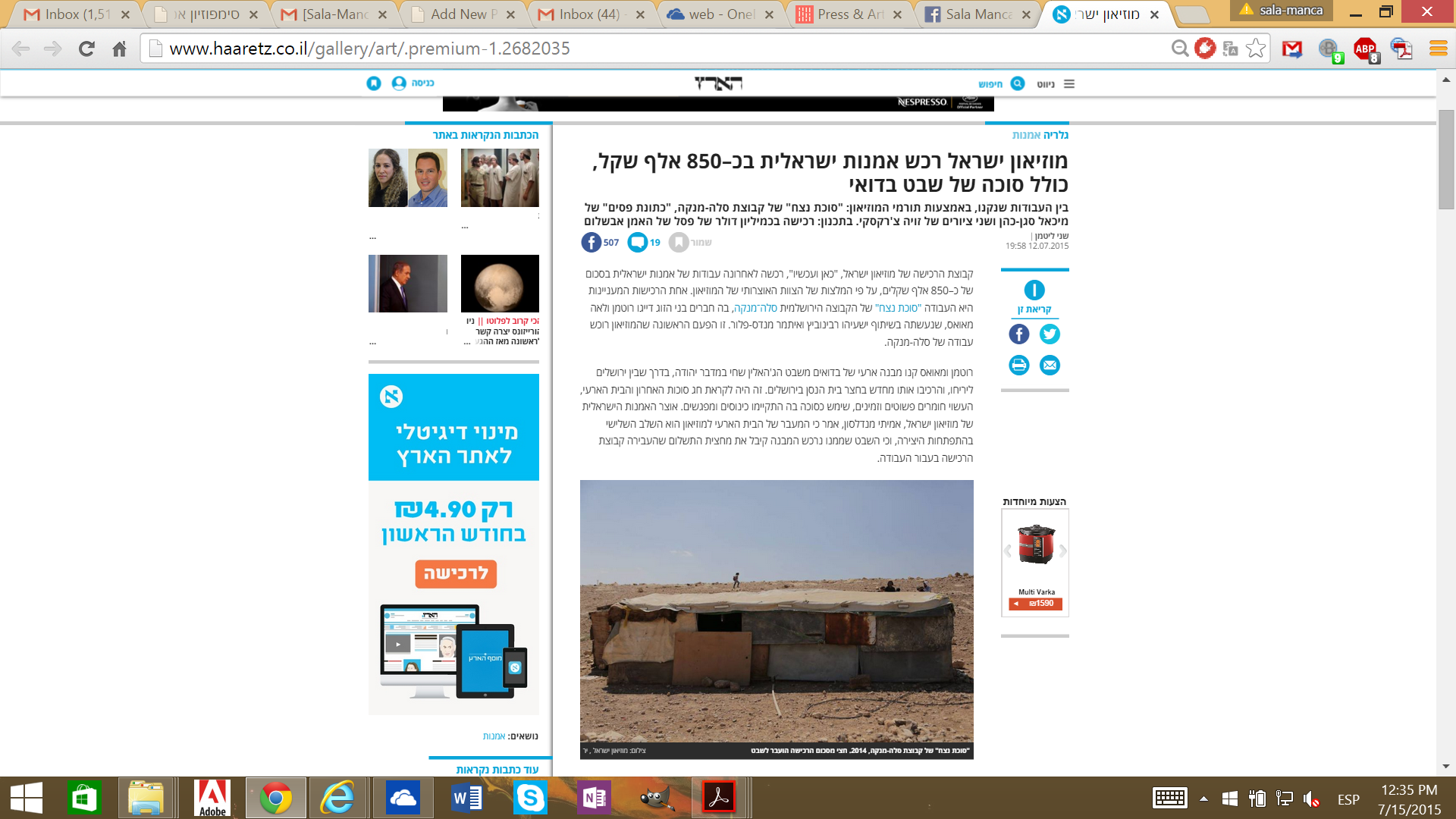
We are glad to announce that the “Eternal Sukkah” (a collaborative projecct by Sala Manca with Itamar Mendes-Flohr and Yeshaiahu Rabinovitz) was bought by the Israel Museum, Jerusalem for its permanent collection. Half of the sum is going to be paid to the Al-Korhan family.
for furthe info about the project: http://old.sala-manca.net/?p=99
from the Museum’s pr:
יצירה מיוחדת שנרכשה היא היצירה “סוכת נצח” של קבוצת סלה-מנקה (קבוצה שחברים בה דייגו רוטמן ולאה מאואס והיא פועלת בבית הנסן בירושלים) בשיתוף איתמר מנדס-פלוהר וישיעהו רבינוביץ. האמנים, העוסקים באמנות בעלת ממד מושגי, פוליטי וחברתי, רכשו מבנה ארעי של בדואים משבט הג’האלין שחי במדבר יהודה בדרך שבין ירושלים ליריחו והרכיבו אותו מחדש בחצר בית הנסן. הבית הארעי העשוי חומרים פשוטים ומזדמנים הפך בסוכות תשע”ה לסוכה שהתקיימו בה כינוסים ומפגשים. עתה המבנה – ששימש את הבדואים ואת הבאים למפגשים בסוכות בבית הנסן – יהפוך לחלק מאוסף המוזיאון. הטרנספורמציה שעבר המבנה, ממאהל בדואי לסוכה יהודית, ולבסוף ליצירת אמנות המוצגת במוזיאון, מציפה שאלות הנוגעות לפליטות, לקבלת האחר, לשינוי בייעוד ובמשמעות של אובייקט, ולסוגיית היחסים המורכבים שבין האמנות למציאות עכשווית.
from haaretz:
רוטמן ומאואס קנו מבנה ארעי של בדואים משבט הג’האלין שחי במדבר יהודה, בדרך שבין ירושלים ליריחו, והרכיבו אותו מחדש בחצר בית הנסן בירושלים. זה היה לקראת חג סוכות האחרון והבית הארעי, העשוי חומרים פשוטים וזמינים, שימש כסוכה בה התקיימו כינוסים ומפגשים. אוצר האמנות הישראלית של מוזיאון ישראל, אמיתי מנדלסון, אמר כי המעבר של הבית הארעי למוזיאון הוא השלב השלישי בהתפתחות היצירה, וכי השבט שממנו נרכש המבנה קיבל את מחצית התשלום שהעבירה קבוצת הרכישה בעבור העבודה.
מנדלסון הוסיף כי הוא עוקב אחרי פעילותה של הקבוצה כבר זמן רב, וכי “סוכת נצח” תוצג במוזיאון החל מחודש ספטמבר הקרוב. “הם עשו פה פעולה שיש בה ממד פוליטי מאוד וקשור לנושא של פליטות וליחס בין מרכז לפריפריה. יש בזה צדדים מעניינים מבחינה קונספטואלית וגם פוליטית. זה מהלך לא רגיל בשביל המוזיאון, זה דרש הסברים לקבוצת הרכישה — למה זה חשוב, למה זה אמנות — אבל זה מהלך עקרוני בעיני מבחינת המוזיאון”.
from globes:
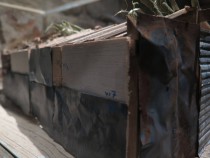
“”סוכת נצח” היא למעשה מבנה ארעי גדול של אוהל בדואי משבט הג’האלין. ההקבלה המפתיעה בין המאהל הבדואי לבין מושג הסוכה היהודי-ישראלי יוצרת הזרה, מדגישה את הפערים התרבותיים והחברתיים, ובו בזמן קושרת בין הרקע התנ”כי של המסורת לחיים העכשוויים. סוכת-נצח היא יצור כילאיים פרקטי, שבא לענות על צורך מודרני בייעול מנהגי החג – משחקי הסוכה. הכנסת האוהל למוזיאון, בהקשר אמנותי ולא אתנוגרפי, כמוה כהערה על יישוב השבטים הנודדים של הבדואים בכפרי קבע.
[[…] האמנים רכשו את האוהל משבט הג’האלין, שחי במדבר יהודה בין ירושלים ליריחו, וקיימו בו במהלך חג סוכות כינוסים ומפגשים. המבנה עשוי חומרים פשוטים ומזדמנים, והוא “הסתגל” לשינוי הייעוד שנכפה עליו – מבית בדואי ארעי, לסוכה יהודית ובסופו של דבר ליצירת אמנות במוזיאון. גלגוליו מעלים שאלות הנוגעות לקבלת האחר, לשינוי במשמעות ובפונקציה של אובייקט, ולסוגיית היחסים המורכבים שבין האמנות למציאות עכשווית.
For further info:
haaretz: http://www.haaretz.co.il/gallery/art/.premium-1.2682035
globes: http://www.globes.co.il/news/article.aspx?did=1001052896#FromSearchPage
museum website: http://www.imjnet.org.il/page_17605#herenow
המחלקה האתנוגרפית (תערוכה), המוזיאון של העכשווי, בית הנסן, ירושלים
 תערוכת האמנות המוצגת ב”מוזיאון של העכשווי” של קבוצת סלה-מנקה, נוצרה בהשראתה של המשלחת האתנוגרפית שהוביל ש. אנ-סקי בתחום המושב היהודי בשנים 1914-1912. אנ-סקי שגדל בסביבה מסורתית פנה לסוציאליזם מהפכני, חי עם פועלים רוסים, ובעקבות מהפכת 1905 ומפגשו עם ספרות יידיש המודרנית, גילה מחדש את המסורות העממיות היהודיות. את חמש-עשרה שנות חייו האחרונות הקדיש ליצירה ביידיש ולמחקר של פולקלור יהודי, מתוך אמונה כי מהזהות העממית ניתן להצמיח תרבות מודרנית חופשית וצודקת. בזמן שהמשכילים נטו לבוז לתרבות העממית, והציונים ביקשו להחליף את תרבות הגולה המנוונת בתרבות לאומית גבוהה שמקורות השראתה תנכיים או כנעניים, פנו יידישיסטים כמו אנ-סקי דווקא אל המסורות העממיות מתוך אמונה באדם ובכוח החיים של העם הפשוט.
התערוכה “המחלקה האתנוגרפית” עוסקת גם היא בניסיון להצמיח זהות מודרנית חופשית וצודקת מתוך התבוננות אתנוגרפית במציאות הישראלית והפלסטינית. היא מתייחסת בנוסף לכך לחלל המיוחד בו היא ממוקמת – בית החולים למצורעים “עזרת ישו” שנבנה במאה התשע-עשרה ובשנים האחרונות הפך לבית אמנות פתוח ותוסס בירושלים. התערוכה ממוקמת בקומת הקרקע של המבנה הישן שקירות האבן העבים שלו והתקרות המקושתות, כמו גם שרידי המתקנים השונים ששרתו את בית החולים, יוצרים חלל בעל אווירה מיוחדת.
חדר אחד בתערוכה הפך בידיהם של ניר יהלום, סלה-מנקה וסמואל רוטמן ל”טיש”, מחווה לסעודה החסידית בחברתו של הרבי המהווה את שיאה של השבת בקהילות חסידיות רבות. החדר המצויד בשולחן וספסלים, טריבונות מעץ, וגם נרות שבת חשמליים, הוא מעין עבודת שימור אתנוגרפית, אך האמנים מבקשים להפוך אותו לחלל שבו יתקיימו סדנאות במהלך הצגת התערוכה, וכך להפוך אותו שוב ממוצג מוזיאלי למסורת חיה.
 יצירות שונות בתערוכה מתייחסות ישירות לעבודתו של אנ-סקי. ביצירה “שורש זר” גילמה שירה בורר בתוך החומר את הניגון החסידי הפותח את המחזה “הדיבוק” של אנ-סקי. הניגון החסידי שואל את שאלת השאלות של הקיום: “מפני מה ירדה הנשמה מאגרא רמא לבירא עמיקא?” ותשובתו הנותרת סתומה לא פחות היא: “הירידה צורך עליה היא.” על מפה לבנה צחה כתבה האמנית את המלים “על מה ולמה” בכתב בלתי נראה. לאחר מכן גילפה אותיות בסלק והניחה אותן על המפה עד שיצרו את המלים “יורדת הנשמה”. נוזלי הסלק האדומים כדם התפשטו ויצרו כתמים עזים על המפה ואגב כך חשפו את השאלה הסמויה הכתובה עליה. אך הסלק (הו הסלק, מלך המטבח המזרח אירופי) כמו גוף האדם שבו כלואה הנשמה, אינו קיים לנצח. הוא מרקיב ומעלה עובש ומלות הניגון המגולפות בו הולכות ומשתבשות ככל שנוקפים הימים בתערוכה.
בעבודת הווידיאו “מסכות” (אמיתי ארנון, אסתר בירס) עקבו האמנים אחר תחפושות הפורים של שני אחים ישראלים במהלכן של שתים-עשרה שנים. כמו אנ-סקי שתיעד את מנהגי היהודים מתעדים האמנים בעבודה זו את מנהגי הישראלים. אך לצדו של המבט האמפתי על המציאות הישראלית ניכרת גם התבוננות ביקורתית – הילד בן השמונה מתחפש לחייל והמבוגרים מלמדים אותו פרק בתורת לחימה צה”לית, הבת מתחפשת לכלה או למלצרית, הבן מתחפש למחבל מתאבד ומעמיד פנים שהוא מתפוצץ ביחד עם אחותו שהתחפשה לפייה, ובפורים אחר הם מוטרדים מתקינותם של מסכות מסוג שונה לגמרי – מסכות אב”ך.
עבודת הווידיאו “סוכת נצח” המוצגת בחלל אחר בתערוכה עוסקת בהעתקתו של צריף בדואי של שבט ג’הלין ממדבר יהודה אל בית הנסן בירושלים. האמנים, קבוצת סלה-מנקה ביחד עם איתמר מנדס-פלוהר וישעיהו רבינוביץ’, התבקשו להקים סוכה בחצר המתחם והחליטו לשוב אל מקורותיה של המצווה המזכירה לתושבי הארץ המבוססים את ימיהם כנוודים במדבר, ובאמצעות זאת את הצורך באמונה ובמוסר כגורם מאזן לתחושת “כוחי ועוצם ידי” הנובעת מהביטחון שבממלכה החזקה. האמנים פירקו צריף בכפר של שבט ג’הלין, שמקום מושבו אינו מוכר בידי מדינת ישראל, והקימו תחתיו צריף חדש ויציב יותר. את הצריף המפורק העתיקו בהעתקה קפדנית לחצר בית הנסן והפכו אותו שם לסוכה ירושלמית. אולי כמעין פרודיה על הפנטזיה הציונית להפוך לבדואים, ואולי דווקא כקריאה רצינית להתבוננות פנימית בשורשי הציונות, כפרויקט המשיב את הפוליטי ואת האנושי למרכזה של החוויה היהודית, באופן העולה בקנה אחד עם תפישת עולמו של אנ-סקי.
שתי עבודות נוספות בתערוכה, של האמנים חנאן אבו חוסיין ושל ישעיהו רבינוביץ’ מתייחסות לאוסף הקמיעות של תאופיק כנעאן, שהיה מנהלו של בית החולים בין השנים 1948-1919. לצד עבודתו כרופא בבית החולים הגרמני ובבית המצורעים היה כנעאן חוקר פולקלור פלסטיני וחיבר מספר ספרים על המסורות העממיות של בני הארץ. הצבת עבודות המתייחסות לאוסף הקמיעות של כנעאן בתערוכה שנוצרה בהשראת המשלחת האתנוגרפית של אנ-סקי יוצרת קשר מרתק בין שני האישים האלה, שהרי הפרויקטים שלהם דומים להפליא. כנעאן כמו אנ-סקי ביקש ליצור זהות לאומית מודרנית מתוך הפולקלור העממי ההולך ונעלם שלוקט בעמל רב, ואנ-סקי כמו כנעאן ביקש להוכיח באמצעות הפולקלור הזה כי לעמו זכות קיום כמו לשאר העמים. מעניין כי בין שאר הנושאים בהם טיפל כנעאן הוא כתב גם על האמונה בדיבוק בידי שדים, וכרופא ביקש להציע לה הסבר פסיכולוגי.
 בחלל הקולנועי הנהדר בקצה התערוכה מוקרנים שני סרטים – הסרט המוקומנטרי “הגולם” (עדי קפלן ושחר כרמל) העוסק בהברחתו של הגולם מפראג לישראל לאחר הקמת המדינה, ונוסח “מקוצר ומשופר” של הסרט היידי “הדיבוק” (פולין, 1937) שנוצר על פי המחזה של אנ-סקי. הסרט המוצג גם הוא עבודה של עדי קפלן ושחר כרמל, שחיברו פסקול חדש לסרט בהשראת ה”מולדבה” של סמטנה, וחתכו את סופו, כך שהדיבוק לא מגורש ולאה לא מתה. סוף אלטרנטיבי מפתיע ומטריד. קולה של היידיש החיה מהדהד היטב מחללו של אולם זה.
Or some thoughts about the Heara’s art events in Jerusalem
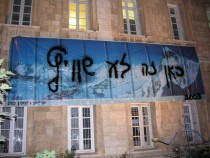
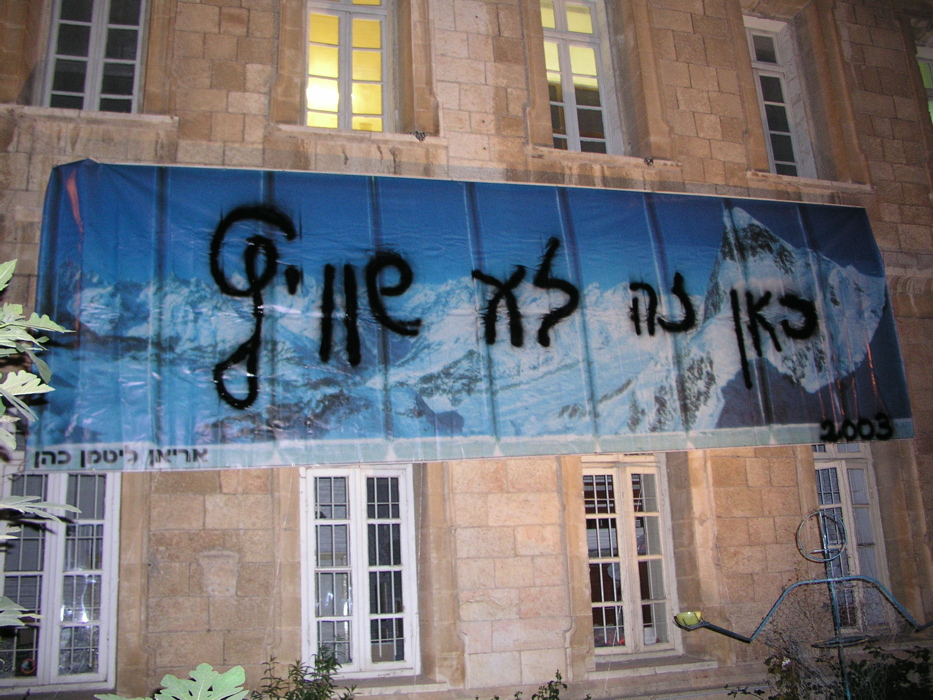
The Heara (comments) multidisciplinary art events orchestrated by Lea Mauas and Diego Rotman of the Sala-Manca art group that took place in Jerusalem during the years 2002-2007, in the midst of the Second Intifada, and involved hundred of artists who exhibited site-specific works in significant sites throughout the city, were the most fascinating art events in which I took part. It was during these events that I did my first performances and that I collaborated with other artists to create works of art. Those events enhanced my perception that Jerusalem was the geographical place I would choose in order to express my art without having to run to Tel Aviv to present my portfolio to curators hesitant to drive beyond the Sha’ar Hagai’s junction. It increased my awareness that art should not dwell into Kantian Disinterestedness, but should instead be rooted into the political and the ethical of a ‘here and now’. It was at a time when, with almost daily suicide bombings and the building of the Wall around Jerusalem, the political conflict entered my art more directly consequently to my work as a free-lance news photographer. ‘Here it is not Switzerland’, with black graffiti in Hebrew written over a huge banderol showing Lindt chocolats snowy Alps’ peaks hanging on the facade of the Sergey Coutyard, created the link between my pastoral country of birth, art and the ‘here and now’ that did not allow me to make blind aesthetic choices detached from the actual context. The banderol was exhibited at the art happening ‘Migrashim Harousim’ (2003) together with two Jerusalem Scrolls showing the Separation Wall in Abu Dis. The event was organised by Lea and Diego in response to Art Focus, the international art biennial, taking place nearby at the Museum of Underground Prisoners.
The Heara events offered the artists the challenge of learning about and ‘reacting’ to the history of a building, bringing together past and present into a work of art, a possibility that could not actualise in the more respectable yet dull ’White Cube’ museum space. During these events, I also discovered the power we had, we the artists, as a group of creative individuals thirsty to express ourselves without being dependant on the dominant institutions and without having to pursue a ‘courting ballet’ with its curators. In the midst of the Intifada, and afterwards, there was still a reason to create and exhibit in Jerusalem and to be proud of doing so. Lea and Diego created this space and we filled up that space with creative energies and works of art that resonated throughout the corridors and the rooms of those historical buildings. What else could we ask for?
It is only now in retrospect, after the last Heara 12 at The Hansen House and while reading the documentation in *Heara, that I am able to realise the significance of what happened back then. It was much more then just another colourful art event, it was a real ‘Comment’, an ‘Heara’, about the institutional world of art, about center and periphery and about engaged multidisciplinary creation.
Jerusalem, September 15 2014
For more information on the Heara projects, see
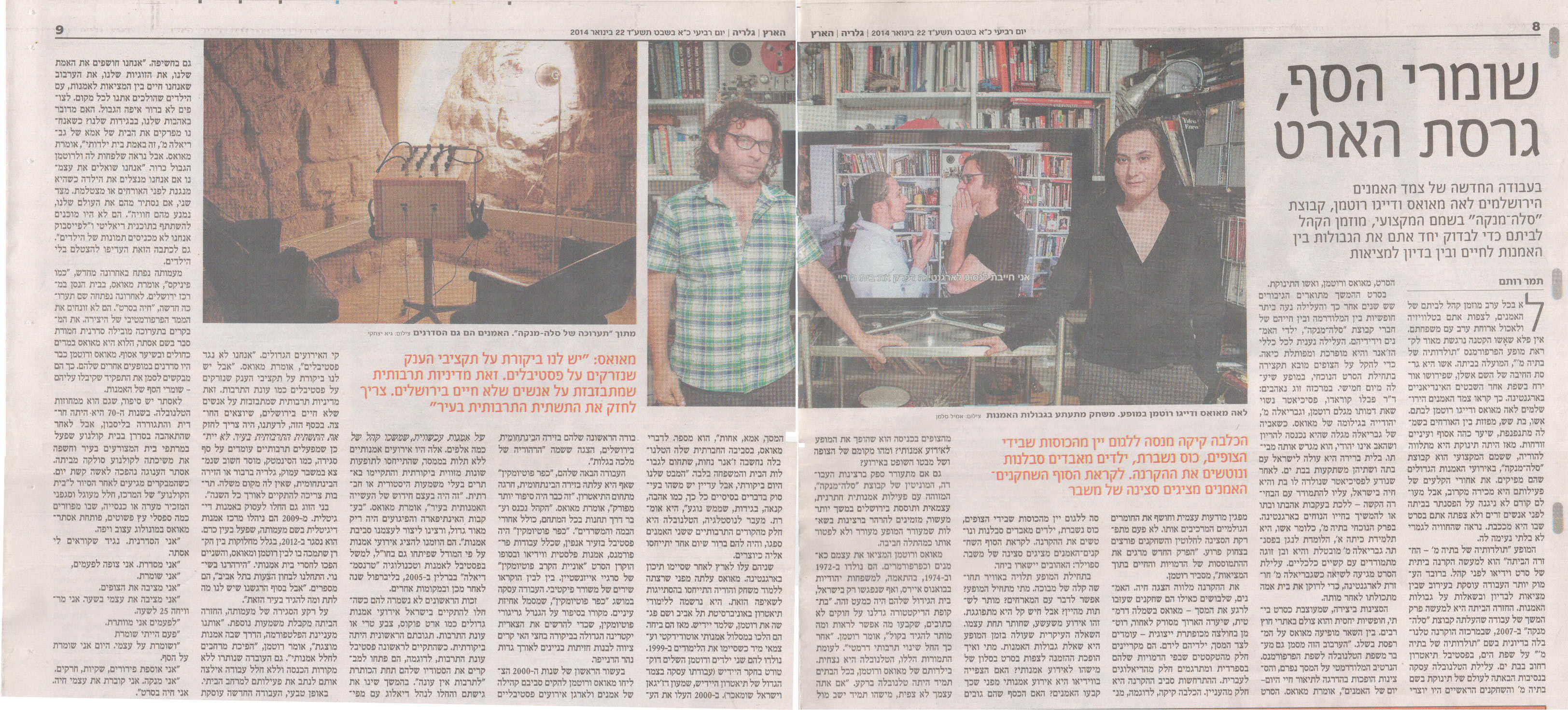
The Village They Live In, Smadar Shefi, Haaretz, 20.1.12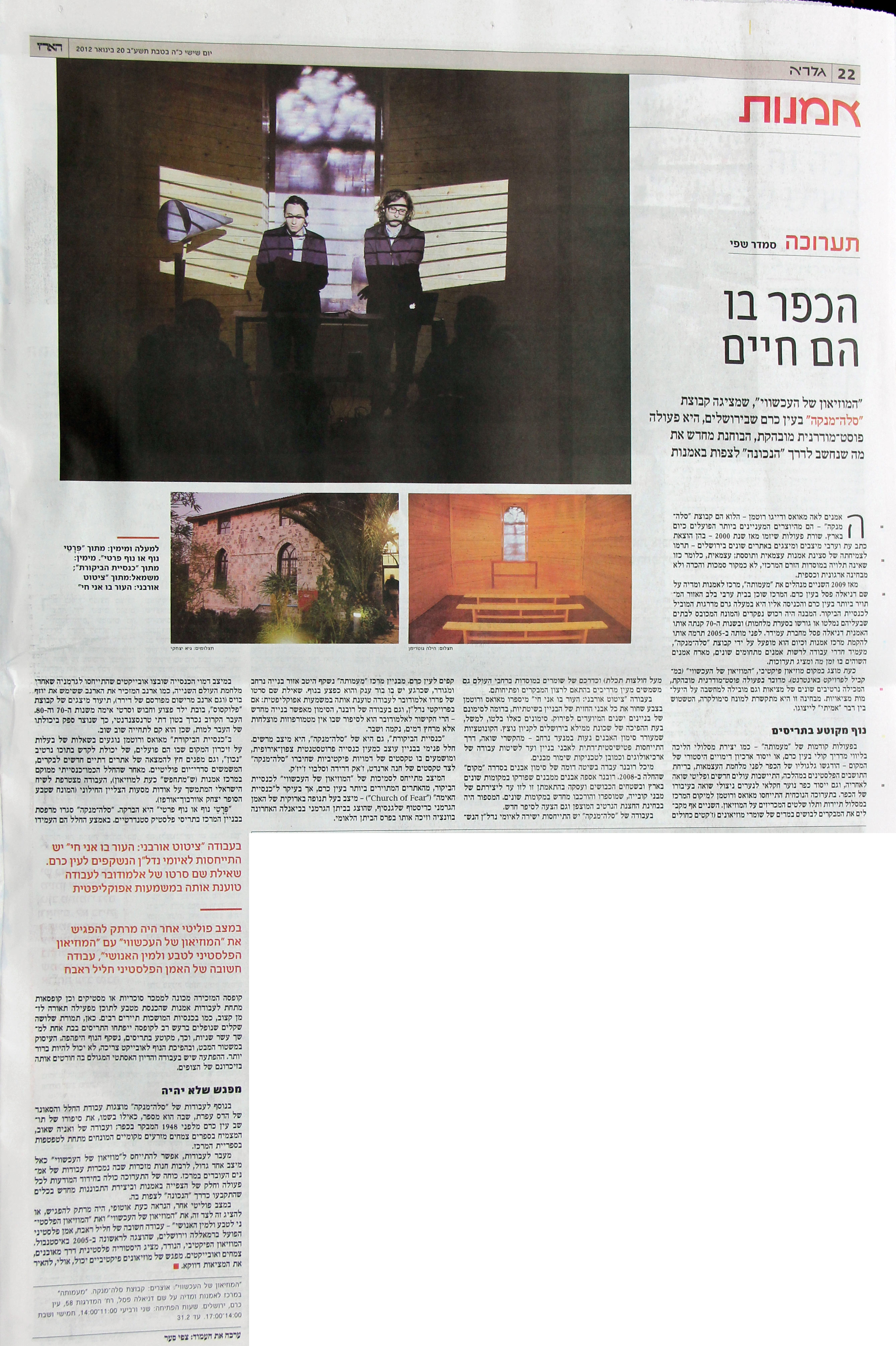 click to enlarge
The artists Lea Mauas and Diego Rotman – the sole members of Sala-manca group – are
two of the most interesting artists working in Israel today. A series of actions they initiated
since 2000 – including the publication of a magazine and a series of installation and performance nights at different sites in Jerusalem – have contributed to the emergence of a vibrant
and independent art scene; independent, meaning one that is not dependent on the
mainstream institutions, either as a source of authority and recognition or in the organizational and financial respect.
Since 2009 Sala-manca group, have been running Mamuta at the Daniela Passal art and
media center in Ein Karem. The center is situated in an arab house at the heart of the most
touristic area of Ein Karem, (and) its entrance is located by the steps leading to the church
of visitation. the structure was considered absentee property the whitewashed term for
houses whose owners escaped or were exiled in the turmoil of war and in the 1970s was
purchased from the Amidar company (Israeli Social Housing Company) by the artist Daniela Passal. Before her death in 2005 she donated it to the foundation of an art center, and today it is operated by the Sala-manca group, o!ers workrooms for artists from di!erent disciplines, hosts artists who reside in it for extended period’s of time and functions as an alternative exhibition space (holds exhibitions).
The current exhibition is “The museum of the Contemporary” running parallel to an internet project. It is a distinctly post-modern action containing di!erent thought provoking narratives and addressing the disappearance of local realities. in that sense, it is associated with the term simulacrum, the blurring between “real” and its representation.Mamuta’s previous actions – such as creating walking routes in Ein Karem; an audio guide, founding of an historical images archive of the site –representing the lives of the village prior to the independence war (1948), the flight of Palestinian residents in its course, the settlement of immigrants and holocaust refugees after the war including an agricultural youth village for children holocaust survivors in the center of the village. In the museum of the contemporary Mauas and Rotman related to the location of the center on the touristic route and put up signs announcing the museum. The two greet visitors wearing museum guards’ uniform (blue jackets over light blue shirts) and like guards in institutions worldwide, also serve as voluntary guides of sort, according to the willingness of the visitors. in the work “Urban Quote: The Skin I Live In” Mauas and Rotman have systematically numbered
the stones of the building’s facade in black paint, akin to the marking of old buildings
designated for demolition. Such markings stood out, for instance, in the course of
transforming Mamilla neighborhood in jerusalem into a glossy shopping mall. the connotations evoked by the marking of the stones range – from holocaust associations, through a fetishist-religious attitude towards building blocks to archaeologists’ working methods and of course buildings conservation techniques. Michal Rovner employed a similar method of marking stones in the series “Makom” – 2008.
Rovner gathered stones from dismantled structures in Israel and the occupied territories
and took on matching them to each other to create cubical structures, which were numbered and reassembled in di!erent locations. the numbering comprised the externalization of the encrypted narrative as well as a proposal for a new narrative.
Sala-manca’s work directly refers to real-estate threats looming over Ein Karem. The Mamuta center building overlooks an extensive fenced construction site, which at the moment has a giant pit, like a gash in the landscape. Adopting the title of pedro Almodóvar’s film for the work charges it with apocalyptic meaning: if in real-estate projects, as well as in Rovner’s work, the marking enables a re-construction, then the link to Almodóvar film promises no successful metamorphoses but rather a blood bath, revenge and calamity.
The “Church of Criticism”, also by Sala-manca, is an impressive installation. an inner space in the building was designed as a northern-european protestant church, in which texts by fictive figures composed by Sala-manca in conjunction with texts by Hanna Arendt, Jacques Derrida and Slavoj žižek are played.
The installation addresses the proximity of “The Museum of the Contemporary” to the
Church of Visitation, a popular tourist attraction in Ein Karem, but mainly to the “Church of Fear”, an installation of baroque scope by the german artist Christoph Schlingensief, exhib-ited at the german pavilion in the last Venice Biennale (2011), which gained the national pavilion award.
The church-like installation is clustered with objects referring to post second world war
germany, like a hare reminiscent of the hare used by Josef Beuys, (as well as the hare in
Dürer’s famous drawing), documentation of Fluxus group, a figure of a wounded bandaged
boy and horror films from the 1970s and 1980s. The recent past is tangled with a religious
transcendental tone, thus generating doubt in the ability of the past to die, since it is resurrected over and over again.
In the “Church of Criticism” Mauas and Rotman touch upon questions of ownership of
memory of the place in which they operate, the ability to hallow in it a “right” narrative,
while pointing at the frequent invention of new religious sites in the service of political
agendas. Since the church-like space is placed in an art center (currently assuming the
guise of a museum), their work joins the ongoing israeli discourse of the journeys of the
secular pilgrim (a term coined by the author Yitshak Orpaz).
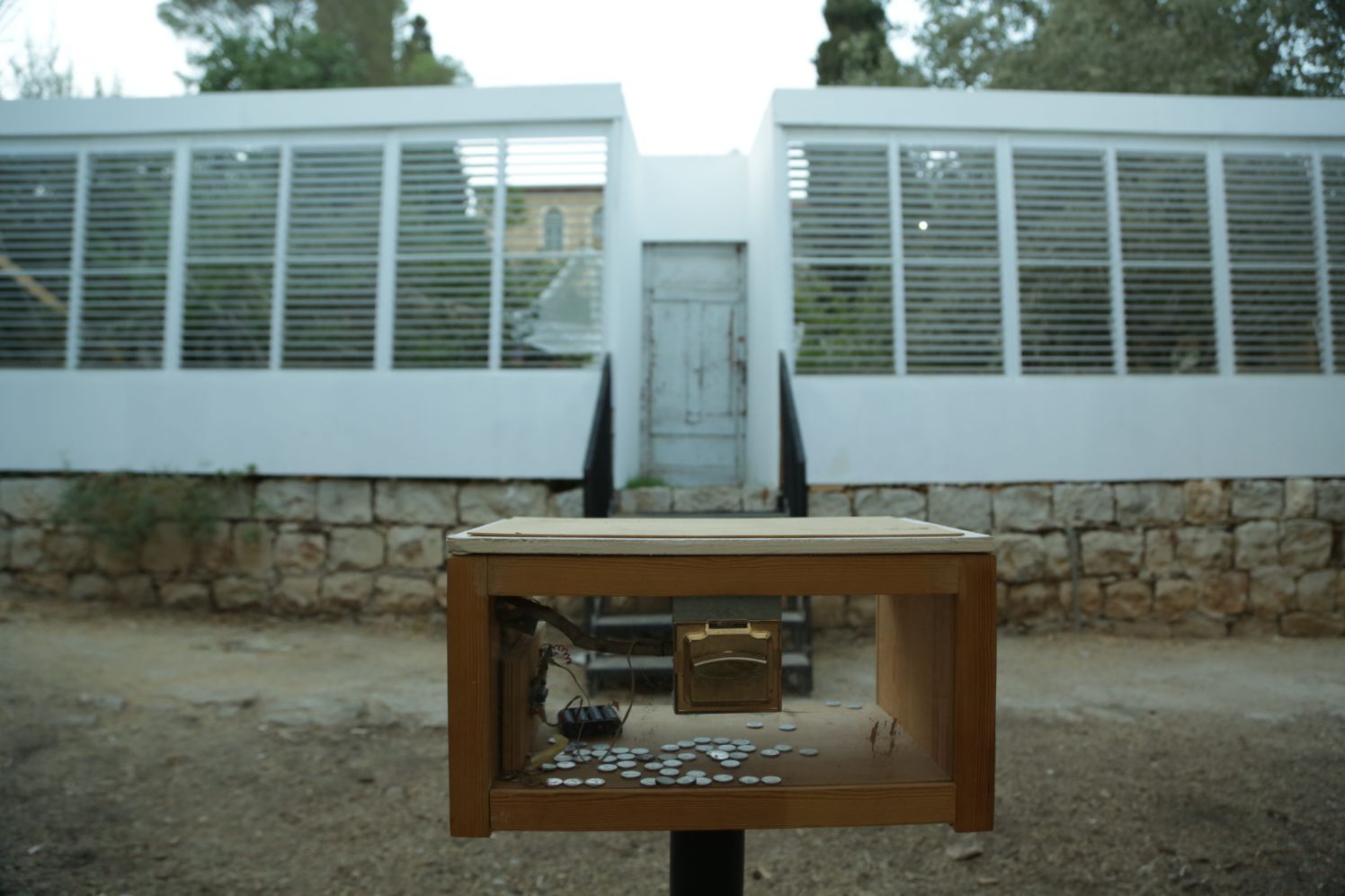
“Private Landscape” is a stroke of genius. Sala-manca has closed o! a balcony in the central
building with standard plastic blinds. in the middle of the space they have placed a box
which brings to mind a candy or gum vending machine as well as the boxes placed below
artworks, which with the insertion of a coin switch on the work’s lighting for a short period
of time, like in churches that attract tourists. Here, for three israeli shekels that drop to the
box with great noise, the blinds will open abruptly for ten seconds, and so, segmented by
shades, the beautiful landscape stretches before the viewer. The preoccupation with the
control of the gaze and the transformation of the landscape into a commodity could not
have been clearer. The surprise in the work and the aesthetic debate embodied in it, linger
it in the viewers’ memory. An encounter that will not take place
In addition to Sala-manca’s works, the exhibition also features Hadas Ophrat’s sound installation, in which he recounts, in first person, the story of a former resident of Ein Karem prior to 1948 who is visiting the village; and a work by Wanja Schaub, who grow plants from local seeds in books placed under drippers at the center’s library.
Beyond the individual works, one may think of “The Museum of the Contemporary” as an
inclusive installation, which includes a souvenir shop that sells works by artists working at
the center. The power of the entire exhibition lies in heightening awareness to each action
and part of viewing art and in creating a renewed examination of the means that became
set as the “correct” way for viewing it.
In a diferent political situation, that at the moment seems utopian, it would have been fascinating to bring together, or exhibit side by side, “The Museum of the Contemporary” and”The Palestinian Museum of Natural History and Humankind”, an important work by Khalil
Rabah, a palestinian artist working in Ramallah and Jerusalem, which was exhibited for the first time in the Istanbul Biennial in 2005. The fictive, traveling museum exhibits Palestinian history via fossils, plants and objects. A meeting of the fictive museums could have given an enriching perspective on the Israeli-Palestinean situation.
(translated from Hebrew)
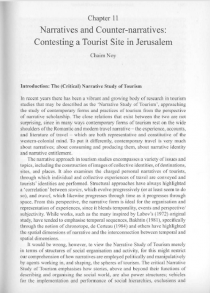
Chaim Noy, Narratives and Counter-Narratives: Contesting a Tourist Site in Jerusalem, in Jacqueline Tivers and Tijana Rakić (eds.), Narratives of Travel and Tourism. Aldershot, VT: Ashgate. Pp. 135-150, 2012
Chaim Noy’s article about the “Multivocal Audio Tour in Ein Karem”
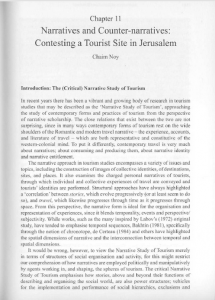
Click the image to go to the whole article
See also: Chaim Noy, Peace Activism in Tourism: Two Cases Studies (and a Few Reflections) in Jerusalem in Peace Through Tourism, Linda Ann-Blanchard and Freya Higgings-Desbiolles, Routledge, 2013