WordPress database error: [DELETE command denied to user 'sala-manca'@'localhost' for table `sala_manca_net`.`wp_options`]
DELETE FROM `wp_options` WHERE `option_name` = '_site_transient_wp_theme_files_patterns-3e81fb819c0831df69203ee558a709b9'

WordPress database error: [DELETE command denied to user 'sala-manca'@'localhost' for table `sala_manca_net`.`wp_options`]
DELETE FROM `wp_options` WHERE `option_name` = '_site_transient_timeout_wp_theme_files_patterns-3e81fb819c0831df69203ee558a709b9'

WordPress database error: [INSERT, UPDATE command denied to user 'sala-manca'@'localhost' for table `sala_manca_net`.`wp_options`]
INSERT INTO `wp_options` (`option_name`, `option_value`, `autoload`) VALUES ('_site_transient_timeout_wp_theme_files_patterns-3e81fb819c0831df69203ee558a709b9', '1792712704', 'off') ON DUPLICATE KEY UPDATE `option_name` = VALUES(`option_name`), `option_value` = VALUES(`option_value`), `autoload` = VALUES(`autoload`)

WordPress database error: [INSERT, UPDATE command denied to user 'sala-manca'@'localhost' for table `sala_manca_net`.`wp_options`]
INSERT INTO `wp_options` (`option_name`, `option_value`, `autoload`) VALUES ('_site_transient_wp_theme_files_patterns-3e81fb819c0831df69203ee558a709b9', 'a:2:{s:7:\"version\";s:3:\"4.0\";s:8:\"patterns\";a:0:{}}', 'off') ON DUPLICATE KEY UPDATE `option_name` = VALUES(`option_name`), `option_value` = VALUES(`option_value`), `autoload` = VALUES(`autoload`)

WordPress database error: [INSERT, UPDATE command denied to user 'sala-manca'@'localhost' for table `sala_manca_net`.`wp_options`]
INSERT INTO `wp_options` (`option_name`, `option_value`, `autoload`) VALUES ('_transient_doing_cron', '1792710904.9656450748443603515625', 'on') ON DUPLICATE KEY UPDATE `option_name` = VALUES(`option_name`), `option_value` = VALUES(`option_value`), `autoload` = VALUES(`autoload`)

salamanca – Page 4 – Sala-Manca

The Imaginary Republic (Part 2)

22/09/2016 – 16/10/2016

Sat–sun kl. 12:00–17:00  Vernissage: 22/09 kl. 19:00 – 23:00

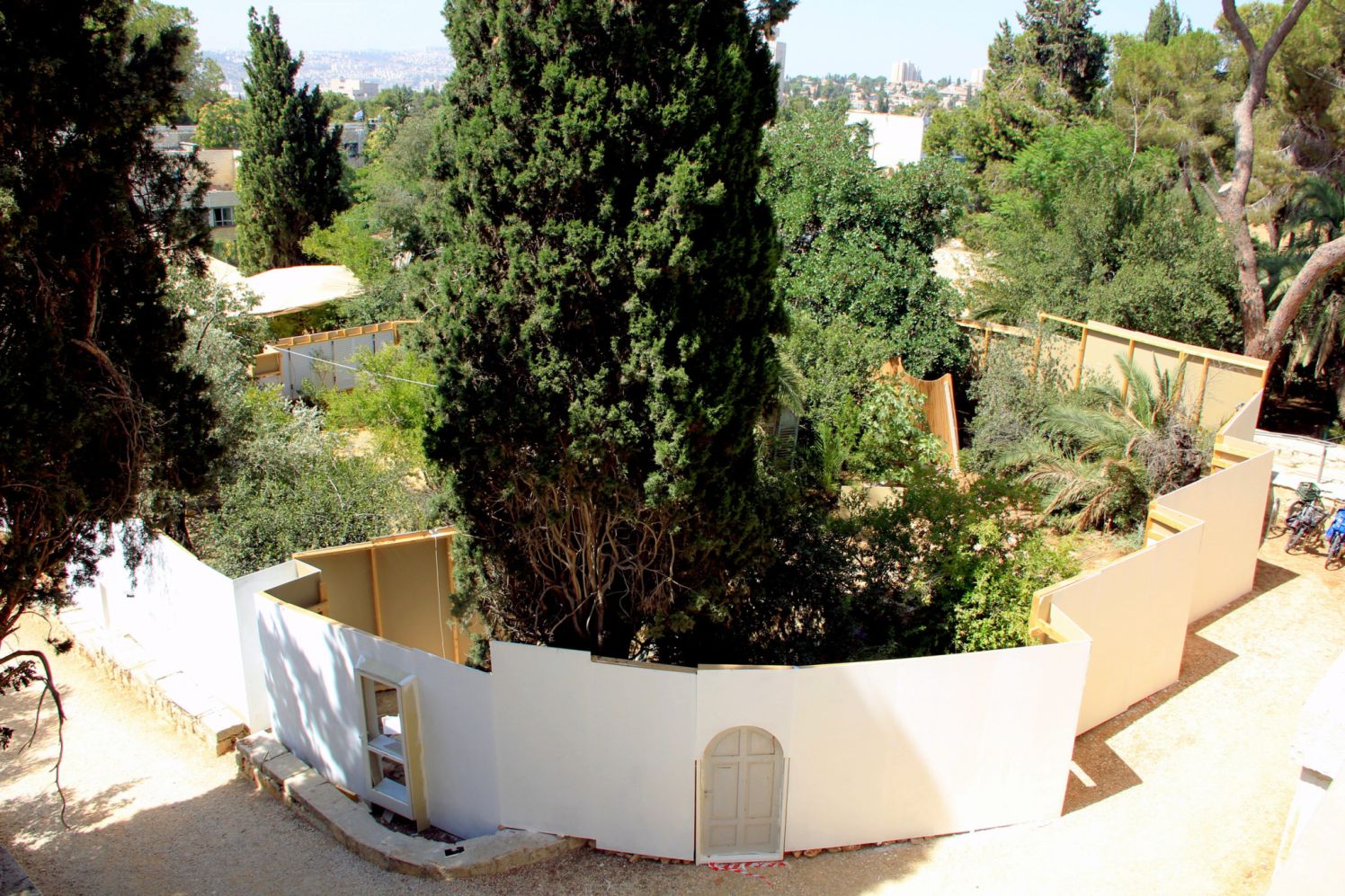
OPENING: The Imaginary Republic (Part 2)

HÉLÈNE FRICHOT
MARYSIA LEWANDOWSKA
DIEGO ROTMAN (Sala-Manca Group)
LISE SKOU

September 22nd – October 16th

Welcome to the opening of the second part of The Imaginary Republic, Thursday September 22nd at 19:00h!

The Imaginary Republic is a research project developed by Brandon LaBelle. During September and October the project takes the form of a group exhibition at Tag Team Studio, showing works by national and international artists. Through propositional and speculative works the exhibition, presented in two editions, focuses on questions and experiences of public life and culture.

The artists showing works in Part 2 of The Imaginary Republic are Hélène Fright, Marisa Lewandowska, Sala-manca (Diego Rotman) and Lise Skou.

Opening hours:
Saturdays & Sundays: 12:00 – 17:00h
Weekdays: by appointment

The exhibition is held in conjunction with the Partisan Café event program. Two talks will be held at the café (at the old fire station in Bergen) by artists from The Imaginary Republic (Part 2):
Marysia Lewandowska, Lise Skou / September 23rd – 17:00h
Diego Rotman, Brandon LaBelle / September 24th – 17:00h

Tag Team Studio

Møllendalsveien 17, 5009 Bergen

www.tag-team.no

Familiar Strangers by Maya Shlefier

Familiar Stranger | Maya Shleifer
Curators: Sala-Manca

Mamuta Art and Research Center
Opening hours: Tues.-Wed.: 10:00-14:00, Thurs: 15:00-19:00, Friday: 11:00-14:00

Home

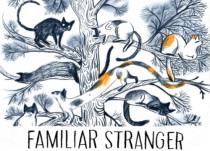
Passersby, people on the train, women who meet during walks, passengers on the bus – others and strangers are the inspiration for Maya Shleifer’s series of works, which explores the world of familiar strangers as she imagines it.
In the exhibition, Maya’s illustrations gain another dimension through various techniques: from mythological devices that hark back to the early days of cinema like Zoetrope to physical computing. The installations in the exhibition hold a dialogue with the world of pop up books and incorporate projections of moving images and static illustrations in varying degrees of interactivity. The space in which Maya’s images are scattered echo the world of filmmaker Georges Méliès and animator William Kentridge, as well as the world of old children’s books.
Maya is an illustrator and a designer. We worked together for the first time when she was still a student at Bezalel, when she designed the first issue of Hearat Shulayim and devised the journal’s aesthetic line. In the 15 years that have passed since, she designed fascinating children’s books, among them “It’s Not Easy Being a Superhero”, “Princess Zohara,” and “The Bunny Who Wanted to be a Tree,” and was chief designer at TheMarker newspaper. All the while, she continued to create her own personal works.
This exhibition, which is Maya’s first in the art field, brings us back together. In this reunion which also we joined forces with Guy Yitzhaki, Nir Yahalom, Yuval Kedem, Studio Poink, Ofir Gal and Yuri Smertenko creating for Maya’s world of motion a space that is somewhere between an open studio, a laboratory, and a cabinet of curiosities.

Programing: Guy Yitzhaki
The wheel mechanism in ”The World is Round”: Yuval (Galileo) Kedem
Technical supervisor and Zoetrope: Nir Yahalom
Technical assistant: Yuri Smertenko
Sound: Ofir Gal
Animation: Studio Poink

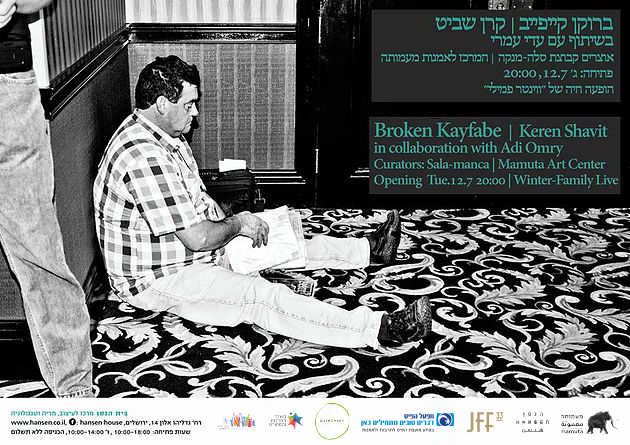
Broken Kayfabe – Keren Shavit in collaboration with Adi Omry

poster_sample

Opening: Tuesday July 12, 8pm
Exhibition hours: Monday to Thursday 10:00-15:00 — For group and guided visits in other hours please contact us
Curators: Sala-Manca

North Carolina. Brooklyn. Dallas. Keren meets a family on the subway, she meets another family when she wants to learn the harmonica. She is drawn to them. They are drawn to her. She asks to film in their homes. To film them. In exchange, in one case she is asked to come to the local church every Sunday for two months. In another case she moves to North Carolina with the family she has met.
Who is she for them? She is Trixie the lover, or mom Trixie, or sister Trixie. And so the game begins. She asks them to tell her everything they do not like about her. They write letters to her and start rehearsing. They play with reality. Everyone are filming and everyone are acting…or are they? Trixie-Keren uses manipulations, staging the relationships while they direct themselves. She asks permission to eat their leftovers. This is the starting point of “Shelf Life.” She eats the leftovers and in return she has to surrender. Change her identity. Keren will give them all in order to get what she is looking for. What she needs. Examining different family models. She looks not to be loved, to get the leftovers. The entire world is an edge. The assistant director becomes a character, a member of the family. Trixie the whore is Keren the artist. She eats the leftovers of the family, which in return, ask of her to take part in the filming of their own horror screenplay which we will not get to see. (The screenplay and footage are the property of the “father” in “Shelf Life”).
Between films, the stills and videos of “Broken Capefive/Kayfabe.” A story that links the two films. The story of the pro wrestling brothers Von Erich from Dallas, Texas, which an Israeli girl called Keren loved and admired. Keren wants to be a part of the famed wrestling family, this is her teenage dream. A fantasy that takes the form of a fictional story, through which she photographs and documents. One by one, the Von Erich brothers commit suicide. This is not a fiction. Keren looks for other families through which she could ask about her place. Keren sells herself senseless. “You cannot help but love Trixie,” says Danny. “It’s impossible not to love Trixie” says Daniposter_sample

China, an exhibition by Reuven Zahavi, curated by Sala-manca

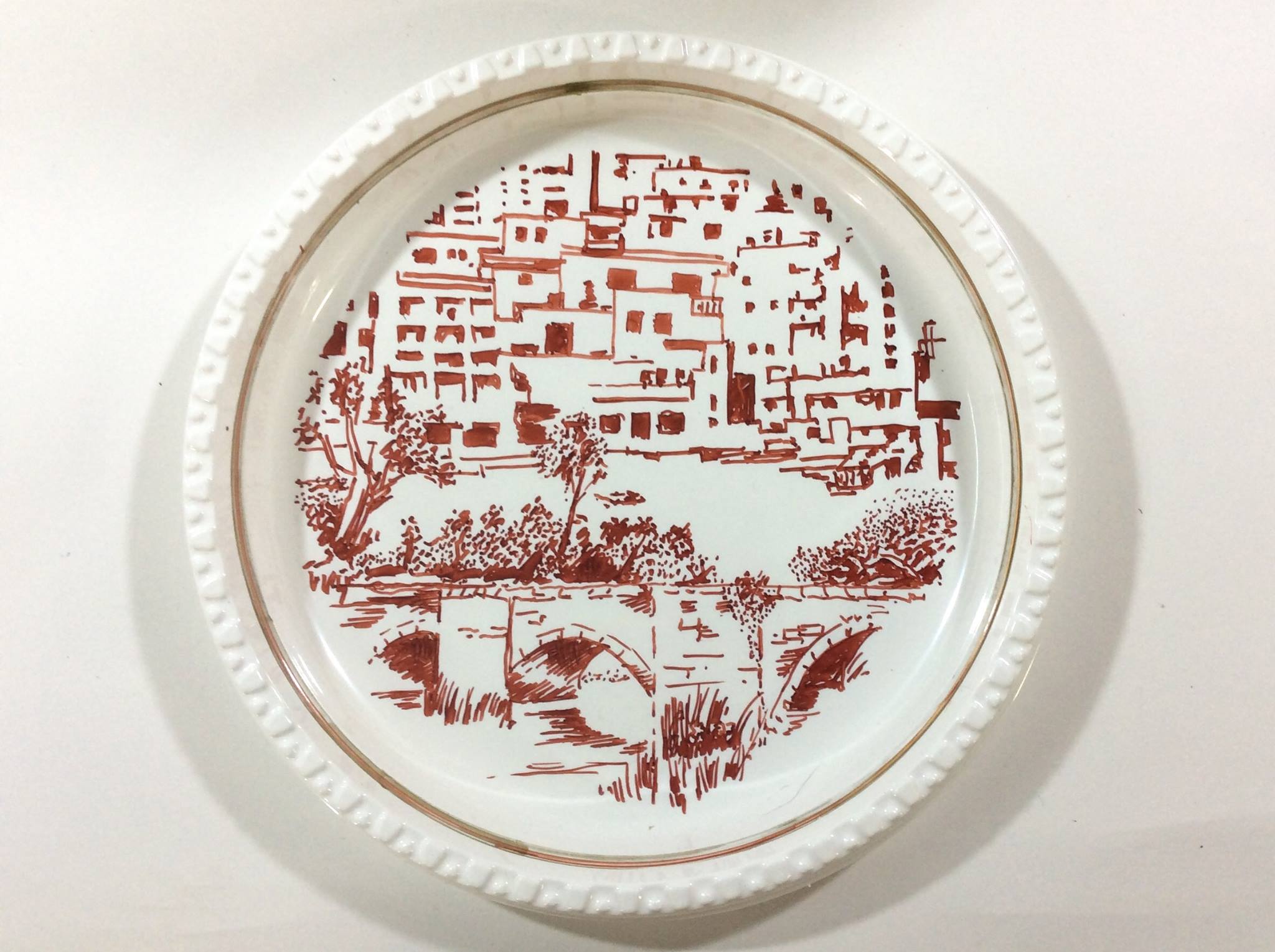
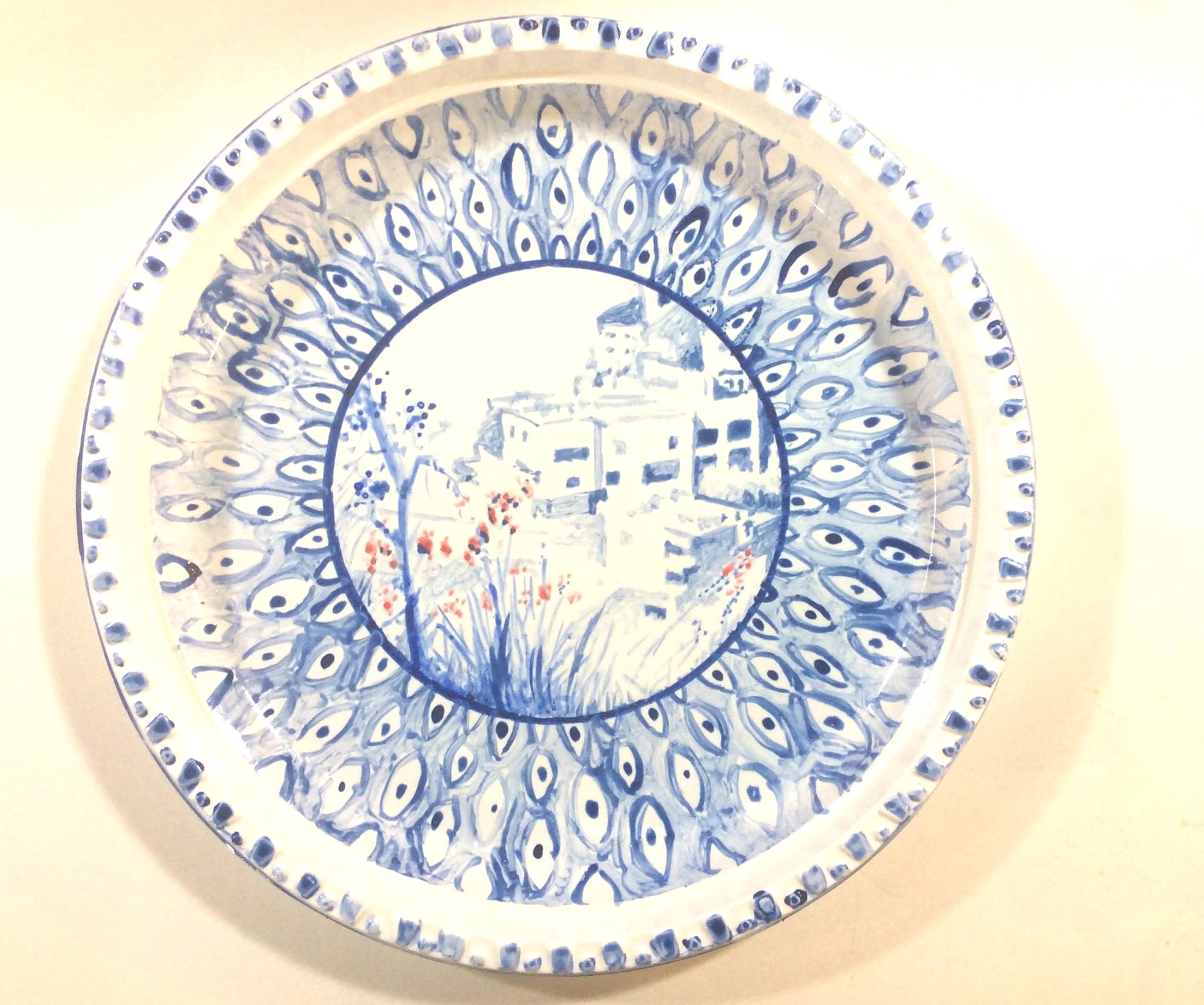
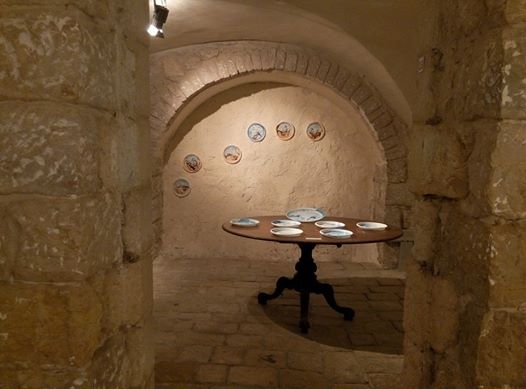
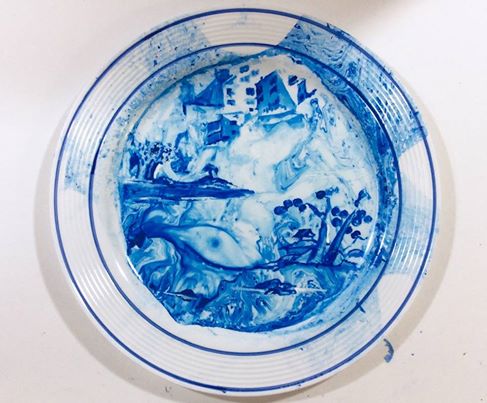
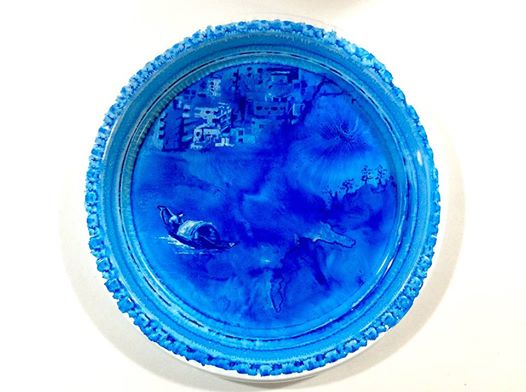
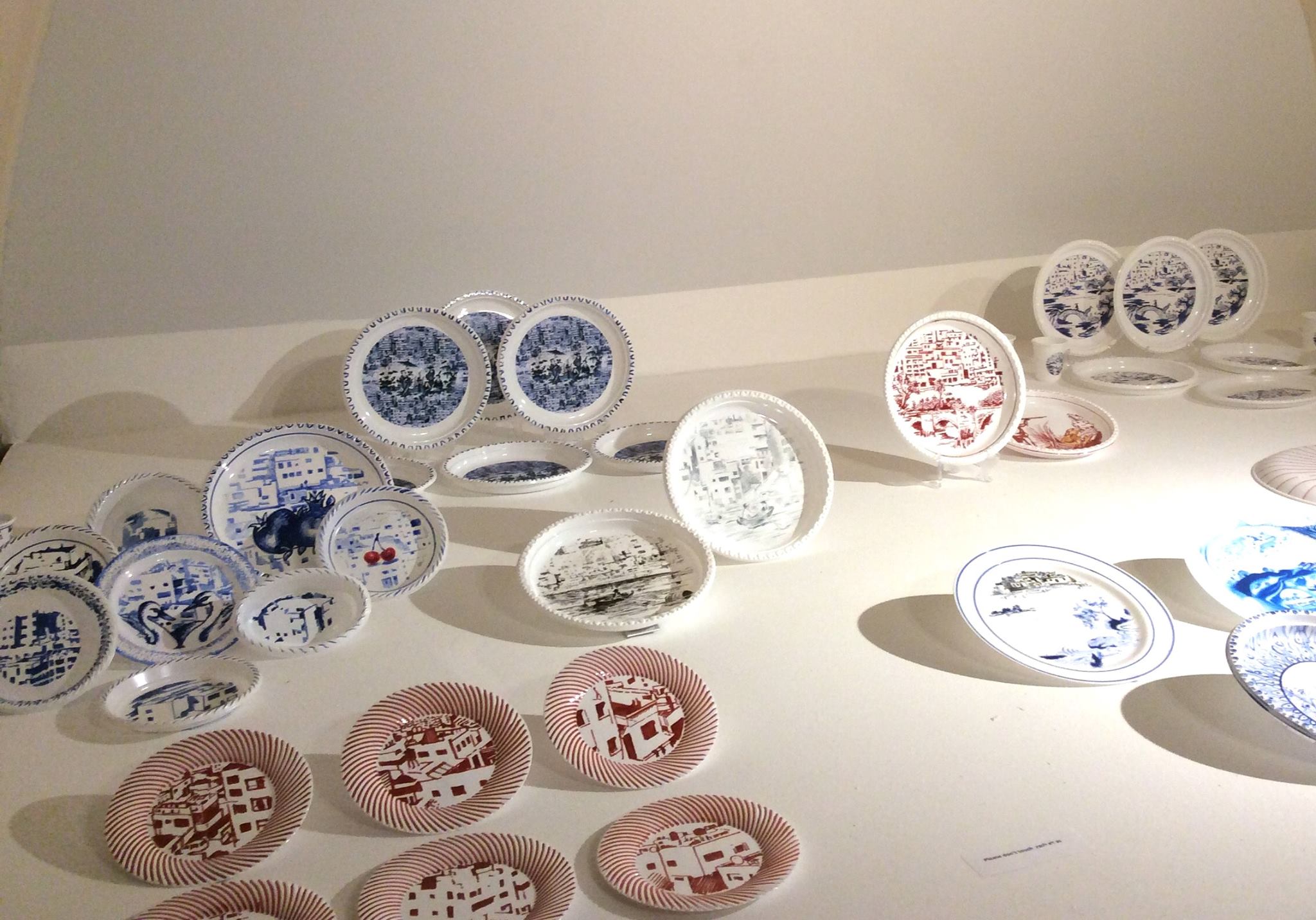
Reuven Zahavi’s exhibition “China” is named after traditionally decorated Chinese porcelain in common domestic use. Zahavi presents the Issawiyeh Tableware — a collection of disposable plastic plates which he uses as platters for his drawings. (The collection’s Hebrew name, Servis Issawiyeh comes from the Hebrewfication “servis,” meaning a dinnerware serving set.) The drawings offer a view of Issawiyeh, the large village at the foot of the Hebrew University on Mount Scopus, as seen from the windows of the Bezalel Academy of Arts and Design.
Sketches depicting the Palestinian village — whose inhabitants live in dire conditions despite its inclusion in Jerusalem’s expanded municipal borders of 1967 – replace the Chinese or European landscapes associated with “china.” At times it even seems that the familiar pastoral images meld with those of the crushed village. “The village,” says Zahavi, “where smoke rises daily and booming sounds are routine, stays transparent to the Mt. Scopus community.” This transparency is conveyed by the illustrative drawings that decorate the plastic plates – flora and fauna, lakes and bridges, gardens and hunting scenes or other “Chinese” and imaginary scenarios. All of these express Zahavi’s distant stance and the posture (or imposture) he assumes towards the village and its people.
Zahavi observes the village from the grand windows of the Bezalel academy with its distinguished artistic history, thus connecting his work to a tradition depicting the Jewish landscape in Israel. But his choice to sketch the village through a foreign aesthetic tradition defamiliarizes the Palestinian village. This defamiliarization invites both artist and viewer to direct their gaze at the transparent village, to take note of the art academy’s location and position, and to contemplate the artist’s relation to both.
The choice to sketch the drawings on disposable plastic raises riveting questions regarding the status of painting and of the artist. This choice boosts the plastic’s value and simultaneously raises doubt as to the artwork’s merit. “The white plastic plate,” Zahavi says, “stubbornly refuses any paint medium. It is a cheap imitation. It is recycled in a series of ‘reflexive exercises’ whose purpose is to concretize the problematic stand of the spectator, the object and the artist via a reality of transparent oppression.”
The collection presented in the exhibition presents the artist’s stand as seemingly ironic or perhaps self-reflexive. Is the choice to immortalize the village on a plastic plate meant for disposal an expression of contempt – even if unconscious – towards the transparent village? Does it reflect the brute quality of contemporary culture? Is it an allusion to the brutal Israeli policy towards Issawiyeh villagers who are currently under curfew? Or does the choice suggest doubt regarding simulation and posturing of materials, and perhaps artistic endeavor in general, not only via itself but in its relation to reality?
The exhibition of the collection in Mamuta Center’s Underground Academy at the Hansen House as part of Jerusalem Design Week positions Zahavi’s work not only in relation to the tradition of Israeli landscape painting, but in relation to the language of design, craft and mass production. Zahavi raises questions regarding the status of the functional, disposable object in relation to reality, to the immortality of art, and even to that of the nation. “China” – a beautiful collection of highly charged sketches on a set of cheap plastic plates – comments on the very act of drawing, and contends with the erasure involved in gazing at the village of Issawiyeh from the gorgeous windows of the university at Mt. Scopus.
Reuven Zahavi lives in Jerusalem, teaches at the Bezalel Academy for Arts and Design and at the Hebrew University of Jerusalem. He works with drawing and painting alongside digital media and is engaged in theoretical studies of craft, design and contemporary art-making.13086801_10153678332652635_332664587403429175_o 13147316_10153674332612635_1043289226430087101_o 13220928_1294543470559075_2896716988324948146_n 13226879_10153697270767635_739245167812093221_n 13256494_10153711318282635_6896624272893709007_n 13268228_10153721614622635_7840954574012759174_o

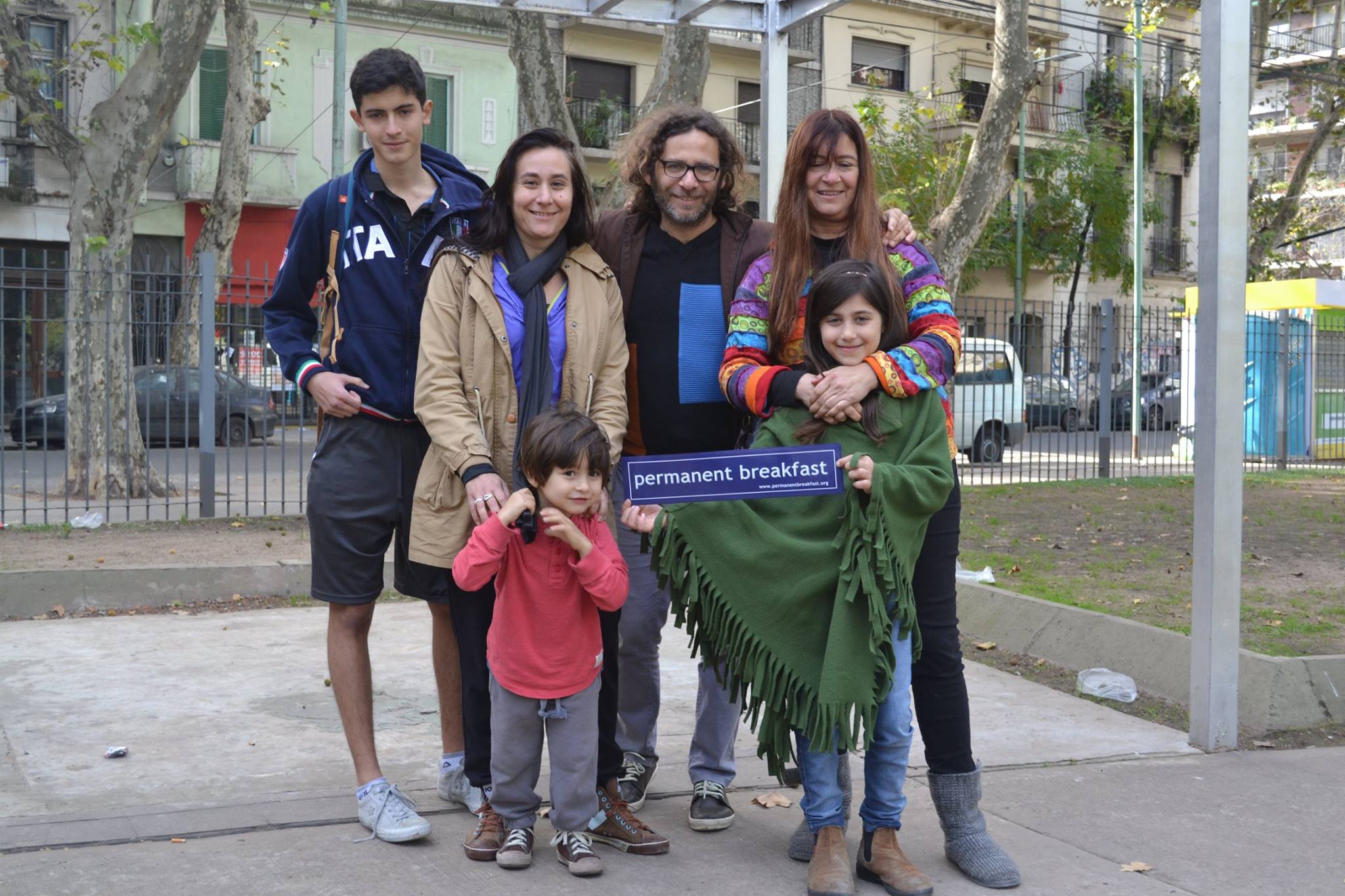
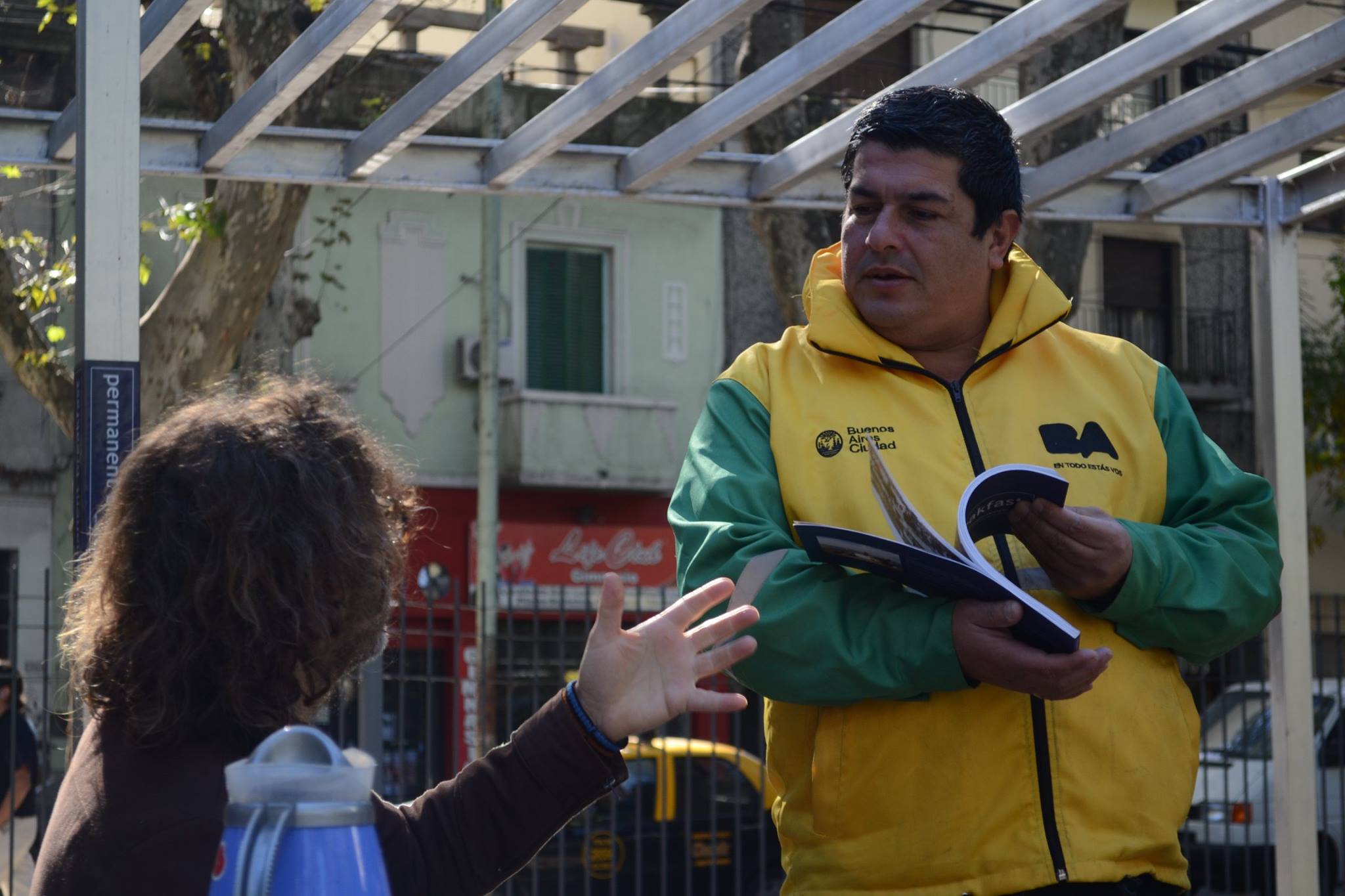
Permanent Breakfast in Plaza Almagro, Buenos Aires

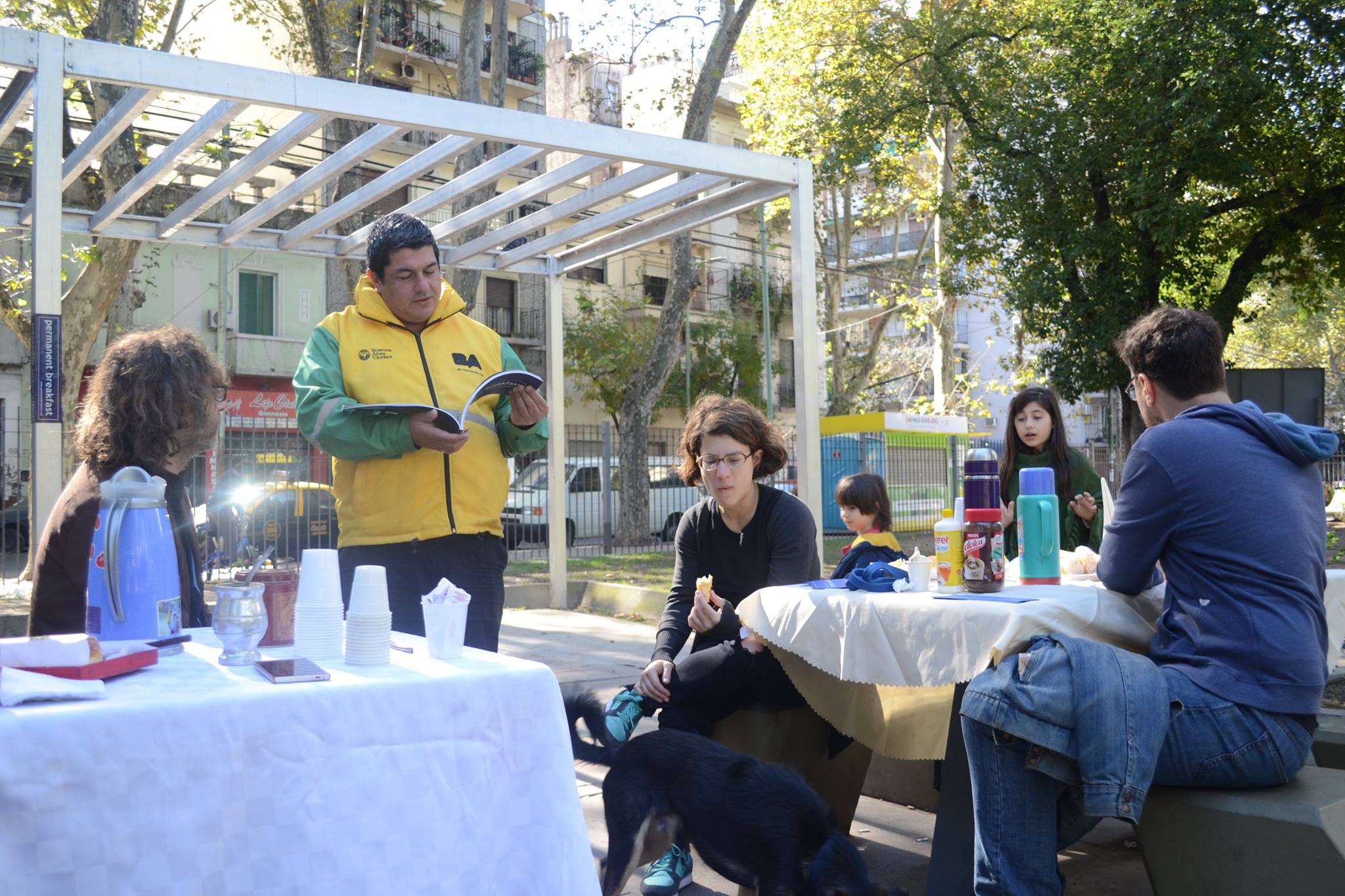
1.5.2016 | Permanent Breakfast in Plaza Almagro, Buenos Aires 13116010_10208687550886926_2903718560018064661_o 13131374_10208687551566943_1689954576417756889_o 13131628_10208687554487016_3250028095264655741_o 13131733_10208687552926977_5397840649043190336_o 13147475_10208687552246960_8578058070400438856_o

La idea principal
Una persona invita a otra persona en un lugar público
Las personas invitadas (generalmente 4) se comprometen
a organizar lo antes posible, otro desayuno público con diferentes
personas en distintos lugares; y así continua la cadena.
Este desayuno del 1 de Mayo conmemora ademas del dia del trabajador los 20 anios del proyecto Permanent Breakfast comenzado en Viena por Friedemann Derschmid.

Si quieren sumarse, vengan, traigan algo para desayunar e invitaremos a los transeuntes a sumarse a nosotros tambien y a generar un encuentro diferente entre conocidos y extranios en el espacio publico

www.permanentbreakfast.org
organizado por el colectivo sala-manca (www.sala-manca.net) y Mamuta Art and Media Center, sede intermitente en Buenos Aires (www.mamuta.org)

About the Eternal Sukkah at the World Policy Institute Blog

Link to the article by Graham Lawson

About the Wwordpoliorld Policy Institute:
“The World Policy Institue was founded in New York City in 1961 as the Fund for Education Concerning World Peace through World Law, the World Policy Institute has its origins in the post-World War II movement of moderate internationalists. From 1991-2007, the Institute was part of The New School, a New York City university. In 2007, the World Policy Institute was re-incorporated as a free-standing institution, which works in active collaboration with like-minded organizations around the world. In January 2009, Foreign Policy magazine ranked WPI as the 16th most influential US think tank, out of 1777 in the United States and 5465 worldwide.”

Visit of Kids from Khan-Al-akhmar

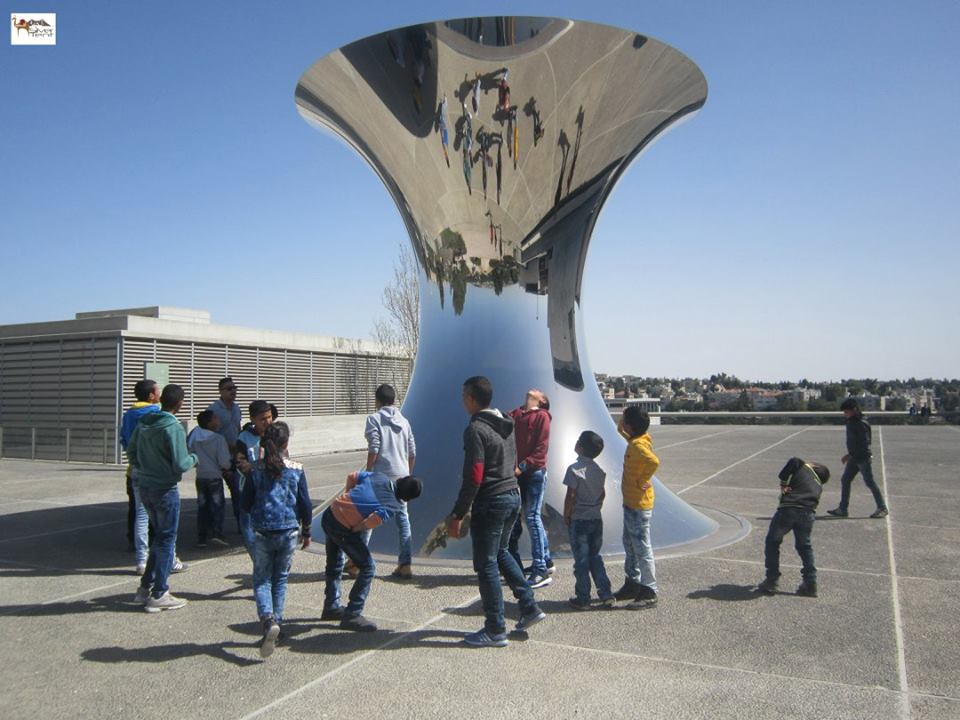
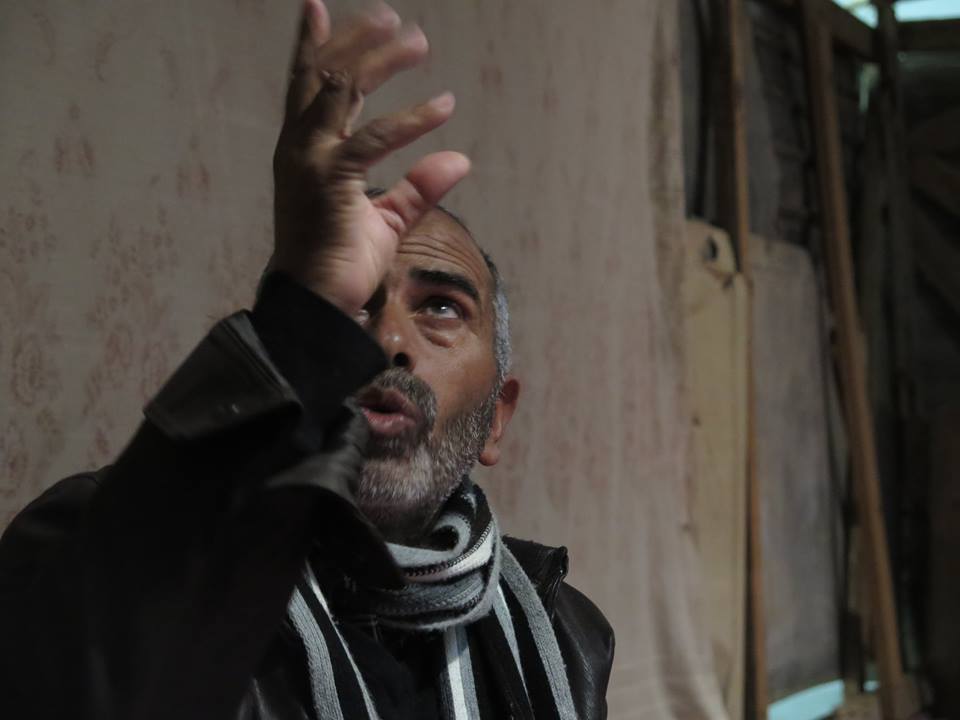
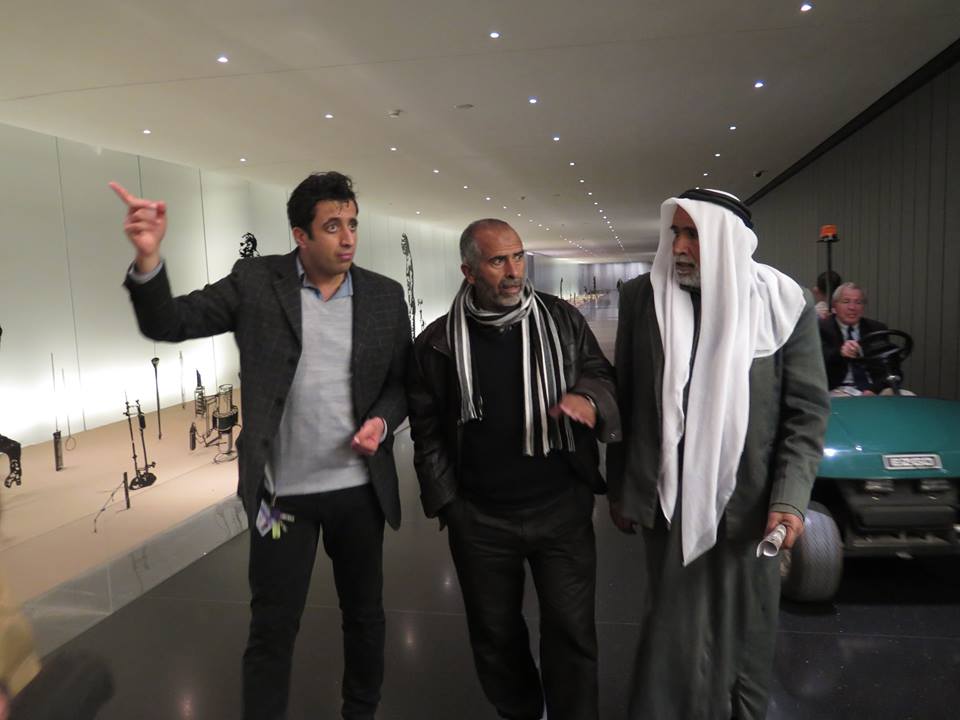
More than 30 kids from the Jahalin community came for a visit to the Israel Museum in the frame of the “Eternal Sukkah” project. It was an intensive, rich and amazing day of learning, joy and dialogue. 1557639_982079805206798_7673821423017568809_n
The kids, who enjoyed so much the different exhibitions of the museum can’t visit this Museum, neither the sea, neither the zoo without special permits from the Civil Administration. The visit was a joyful and for all of the kids was their first visit to an art and archeological museum and to the Zoo.
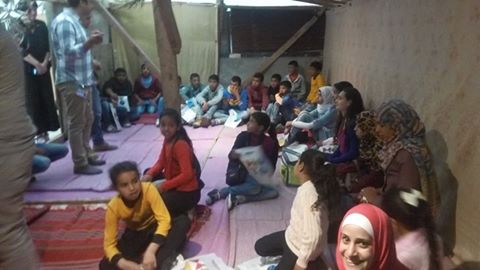
We visit the Tent/Sukkah and then spoke about the reality of house demolitions, unrecognized status and against that the attempt to keep, respect and share an invisible reality for many of the museum visitors. We talk about the idea that the “Eternal Sukkah” hosts the Jahalin reality as well as the sukkot tradition is hosted at the Jahalin Tent. After the lunch we went to the Zoo in order to fulfill their wishes for that day. It was for all of us an unforgettable experience. 12821640_1239622052717884_2428759317367094630_n

Thanks a lot to the Israel Museum for hosting and organizing this experience, thanks to Melhem for planning so well, in all the details such a special day of art & joy. Thanks to all those who made this possible: Amitai, Shir, Rita, Tamara,Ella, Melhem, Ahmed, Ala, Ruth, Tali, Tariq, Suleiman, Sabrin, Ahud, Abu Suleiman and to Bar Kayma non-profit בר-קיימא for helping us to bring the kids.

Video Documentation: On Hybridization, Transience, and Refugees | Israel Museum | 2.2.16

Video Documentation [Hebrew. Arabic& Hebrew]
2.2. 2016 | On Hybridization, Transience, and Refugees | Israel Museum
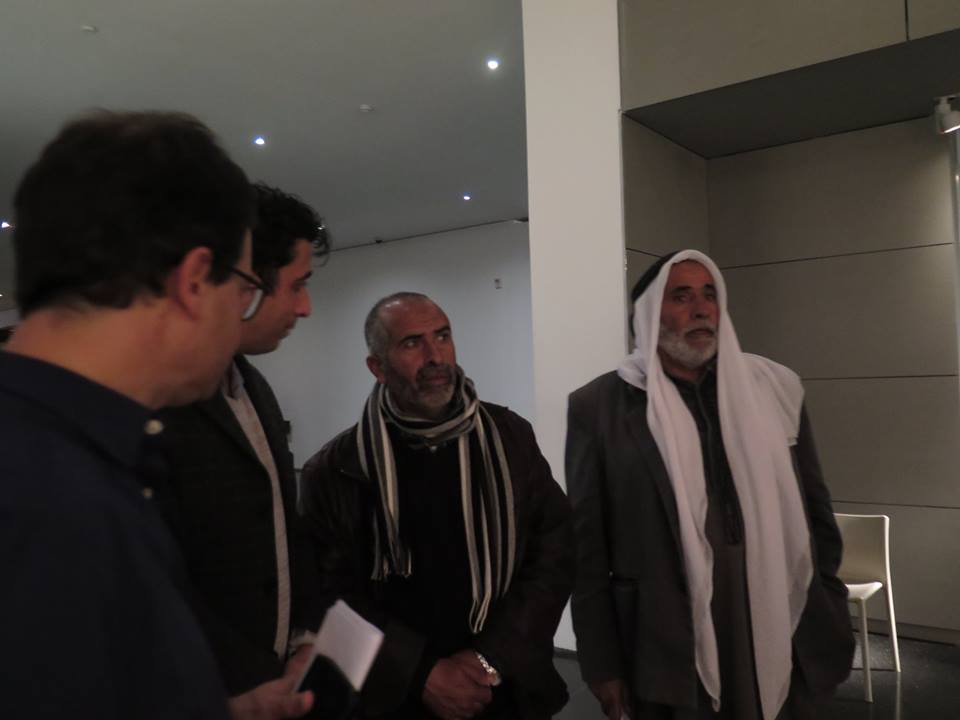
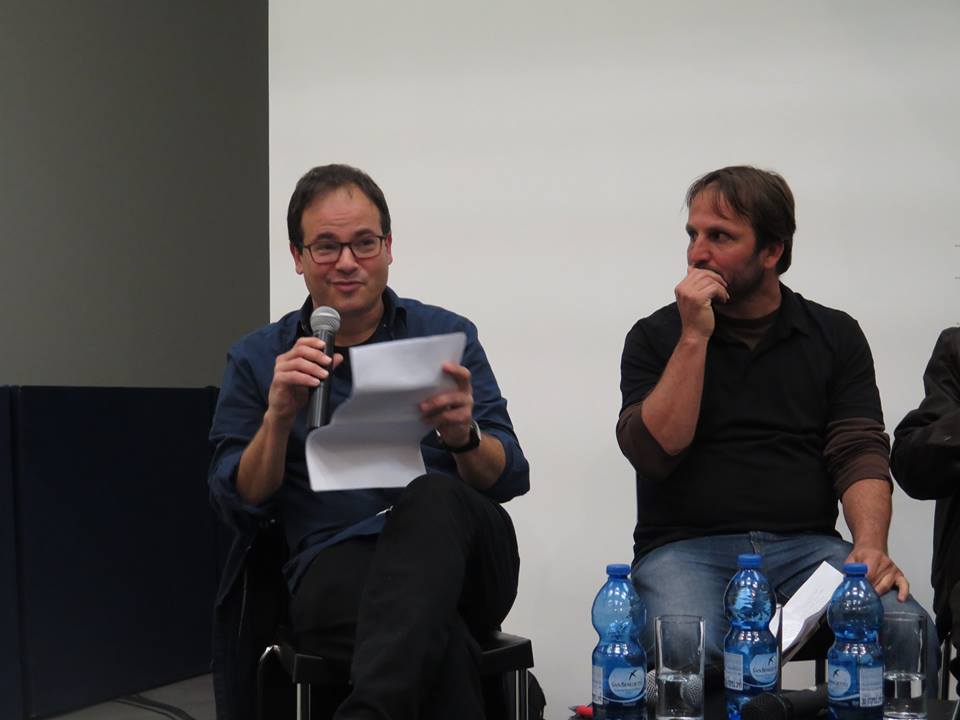
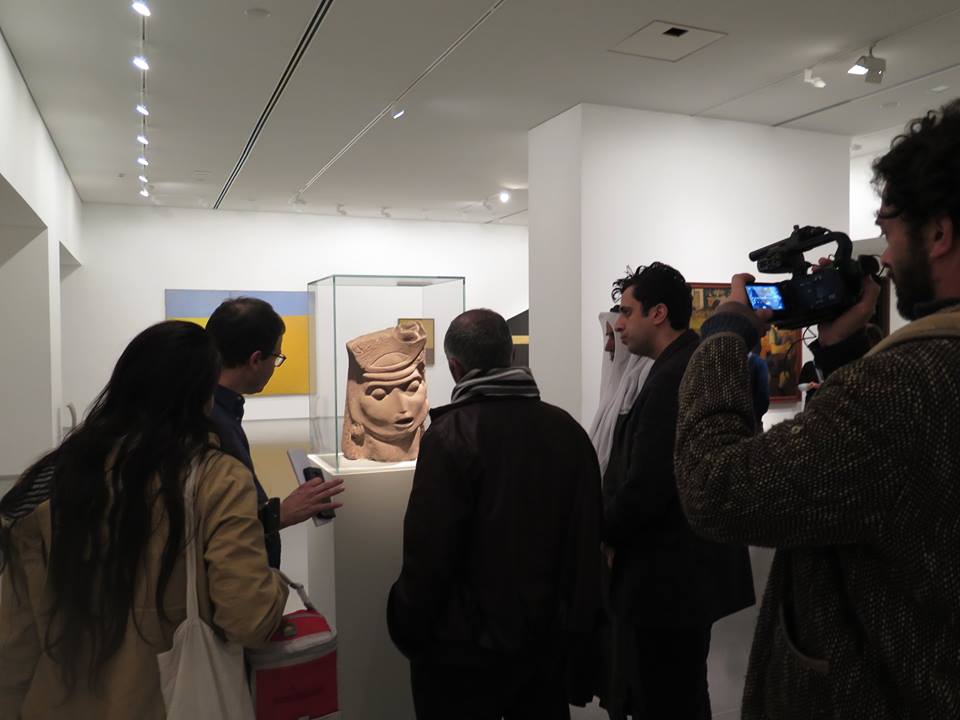
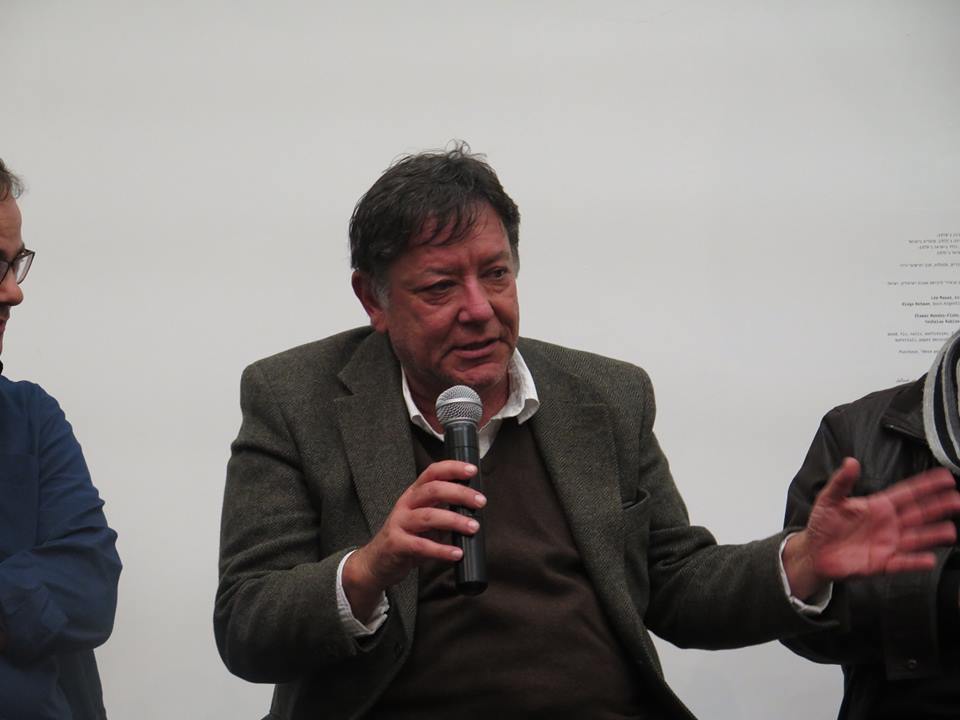
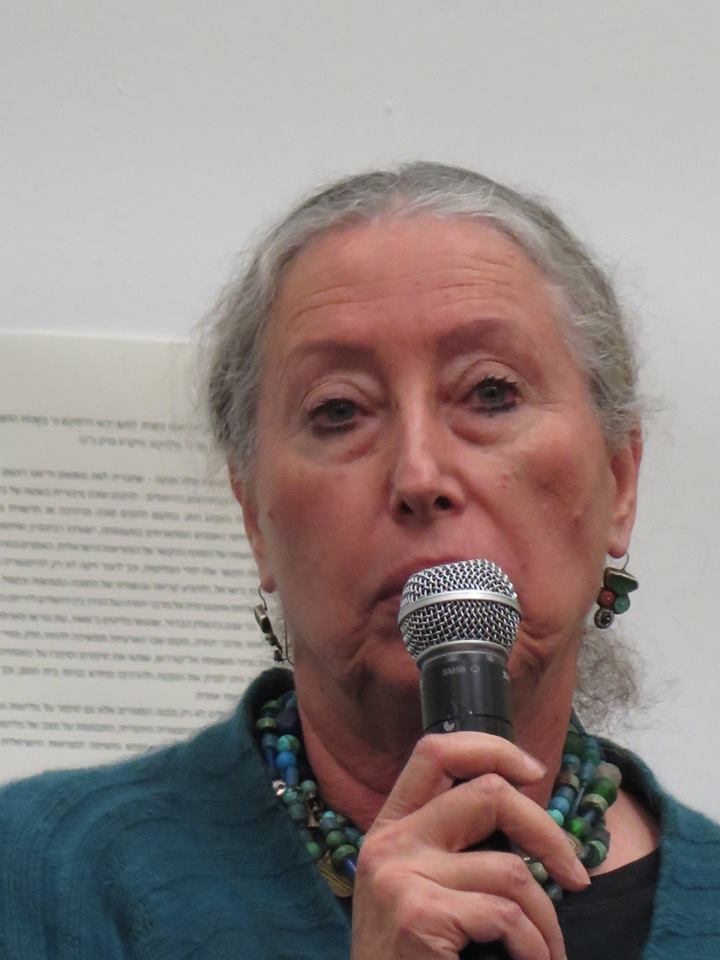
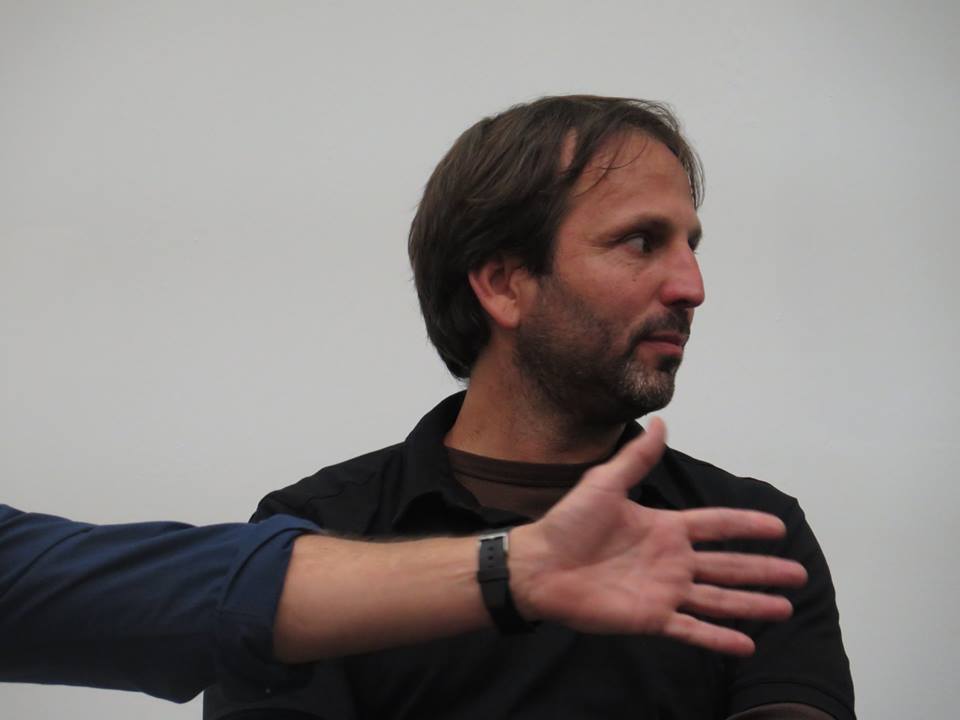
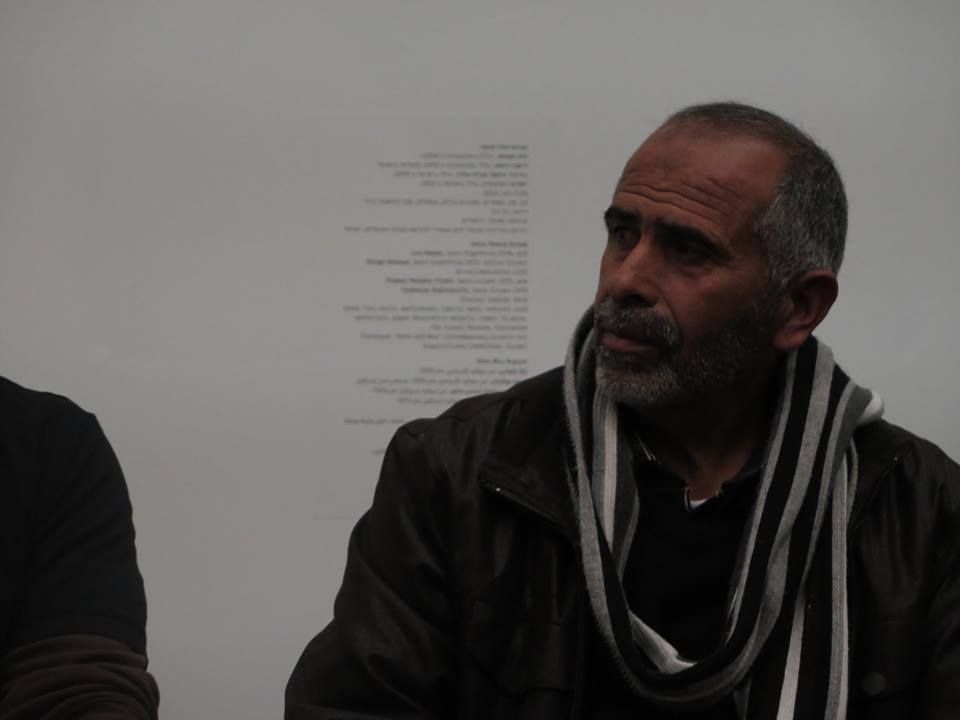
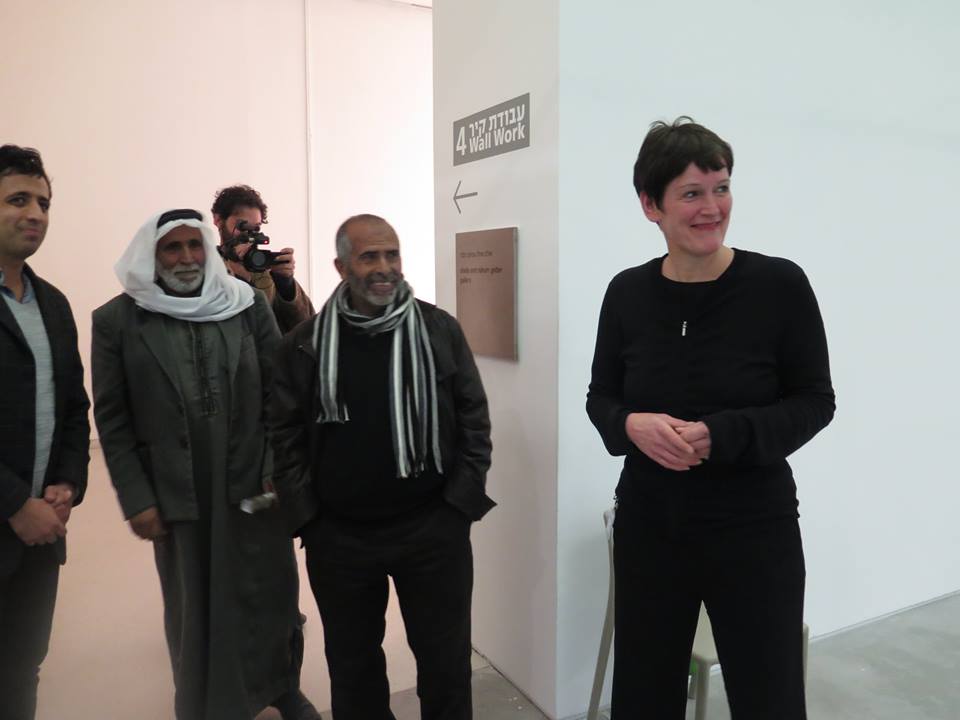
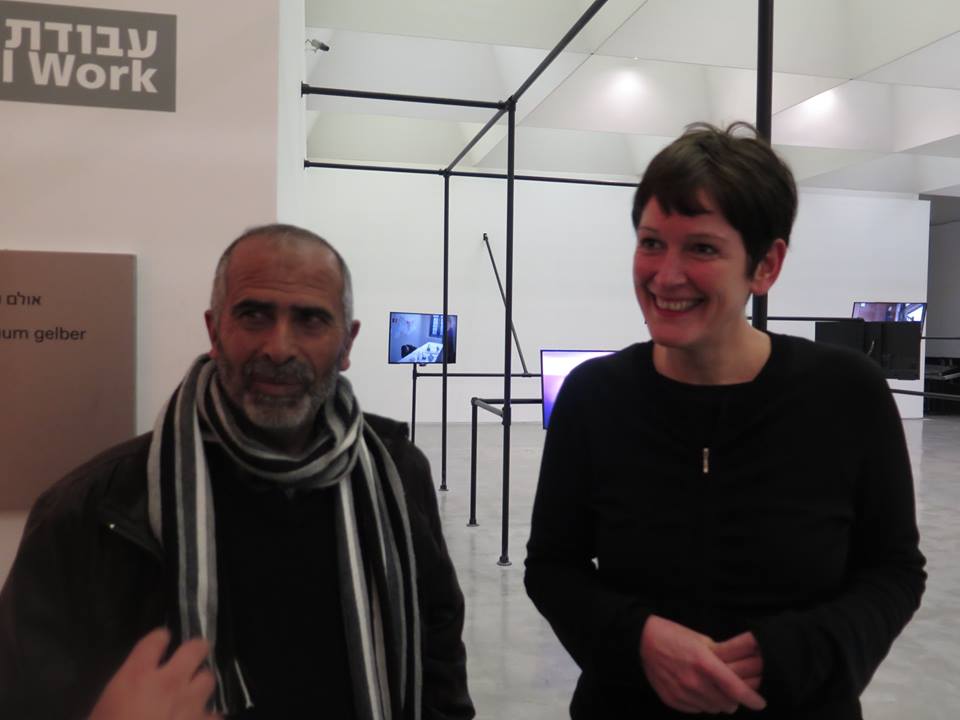
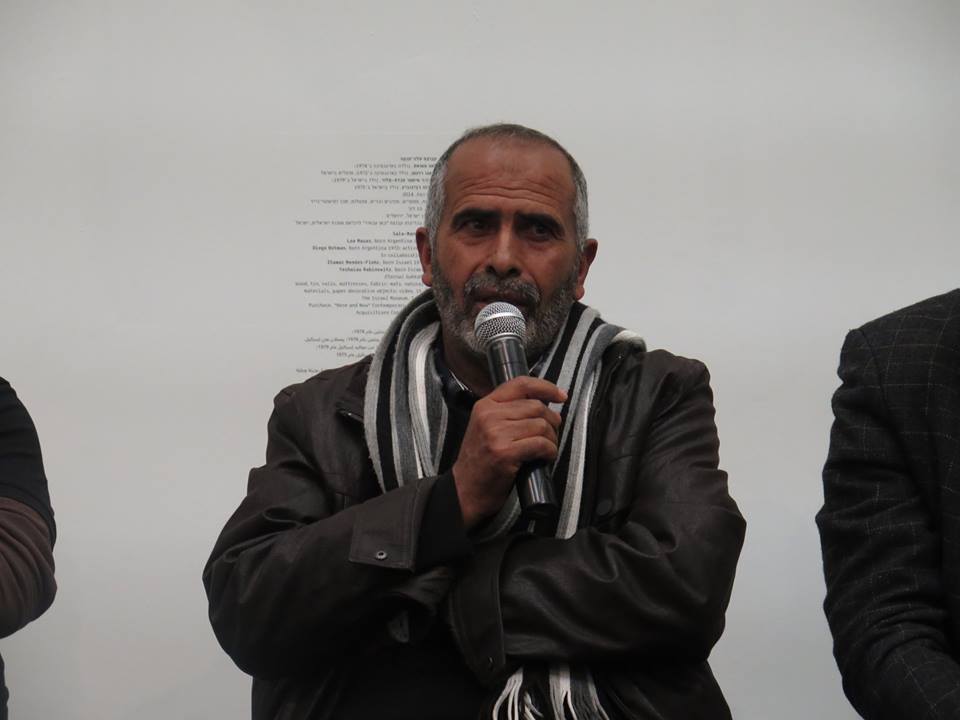
Entire documentation of a discussion focusing on The Eternal Sukkah by the Sala-Manca group, together with Itamar Mendes-Flohr and Yeshaiau Rabinowitz.
For more info on the project: http://old.sala-manca.net/?cat=274
Featuring: Amitai Mendelsohn, Abu Suleiman – Jahalin Tribe, Rachel Elior, Daphna Ben-Shaul, Alon Cohen-Lipshitz, and the artists.

On Hybridity, Transcience and Refugees

A discussion focusing on The Eternal Sukkah by the Sala-Manca group, together with Itamar Mendes-Flohr and Yeshaiau Rabinowitz.
Featuring Dr. Amitai Mendelsohn, Mr. Abu Suleiman spokesman of the Jahalin Tribe, Prof. Rachel Elior – Hebrew Universiry, Daphna Ben-Shaul – Tel Aviv University, architect Alon Cohen-Lipshitz, and the artists at the Israel Museum.

12657824_1214519261894830_8737672741543473772_o 12661795_1214518025228287_4277057309383585560_n 12661899_1214519181894838_2757471390486894886_n 12662433_1214519188561504_6954653916288142314_n 12669684_1214518151894941_3317757406299523674_n 12669720_1214519261894830_8737672741543473772_n 12670290_1214518358561587_5385857701962153648_n 12687999_1214518265228263_5623467095053748660_n 12592284_1214518165228273_3189348903917241260_n 12592497_1214517908561632_3155107940820926384_n 12645166_1214518031894953_8570588096208953323_n 12647346_1214518038561619_8938224281020708359_n 12647442_1214517905228299_5875739042364783412_n 12651291_1214518175228272_8378291834332173420_n 12651306_1214519405228149_7934691770392649047_n 12654348_1214519365228153_3348638465076116535_n 12654517_1214518275228262_1422540878686407918_n

The Doubles and Ourselves – 1st Audition

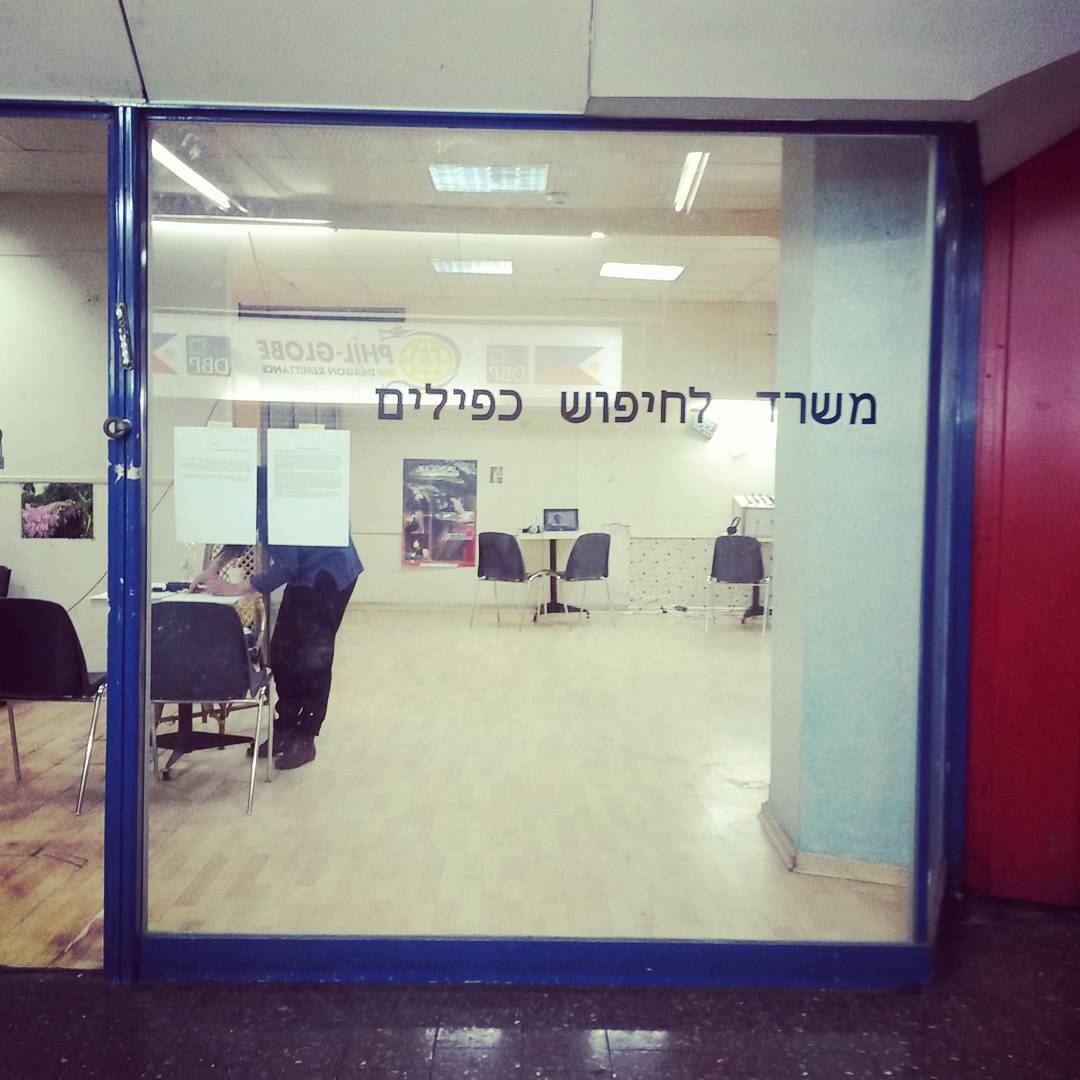
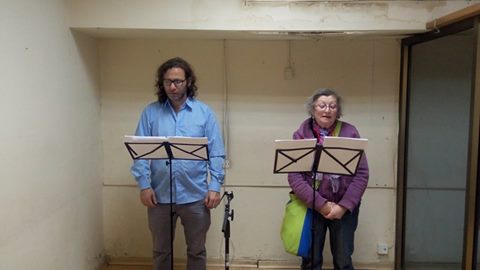
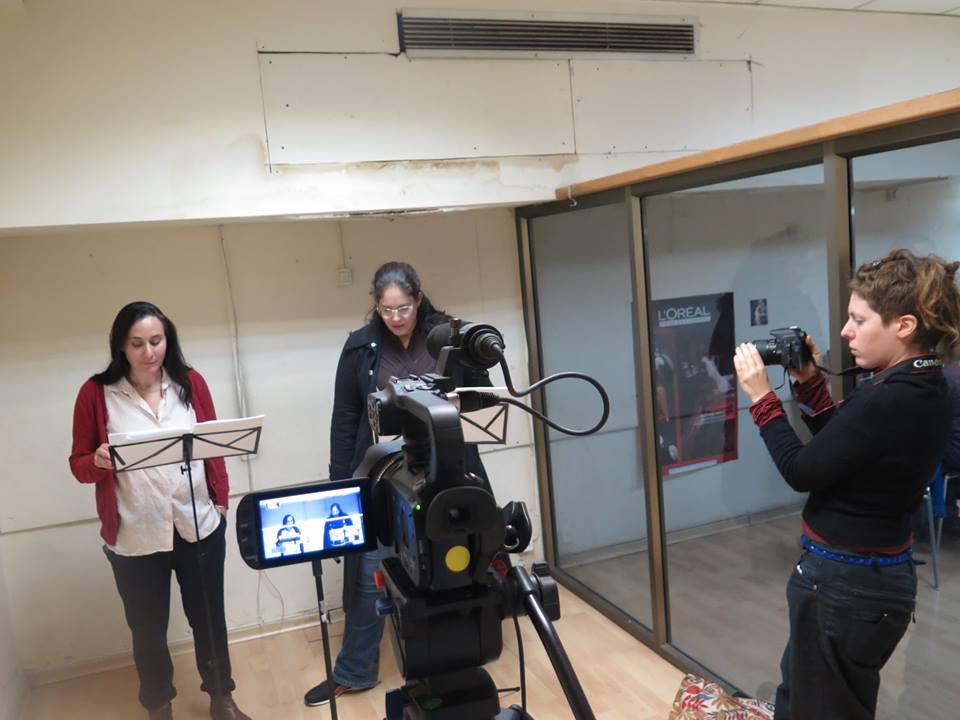
Call for an audition to be Sala-Manca double (doppleganger)
Saturday 5.12 18:30 – 20:30
Central Bus Station, Tel Aviv (4th floor) in the frame of zaz performance festival
The Doubles and Ourselves
 
A performance work based on the selection of one or more pairs of doubles to stand in for the Sala-Manca group in its various artistic and public activities
In recent years, due to th12304536_10153346951126482_4674206729948405530_o   e nature of modern life in general and the pace of life in Israel in particular, the Sala-Manca artists’ collective (Lea Mauas and Diego Rotman) has found itself engaged in multiple occupational and social roles that stretch their physical and mental limits: art performance, curating, academic writing, talks, artistic and administrative direction of an art center, on top of the many other roles they play in their normal lives, such as parenting and friendship.
Teetering on the physical and mental edge, not to mention on the threshold between art and life, brought us to the basic idea for a new project, which attempts to challenge the 12688203_1216901954989894_1274401969995324079_n12661909_1216901141656642_8268416427609756915_nboundaries of our very selves. The idea is to create a double for the Sala-Manca group, or, a pair of doubles for the couple, Lea and Diego.
In the era of the global neoliberal economy, can we create a franchise out of of ourselves? Can we (human beings) be duplicated physically or spiritually?
Over the next year, the Sala-Manca group—Lea Mauas and Diego Rotman—will cast a series of doubles of themselves. These doubles will appear instead of the artists themselves: performing Sala-Manca’s works, giving lectures on art and on the history of the group, teaching at the art schools where the artists teach, managing the Mamuta Art & Media Center, and maybe—why not—going to visit Lea and Diego’s family and friend in Buenos Aires, and even swapping partners for a while, appearing in public with one original and one double.943945_1216901104989979_3686641603509081274_n
For the artists themselves, it examines the limits of genre in an age of the blurring of boundaries between original and reproduction. The present project goes on to blur the boundaries between private and public identity.
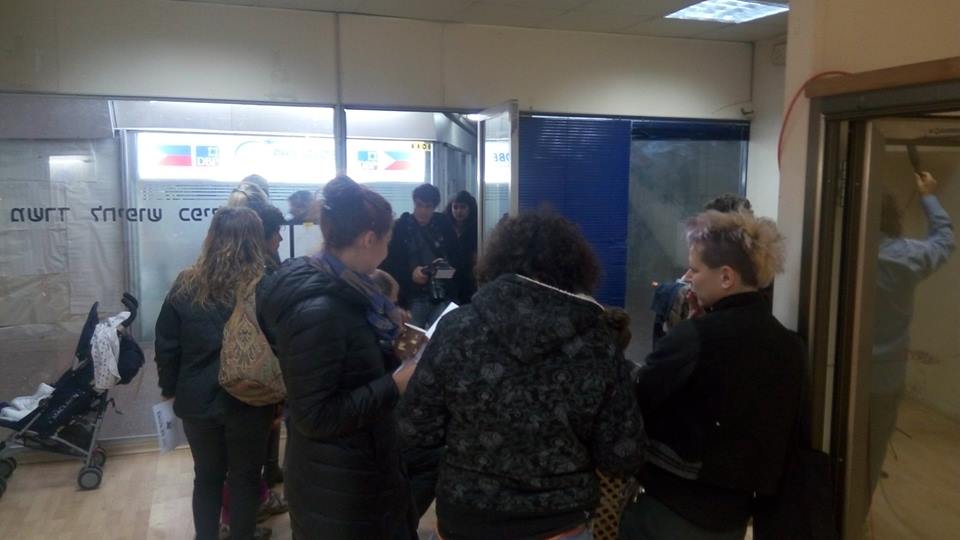
We invite those who are interested to take part to come for an audition on Saturday 5/12/15 at the Central Bus Station in Tel Aviv, between 18:30 and 20:30. The process of training, for those who would be chosen among the applicants, will be remunerated.
 
With the support of Artis

About the Eternal Sukkah Project, 2014-2015 | סוכת נצח

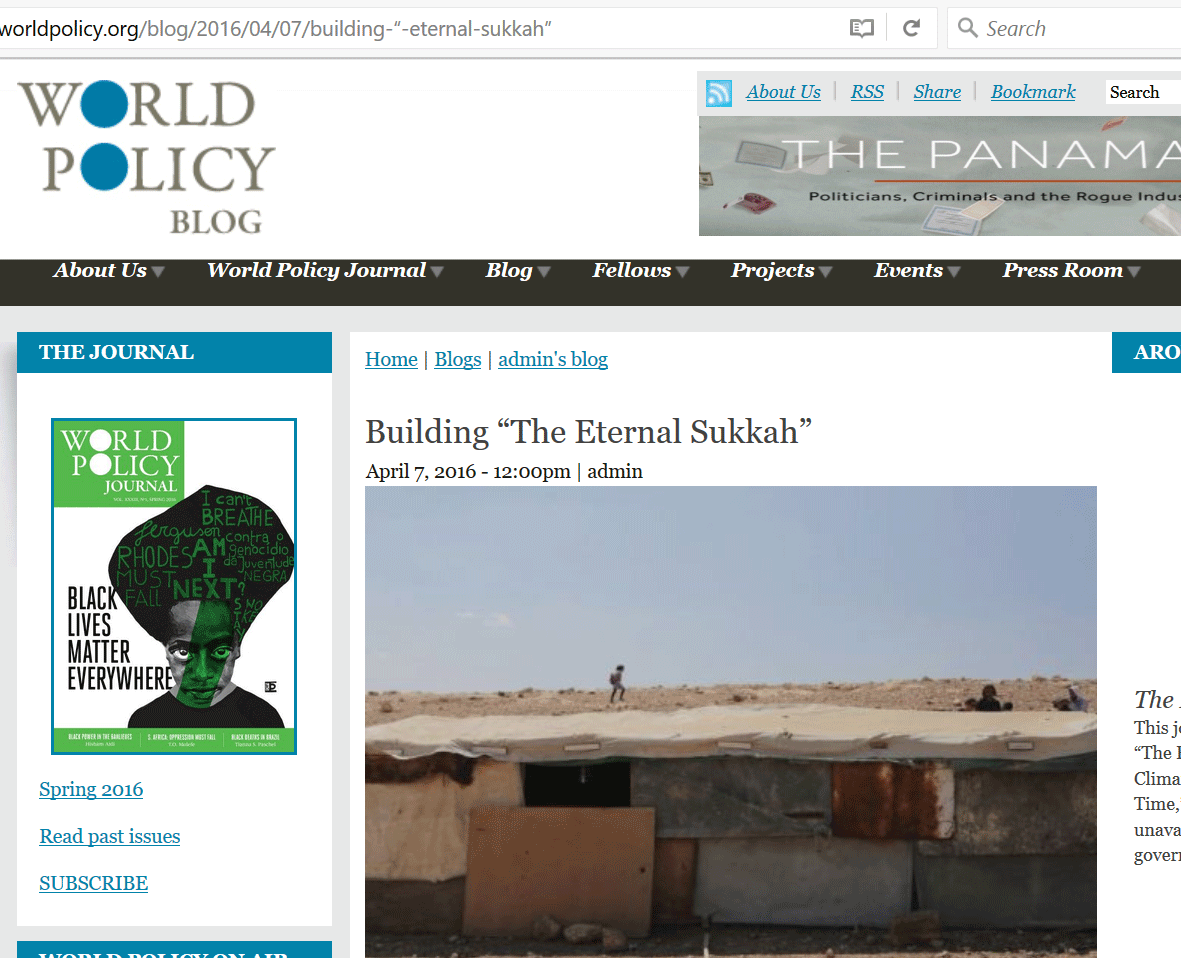
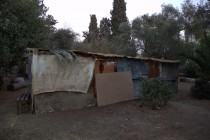
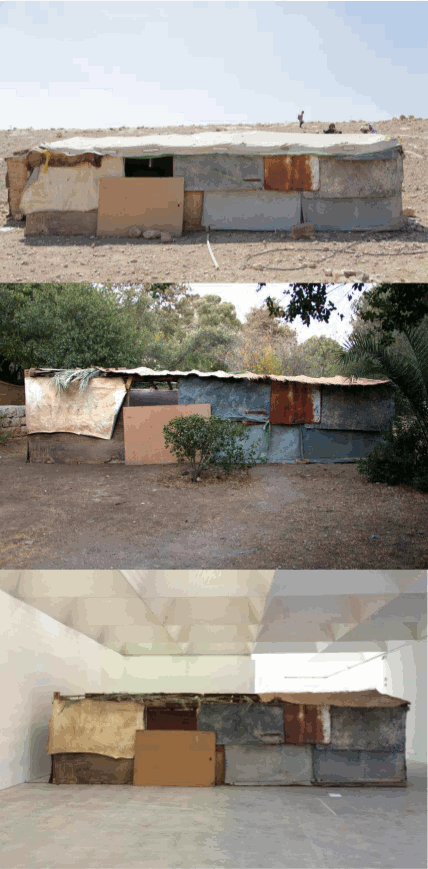
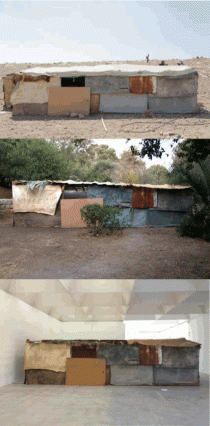
sukkot 2015An illegal shanty structure from the Jahalin Bedouin community on the Jerusalem-Jericho Road  purchased, dismantled, and reassembled in the as a Jewish Sukkah at the Jerusalem Hansen House for Art, Design and Technology in October 2014 was purchased by the Israel Museum  for part of their art collection and going to be reensambled and exhibit from September 20, at the Israel Museum.

In the lead-up to the 2014 Sukkot holiday, the Sala-Manca Group (Lea Mauas and Diego Rotman), directors of the Mamuta Art and Media Center at Hansen House, decided to create a public Jewish Sukkah on the Hansen grounds, a temporary dwelling for its activities during the holiday. Rather than construct an extravagant or innovatively designed Sukkah, the artists chose to delve into the sukkah’s charged meaning in the Israeli context and to highlight the temporary nature of the structure and its associations with exile – thus evoking associations not only with Jewish history but also with the modern Israeli context, and proposing a contemporary reading of the sukkah, both as a concrete object and as a symbol. A structure from the Jahalin Bedouin community on the Jerusalem-Jericho Road is purchased, dismantled, and reassembled in the Hansen House for Art, Design and Technology.

The Jahalin first became refugees in 1949 when they were expelled from their lands in the Negev desert. They migrated to the region of the Judean Desert, where transience continues to be a part of their daily lives. The artists met members of one of the families and listened to their stories. They then proposed to purchase a structure from them, with the idea of dismantling it and reassembling it in the garden of the Hansen House and thus transplanting a piece of one reality within another one. Not only is the sukkah structure itself transplanted to the center of Jerusalem, but with it a different story of exile and desert-dwelling. The adopted sukkah proposes a re–reading of Jewish history, an observation of the state of exile, a search for a new ethnic-national-social space, a pursuit of freedom, and an exposure to the diversity of Israeli reality and the paradoxes of history.

The next step in the project was merchandising the Sukkah as an art piece. The artists decided to intent to sell the Eternal Sukkah charging for it ten times the price paid for the original dwelling giving half of this sum would be turned over to the Al-Korshan as “copyright fee” for the design. Last June the Israel Museum decided to acquire the piece of their collection. The museum is going to build with the acquisition a precise map of instructions for the dismantling and reassembling this emblematic puzzle. What was formerly construction waste would become the object of a process of cataloguing and conservation meant to prevent the deterioration of this object of cultural heritage. Such preservation efforts would be among the most obsessive and meticulous processes of conservation and canonization of an illegal building ever undertaken; the Sukkah, further eternalized by the Museum, would stand as an iconic symbol of Israeli ethnic politics,  a canonization process of the ephemeral.

The Jahalin have their own voice

Response letter by Lea Mauas and Diego Rotman to the art critic in Haaretz, published a month ago. Translation into English soon…

Link to the on-line response in Haaretz
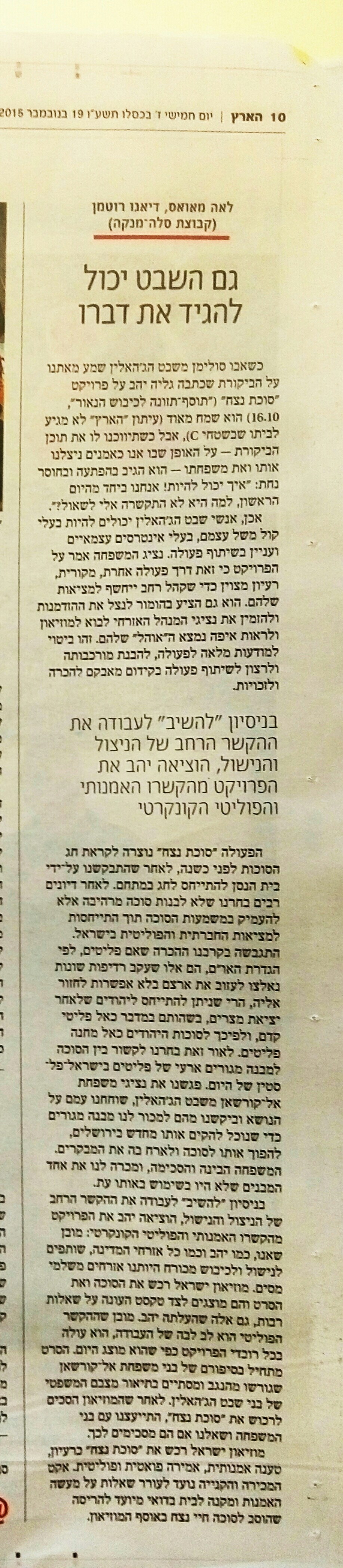
P51119-123007-001-002כשאבו סולימן משבט הג’האלין שמע מאיתנו על הביקורת של גליה יהב על הפרויקט “סוכת נצח” הוא שמח מאוד, אבל כשתיווכנו לו את תוכן הביקורת – על האופן שבו אנו כאמנים “ניצלנו אותו ואת משפחתו” – הוא הגיב בהפתעה: ״איך יכול להיות!, אנו ביחד מהיום הראשון.
למה היא לא התקשרה אלי לשאול?״

אכן, אנשי שבט הג’האלין יכולים להיות בעלי קול, בעלי אינטרסים עצמאיים ובעלי עניין בשיתוף פעולה. נציג המשפחה טען על הפרויקט כי זאת דרך פעולה אחרת, מקורית, רעיון מצוין כדי שקהל רחב ייחשף למציאות שלהם. הוא אף הציע בהומור להזמין את נציגי המנהל האזרחי האחראים להרס הבתים לבוא למוזיאון לראות איפה נמצא ה״אוהל״ שלהם.
זהו ביטוי למודעות מלאה לפעולה, להבנת מורכבותה ולרצון לשיתוף פעולה למען קידום מאבקם להכרה ולזכויות.

“סוכת נצח” נוצרה לקראת חג הסוכות 2014, לאחר שהתבקשנו על-ידי בית הנסן להתייחס לחג במתחם. בחרנו שלא לבנות סוכה מרהיבה אלא להעמיק במשמעות הסוכה תוך התייחסות למציאות החברתית והפוליטית בישראל. התגבשה בקרבנו התפישה שאם פליטים הם אלו שעקב רדיפות שונות נאלצו לעזוב את ארצם בלא אפשרות לחזור אליה, הרי שניתן להתייחס ליהודים שלאחר יציאת מצרים כאל פליטי קדם, ולסוכות היהודים כאל מחנה פליטים. לאור זאת בחרנו לקשור בין הסוכה למבנה מגורים ארעי של פליטים של היום. פגשנו נציגים ממשפחה משבט הג’האלין, שוחחנו עימם על הנושא וביקשנו מהם למכור לנו מבנה מגורים כדי שנוכל להקים אותו מחדש במרכז ירושלים, להפוך אותו לסוכה ולארח בה את המבקרים. המשפחה הבינה, הסכימה, ומכרה לנו אחד המבנים שלא היו בשימוש באותו עת, כפי שצוין בסרט. המבנה שוחזר, הוחלף בו הגג עם סכך והקמנו סוכה כשרה. ערכנו אירועים במהלך סוכות שעסקו בין היתר במעמד הג’האלין ובסוגיית הדיור הציבורי. בעקבות אפשרות הרכישה של העבודה על ידי המוזיאון, התייעצנו עם בני המשפחה ושאלנו אותם אם הם מסכימים לכך. הראינו להם את הסרט וערכנו איתם דיון לפני שזה הוצג במוזיאון.

מוזיאון ישראל רכש את הסוכה ואת הסרט, והם מוצגים לצד טקסט העונה על שאלות רבות, גם אלה שיהב העלתה ולא הצליחה לענות. מובן שההקשר הפוליטי הוא לב לבה של העבודה, הוא עולה לא רק באמצעות האובייקט אלא בכל רובדי הפרוייקט כפי שהוא מוצג היום. הסרט מתחיל בסיפורם בקולם של גירוש של בני הג’האלין מהנגב, מראה את האירוח בסוכה ומסתיים בתיאור מצבם המשפטי של בני השבט היום.

בניסיון “להשיב” לעבודה את ההקשר הרחב של הניצול והנישול, הוציאה יהב את הפרויקט מהקשרו האמנותי והפוליטי הקונקרטי: מובן שאנו, כמו יהב וכמו כל אזרחי המדינה, שותפים לכיבוש מכורח היותנו אזרחים משלמי מסים, בין אם אנו מוחים נגדו ובין אם אנו אדישים ביחס אליו.

מוזיאון ישראל רכש את ״סוכת נצח״ כרעיון, טענה אמנותית, אמירה פואטית ואמירה פוליטית. אקט המכירה והקנייה נועד לעורר שאלות על מעשה האמנות, על תפקידו של המוזיאון בחברה ומקנה לבית בדואי מיועד להריסה שהוסב לסוכה חיי נצח באוסף המוזיאון.
Films & Video Documentation (short)

These days, the Sala-manca group are working on a long documentary film on the project which will included the documentation of meetings, screening and debate with the Al-Korshan Familiy, the sukkah building in Hansen, the moving of the work to the Israel.
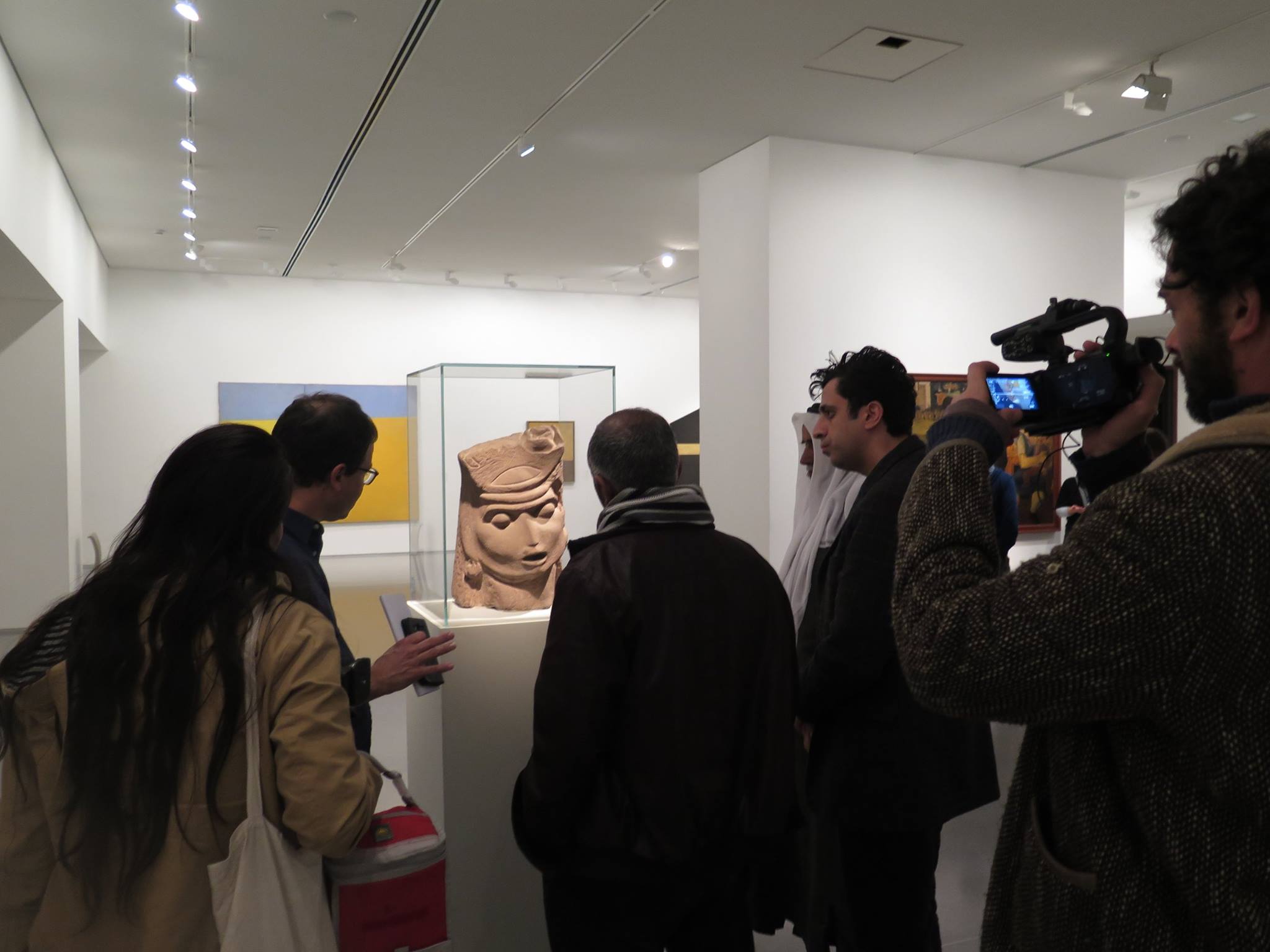
Short documentary film shown as part of the proejct at the Israel Museum

(if you want to watch the video please contact us)