Paradise Inn
Paradise Inn, Talbiyeh, Jerusalem. A dream for only one person. Infinite stars and a real gate to paradise. Reserve your room at the former Lepers’ home.
Jerusalem, where any piece of land can become your temporary dwelling.
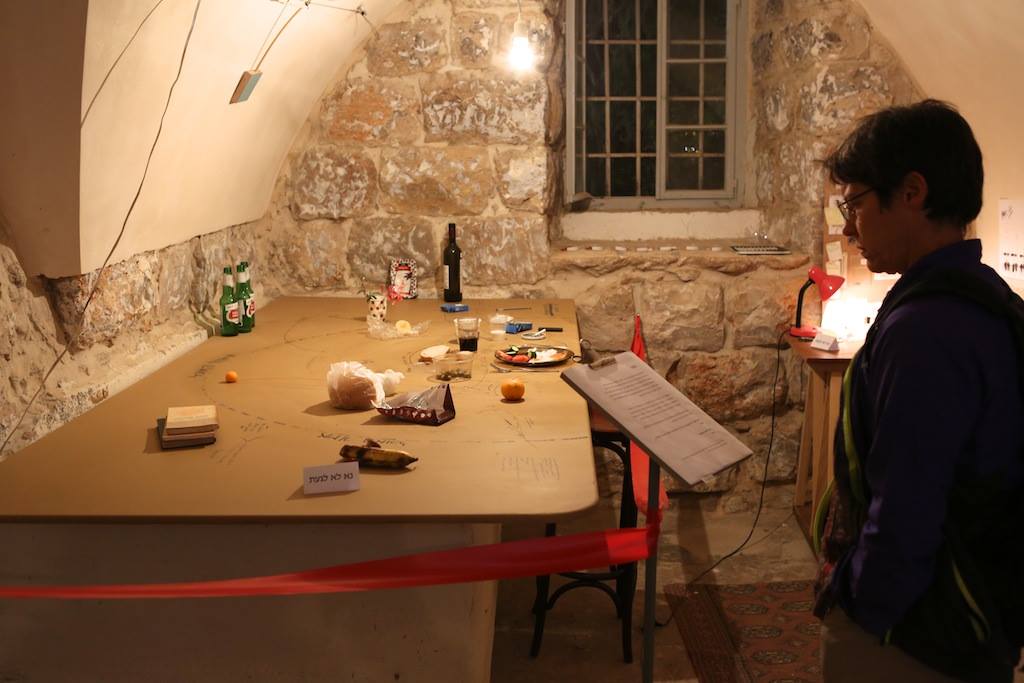
In light of the policy of the city of Jerusalem to develop tourism and to use art and culture as a touristic tool, a group of local artists decided to be part of this new trend. In order to generate a new resource for tourism as well as some independent income for local artists and the Mamuta Art and Media Center, they established the luxurious Paradise Inn on part of the lands of the former Jerusalem Lepers’ Home at Hansen House.
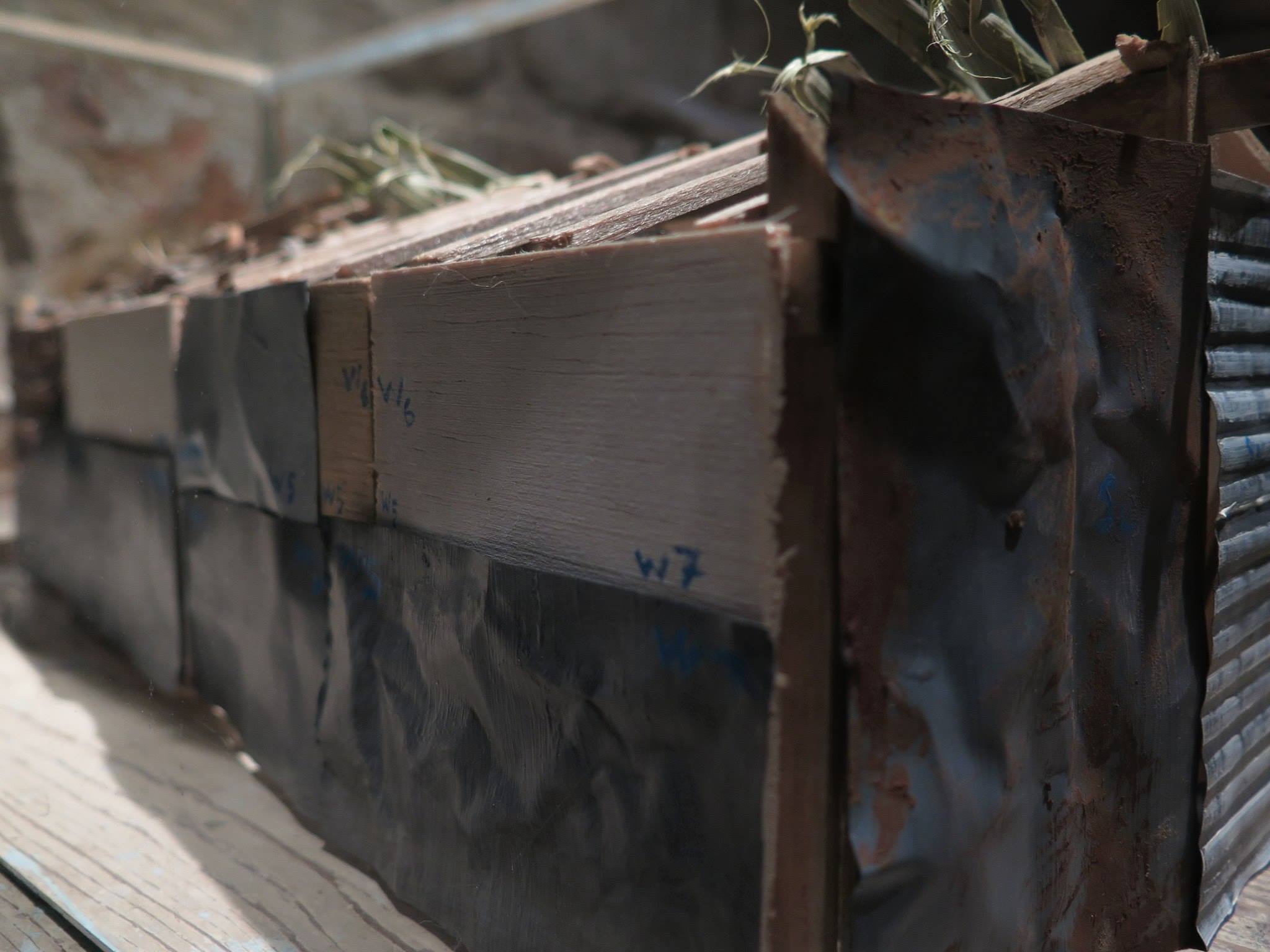
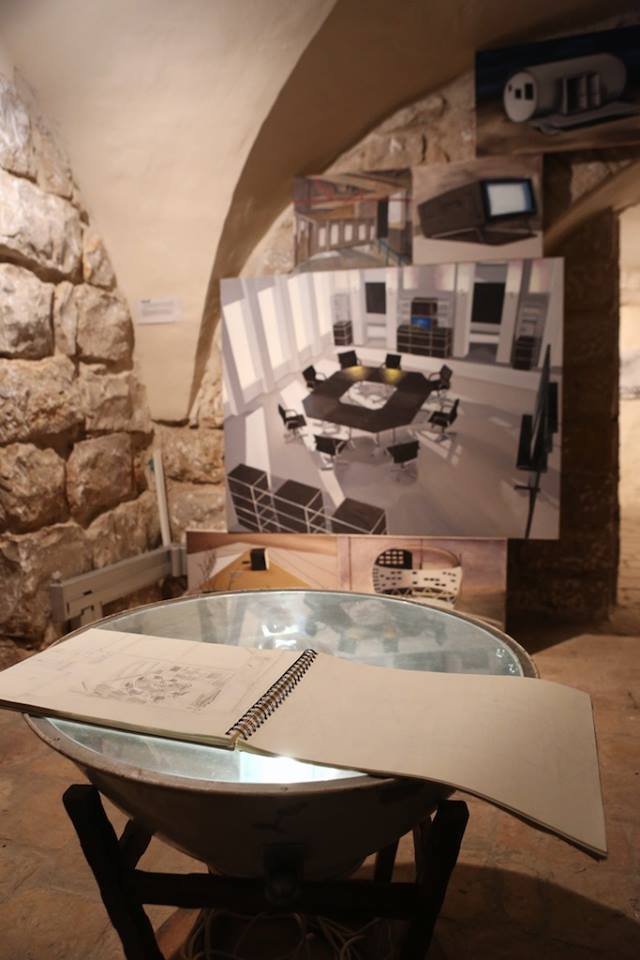
Using a “green” approach to urban design as well as the idea of recycling electronic waste, the artists created a summer hotel for temporary residence, inspired by Bauhaus architecture, temporary techniques of modernist parcelization, and the new school of architecture, Growing Walls.
The artists participated in the design and implementation of all aspects of the hotel, with the goal of giving everyone the possibility of spending a few nights at Paradise Inn. The project synthesizes new visionary ideas for a modern Jerusalem: a hotel for only one person, a personal paradise built in the exquisite Hansen House gardens.
Image“Paradise Inn is an island surrounded by the walls of the former Jerusalem Lepers’ Home. A metaphor of differentiation and exclusivity. Paradise Inn is a luxurious paradise that originates from a public institution that was historically used to protect society from lepers and lepers from society. Paradise Inn dwells in the spirit of gentrification, inviting an artist to reside for free in the paradise for a month and a half. In return, the artist is expected to produce artwork for the comfort of future residents.” (From I Love Jerusalem Magazine)
In the year 2018, the utopia that Boris Schatz wrote about in his novella “The Rebuilt Jerusalem: A Daydream” (1923), is supposed to be fulfilled. A Utopian Jerusalem in which paradise exists; harmonious coexistence with nature and with the Arab residents of the city, and building of the Third Temple, which will serve as a museum, with the consent of the Arab minority.
Three years prior, in the year 2015, at the Hansen House gardens, Paradise is built – a haven in the middle of the city, a white façade bounding a garden that has been expropriated from the public. In Paradise, only one human being at a time can experience the ideal and modern natural living, leaving the public with a sense of longing, allowing a sneak peek into a free and peaceful world, at an affordable price.
The entrepreneurs of Paradise Inn have invited an artist to live and create for a month and a half in this daydream – an infinite-star hotel for one, a slice of nature in the middle of Jerusalem, in the historical garden of the former Lepers’ House.
From the middle of September, Paradise’s sole room will be available for rent at an outrageous rate for all interested.
Please visit us and reserve your nights: www.paradisehotel.co
Concept: Sala-manca
Architects: Sala-manca and Nir Yahaom
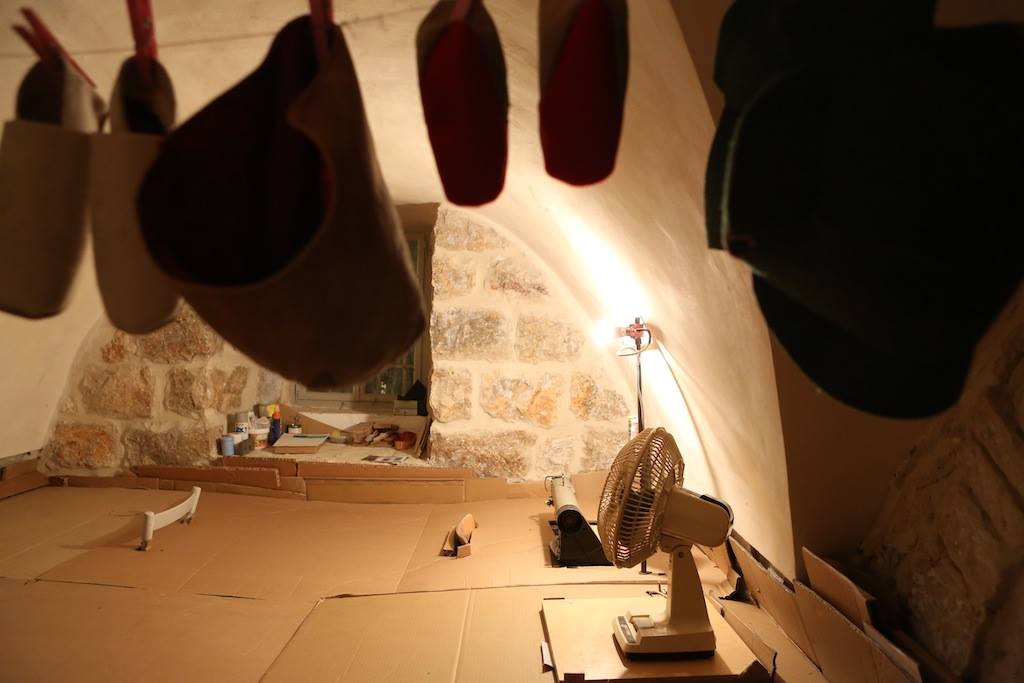
Interior Desing: Itamar Mendes-Flohr
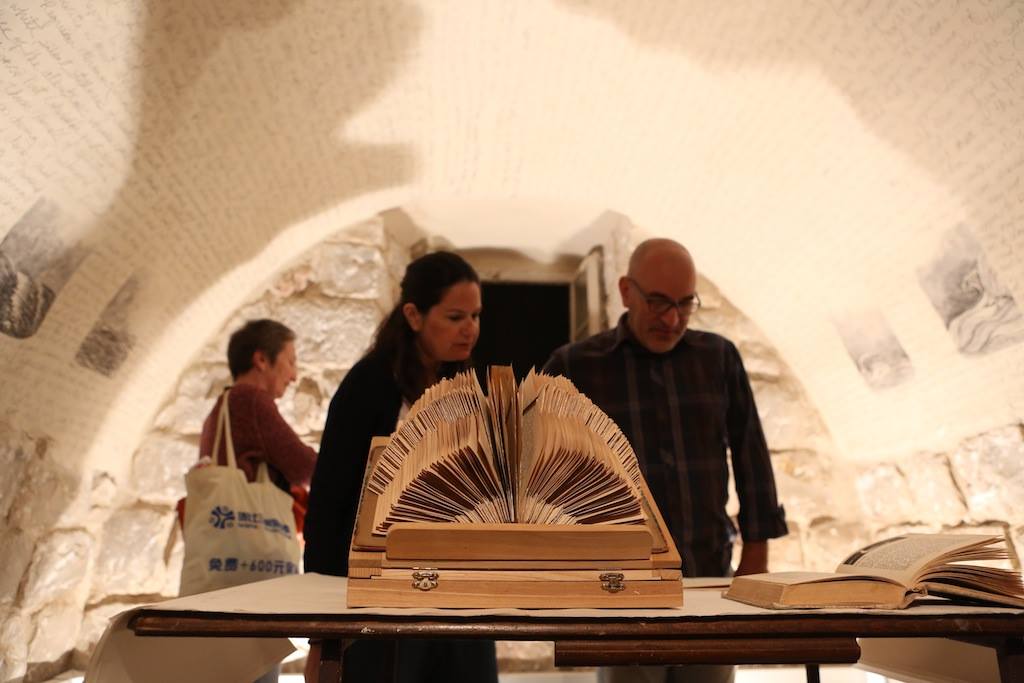
Paradise Inn art collection: OZ Malul, Guy Yitzhaki, Itamar Mendes-Flohr, Sala-manca, Shaul Zemach.
Souvenirs: Silent Room 1, Chen Cohen | Room-Kit, Pessi Komar | A letter for you, Shiri Zinger, Elevator to Paradise, Lior Pinski
Avantgarde workers: Yuval Galili, Diego Rotman, Yeshaiahu Rabinowitz, Rotem Zuta, Ayala Shamir, Ktura Manor, Lea Mauas, Chen Cohen, Galia Lulko, Nahuel & Ayu
Paradise Inn website: www.paradisehotel.co
Observation post to Paradise: Conrad Shick
Press:
http://www.haaretz.co.il/gallery/art/artreview/.premium-1.2732894
http://old.sala-manca.net/wordpress/wp-content/uploads/2015/08/almost-paradise.png
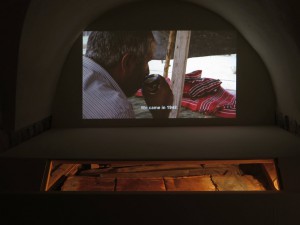 The Ethnographic Department addresses the link between an art museum and an ethnographic museum, between “fine” art and “folk” art, and the tension that exists between original, restoration, copy and adaptation. All of these are aspects central to the curatorial thinking that has guided the Museum of the Contemporary since its onset.
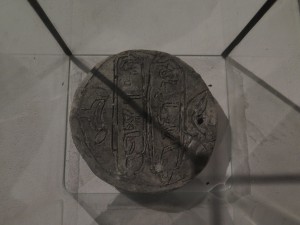 The first exhibition dealt with the museum as an institution, with the topography of Israeli memory, with the local historiography of the village Ein Karem and and with the home of the museum – the home of Daniela Passal. The Museum also developed a digital storage room of exhibitions which are not viewable on the net but are offered for downloading – each exhibition as a “package” for printing, exhibiting or re-installing – according to the physical and economic possibilities of the downloading body.