WordPress database error: [DELETE command denied to user 'sala-manca'@'localhost' for table `sala_manca_net`.`wp_options`]
DELETE FROM `wp_options` WHERE `option_name` = '_site_transient_wp_theme_files_patterns-3e81fb819c0831df69203ee558a709b9'

WordPress database error: [DELETE command denied to user 'sala-manca'@'localhost' for table `sala_manca_net`.`wp_options`]
DELETE FROM `wp_options` WHERE `option_name` = '_site_transient_timeout_wp_theme_files_patterns-3e81fb819c0831df69203ee558a709b9'

WordPress database error: [INSERT, UPDATE command denied to user 'sala-manca'@'localhost' for table `sala_manca_net`.`wp_options`]
INSERT INTO `wp_options` (`option_name`, `option_value`, `autoload`) VALUES ('_site_transient_timeout_wp_theme_files_patterns-3e81fb819c0831df69203ee558a709b9', '1792702942', 'off') ON DUPLICATE KEY UPDATE `option_name` = VALUES(`option_name`), `option_value` = VALUES(`option_value`), `autoload` = VALUES(`autoload`)

WordPress database error: [INSERT, UPDATE command denied to user 'sala-manca'@'localhost' for table `sala_manca_net`.`wp_options`]
INSERT INTO `wp_options` (`option_name`, `option_value`, `autoload`) VALUES ('_site_transient_wp_theme_files_patterns-3e81fb819c0831df69203ee558a709b9', 'a:2:{s:7:\"version\";s:3:\"4.0\";s:8:\"patterns\";a:0:{}}', 'off') ON DUPLICATE KEY UPDATE `option_name` = VALUES(`option_name`), `option_value` = VALUES(`option_value`), `autoload` = VALUES(`autoload`)

WordPress database error: [INSERT, UPDATE command denied to user 'sala-manca'@'localhost' for table `sala_manca_net`.`wp_options`]
INSERT INTO `wp_options` (`option_name`, `option_value`, `autoload`) VALUES ('_transient_doing_cron', '1792701142.0923759937286376953125', 'on') ON DUPLICATE KEY UPDATE `option_name` = VALUES(`option_name`), `option_value` = VALUES(`option_value`), `autoload` = VALUES(`autoload`)

Shahar Carmel – Sala-Manca

The Ethnographic Department, 2015

Mamuta at Hansen | Artists: Yeshaiau Raboinowitz, Itamar Mendes-Flohr, Sala-manca, Ktura Manor, Ester Bires, Amitai Arnon,  Nir Yaalom, Adi Kaplan, Shahar Carmel, Hanan Abu-Hussein, Samuel Rotman |  Curators: Sala-manca

Opening Hours: Monday and Thursday 10-15, Wednesday 17-21 and Fridays 9-12
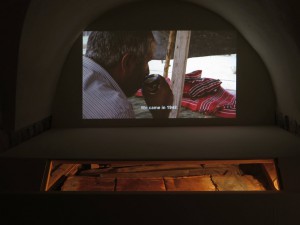
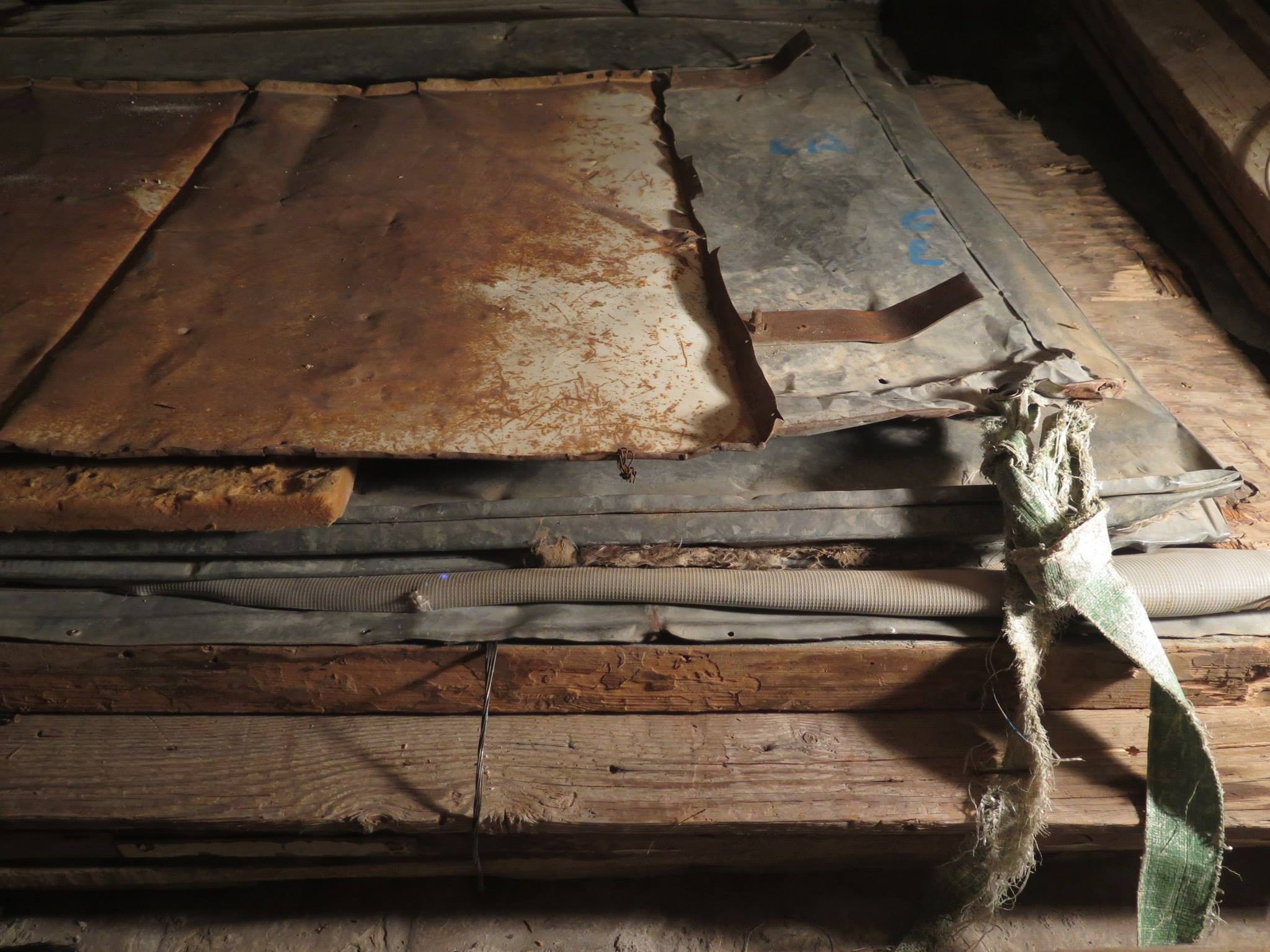
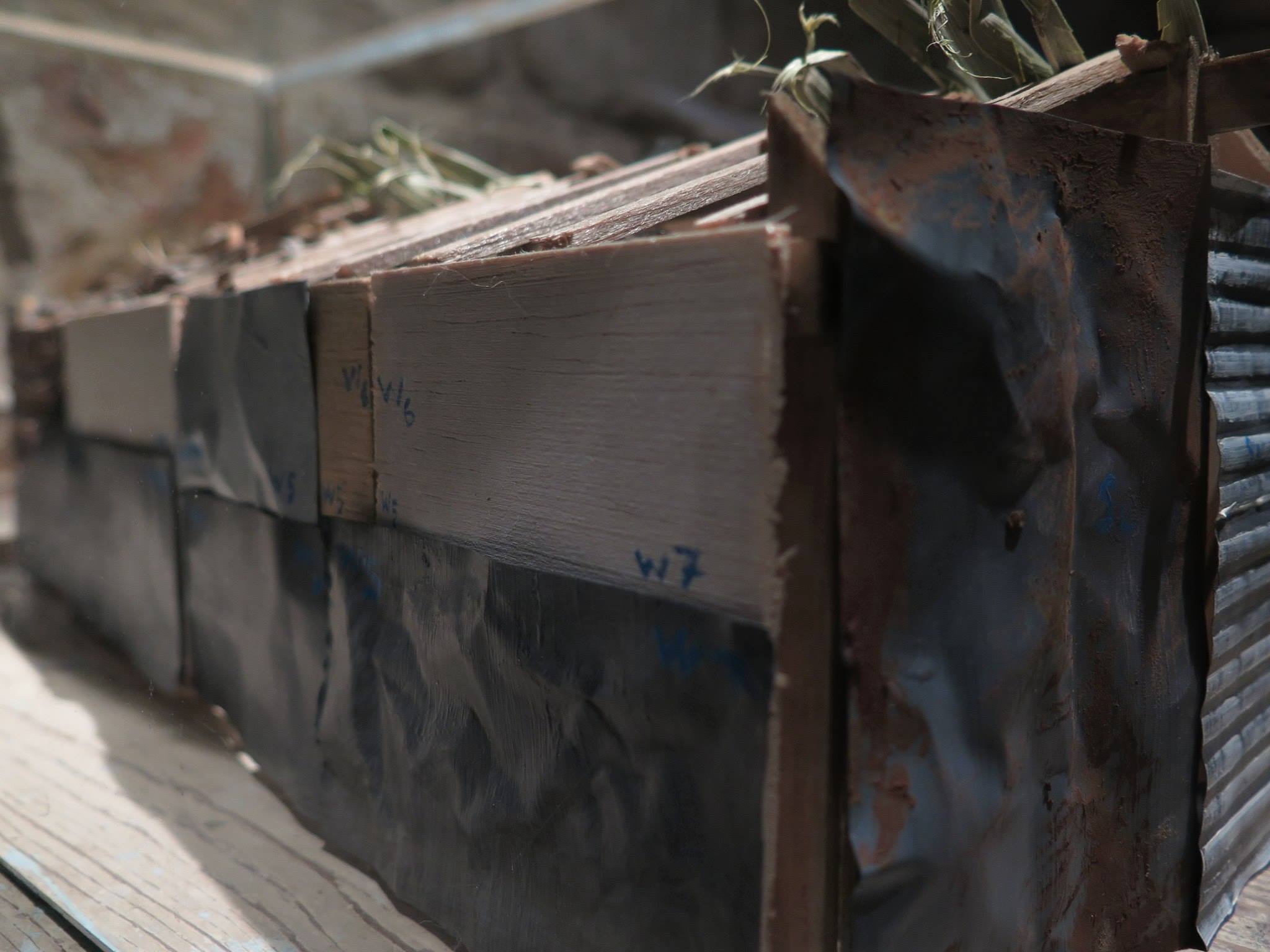
1557326_998109410202484_5893531121619689955_oThe Ethnographic Department addresses the link between an art museum and an ethnographic museum, between “fine” art and “folk” art, and the tension that exists between original, restoration, copy and adaptation. All of these are aspects central to the curatorial thinking that has guided the Museum of the Contemporary since its onset.
The Museum was founded in December 2009 at the Mamuta Center in Ein Kerem, in the home of  Daniela Passal, formerly the home of Palestinian researcher Issa Manun and in the interim “absentee property”. 10911525_998108723535886_2357073617135420189_oThe first exhibition dealt with the museum as an institution, with the topography of Israeli memory, with the local historiography of the village Ein Karem and and with the home of the museum – the home of Daniela Passal. The Museum also developed a digital storage room of exhibitions which are not viewable on the net but are offered for downloading – each exhibition as a “package” for printing, exhibiting or re-installing – according to the physical and economic possibilities of the downloading body.
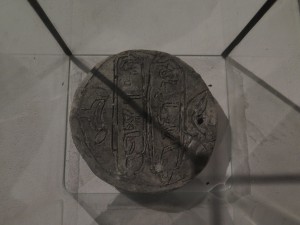
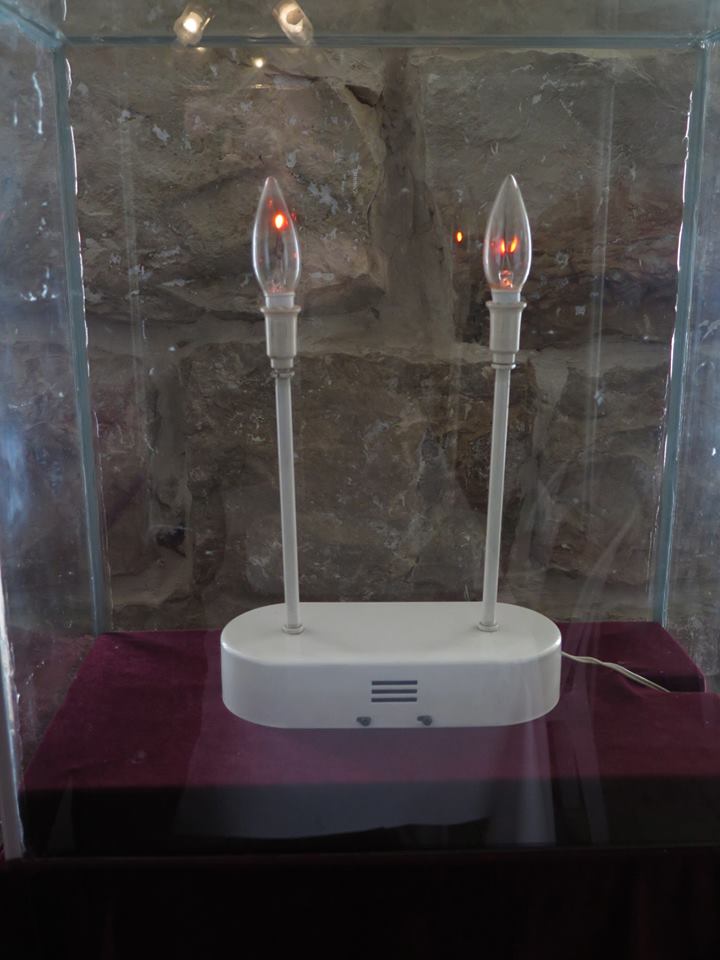
10801749_998109196869172_2761724923139541923_nThe Ethnographic Department also deals in part with the history of the structure in which it dwells. This is the Leprosarium Jesus Hilfe , founded as an isolatedrefuge for leprosy patients.
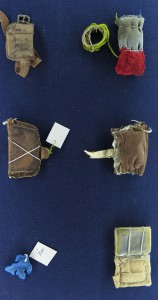
1979265_998108766869215_2704607145465547151_o

It was created by the German-Protestant Moravian community in 1867 and operated for twenty years in a building on today’s Agron Street, Jerusalem. In 1887 the institute moved to a new building in the Talbiya neighborhood of Jerusalem, planned by Konrad Shick. 10924686_998109270202498_2702693099809644315_n 10838189_998109310202494_4848023362611767216_o     905900_998108643535894_2037612605803309353_o
Press:

 Yaad Biran, From Ansky to Kanaan (in hebrew)

Borderline, 2013

Borderline – Two performance events in the frame of Rashamim (drawing biennale) and with the collaboration of Daat HaMakom

Participating artists: adi kaplan and shahar carmel together with Dudu Carmel and invited musicians, shira legmann together with musica nova consort, hadas ophrat, lezli rubin-kunda, josef sprinzak.
Invited artists: Guy Yitzhaki and Dafi Sapunar, Yonatan Amir and Ronen Eidelman

Curators: Sala-manca.

“Borderline” is the title of two performance events featuring new works that address the space of the former Hansen leper house, and engage with cartography, mapping, and drawing in space.

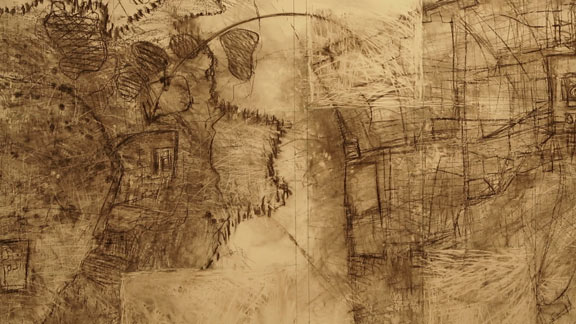
Lezli-Rubin-Kunda-2Cartography, as a field of knowledge that encodes the space and delineates the connections between space and identity, employs the language of drawing in order to express political, economic, and social worldviews, all the while preserving and founding perceptions of identity. The works in “Borderline” will offer a different mapping of the space, whether through a revised reading of existing maps or the creation of alternative poetic maps.

The wall of Hansen House – which marked the separation between normal life and abnormal life – serves as the borderline, the initial point of departure for some of the works. The Hansen wall, residue of the outside self-defense against the inside, marks the space of a ghetto, of exile within the city, and serves as an architectural metaphor that echoes other walls. The works in the series of performances engage with the conceptual and concrete notion of the borderline: its delineation, erasure, or blurring. The borderline appears in the works as a formal or metaphorical line that separates and unifies its two sides, produces situations of passage, blockage, schism, or destination, and materializes in the encounter with agents that indicate its existence: customs, police, border crossing, conflict between different interests.Hadas-ofrat-3

The aspiration towards a utopian borderless space, a plan for a space without lines, was the dream of architect Rodriguez (the pseudonym of João Delgado), who had signed his business card “Arch. Rodriguez – Plans without Lines: an architect on a tightrope”.

http://traces.art.org.il/5/venues/mamuta?en

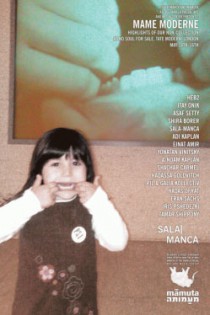
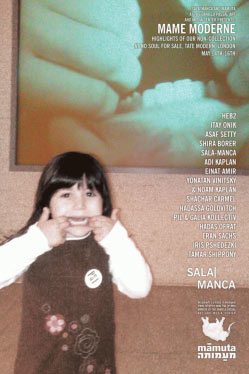
Mame Moderne at Tate Modern, 2010

MAME Moderne at No Soul For Sale, Tate Modern
Highlights from our non-collection
Curators: Sala-Manca Collective

Mame Moderne (“Modern Mother” in Yiddish) is the name of the TATE Modern translated literaly and genderly to the Yiddish language (Tate means “Father” in Yiddish). In this salon we show a series of works which don’t belong to us—non-collectors of this non-collection. Maybe a reflection on art habits and rituals, maybe a negative of Museum, maybe a gallery in the local barber shop (or maybe not).
mamemod
In our 25m2 of Tate Modern we present the Mame Moderne Salon, with its waiting room composed of works presented in different projects curated by Sala-Manca since 2000, dealing (or not) with the topic of Identity Change.

While awaiting the hairdresser to hairdress you watching the process you are passing through in someone else (performance by Shira Borer), you can watch a TV film of a “patriotic” recreation of the myths of the Golem (video by Adi Kaplan, Shahar Carmel, Yonatan Vinitsky, Noam Kaplan, and Etai Onik),  hear the story of a Palestinian refugee from Ein Kerem told in the voice of a Jewish-Israeli artist (sound work and performance by Hadas Ofrat), watch a live streaming of barber shops and transformed urban areas in the conflicted Hebron (Heb2-live steaming), see a futuristic film about a post-IKEA society (Pil&Galia Kollectiv) and a still-video work about a sound researcher (Asaf Setty), observe a reflection on cultural treasures and ownership in a video of a film as a metaphor for cultural re-appropriation (Iris Pshedezki) and a woman and a tree that became one and stand alone (Tamar Shipony), hear classical English poetry translated from English into English through Babylon software (Sala-Manca) and foreign workers in Tel Aviv speaking the “holy language” (Eran Sachs) , or buy MAME Moderne t-shirts designed by Einat Amir (einat amir)
On Sunday May 16 at 11:30, a live performance of a love story between an orthodox Jew and a secret agent of the Mossad (Sala-Manca’s live performance at the main stage 2010).

Link to Brochure